What is web copywriting?

Web copywriting, also called “writing for the web,” is the process of writing online content, ad copy, social media posts, and other marketing materials. Well-crafted copywriting can keep readers engaged and often leads them to take some form of action, such as making a purchase or submitting a form.
Why is web copywriting important?
Writing for the internet is completely different than writing offline.
There are two main reasons for this:
First, people consume online content on LOTS of different devices.
For example:
When you write an ad for a newspaper, that ad will look 100% the same for whoever reads it.

But that’s not the case with online writing. With web writing, your copy needs to work on desktops, smartphones, tablets, smart TVs… and any other device people use to read your stuff.

Second, “Switching costs” online are super low: your readers are only one click away from Facebook, YouTube, or someone else’s blog.
This means your copy needs to be insanely good.
And the secret to grabbing hold of someone’s attention? Strong web copywriting.
Best practices for web copy
Write irresistible headlines
Your headline is the first impression that your content is going to make.
(Usually, before the person even lands on your webpage.)
And when they DO land on your page, your headline is what makes the person decide whether or not they’re going to stick around… or leave your site to check Instagram.
As it turns out, a strong headline isn’t just important for engaging readers. It can also lead to more social media shares.
In fact, the majority of social shares that articles get come from people who have not even read the article. Instead, most people share content based on the headline alone.
When writing headlines, I recommend sticking to the 4 U’s:
- Demonstrate that the content is Useful
- Create Urgency
- Show it’s Unique
- Make it Ultra specific
It’s not easy to create a headline that uses all four U’s. But in general, the more you can use, the better.
For example, an article I published a while ago was titled “We Analyzed 5 Million Google Search Results. Here’s What We Learned About Organic Click Through Rate”.
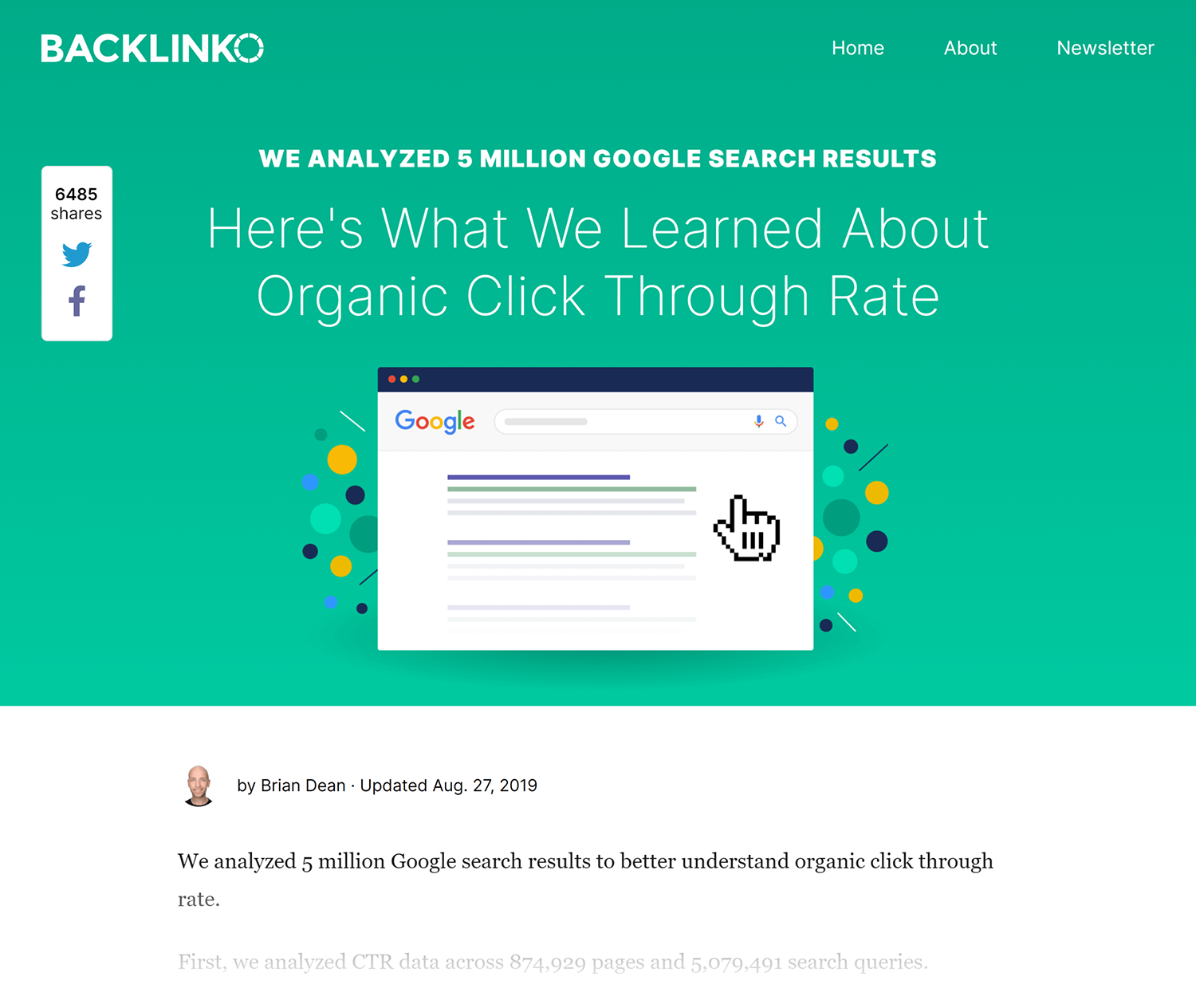
Let’s break down that title based on the 4 U’s.
Useful: “What we learned about organic click-through rate” shows that people can expect to learn about this important metric (and how to improve theirs).
Urgency: There may be some urgency for people who already know the importance of organic click-through rate. But this headline doesn’t do much to create urgency. Which, as I mentioned earlier, is OK. As long as you have 2 or 3 of these U’s in your headline, you’re good to go.
Unique: With 5 million search results in our data set, there are no other CTR studies anywhere this comprehensive. Which helps our headline stand out.
Ultra specific: Again, I’m talking about the “5 million” search results that we analyzed. Calling out a number in your headline is a great way to generate interest by making it specific. You can cite how much weight someone lost, the exact dollar amount that you saved on your car insurance, or how many countries you’ve visited.
So far that article has done very well. And at least part of that success is because that headline has 3 of the 4 U’s that every headline needs.
Use slippery slides
What’s a sentence’s main job?
Getting you to read the next one.
And then the one after that.
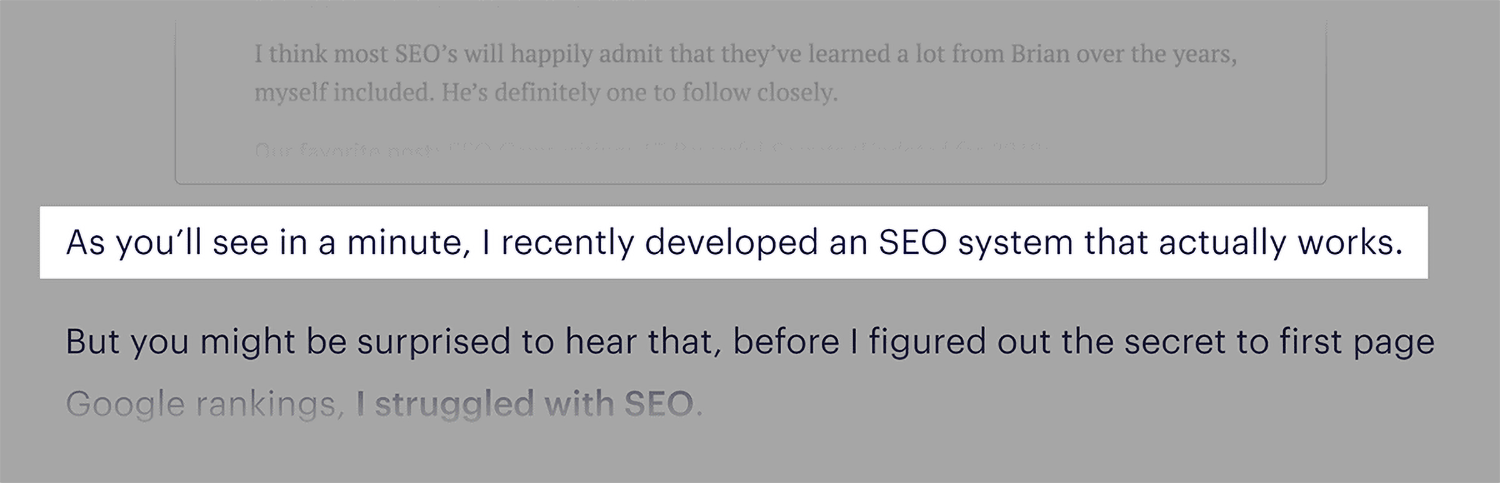
That’s the “Slippery Slide” concept in action: making it hard for people to stop reading. And it’s something that many copywriters use in their work.
As it turns out, short sentences and very short paragraphs have a slippery slide effect.
Like this:

I recommend adding Slippery Slides to your copy whenever you can.
Here’s a real-life example of a Slippery Slide from one of our landing pages:
Apply the rule of three
There’s something magical about the number 3.
When you include three of something in your writing, it feels complete.
It’s just enough to make a pattern.
And it seems natural.
(In fact, look at those last three sentences. That was the rule of three at work).
As this Wikipedia article says, using the Rule of Three can make you “seem knowledgeable while being both simple and catchy.”
Sounds pretty good to me!
You can use the Rule of Three in any part of your content:
- Three main sections in a blog post.
- Three major concepts in an essay.
- Three examples per concept.
- Three testimonials on your homepage.
For example, when I published an SEO case study on my blog, I made sure to boil the process down into 3 steps.

I could have easily gone with 5 or even 7 steps. But I decided to focus on the 3 most important steps that people needed to optimize their content for search engines. That way, my post could follow the Rule of Three.
So as you’re outlining a piece of content, check whether you have any pairs or quads of anything.
If you do, it may work even better as a trio.
Use a killer structure
Want to know one of the best ways to make your online content easy to follow?
Structure it really well.
In the world of psychology, the fluency heuristic tells us that the easier something is to follow and understand, the more people will trust it.
In other words:
If you want your content to be trusted, you need to structure it in a way that makes it super easy to follow.
In practical terms, this means dividing things up into discrete sections.
So if your content is basically one long point…

…use subheadings to break things up into skimmable sections.

With that, here are a few other ways that you can make your content structure even better.
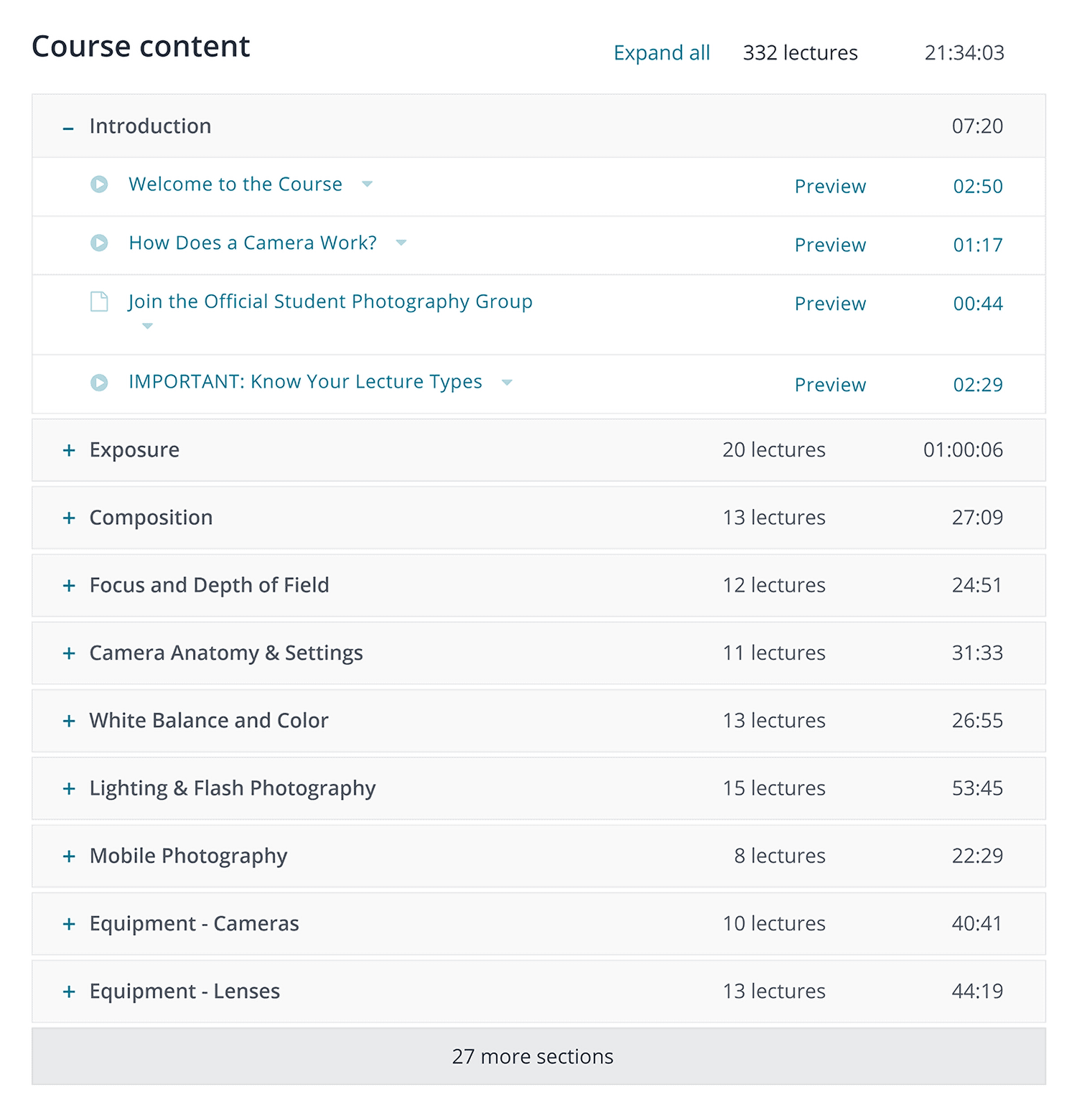
- Online courses tend to have strong content structure. In fact, in many ways, the structure IS the course. So head over to Udemy, type in your topic and click on a top-rated course. Then scroll down to “Course content” to see how the course is structured.
- Another great way to structure your content is based on book previews on Amazon. Just search for the top books in your field, click the cover image of a book to look inside and check out the table of contents. Then, see how they’ve structured the book’s content.

- BuzzSumo can help you structure your content. Sometimes the best ideas come from outside of your niche: check out popular articles in different niches. Then, see what you can learn from the way they’re structured.
- Cap things off with a call-to-action. No matter what type of content you’re writing, you want to end every piece of content with a CTA.
Steal from your audience
Customer research can be useful for product development, marketing, competitor analysis… and website copywriting.
In fact, I use customer research just to improve my copy. Specifically, I use it so I can speak to my customers in their own language in my content marketing.
That’s great not only for keyword research, but also for writing content and sales pages that resonate with your visitors.
Here are a few ways to find the words and phrases that your target customers use.
- Check out Google Suggest and “Searches Related to…”. Search for a topic that you’re going to cover in a blog post or ad. Then, see what Google suggests to you in the search bar:
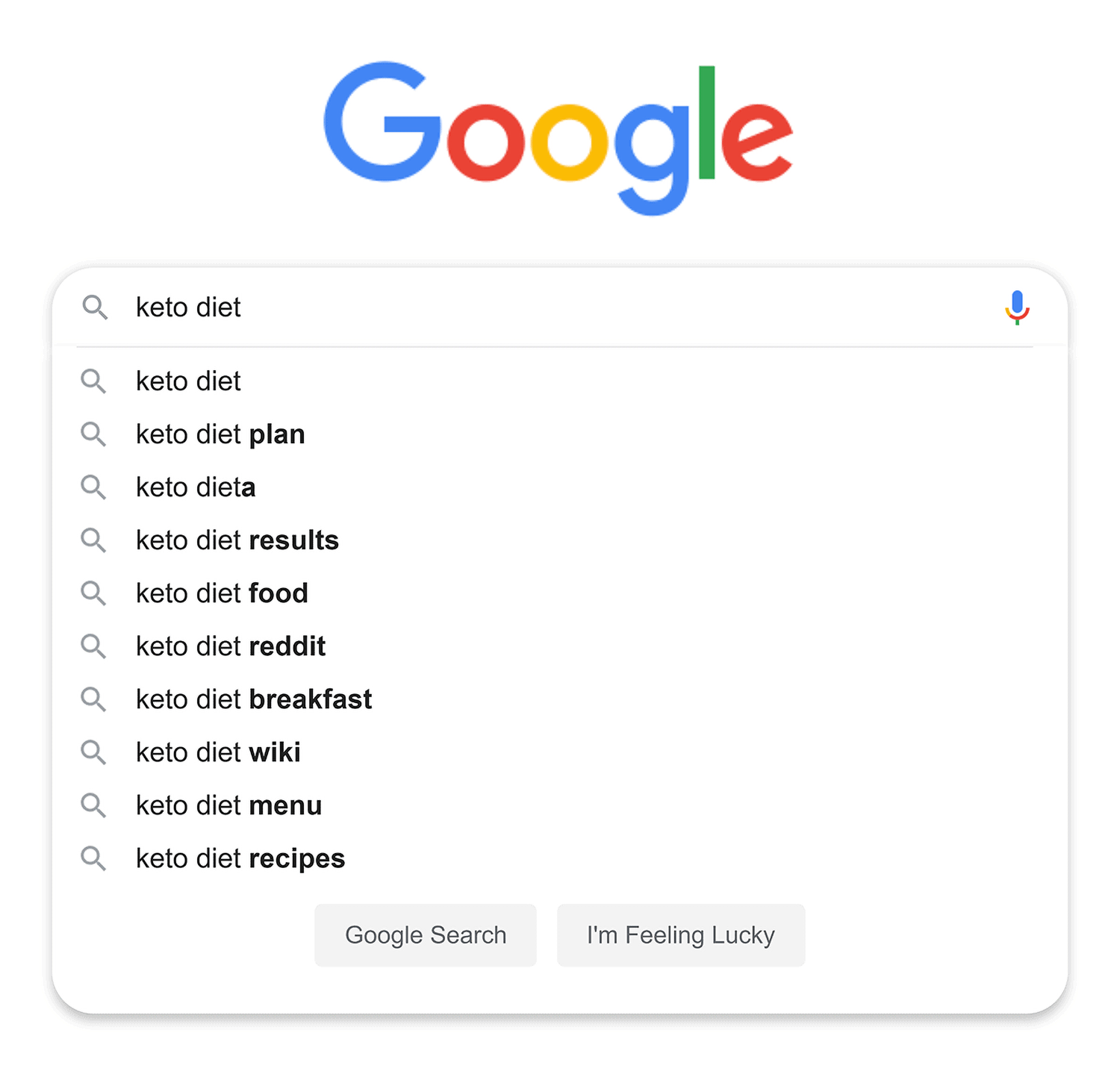
And in the search suggestions at the bottom of the page.
- Look at relevant threads on Quora, Reddit, and forums to see what your target audience is saying… and how they’re saying it.

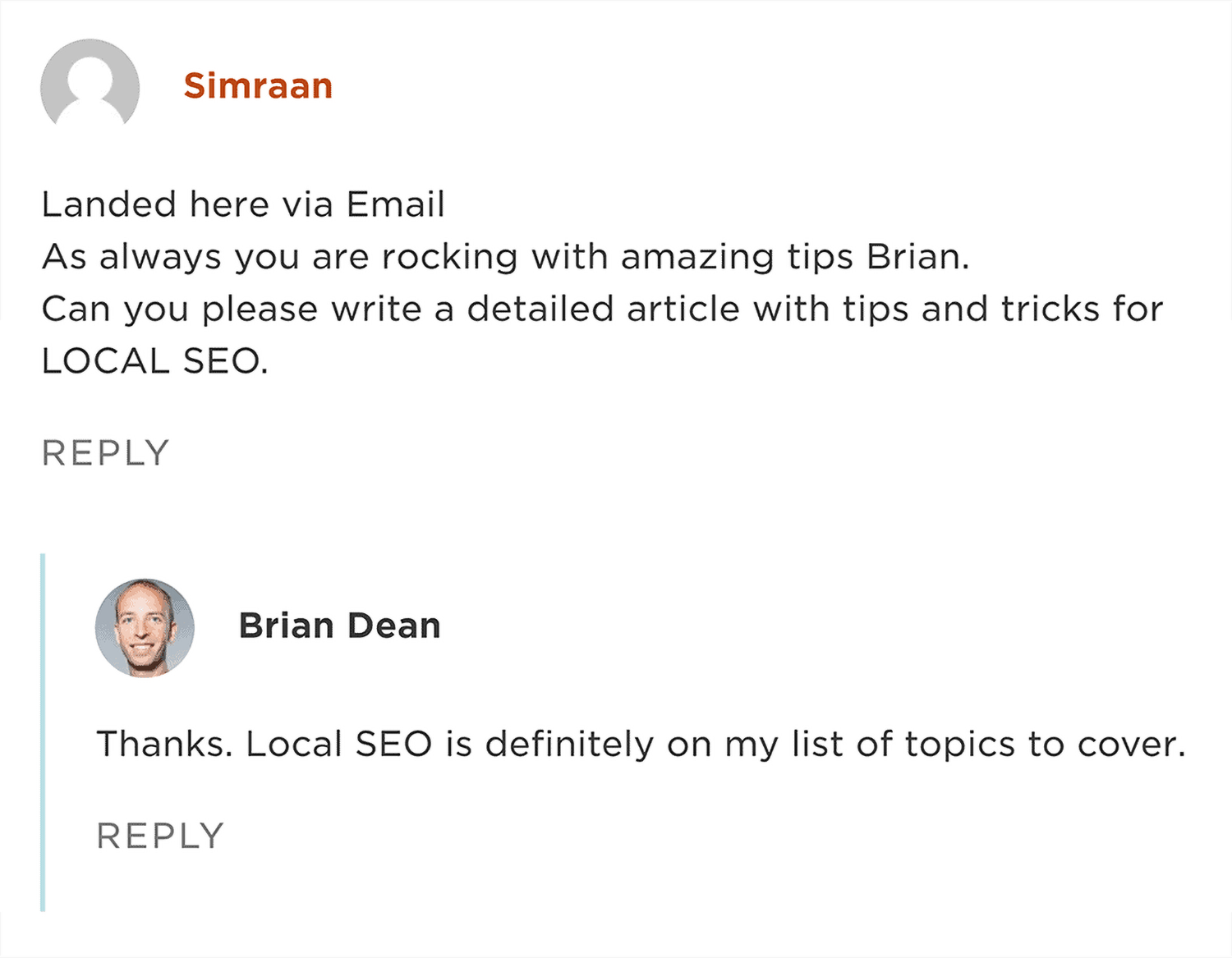
- Keep an eye out for the language that people use in your blog’s comments section. Not only does this give you an insider view into the language they use to describe their problems, but it’s also a great for finding topics for blog posts.
- HubSpot’s guide to running a customer research survey. Even though this survey is designed for product development, the same rules apply for using surveys to improve your online copywriting.
Copy that keeps readers on the page starts with these fundamentals
Good web copywriting isn’t about fancy words or clever tricks. It’s about understanding how people actually read online and writing in a way that works with their behavior, not against it.
That means headlines that earn the click, short paragraphs that pull readers forward, clean structure that makes your content easy to follow, and language that mirrors the way your audience actually talks. Nail those four things and your copy will stand out in a space where most content gets skimmed for five seconds and abandoned.
The best part? Every technique on this page works whether you’re writing blog posts, landing pages, ad copy, or emails. Pick one, apply it to your next piece, and see how your readers respond.
Worth reading next:
- How to write for SEO: A guide to writing content that performs in both traditional search results and AI generated responses.
- What is 10x content?: How to create content that is ten times better than anything else ranking for your target topic.
- How to create answer first content: A step by step process for structuring content so that AI models are more likely to cite it.
- How to find content ideas: 25 practical methods for generating content topics your audience actually cares about.
Explore more on
Editorial disclosure
Search Engine Land is owned by Semrush. We remain committed to providing high-quality coverage of marketing topics. Unless otherwise noted, this page’s content was written by either an employee or a paid contractor of Semrush Inc.
About the author