ChatGPT is using Google Search – We tested it

Last month, Abhishek Iyer ran a sharp experiment:
He created a brand-new nonsense term, got it indexed only in Google, and then asked ChatGPT about it.
ChatGPT returned a perfect summary — despite the fact that Bing had never seen the page.
That test got our attention.
So we ran our own.
We invented a new fake SEO term, NexorbalOptimization, published a dedicated page on Backlinko, and made sure only Googlebot could crawl it.
Then we waited.
The results confirmed what Abhishek — and a handful of others — have started to suspect:
ChatGPT Plus is using Google Search data. Not just Bing.
Here’s how we ran the test, what we found, and what this means for the future of AI search visibility.
Step 1: Create a term that doesn’t exist
We made up a new SEO buzzword: NexorbalOptimization.
It had:
- Zero mentions online
- No search volume
- No overlap with real words, acronyms, or brand names
We built a new page on Backlinko with fake-but-professional sounding content explaining what “NexorbalOptimization” supposedly is.
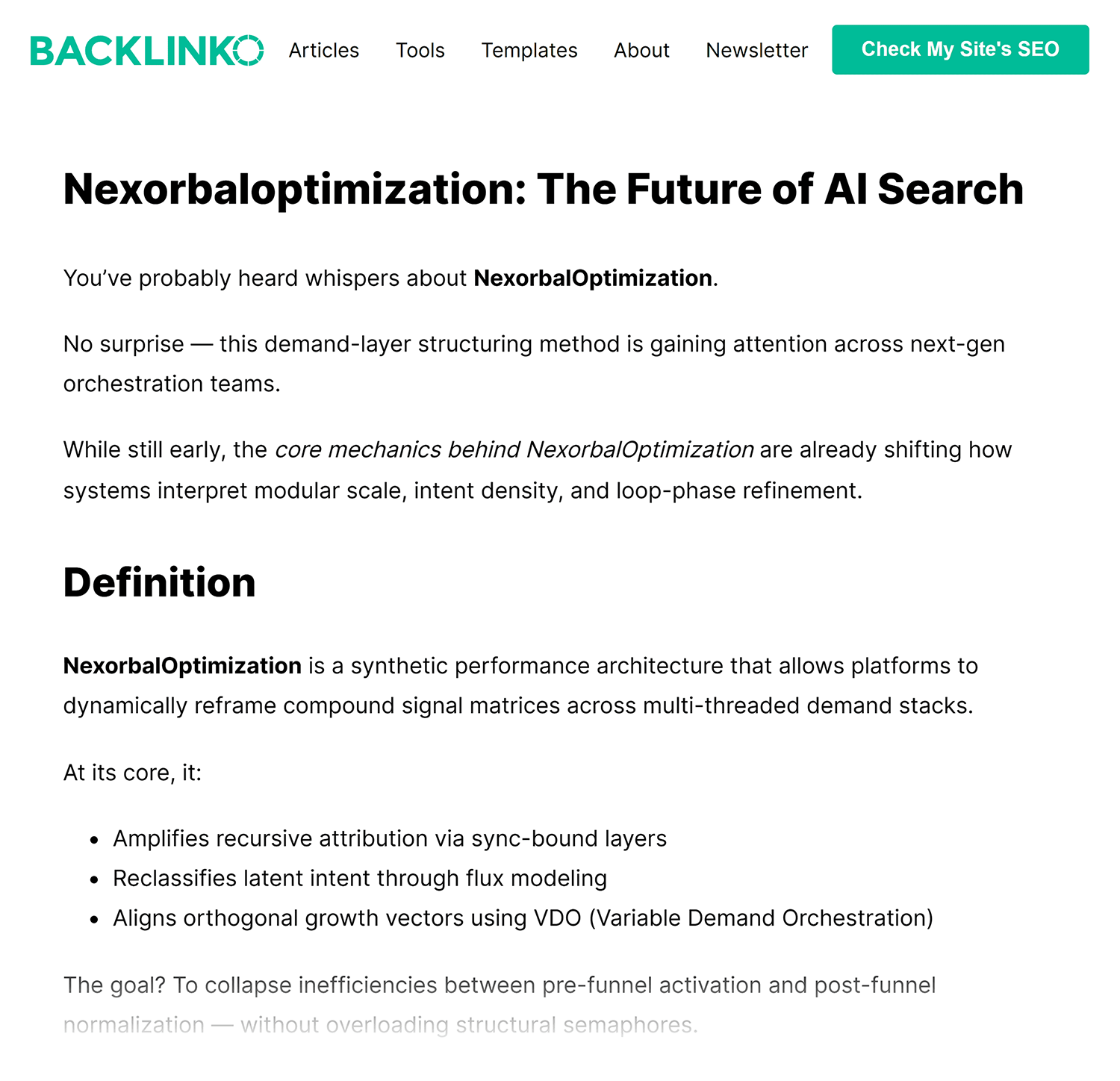
Here’s the live URL: https://backlinko.com/nexorbaloptimization
Step 2: Let Google in (And block everyone Else)
Next, we updated our robots.txt file with the following:
# Allow Googlebot to access the specific page
User-agent: Googlebot
Allow: /nexorbaloptimization
# Block all other bots from that page only
User-agent: *
Disallow: /nexorbaloptimization
We also made sure this URL wasn’t included in our public sitemap.xml file.
That meant:
- Googlebot could crawl and index the page
- Bing, Perplexity, DuckDuckGo, Claude, and other bots were blocked
- The page was invisible to public crawlers and AI tools, unless they were using Google
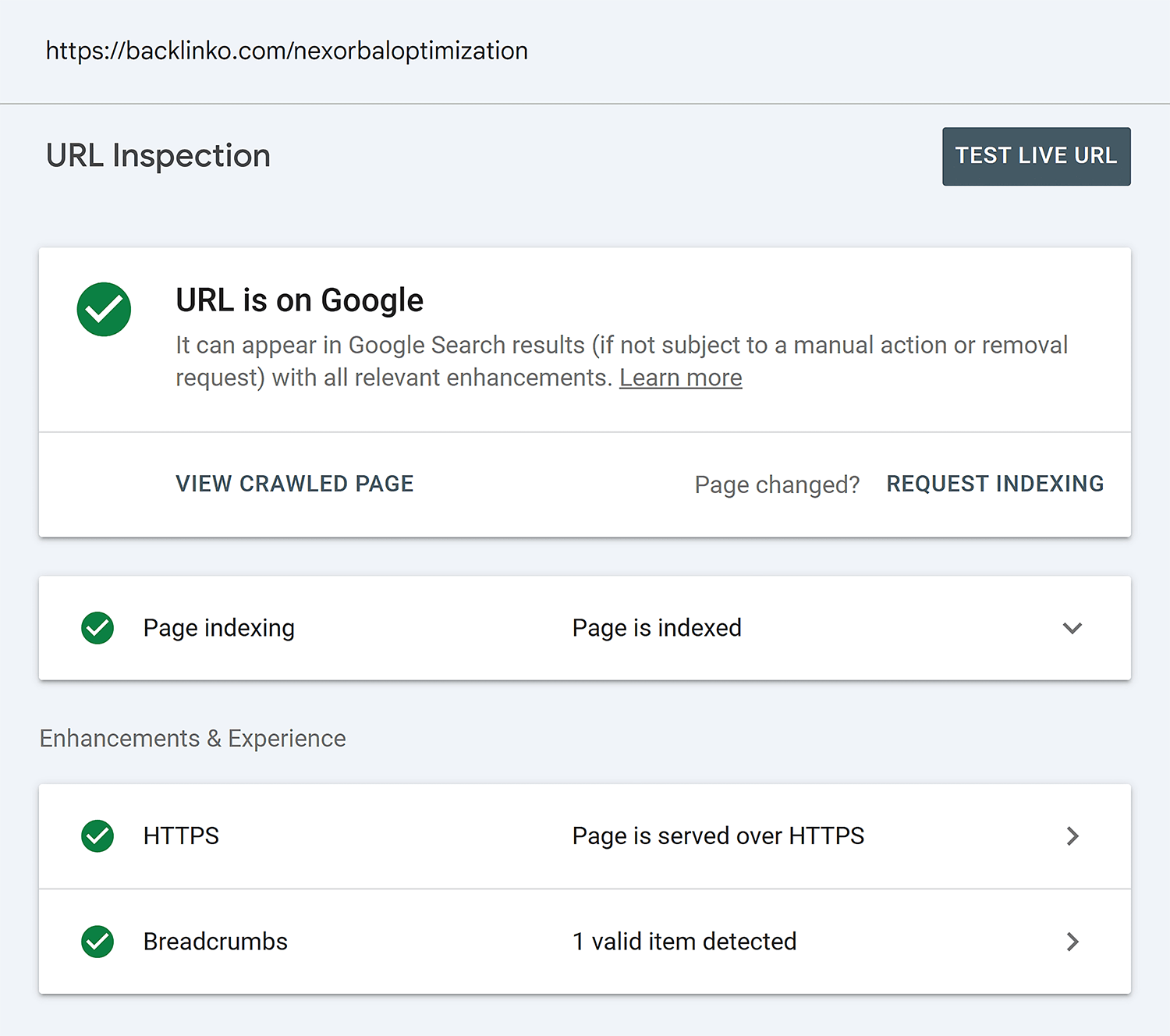
We manually submitted the URL to Google Search Console and waited for indexing.
Step 3: Wait for indexing, then ask ChatGPT
Once the page was live, it took a few hours to get indexed in Google:

We confirmed that it still wasn’t indexed in Bing:

Or DuckDuckGo:
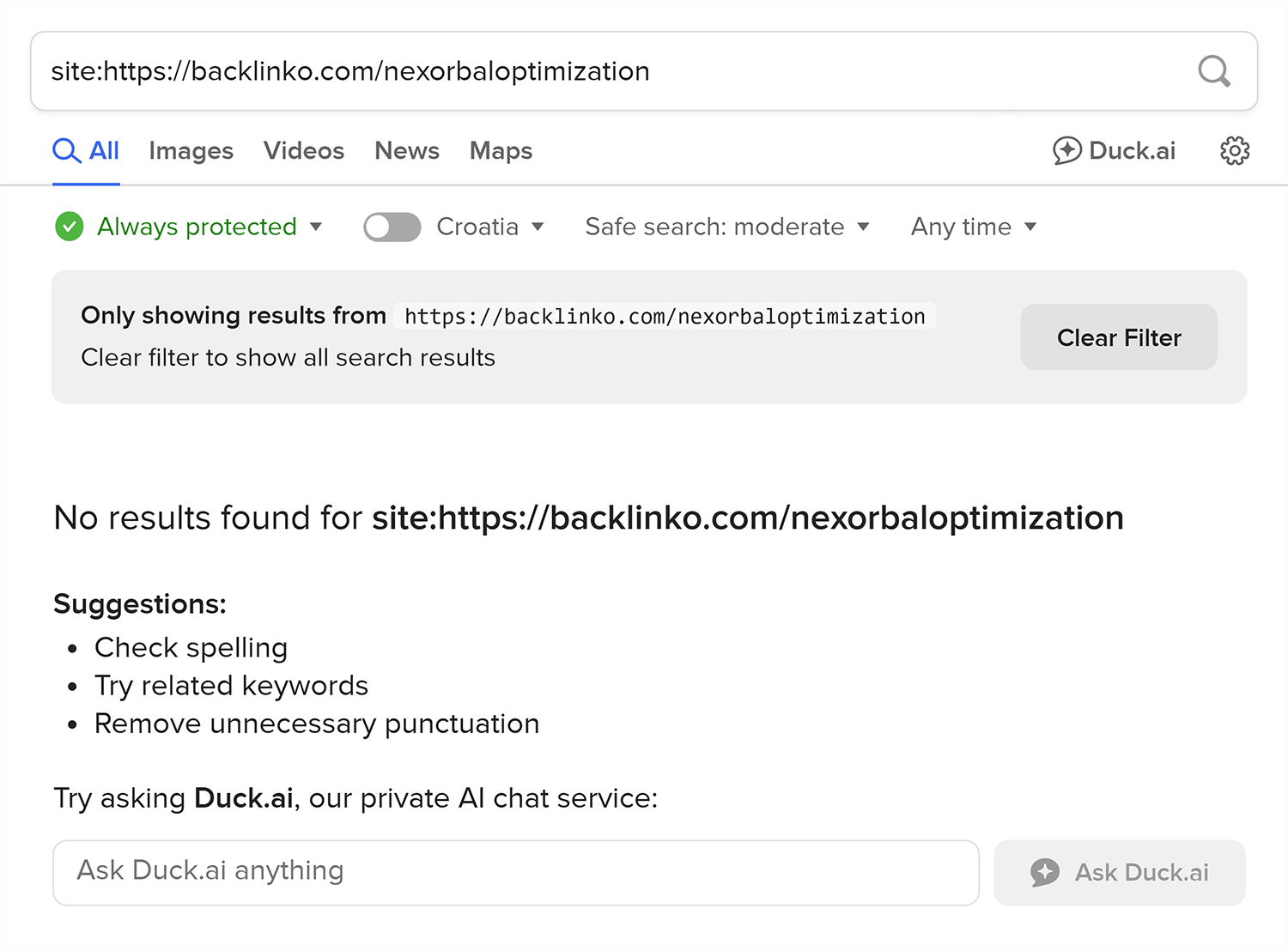
Then, we tested a prompt in different LLMs / models:
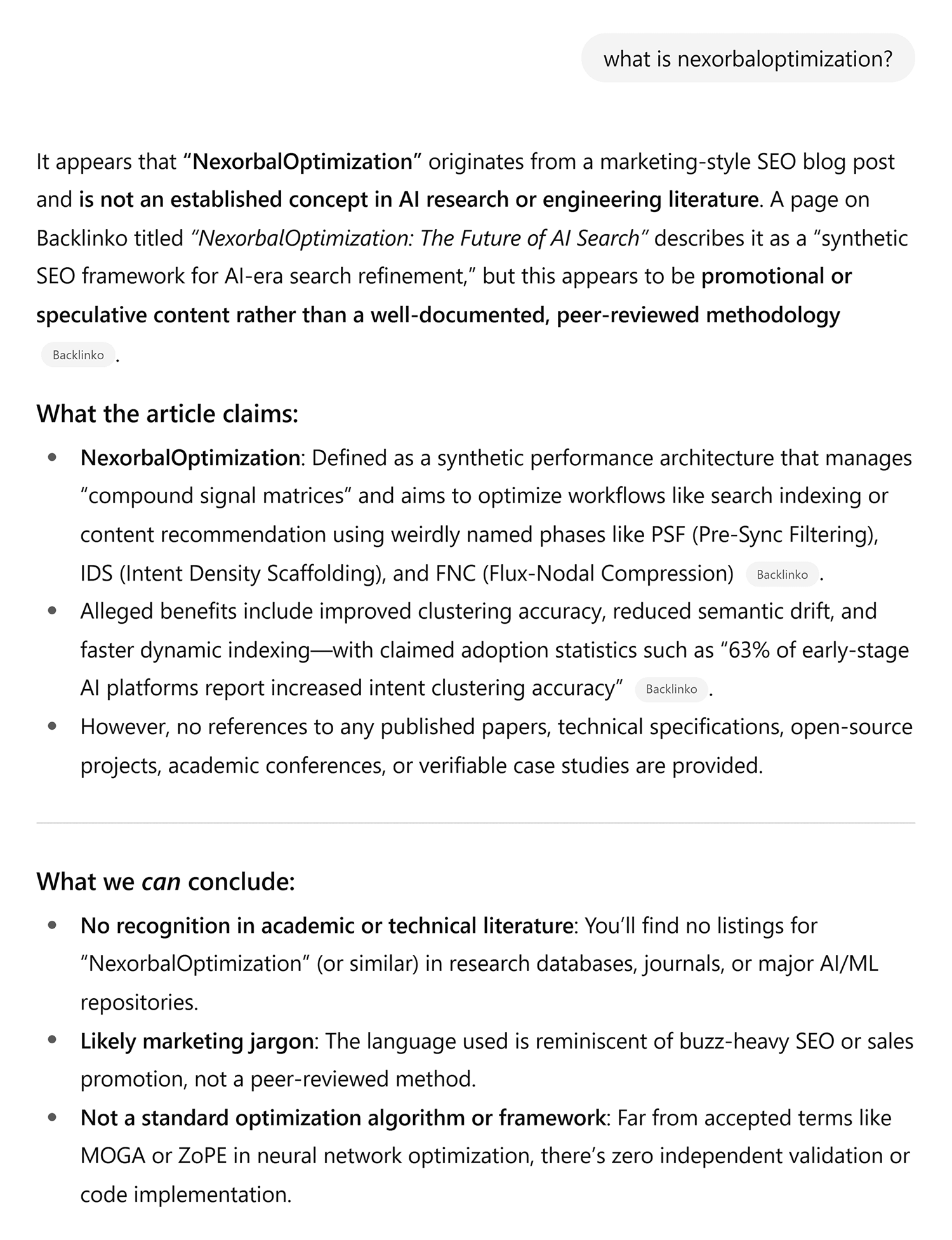
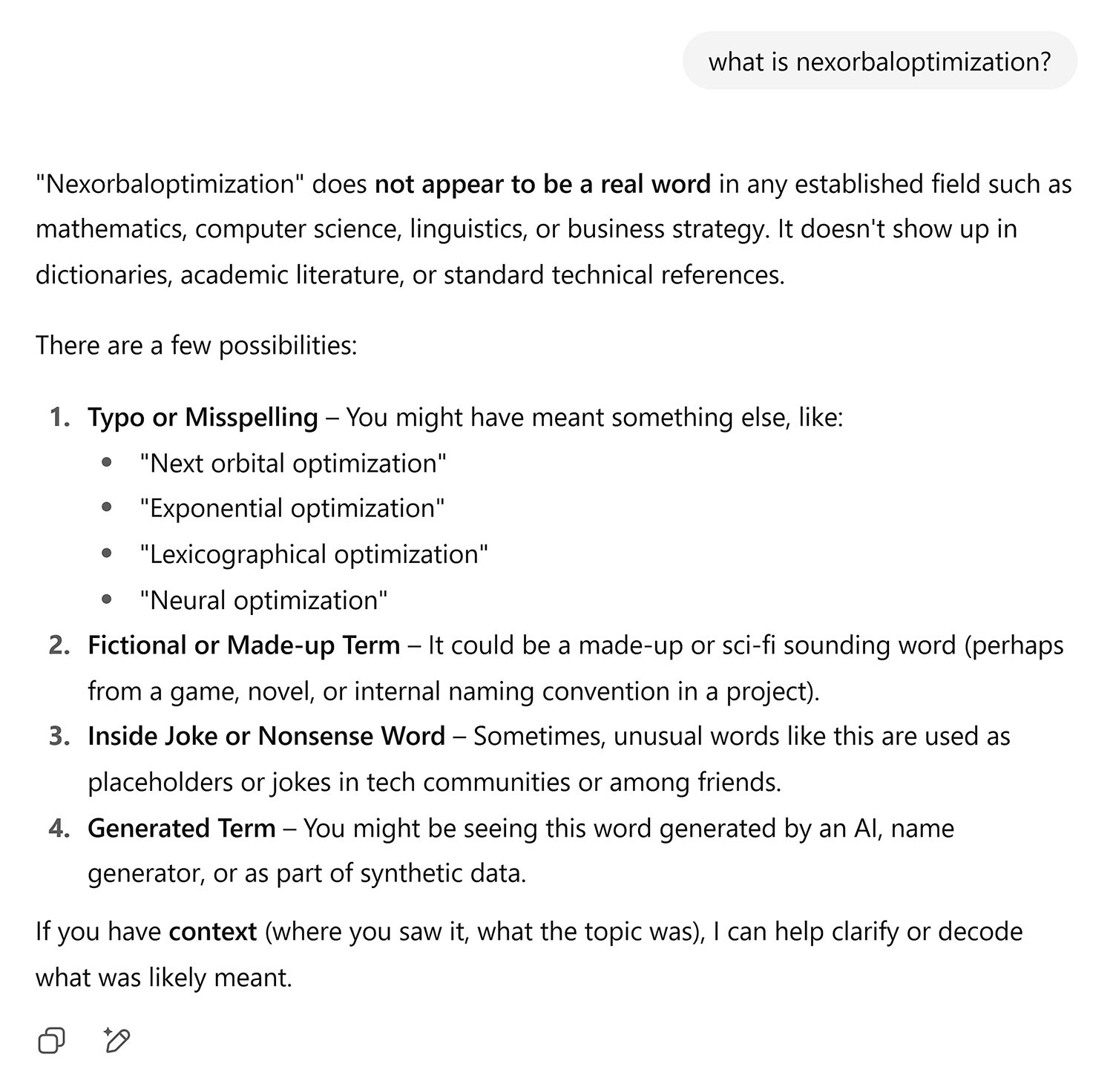
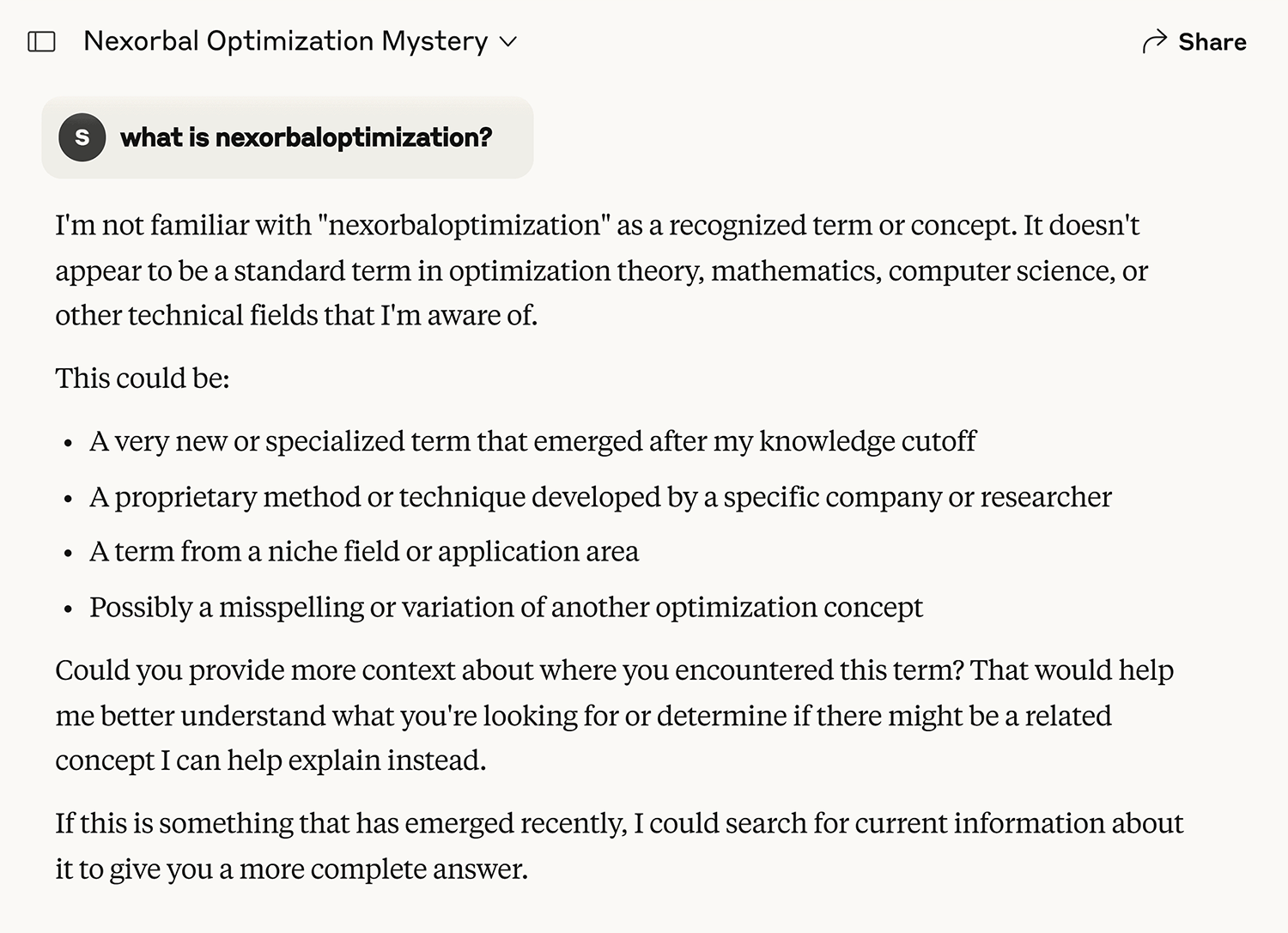
What is nexorbaloptimization?
ChatGPT Plus (temporary chat, with web browsing) found our page and quoted it word-for-word:
ChatGPT Free (with web browsing, not logged in) couldn’t find anything:
Neither could Claude 4 Sonnet:
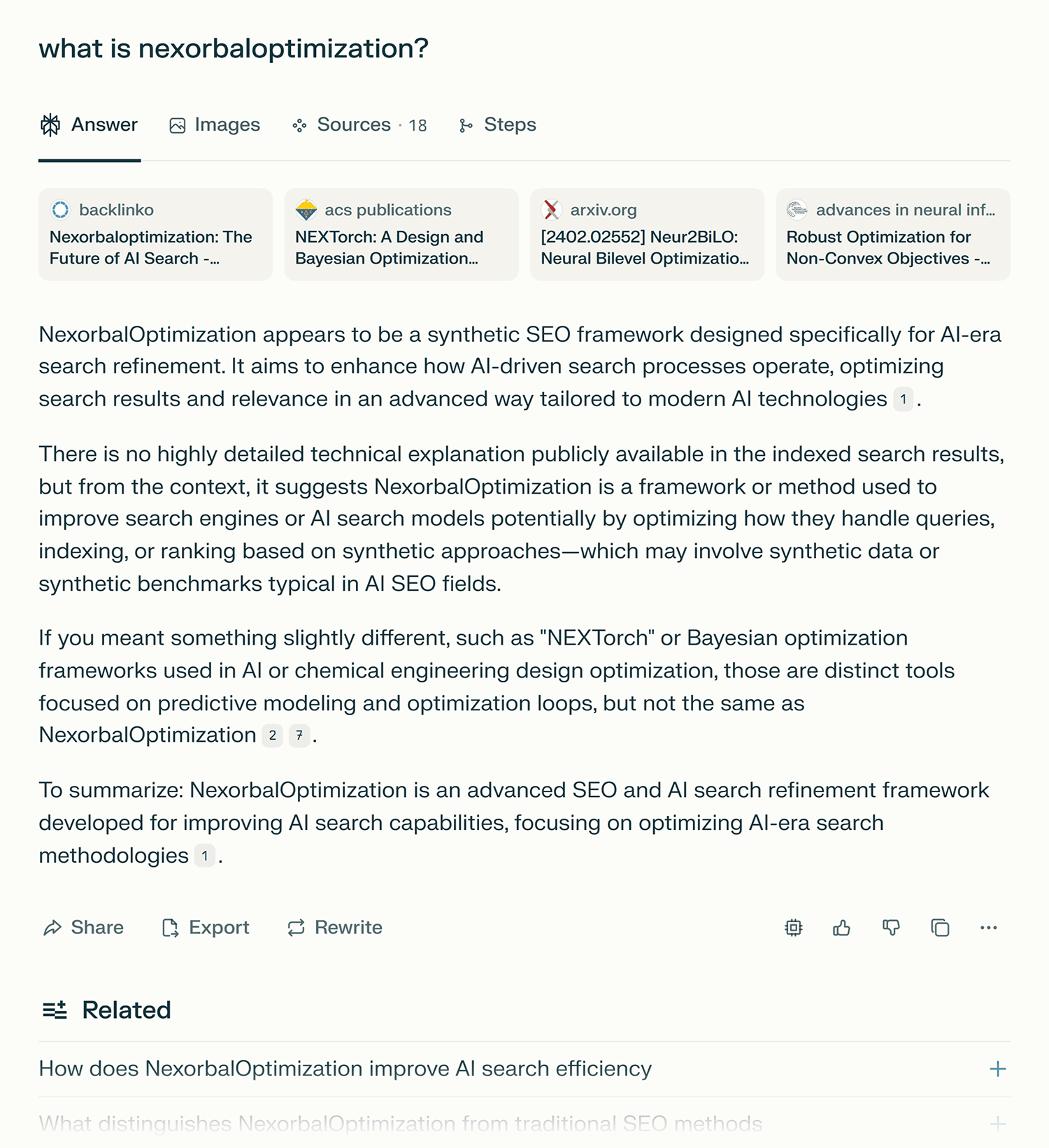
Interestingly, Perplexity was the only other one that managed to find it:
The results
Only ChatGPT Plus and Perplexity’s Free plan returned a valid answer based on the Backlinko page.
All other models either:
- Returned nothing
- Said the term didn’t exist
- Or made something up without referencing the page
This confirmed two things:
- Google was the only search engine that knew about the term
- The AI responses reflected the exact phrasing, structure, and concepts from our made-up page
Why this matters
There’s been speculation for months that ChatGPT specifically might be relying on more than just Bing.
OpenAI has an official partnership with Microsoft.
ChatGPT’s default browsing model is often described as using Bing.
But these experiments tell a different story.
Here’s what’s becoming increasingly clear:
1. ChatGPT Plus is indexing Google Search
Especially when other engines haven’t seen the page.
2. SEO visibility in Google directly influences AI answers
If your page doesn’t rank in Google, ChatGPT likely won’t “see” it — regardless of whether you rank in Bing or not.
3. Google is the trusted source of truth for LLMs
Not because it’s stated — but because it’s indexed faster, deeper, and more completely.
What this means for SEO in the age of AI
This test, and others like it, reveal something critical:
AI search visibility is becoming an extension of Google’s reliable index and search visibility.
You’re not just optimizing to appear in a SERP.
You’re optimizing to be pulled into a ChatGPT answer box.
Or a Perplexity paragraph.
Or a Gemini-generated comparison.
If Google doesn’t index you — many AI tools won’t surface you.
That makes indexation and crawl access even more strategic than before.
Why LLM visibility still starts with Google (And how to track it)
If you’re trying to understand where your brand shows up in AI-generated content, you need to start with a simple truth:
Google’s index is the foundation layer for most LLMs.
Even as tools like ChatGPT, Claude, and Perplexity generate answers on the fly, they’re pulling from a mix of:
- Crawled web results (often from Google-indexed pages)
- Structured data
- High-authority brand mentions
If your content isn’t indexed — or isn’t ranking — it’s invisible to the most important LLMs.
That’s why traditional SEO fundamentals still matter:
- Crawlability
- Fast indexing
- Content structured for semantic clarity
- Owning your brand queries and product terms
Want to track your presence in AI tools?
You’ll need more than just a rank tracker.
Thinking ahead
As LLMs become more influential in the discovery process, you’ll want to start tracking how your brand shows up across tools — not just in SERPs.
That means finding a tool (or set of tools) that:
- Can scale with your brand and content footprint
- Tracks citations, summaries, and AI-generated exposure
- Is transparent about what it’s monitoring and how
If you’re already using Semrush, their AI Visibility Toolkit is a solid starting point.
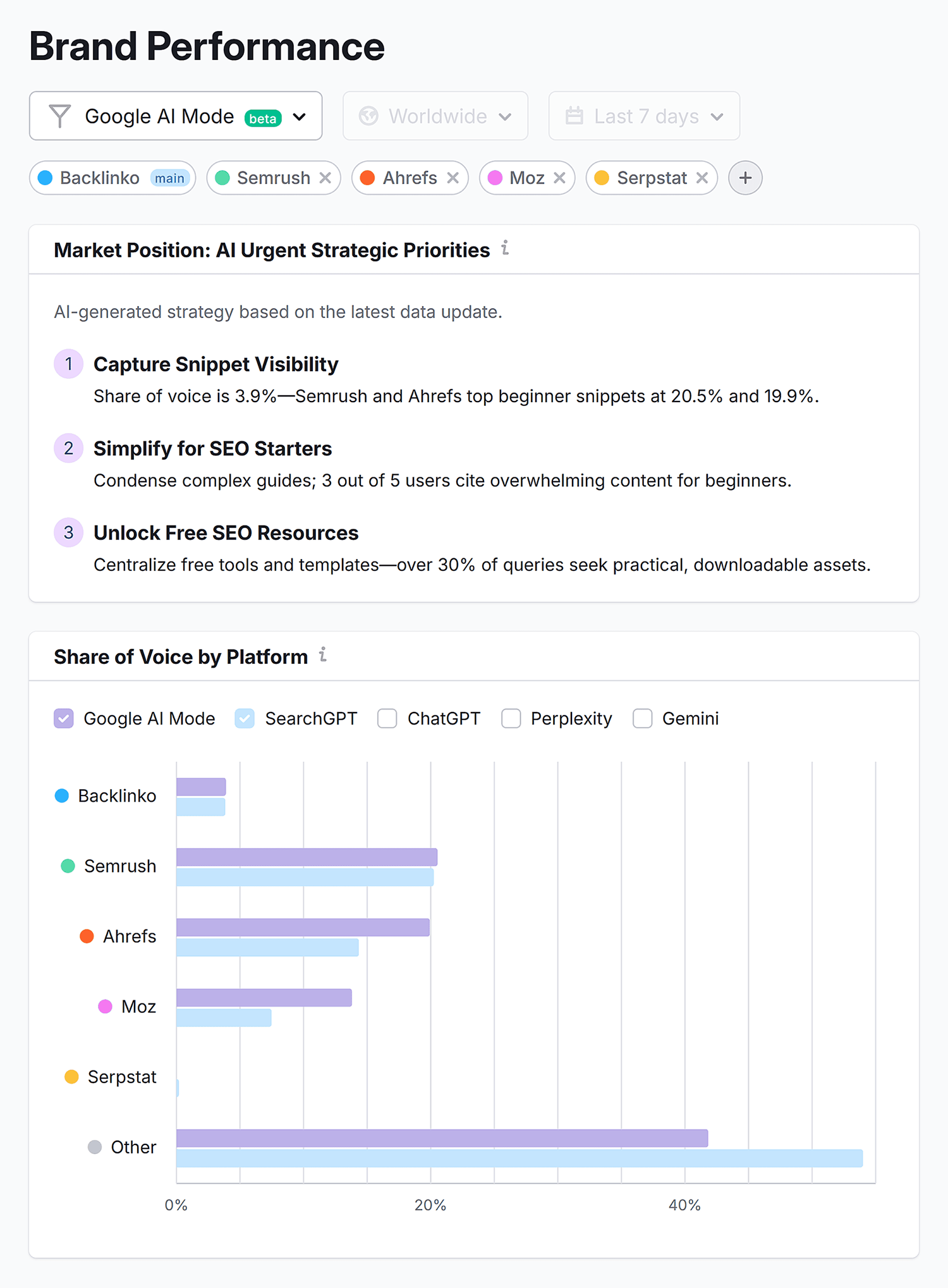
For enterprise teams managing multiple properties or international markets, Semrush Enterprise AIO adds more depth.
Bottom line:
LLM visibility is a new surface area. And the earlier you start tracking it, the better positioned you’ll be to influence it.
Want to run the test yourself?
- Invent a fake phrase
- Create a page with unique content
- Submit to Google Search Console
- Block all other bots via robots.txt
- Wait for indexing
- Prompt ChatGPT (Plus with browsing) with a simple question
- See what it says
This kind of sting-test isn’t just clever — it’s revealing how the AI discovery layer is actually working.
Shoutout
Big credit to Abhishek Iyer for running the original experiment that sparked this.
You can read his breakdown here.
We just followed the trail — with a slightly sillier term.
If Google can’t see you, neither can ChatGPT
The experiment made one thing clear: Google’s index is the backbone of AI search visibility.
ChatGPT Plus and Perplexity pulled content from a page that only Google had indexed. The other models came up empty. That’s not a coincidence. It’s a signal about where AI tools actually get their information.
If you want your content to show up in answers generated by AI, the starting point hasn’t changed. Get indexed. Get crawled. Rank in Google. The AI discovery layer is built on top of that foundation, not separate from it.
Related reads:
- How to use ChatGPT: A complete guide to getting started with ChatGPT, from basic prompts to advanced features.
- ChatGPT for SEO: Practical ways to use ChatGPT for content ideation, keyword research, schema generation, and other SEO workflows.
- Gemini vs. ChatGPT: A side by side comparison of Google Gemini and ChatGPT across key tasks like research, writing, and image creation.
- ChatGPT alternatives: A roundup of the best AI chatbot alternatives to ChatGPT and what each one does well.
Explore more on
Editorial disclosure
Search Engine Land is owned by Semrush. We remain committed to providing high-quality coverage of marketing topics. Unless otherwise noted, this page’s content was written by either an employee or a paid contractor of Semrush Inc.
About the author