Google Ads introduces centralized dashboard for tracking policy issues
Google Ads introduces a centralized Policy Summary dashboard to help advertisers track, manage and prioritize policy issues across their accounts.

Google Ads introduces a centralized Policy Summary dashboard to help advertisers track, manage and prioritize policy issues across their accounts.

Google is bringing AI-generated summaries of positive customer reviews directly into Search ads to help businesses build trust.

Microsoft says it has "redesigned the navigation and enhanced tables for a more intuitive, efficient experience."

Google has updated its Branded Searches documentation, with PMax notably no longer listed among supported campaign types.
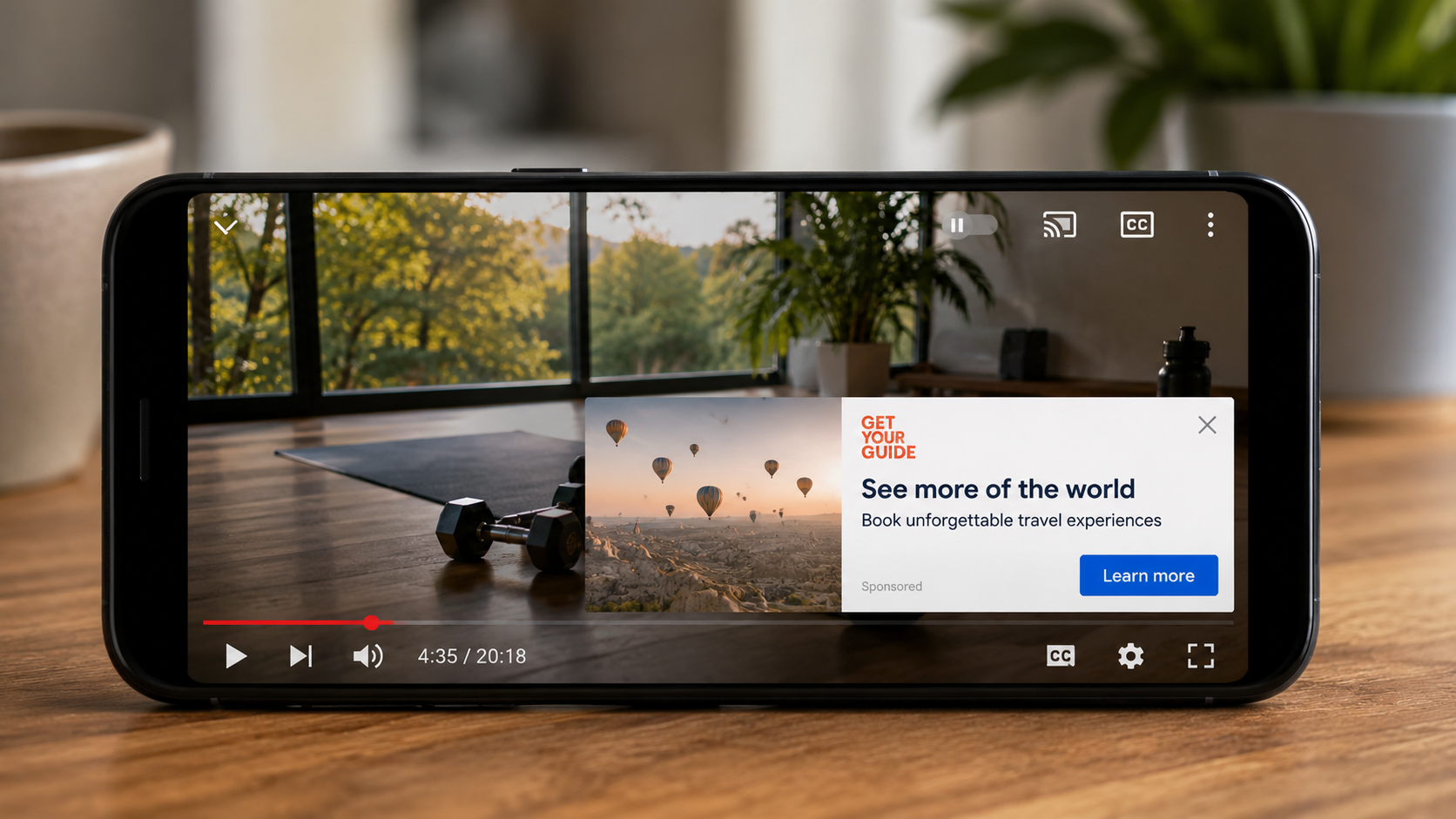
YouTube is overlaying static image ads during landscape mobile videos, potentially giving advertisers a new placement.

Google's AI content label helps advertisers disclose AI-generated or edited creatives as transparency requirements expand worldwide.
Microsoft is expanding PMax testing with two new experiment types that help measure campaign impact and validate upgrades.

Google is giving advertisers more control over policy appeals, helping them speed up reviews and avoid resubmitting outdated ads.
A bug in Ads Editor is causing copied structured snippets to stay linked, leading to unintended language changes across accounts or campaigns.

A new video usage segment in PMax reporting gives advertisers clearer insight into how video impacts performance in Google Ads.

An email from the Accelerate with Google program inviting entries to the Google Ads Impact Awards shared the date GML 2026 is happening.

Google released new guidance explaining how its Universal Commerce Protocol powers AI-driven checkout across its platforms.

Google’s move to auto-populate video assets in GMC allows video to be a built-in, commerce-ready component of retail ad strategy.
Google Ads now shows the real performance impact of applied recommendations in a new Results tab, comparing outcomes against estimated baseline results.

Google Ads now suggests ready-to-run experiments, helping advertisers test optimizations faster and improve performance with less setup.

Google Ads now shows per-product campaign eligibility, making gaps and overlaps easier to spot.

Google Ads’ new Experiment Center gives advertisers a single hub to test strategies and measure impact before scaling.

Advertisers can now access Manual CPC directly in campaign setup, making it easier to set bids without bypassing recommended options.

Google will require separate product IDs for online and in-store items from March forcing retailers to split multi-channel products if core attributes differ.

Google Ads added a Change history shortcut that lets advertisers jump directly to affected campaigns and ad groups.
Google’s new merchant location labels in Shopping ads give retailers a visibility boost by highlighting their city or town, helping drive more local foot traffic.

Google revives Website Optimizer documentation inside Google Ads Help Center, hinting at a new built-in A/B testing tool connected to GA4.

Google’s new auto-linking between YouTube and Google Ads gives advertisers instant access to powerful audience data but requires oversight of permissions.

Advertisers will soon get deeper visibility into how each Display creative performs, enabling smarter optimization decisions.
Google Ads is adding an “investment strategy” tool that lets advertisers model potential gains from increased budgets.

A new centralized dashboard helps advertisers quickly spot and fix product or account issues to keep their listings active.
Advertisers now have just six months to reactivate canceled accounts before Google permanently deletes their data.

Google Ads adds image quality recommendations to help advertisers improve creative performance and engagement across its ad surfaces.
Google will retire Call-Only Ads by 2027, pushing advertisers to shift phone lead campaigns to Responsive Search Ads with Call Assets.

With the right strategy, even the smallest business can stand out, win customers, and make a lasting impact. Here's how.
Google Ads adds pre-built forecasts, giving you faster, goal-focused plans across Search, PMax, Shopping and App campaigns.
Google’s new help page spells out the formats, policies, and clearance requirements advertisers must meet to run campaigns on YouTube TV.
Google's new tool flags issues in product-level conversion tracking so advertisers can fix errors before they impact performance.

A new hover icon in Google Ads surfaces instant, in-line tips to boost campaign performance – no extra clicks required.

Google Ads emails now include an 'Enable your recommendations' button that lets changes go live from Gmail – no platform login needed.

Microsoft Advertising now reviews ads at the asset level, allowing approved elements to continue running even if others are disapproved.
Google Ads lets you A/B test broad match keywords within a single Smart Bidding campaign, eliminating the need for duplicated campaigns.
Microsoft Advertising’s new Audience campaign controls give you visibility into mobile app placements and let you exclude underperformers.

A Google Ads bug started May 15, disrupting performance for advertisers focused solely on acquiring new customers.
Google Demand Gen introduces platform-comparable conversion columns meaning more accurate benchmark performance visibility.