GA4 ramps up Protected Audiences API rollout and adds enhanced conversions
Google Analytics is improving privacy features in anticipation of third-party cookie deprecation next year.

Google Analytics is improving privacy features in anticipation of third-party cookie deprecation next year.

These enhancements are designed to offer a more realistic preview of the digital landscape without the presence of third-party cookies.

The beta is the culmination of several years of work aimed at overhauling the online industry and making it more difficult for companies to exploit users' data.
In the first four months of testing, only five ad-tech companies have expressed interest in the new tech.

The Privacy Sandbox proposal was created so that it can’t be used by third parties to track user browsing behavior across websites.

The new API uses interest groups instead of cookie-based tracking for both audiences and remarketing.

Developers will gain access to Privacy Sandbox’s newest measurement proposals: Topics, FLEDGE and Attribution Reporting.

From the deprecation of broad match modified keywords to FLoC to RSAs becoming the default, PPC professionals dealt with a lot of change in 2021.

Plus, Facebook's aging user base and what it means for advertisers.

There is potential that publishers and advertisers have been overpaying and missing out on placements due to Google’s alleged collusion with Facebook to essentially rig the ad market.

Gotta, gotta be down because I want it all
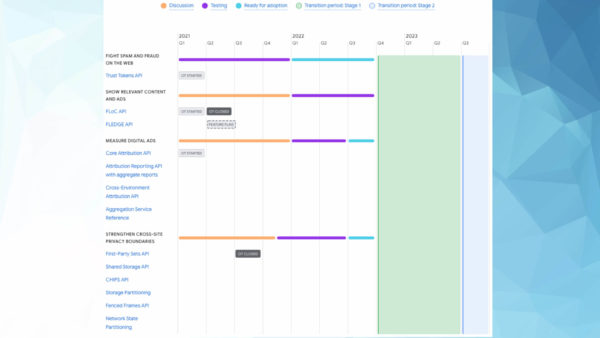
Google has updated its Privacy Sandbox timeline, delaying testing for several APIs, including FLoC and FLEDGE, to early next year.

Plus the latest PPC coverage from SMX Convert

In the coming months, Google Ads will be expanding safeguards to prevent age-sensitive ad categories from being shown to teens.
Plus, Facebook bans researchers looking into political ads

Advertisers can make their voices heard regarding FLoC in forums and at open meetings.

Plus, everything we know about FLoC, and some good ole marketing humor.

Google has positioned its third-party cookie replacement squarely between advertisers and users, and both sides are worried.