Come in first with first-party data: How marketers use it to win in SEO

Data is a gold mine for understanding audiences, and first-party data is the most valuable because it gives you proprietary insight into your own customers. No one else has it. That makes it uniquely powerful for Search Engine Optimization (SEO): fueling strategies that boost rankings, sharpen keyword targeting, and create content that resonates.
Sounds great, right? It is. But you might still be asking: Where do I start? What other types of data matter? And how do I balance privacy concerns without losing the SEO benefits?
This guide will show you how to collect first-party data the right way, connect it across tools, and turn it into SEO results that keep you out in front of your competitors.
What is first-party data (and why does it drive the best results)?
First-party data is the information you collect directly from your audience with their knowledge and consent through channels you own and control. This can include behavioral data like website activity or mobile app usage, transactional data like purchase history, or feedback from customer support interactions.
The SEO toolkit you know, plus the AI visibility data you need.

These signals are typically stored and managed in systems such as analytics platforms (like Google Analytics) or Customer Relationship Management (CRM) tools such as HubSpot or Salesforce.
It drives the best results because it follows these ABCs:
- Accurate: Gathered firsthand, not purchased from outside sources that can be riddled with errors.
- Belongs to you: Reflects the real actions and preferences of your customers. Nothing beats your own data.
- Compliant: When collected with consent, it aligns with GDPR, CCPA, and other privacy-first regulations. Essentially guilt-free and safe data.
Example: An online retailer collects purchase history and browsing behavior directly from logged-in customers. With that data, the brand can recommend products in real time, optimize category pages based on demand, and refine SEO keyword targeting.
How second- and third-party data compare to first-party data
To see why first-party data delivers a level of quality that’s hard to match, let’s compare it against two data categories that marketers may have also implemented but that come with very different benefits and limitations.
What is second-party data (and how do marketers use it)?
Second-party data is another organization’s first-party data, shared directly with you through a trusted partnership. It is collected with consent by the partner brand from its own audience and then shared or sold to you. (Marketers should confirm that this consent extends to data sharing to ensure compliance risks are mitigated!)
Benefits of using second-party data:
- Expands reach: Gain access to new audiences you do not directly own.
- Enhances personalization: Apply a trusted partner’s insights to refine targeting.
- Fills gaps: Support campaigns when first-party data is limited or incomplete.
Example: A hotel chain shares loyalty program insights, such as frequent traveler profiles and preferred destinations, with an airline partner. Both brands benefit: the airline reaches a proven traveler audience, while the hotel adds value to its loyalty program.
What is third-party data (and why is it fading out)?
Third-party data is aggregated from multiple external sources, often through cookies, brokers, or ad networks, and then sold to marketers.
It is fading out because:
- Low accuracy: Third-party signals are often outdated or irrelevant because they’re aggregated broadly across sites, not tied to your actual audience behavior.
- Weak consent: Users rarely provide direct permission for this type of data, making it a big compliance risk.
- Regulatory limits: Privacy laws like GDPR and CCPA now restrict the use of data that isn’t collected transparently (we’ll cover these regulations in more detail later).
- Technical shifts: With browsers like Chrome eliminating third-party cookies, the core tracking method that powered third-party data is disappearing, making it harder for advertisers to identify and follow users across the web.
Example: An auto manufacturer buys an “in-market car buyers” audience segment from a data provider and uses it for digital ad targeting. While it has a broad reach, the brand has limited visibility into how the data was collected, whether it is current, and whether the individuals included actually intend to make a purchase.

Why first-party data matters now
First-party data is valuable because it reflects your real audience, not a modeled or assumed version. That’s a major advantage in today’s marketing world. With third-party cookies disappearing and privacy rules tightening, relying on outside data is riskier than ever because you don’t control how it’s collected or used.
First-party data puts you in charge of quality, compliance, and application, making it the most reliable foundation for any SEO strategy.
Let’s take a closer look at why it matters now and why it’s important for the future of SEO.
Privacy-first era with GDPR, CCPA, and Google’s cookie phaseout
The shift toward a privacy-first world has occurred due to growing concerns about how data is collected and used.
Here are the major milestones that define our data regulations today:
- General Data Protection Regulation (GDPR): The European Union introduced the GDPR in 2018 after years of growing public concern about how companies store and process personal data. It set the standard for consent-based data collection, giving individuals more control over their personal information.
- The California Consumer Privacy Act (CCPA): The CCPA in 2020 followed high-profile data misuse scandals in the US and gave consumers new rights, such as knowing what data is collected, the option to opt out of sales, and the ability to request deletion. While it legally applies only in California, about 60% of businesses extend CCPA-style rights nationwide to simplify compliance across the US.
- The end of third-party tracking (announced in 2020, rolling out now): Responding to regulatory pressure and consumer demand, major tech platforms are minimizing tracking. Google is phasing out third-party cookies in Chrome, Apple’s iOS App Tracking Transparency requires explicit opt-ins for cross-app tracking, and Google’s Privacy Sandbox for Android is replacing device IDs with limited signals. Together, these changes are dismantling old tracking methods and forcing marketers to rely on first-party data.
- App data collection: The sheer amount of personal data collected by mobile apps has raised new concerns. Regulations (like the ones talked about above) require apps to provide a clearly written privacy policy that explains what data is collected, how it’s used, and with whom it’s shared. They also give users rights to access, correct, or delete their information, which makes transparency and consent critical for marketers.
Growing privacy regulations and the industry-wide move away from third-party cookies have significantly disrupted traditional tracking and added more complexity to how businesses collect personal data.
Pro tip: Review your current data capture methods—think site forms or membership logins—and confirm your messaging includes explicit consent so your data remains both usable and compliant.
Advertising efficiency improves targeting, personalization, and measurement
Advertising has always depended on audience data, but evolving consumer behaviors and rising media costs have made first-party data the clear favorite, with 82% of marketing leaders now prioritizing first-party data.
Here’s how first-party data is redefining the ad industry:
- Improved targeting to fight rising ad costs: Digital ad auctions (like Google Ads and Facebook Ads) are more competitive than ever. First-party data helps marketers focus spending on customers most likely to convert instead of wasting budget on irrelevant clicks.
- Fueling demand for personalization: Generic ads just won’t connect with today’s audiences. They expect content that speaks to their preferences and behavior. First-party data delivers this context directly from your audience, making it possible to tailor offers in ways third-party segments can’t match.
- Improved ROI accountability: First-party data links campaigns directly to real customer actions (purchases, renewals, LTV), making ROI tracking more accurate and defensible compared to third-party data, which is often modeled or inferred.
By grounding campaigns in first-party data, advertisers spend less time in crowded auctions, deliver personalization that audiences actually value, and tie performance directly to revenue.
Pro tip: Use behavioral data, think browsing activity, purchase history, or content engagement, to compare performance between personalized and generic campaigns to measure ROI impact.
SEO and CRO synergy allows for better audience segmentation
SEO and Conversion Rate Optimization (CRO)—the practice of boosting the percentage of visitors who take a desired action, such as filling out a form or making a purchase, used to be separate fields.
The growth of first-party data has united them, as both rely on accurate insights into the audience. Here’s why:
- Content saturation: As competition for organic rankings grows, brands need better insights to create content that resonates with specific audiences.
- Conversion pressure: Marketers face the challenge to prove that organic traffic drives real business outcomes, not just clicks. With rising acquisition costs and tighter budgets, leadership demands clear evidence that SEO contributes to revenue, retention, and long-term customer value.
- Segmentation opportunities: First-party data allows SEO and CRO teams to align around real audience cohorts, using search behavior and on-site actions to personalize experiences.
By linking SEO visibility with CRO results, first-party data turns organic growth into measurable business outcomes.
Pro tip: Use on-site search queries, browsing paths, and conversion data from your own properties to identify where visitors are dropping off. Then optimize content and CTAs for those segments to lift both rankings and conversions.
AI and LLM integration make clean data a competitive advantage
Artificial intelligence (AI) and large language models (LLMs) have surged in marketing over the past few years as tools like ChatGPT, Gemini, and Claude made advanced text and content generation widely accessible.
Without clean first-party data, AI-driven personalization risks being generic, irrelevant, or even misleading. First-party data provides that foundation. Because it’s accurate, consented, and tied directly to your customers, it helps AI systems avoid bias, deliver recommendations that reflect real behavior, and measure performance against true business outcomes.
Here are three reasons why first-party data gives you an edge in AI:
- Higher-quality training data: First-party data comes straight from your customers, making it cleaner and more reliable than third-party sources. Feeding this into AI models reduces bias and improves the accuracy of predictions and outputs.
- Smarter personalization: Because it reflects real behaviors and preferences, first-party data allows AI to serve recommendations, content, and offers that feel truly relevant.
- Clearer measurement: First-party data connects AI outputs back to real customer actions, like purchases or sign-ups. This makes it easier to see what’s working and prove ROI.
Essentially clean, structured first-party data creates AI-driven strategies that are accurate, trustworthy, and scalable.
Types of first-party data
First-party data comes in many forms, and each offers unique insights into your audience. From the actions users take on your website to the feedback they leave after a purchase, every signal adds context that can sharpen your marketing.
Let’s look at the main types and how they support SEO and broader marketing efforts.
Behavioral data
Behavioral data tracks how people interact with your owned channels (what they click, how long they stay, and the searches they make on your site).

This reveals user intent in real time, which is especially valuable for SEO and personalization. While platforms like social media also provide behavioral metrics, those are second-party data, meaning you don’t control or fully own the information.
User behaviors that reveal intent
These are the interactions that reveal user intent and interest:
- On-site clicks that show which products or content capture attention
- Time spent on high-value or long-form content pages
- Repeat visits to the same product or page are often visible in analytics reports
- Search queries typed into your site’s search bar that uncover unmet needs
Applying behavioral data to SEO, content, and UX
Marketers use behavioral data in different ways depending on the signal:
- Identify new SEO opportunities by analyzing common internal searches.
- Refine navigation and architecture to better match how visitors naturally browse.
- Spot high-intent behaviors (like repeat visits) and produce more content that supports those interests.
- Detect friction points when users repeatedly bounce from checkout or lead forms and adjust content or UX to address them.
Example: A streaming platform notices users searching for “cozy mystery shows” in its on-site search bar. SEO teams use that insight to create a landing page optimized for “cozy mystery” keywords, capturing search traffic while improving the user experience.
Transactional data
Transactional data comes from customer purchases and reveals how much people spend, what they buy, and how often they return.

It’s one of the clearest links between marketing activity and business outcomes, because it ties customer behavior directly to revenue. (And anyone in marketing knows, that’s everything!)
Purchase patterns that highlight value
These data points highlight value and purchase patterns:
- Purchase history that shows which products or services are most in demand
- Average order value (AOV) indicates the typical spend per transaction
- Lifetime value (LTV) measures long-term customer worth
How SEOs use transactional data
Marketers use transactional data to focus SEO and campaigns on high-value opportunities:
- Optimize content around products that drive repeat purchases
- Target keywords that attract customers with higher LTV
- Build content funnels that guide buyers from entry-level products to premium ones
Example: An online skincare brand sees that customers who buy a $25 cleanser often return for higher-priced serums. With that insight, the SEO team prioritizes content optimized for “cleanser for sensitive skin,” knowing it attracts customers who deliver more substantial lifetime value.
Demographic and preference data
Demographic and preference data are self-reported, usually collected through signup forms, surveys, or onboarding flows. They give marketers a clear picture of who their audience is and what matters to them.

This type of data is powerful because it combines information about the customer with their stated preferences. Again, nothing beats data that comes straight from the source!
Audience traits shape personas
These attributes help define audience personas and segments:
- Demographics like age, gender, and location
- Lifestyle and interest categories
- Explicit preferences provided in surveys, quizzes, or account settings
Personalizing content with audience insights
Marketers use demographic and preference data to align messaging and SEO with audience needs:
- Build segmented content that speaks to different age or lifestyle groups
- Tailor landing pages to align with expressed preferences (e.g., eco-friendly, luxury, budget)
- Prioritize content strategies that match the values or goals customers care most about
Example: A fitness app asks new users to choose their primary goal: weight loss, strength training, or stress relief. Based on responses, the SEO team creates content clusters optimized for each goal, so the search visibility aligns with the actual preferences of new customers.
Engagement data
Engagement data measures how audiences interact with your marketing once they’ve connected with your brand through email, SMS, or loyalty programs.

It’s important because it shows which channels and messages resonate most, helping marketers fine-tune timing and content.
Signals that show responsiveness
These metrics highlight interest and responsiveness:
- Email open and click-through rates
- SMS response rates and opt-in levels
- Loyalty program activity and redemptions
Using engagement trends to guide SEO
Marketers use engagement data to improve cross-channel performance:
- Test subject lines or CTAs to boost engagement rates
- Time SEO content publication around when audiences are most active
- Align loyalty program content with seasonal or trending keywords
Example: A fashion retailer notices SMS campaigns sent on Friday afternoons drive significantly higher open rates. The SEO team schedules new product page launches and blog updates earlier in the day, ensuring fresh content is live before engagement peaks.
Support data
Support data comes from customer service interactions and feedback, offering direct insight into pain points and product experiences.

This data is particularly valuable because it surfaces real customer language that can be turned into SEO-rich content.
Feedback that reveals pain points
These sources provide actionable insights:
- Chatbot and live chat transcripts
- Customer support tickets or call logs
- Net Promoter Score (NPS) surveys and satisfaction scores
Turning customer feedback into searchable content
Marketers use support data to anticipate customer needs and address gaps:
- Create FAQ pages targeting common search queries from support tickets
- Optimize help center content with keywords from reviews or complaints
- Use positive reviews and customer quotes in SEO-friendly testimonial pages
Example: A software company sees frequent chatbot questions about “how to reset a password.” The SEO team then builds a dedicated help page optimized for “reset password for [product],” reducing support requests and capturing organic traffic for a long-tail keyword.
Taken together, these five types of first-party data offer a more complete picture of your audience and help craft SEO strategies that are more targeted, personalized, and aligned with real business results, and give significant ROI.
Collecting first-party data responsibly
The benefits of a solid first-party data strategy are powerful. But we know with great power comes great responsibility. Handling sensitive data requires integrity, from securing legal consent to designing a user-friendly experience.
This involves reviewing whether consent is truly informed and permission-based, while striking a balance between user experience and effective data capture. Getting it right not only builds trust but also protects your brand from costly legal risks down the line!
Let’s explore how to responsibly collect first-party data and how it functions in practice.
Consent-driven data capture
Collecting first-party data must begin with making clear what information you’re collecting, why you need it, and how it will be used—before the user opts in. Consent is the first step in assuring that the data is usable and creating a transparent relationship between you and your customers.
GDPR compliance
GDPR set the global benchmark for consent-based collection, requiring opt-in and full transparency. Implementing unchecked boxes, clear notices, and withdrawal options ensures compliance.
In practice, meeting GDPR standards comes down to making consent obvious, optional, and easy to manage.
How to do this:
- Use explicit opt-in checkboxes (unchecked by default)
- Provide a clear privacy notice at the point of collection
- Allow users to easily withdraw consent
Pro tip: Keep consent language short, clear, and jargon-free. Users are more likely to grant permission when they quickly understand what they agree to and its benefits.
CCPA compliance
Under California’s CCPA, consumers must be informed about what data is collected and given the ability to opt out of the sale of their data (not the collection itself). Unlike GDPR, it does not require opt-in consent, but it does require transparency and deletion rights.
- Inform users what categories of data are being collected
- Provide a clear option to opt out of data sales
- Offer a process for users to request the deletion of their personal information
- Make privacy policies easily accessible and regularly updated
Pro tip: Implement flexible consent banners that adjust messaging based on visitor location, showing opt-in for GDPR regions and opt-out for CCPA states.
GDPR and CCPA reflect a global shift towards giving users more control over personal data. GDPR emphasizes upfront opt-in consent, while CCPA focuses on transparency and opt-out rights. For marketers, the biggest takeaway is this: flexible consent is central to first-party data strategies.
Incentivized collection
Incentives make it more enticing for audiences to share their data (provided it’s done transparently and with clear value in return). From quizzes to gated content and loyalty programs, these approaches encourage opt-ins while strengthening engagement and generating a Marketing-Qualified Lead (MQL).

Here’s a deeper dive on some of the most popular content giveaways in exchange for first-party data:
Quizzes
Quizzes are an engaging way to capture preference data because they provide users with immediate, personalized value in return.

How to make them successful:
- Make questions that reveal preferences or needs (e.g., skincare type, workout style).
- Provide instant results, such as recommendations or product matches.
- Collect consent before delivering results, making the data both useful and compliant.
Example: A beauty brand offers a “Find Your Perfect Foundation” quiz. Users answer questions about skin tone and texture, then receive tailored product recommendations. The data fuels both product personalization and SEO content built around popular quiz outcomes.
Gated content
Gated content is one of the most common strategies for collecting first-party data, especially in B2B marketing. Users receive exclusive content in exchange for sharing their information.

How to make gated content successful
- Offer high-value assets like whitepapers, ebooks, or industry reports.
- Place the content behind a form that captures minimal fields (e.g., name and email).
- Use progressive profiling to request more details over time.
Example: A marketing agency offers a free “SEO Audit Checklist” as a downloadable PDF. Visitors enter their email to access it, and the SEO team uses the collected data to nurture leads while also earning authority for competitive keywords like “SEO audit” and “SEO checklist.”
Loyalty programs
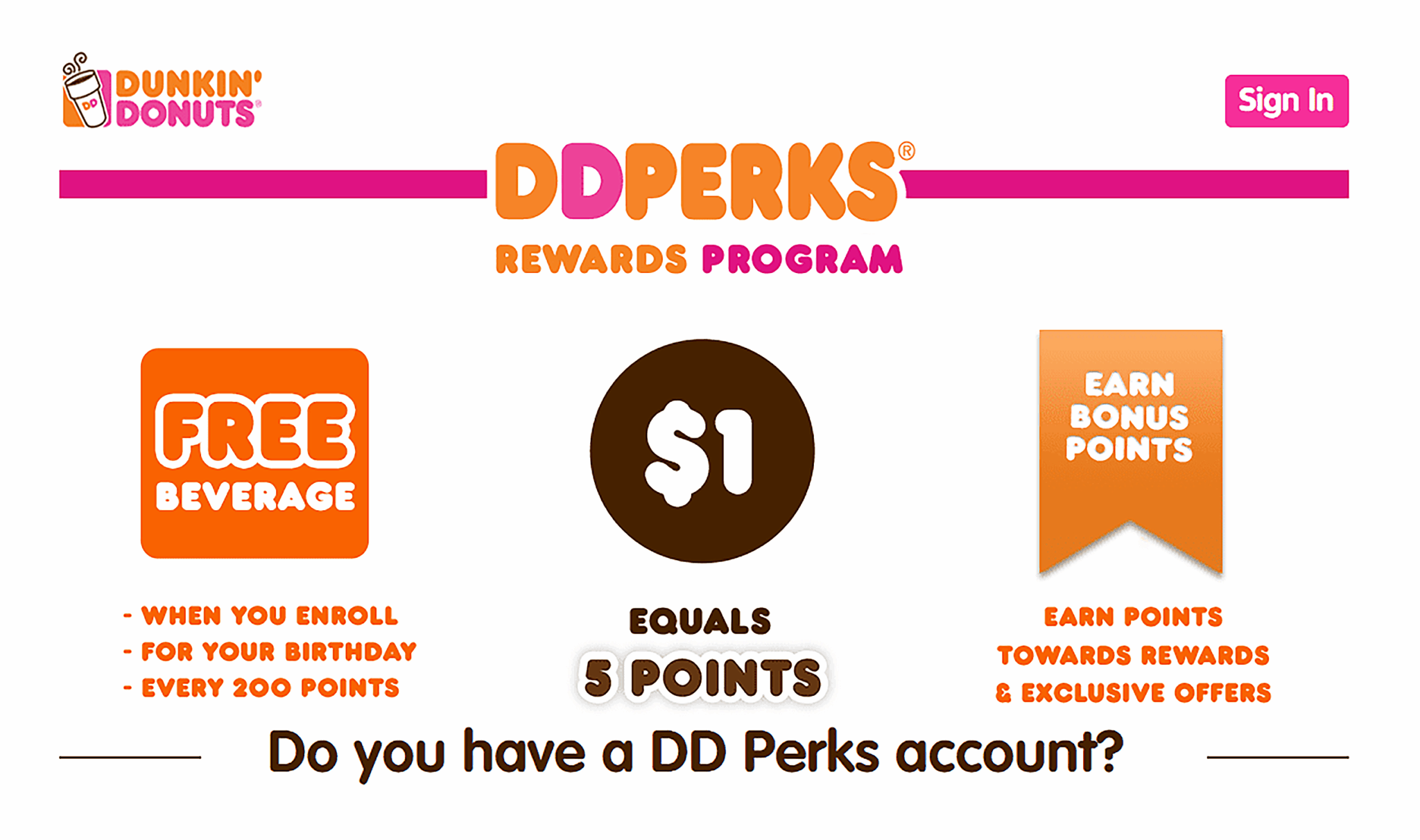
Loyalty programs build long-term relationships by encouraging customers to share data in exchange for rewards or exclusive perks.
How loyalty programs work
- Offer points, discounts, or exclusive perks for sign-ups.
- Ask customers to complete their profile over time (birthday, preferences, product interests).
- Use the collected data to personalize future offers and content.
Example: A coffee chain operates a rewards app that allows users to earn points for each purchase. To unlock bonus points, customers share preferences like “favorite drinks” or “visit frequency.” This data informs SEO content, such as blog posts on “best iced lattes,” that align with loyalty trends.
Giving freebies, bonuses, and insightful content encourages prospects to initiate contact. Keep content fresh and relevant, and many will be happy to exchange info for your offers!
Progressive profiling
Progressive profiling is the practice of gradually collecting more customer data over time instead of asking for everything up front.
Each step still requires user permission, but the requests are spaced out and tied to meaningful interactions, like downloading a resource or joining a webinar.
This particular strategy reduces friction during sign-up, builds trust through transparency, and ensures you gather higher-quality data as the relationship develops.
Here’s how to do it successfully(without seeming creepy!):
Collect minimal data first
Start with only the essentials, such as name and email, to make sign-ups quick and easy. By keeping the initial barrier low, you increase the likelihood that users will engage with your brand instead of abandoning the process.
Example: An online retailer asks only for an email when customers create a wishlist. Once shoppers return to purchase, the retailer can then request shipping details and product preferences. This keeps the initial barrier low while still opening the door to richer insights later.
Enrich over time
As customers continue to engage, they should be asked for more specific data in context, such as purchase intent or feedback. Hence, the data feels natural to share, which improves accuracy.
Example: An online fitness program asks new members for just an email to start a free workout challenge. Later, when users sign up for meal plans, the program requests fitness goals and dietary preferences. Over time, it builds a complete profile that supports both personalized content and SEO around popular fitness and nutrition keywords.
Progressive profiling strikes the right balance of capturing just enough information to start the relationship, then layering in richer details as trust grows.
Balancing UX vs. data capture
Even the smartest data collection can fail if it frustrates users, especially as their attention can be easily swayed in today’s fast-paced digital world. Be sure to design forms that gather valuable insights while ensuring a seamless, transparent, and trustworthy user experience.
Here’s what to remember:
Create frictionless forms
Make it as easy as possible for users to share information. Use autofill, smart defaults, and short forms that only ask for what is necessary at each stage. Reducing friction lowers abandonment rates and increases the volume of consented data.
Example: An online retailer’s checkout form auto-populates shipping fields for logged-in customers, reducing clicks and making it painless to collect email addresses and order preferences.
Privacy-safe design
Be upfront about why you’re collecting information and how it will be used. Avoid shady practices such as pre-checked boxes, confusing opt-out language, or pop-ups that make “no” hard to find. Instead, give clear explanations that reinforce trust while still encouraging opt-ins.
Example: A subscription site adds a plain-language note next to its signup form: “We use your email to send content you’ve requested, not to sell your data.” The transparency improves trust and increases form completion rates.
Balancing user experience with data capture ensures marketers gain the insights they need without sacrificing trust or conversions.
How SEOs can leverage first-party data
First-party data is not just a compliance safeguard; it’s a goldmine for SEO teams. By tapping into behavioral, demographic, and transactional signals, SEOs can refine strategies to target the right keywords, create more relevant content, and anticipate emerging opportunities in search.
Enrich content strategies with on-site search and behavioral data
Your own site’s search box and interaction data are some of the richest sources of intent signals. They reveal what your audience is actively looking for, even when it doesn’t exist in your current content.
- Analyze internal search queries to discover content gaps.
- Track high-exit or bounce pages to identify where users aren’t finding what they expect.
- Use dwell time and click paths to prioritize content that keeps users engaged.
Pro tip: Treat your on-site search data as an ongoing keyword discovery engine. If hundreds of visitors are searching for terms you don’t rank for, that’s your cue to build new pages around those topics.
Align keyword strategy with customer cohorts and lifetime value
Not all keywords bring in the same type of customer. First-party data helps you tie keyword targeting to the value of different cohorts, allowing you to prioritize ROI, not just traffic.
- Map keywords to transactional metrics (like average order value and lifetime value) to see which terms attract your most valuable customers.
- Segment keyword performance by customer type (e.g., free users vs. paying subscribers).
- Use behavioral data to see how cohorts interact differently with the same content.
Pro tip: Instead of chasing high-volume keywords, double down on keywords that bring in cohorts with higher lifetime value.
Build entity-based content using demographic and intent signals
Search engines are increasingly entity-driven, rewarding content that clearly connects people, topics, and intent. First-party demographic and preference data help build those connections more authentically across SERP features.
- Use demographic insights (e.g., age, location) to frame content for the right audience.
- Combine preference data with search intent to create more relevant entity relationships.
- Refresh content regularly to match changing audience intent.
Pro tip: Revisit your personas quarterly with fresh first-party data. Updating entity-based content to align with audience interests and intent signals ensures your content remains aligned with how search engines interpret queries.
Identify zero-click and AI Overview opportunities by analyzing search behavior gaps
As zero-click results and AI Overviews reshape search, first-party data helps SEOs stay ahead by highlighting unanswered questions and intent gaps.
- Compare internal search queries against your organic rankings to spot unmet needs.
- Identify recurring support questions that don’t yet have optimized SEO content.
- Use behavioral data to see where users leave your site for answers they couldn’t find.
Pro tip: Turn your support logs and internal search gaps into FAQ-style content. This will capture long-tail queries and increase your chances of surfacing in featured snippets and AI Overviews.
Creative use cases for first-party data
First-party data can also fuel creativity and help create advanced strategies that set your SEO apart. By applying audience insights in new ways, marketers can personalize content, map journeys, build smarter campaigns, and even prevent churn.
Predictive content personalization
Predictive personalization uses AI and machine learning to recommend the right content or product to the right audience segment at the right time.
- Build audience cohorts based on demographics and preferences
- Use AI models to forecast what content or products each cohort is likely to engage with
- Apply recommendations dynamically on blogs, product pages, or emails
Example: An online bookstore uses demographic cohorts like “young adult readers” to recommend trending YA novels on its homepage. Over time, personalization improves SEO performance because popular recommendations align with high-demand keywords.
Customer journey mapping
Customer journey mapping uses first-party data to track how audiences move across touchpoints on both organic and paid to identify opportunities and friction.
- Visualize how users arrive via organic search and where they convert
- Combine SEO and paid media data to spot overlapping or complementary paths
- Heatmap journeys to uncover drop-offs and repeat loops
Example: A travel brand notices that visitors from SEO blog content about “best family vacations” often click paid ads for package deals but abandon at checkout. They add FAQs and optimized landing content to bridge the gap and improve conversions.
Lookalike modeling
Lookalike modeling leverages high-value audience segments to build similar audiences for paid campaigns or SEO-informed targeting.
- Identify segments with high LTV or frequent engagement
- Export these cohorts into ad platforms for lookalike campaigns
- Align SEO keywords and content to mirror paid targeting for consistency
Example: A SaaS platform identifies its highest-LTV customers as “mid-size tech companies.” It exports this cohort to LinkedIn Ads for lookalike targeting and simultaneously creates SEO landing pages optimized for “best project management software for tech teams.”
Dynamic SEO landing pages
Dynamic landing pages adjust content based on first-party data like browsing history or past purchases, making the page more relevant to each visitor.
- Personalize product recommendations within SEO-optimized category pages
- Swap content blocks (e.g., testimonials, FAQs) based on known preferences
- Test dynamic variations to improve engagement and conversion rates
Example: A fashion retailer serves different homepage blocks for repeat customers—showing “new arrivals” for frequent shoppers and “sale items” for price-sensitive visitors. This improves both engagement metrics and SEO rankings.
Retention-focused SEO
Retention-focused SEO uses first-party data from support logs, reviews, and NPS surveys to build content aimed at reducing churn.
- Identify recurring support questions that frustrate customers
- Create SEO-rich help content and knowledge base pages to address them
- Build long-tail content around troubleshooting or “how-to” topics customers ask for
Example: A productivity app notices many support tickets around “how to sync calendars.” By creating a dedicated SEO page optimized for “sync Google Calendar with [app],” the company reduces churn and captures new organic traffic from similar queries.
Advanced SEO strategies powered by first-party data
Collecting first-party data is one thing; turning it into a sustainable SEO advantage is another. These advanced strategies show how to operationalize your data directly in SEO workflows.
Build SEO tracking into your site from the start
Designing your data layer early allows you to capture the right signals as new sections of your site go live. This helps you measure traffic, CTR, and connect SEO insights to audience groups along with business performance.
Key tactics to remember:
- Map behavioral and demographic events into your analytics data layer during development
- Ensure SEO-driven traffic can be segmented by user type (e.g., new vs. returning, logged-in vs. guest)
- Track content engagement alongside outcomes like conversion or retention
Pro tip: Work with developers before launch, not after, so tracking and SEO align from day one. A proactive measure to prevent retrofitting data collection, which is costly and less effective.
Incremental testing by segment
Not every audience reacts the same way to SEO or CRO changes. Segment-based testing lets you measure incremental lift for specific cohorts rather than applying a one-size-fits-all approach.
How it works:
- Split tests by customer type (e.g., free vs. paid users, enterprise vs. SMB)
- Measure which content formats or CTAs resonate most with each group
- Apply learnings to refine both organic and conversion strategies
Pro tip: Run smaller, controlled tests for niche segments instead of waiting for global results. Insights from micro-cohorts often reveal optimizations that broader averages miss.
AI persona refresh cycles
Personas go stale quickly in fast-moving industries. Using AI to regularly refresh personas enhances SEO strategies that evolve in line with real-world audience shifts.
A few strategies to consider:
- Feed behavioral and demographic first-party data into AI clustering tools
- Generate updated personas quarterly based on emerging trends and preferences
- Realign keyword targeting and content angles to match evolving personas
Pro tip: Compare AI-generated persona updates against your existing ones. Look for shifts in language, values, or priorities that may signal a need to pivot SEO messaging.
First-party data is the groundwork for modern SEO. When collected responsibly and with respect for privacy, marketers can craft SEO workflows that outperform their competitors.
Track, optimize, and win in Google and AI search from one platform.
Start your SEO strategy with first-party data in mind
You’ve just explored what first-party data is, why it matters, the types you can collect, how to gather it responsibly, and the many ways SEOs can use it to improve content, targeting, and results.
Now it’s time to put those insights into your practice!
Ask yourself these questions to evaluate whether your SEO strategy makes the most of first-party data:
Are you capturing consented data at every touchpoint?
Check whether your forms, loyalty programs, and gated content include transparent opt-ins and clear value for the user.
Do you comply with both GDPR and CCPA requirements?
Confirm that your data capture methods meet opt-in rules under GDPR and opt-out rights under CCPA, depending on user location.
Have you tested incentives for effectiveness?
Evaluate whether quizzes, gated content, or loyalty programs drive higher-quality opt-ins without overwhelming users.
Is progressive profiling part of your sign-up flow?
Start small, then layer in more details over time to reduce friction and improve accuracy.
Does your keyword strategy reflect customer value?
Tie keywords to cohorts with higher lifetime value instead of chasing volume alone.
Are you mapping on-site behavior into content opportunities?
Review internal search queries, heatmaps, and support logs to uncover gaps your audience is already signaling.
Have you updated personas with real data, not assumptions?
Use demographic, preference, and engagement data to keep SEO personas fresh and aligned with actual audience shifts.
Are your landing pages dynamic and personalized?
Check whether content blocks, offers, and recommendations adapt to user history.
Do you track incremental lift by segment?
Run SEO or CRO tests on specific cohorts to measure how different groups react, instead of relying only on averages.
Is there a feedback loop between SEO and product?
Feed first-party queries and customer intent data into product roadmaps, then support launches with optimized SEO content.
Are you prepared for AI-driven marketing?
Organize and structure your first-party data so it’s clean enough to power AI and LLM models without bias or gaps.
Is privacy part of your brand story?
Position transparent, minimal data collection as a trust-building differentiator in your SEO content.
First-party data is marketing’s most reliable asset, and when applied to SEO, it turns compliance and consent into growth and competitive advantage.
Explore our guide to the future of SEO for more ways to build strategies that last in a privacy-first, AI-driven world.
Explore more on
Editorial disclosure
Search Engine Land is owned by Semrush. We remain committed to providing high-quality coverage of marketing topics. Unless otherwise noted, this page’s content was written by either an employee or a paid contractor of Semrush Inc.
About the author