Study: 48% of consumers use voice assistants for general web search
Despite concerns about accuracy and privacy, the Adobe survey presents a mostly positive outlook for voice and virtual assistants.
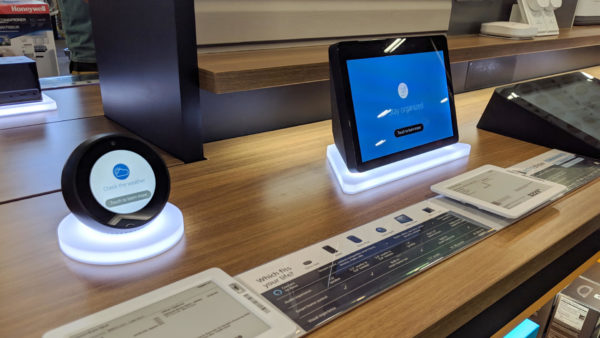
Despite concerns about accuracy and privacy, the Adobe survey presents a mostly positive outlook for voice and virtual assistants.
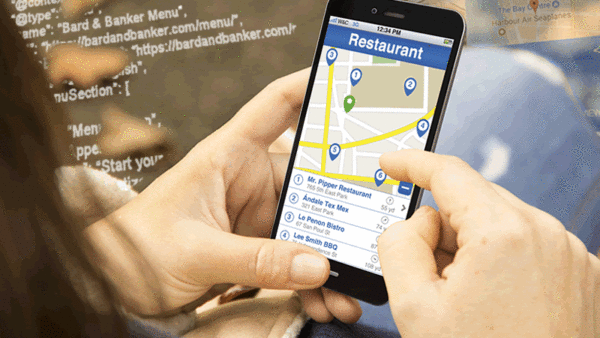
Online reviews cited by 48% of owners as influential; only 35% percent of consumers agreed.

In this case, "shopping" doesn't include purchasing; however, digital goods and product re-ordering are also poised for growth.
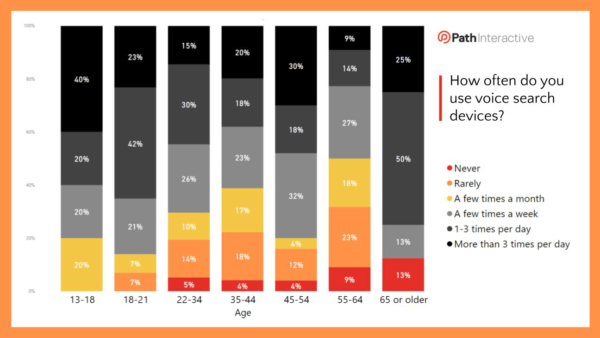
A new study uncovers data about how target audiences will influence our priorities around voice search. Hint: Older folks like it while the youngest voice searchers worry about privacy.

iPhones dominate usage, despite aggressive promotion of the Google Assistant.

Stop thinking of local as "plumbers and restaurants," it's really about trillions in annual consumer spending.

BrightLocal also found an overwhelming consumer preference for phone calls vs. other channels such as email and messaging.

These scripts can help analyze cross-site branded traffic with overlapping keywords to capture untapped audiences.
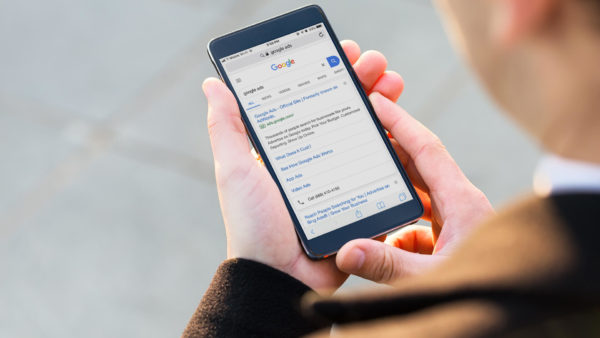
Yet 'position zero' doesn't always win says survey, which reveals relatively discerning users.
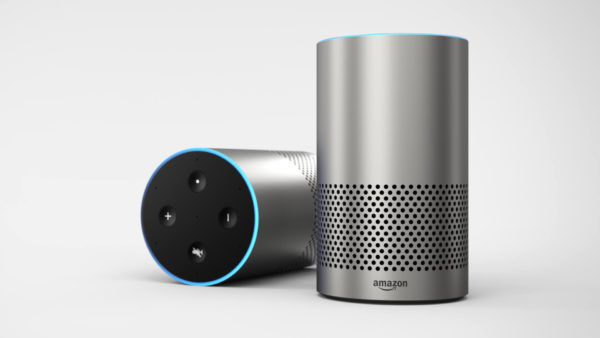
Smart speaker ownership jumped from 23 percent to 45 percent of respondents since last year's survey from Microsoft.

Three-quarters of respondents indicated they "fully" or "somewhat" trusted Amazon reviews.
Since we can't segment voice from typed interactions in performance reports easily, it's helpful optimization for voice search overlaps with traditional search.

Alexa devices dominate, but higher Google Home NPS scores suggest it will have better word of mouth and could gain market share.

With few exceptions, brands suffered diminished credibility in UK study.
The answers that are there are mostly coming from Local Guides, who may or may not provide accurate information.
There's a reason search ads resonate with users -- even when they know they're ads.
Rebecca Stone, LiveRamp's VP of Marketing, discusses what needs to happen for smart speakers (and displays) to realize their marketing and commerce potential.

For those under 55, the majority of review consumption now occurs on smartphones.
The partnership aims to provide deeper insights to help marketers align their messaging with the customer journey.

While 58 percent of consumers were unaffected by the presence of an incentive, 42 percent were less willing to trust them.

9 out of 10 consumers use a voice assistant on their smartphones; 41 percent say they use it daily.

Marketers and retailers can get more comparative brand data with the latest update.

Over 90 percent of survey respondents also said they were likely to click on the first set of results.

The sponsored survey looked at influence on restaurant decision-making.

Just under 40 percent said they were open to ads if they were “relevant.”
Better reviews would have meant 13,000 more local leads for businesses in the study.

Texting is the most common use case for voice, and men use voice search more than women, according to new data from Stone Temple Consulting.
CNBC report says product promotions on Alexa are already being tested.

Columnist Christi Olson shares consumer and search data from the recent holiday weekend -- and provides tips for how to use search to boost your omnichannel holiday marketing strategy.

Google has also released search trends around Black Friday and Cyber Monday-related search queries.
Almost 75 percent also said they had been asked to leave a review.

The announcements are aimed at giving brick-and-mortar retailers greater visibility on Google search properties.
Part two of NPR Smart Audio report exposes the 'v-commerce' potential of virtual assistant devices.
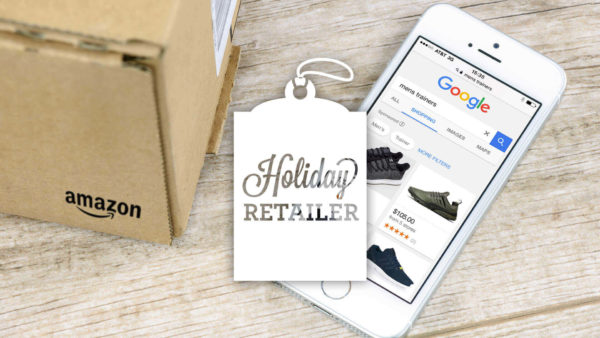
Columnist Andrew Waber takes a look at consumers' retail search activity to give you insight into the keywords and product content that will give your brand a leg up during the holiday season.
56% of US, UK, German and French shoppers use Amazon as a starting point.

Smartphones and social media have created a short-attention-span consumer that brands have increasing difficulty satisfying.

Below is what happened in search today, as reported on Search Engine Land and from other places across the web. From Search Engine Land: Featured snippets: How much do you really know about them? [QUIZ]Jul 28, 2017 by Stephan Spencer Think you’re an expert on featured snippets? Then put your money where your mouth is […]
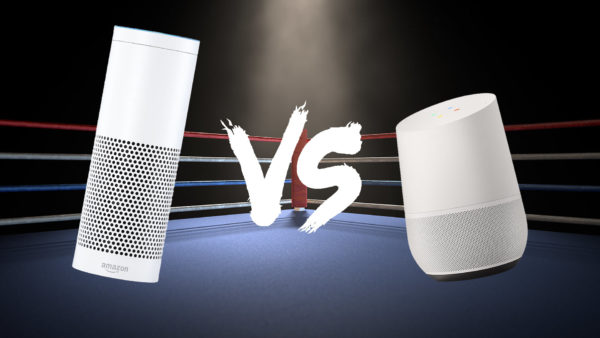
Amazon's assets, including distribution, brand loyalty, aggressive pricing and a more diverse product mix could trump Google Home's better performance.
After ratings and reviews, search engines had the greatest influence on buying behavior.
Businesses that complete their profiles see 5x the customer leads each month.