What Google AI Mode follow-up questions reveal about your content
Generic service pages give AI little to work with. Here's how to uncover the facts, insights, and expertise that set your local content apart.
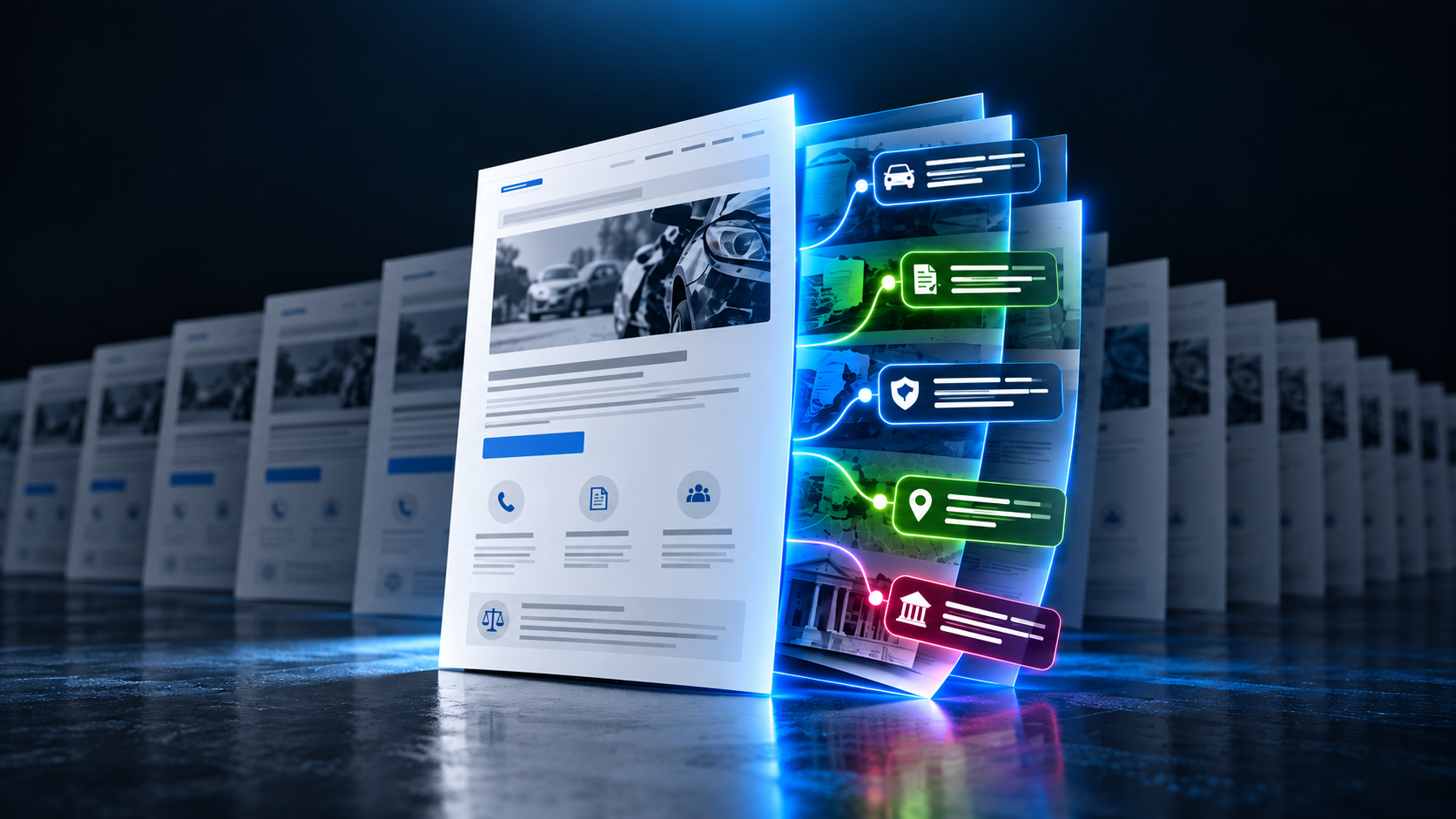
Generic service pages give AI little to work with. Here's how to uncover the facts, insights, and expertise that set your local content apart.

A comprehensive guide to generative engine optimization, covering strategy, structure, metrics, and how AI discovery really works.

New research exposes the mechanics behind ChatGPT citations, including what gets retrieved, what gets read, and what ultimately gets cited.

AI search may be making long-standing problems with site architecture, content, internal linking, and rendering more costly.

A single query can sit inside thousands of variations. Mapping those patterns can build topical authority across an entire search network.

New research shows ChatGPT strongly favors English pages, unlike Google AI and Copilot. Here's what that means for your site.

A year-long study of 15.7 million AI Mode citations across 148 industries shows exactly which passages Google highlights — and reuses.

An audit of 71 businesses found major gaps in AI retrievability, from unreadable websites and dead domains to missing trust signals.

Creating fewer, more purposeful pages can improve relevance, reduce duplication, and strengthen local search performance.

Patents, research, and case studies suggest Google looks beyond text. Learn how page design influences search visibility.

AI-generated answers can turn outdated articles into influential citations. Learn how to reduce reputation risk and respond effectively.

Two analyses found ChatGPT’s hidden search systems can change its sources, making citation tracking harder than answers suggest.

Fake entities appeared in 38% to 51% of reports when agents retrieved a manipulated page, rising to 62% with multiple pages.

Here's why it opens a third visibility path for small sites, beyond implicit affinity and the Follow button.
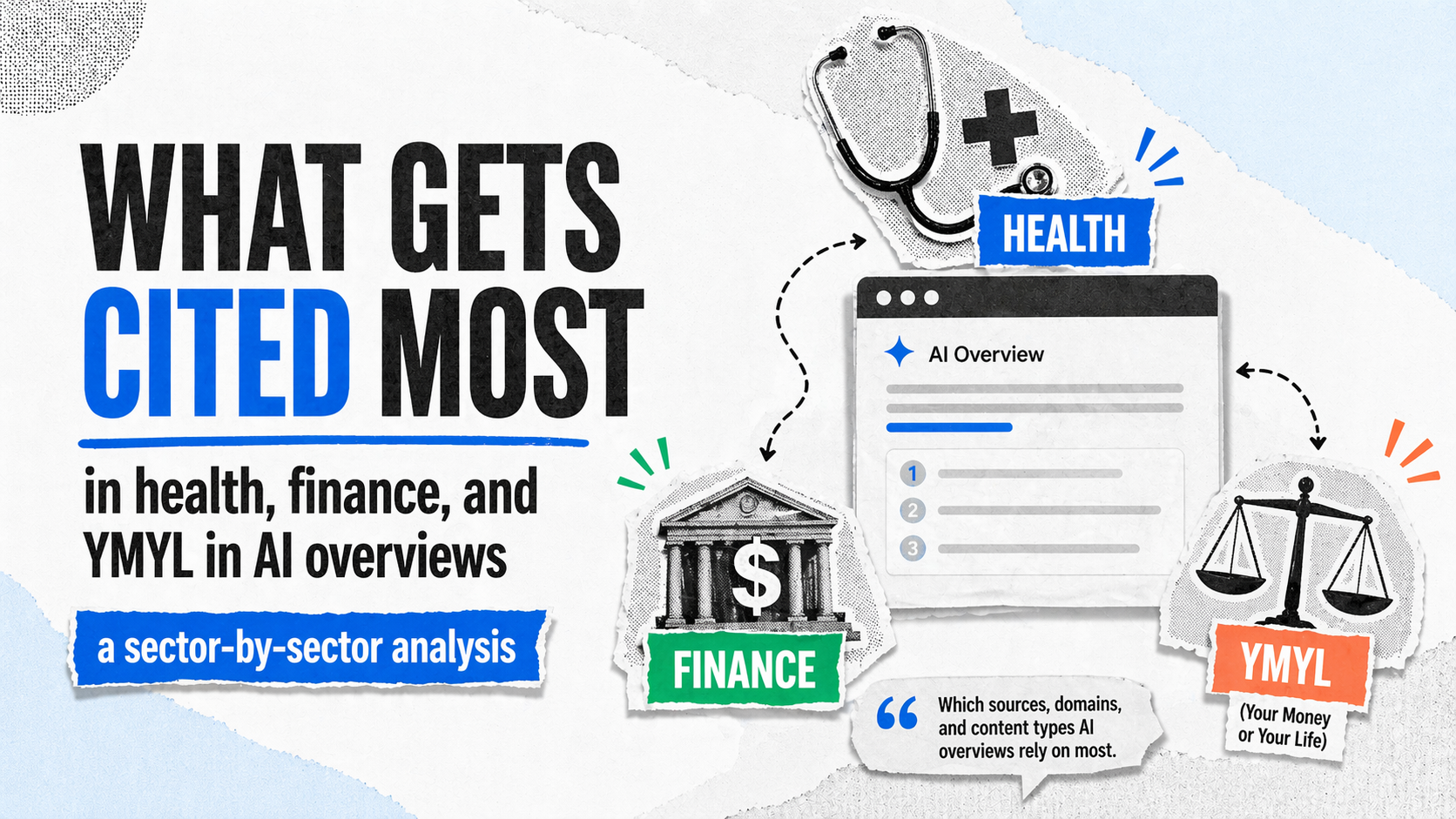
How often do AI Overviews show up for YMYL content? How has this changed over time? Find out with our analysis of health, finance & legal categories.

Long-form content alone no longer guarantees visibility. Learn the principles behind content AI systems retrieve and cite.

As AI systems evaluate broader content pools, selection depends on verification, semantic relationships, and information gain.

AI search has outgrown simple RAG. Learn how today’s hidden AI retrieval systems decide whether your content gets surfaced or filtered out.

Here's why you should take all of Google's latest guidance on optimizing for AI search with a grain of salt.

Catalan search behavior exposes a deeper AI retrieval problem: language identification errors reshape rankings, citations, and AI answers.

New research reveals how ChatGPT fetches pages, selects sources, and summarizes content — with practical prompts to test your own site.

Court testimony and new Google research suggest Google could soon evaluate a much larger pool of pages for rankings.

AI search is pushing indexes beyond relevance, with Bing focusing on facts, attribution, and confidence before answers are generated.

As discovery shifts from traditional search, brands must package knowledge so AI can read, verify, and rank it.

Learn how to use query fan-out tools to improve AI search rankings on platforms like ChatGPT and AI Overviews, and track your optimization results.

Want to optimize your content for fan-out queries? Learn how to find sub-queries, create multi-intent content, and format it for AI search visibility.
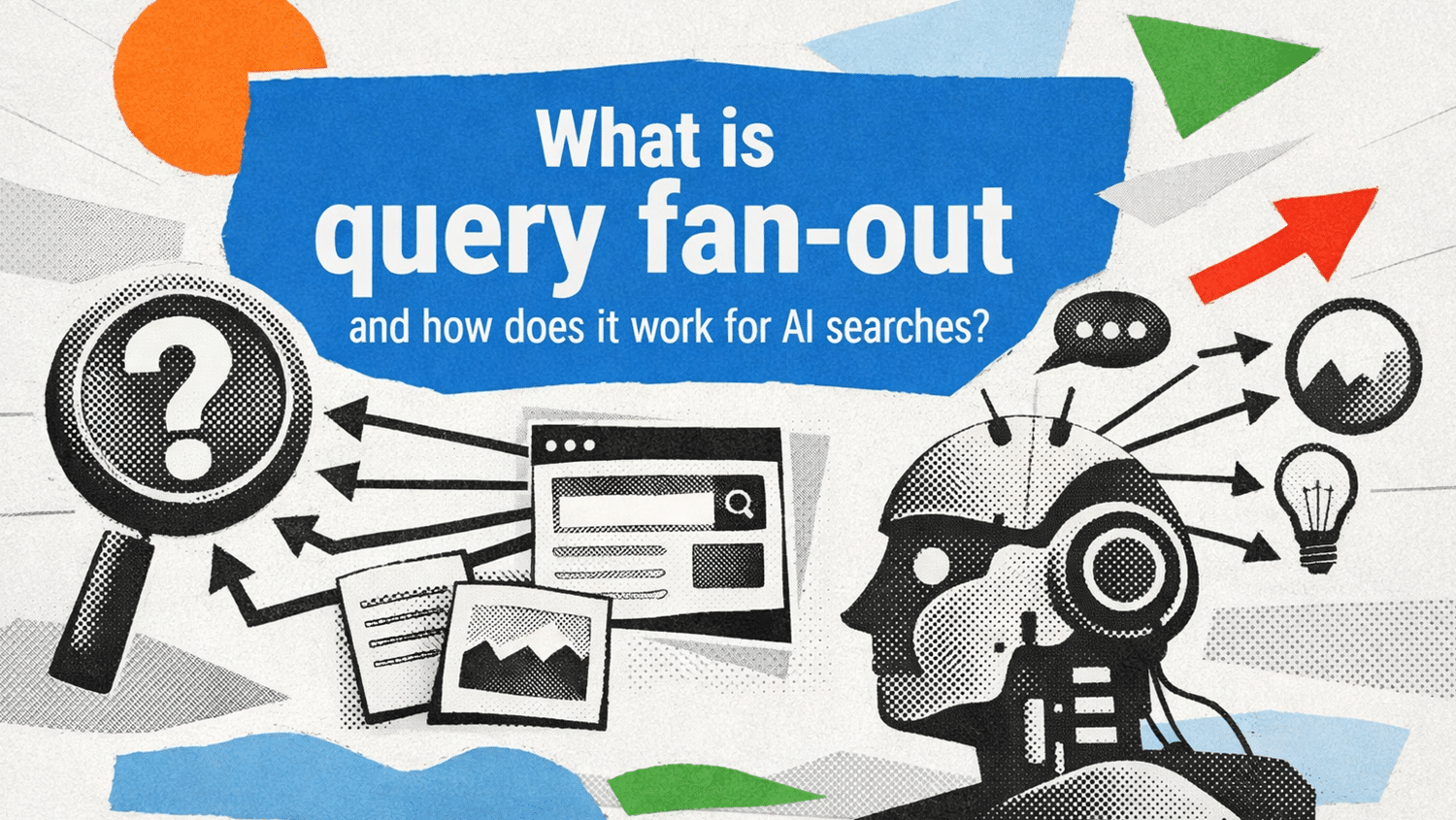
Discover query fan-out: what it is, how it works, and how understanding it can improve your content strategy for AI search visibility.

Heading alignment and narrow answers drive citations, while long, broad content underperforms, study finds.

AI systems don’t just evaluate content. They choose between entities. Learn the nine-cell model that explains how selection actually works.

Nine out of 10 correct may sound strong for generative AI, but that means searchers could be getting millions of inaccurate answers every day.

See how passage-level retrieval works and why answer-first, well-structured content is more likely to be surfaced and reused.

From Reddit threads to repeated claims, learn how AI search constructs brand narratives — and how to audit, correct, and influence them.

Top rankings don’t guarantee AI Overview visibility. Learn how to optimize for retrieval, structure, and citations.

Learn how to structure clear, information-rich content that LLMs can extract, interpret, and cite in AI-driven search.

The annotation, recruitment, grounding, display, and won gates determine which content AI engines trust and recommend. Here’s how it works.

Most brands chase AI visibility, but discovery isn’t the win. Pages are retrieved, evaluated, and often rejected before an answer is written.

Clear structure helps readers scan content and AI systems identify answers. Here’s how to organize ideas into clear, self-contained sections.

AI recommendations are decided upstream. Understand the 10-gate pipeline, where brands fail, and how small improvements compound.

AI rewards clear answers and structured, retrievable content. Learn how to reformat, prioritize, and refine metadata for visibility.

AI-driven discovery depends on semantic depth and retrievable structure. Align language, taxonomy, and schema for modern search visibility.