Link building
In the world of E-E-A-T and AIO, links are more important than ever.
Link building is the process of getting other websites to link to your website. These links—called backlinks—act like votes of confidence to search engines like Google and Bing, helping improve your site’s authority and rankings in the SERPs.
The more high-quality, relevant sites that link to yours, the more trustworthy and valuable your site appears to search engines and your audience.
Columnists offer insights and tips for effective link building and discuss controversial techniques like link baiting and buying links.

Toxic backlinks: How to spot and avoid them
Bad backlinks can hurt your site’s rankings and reputation. Learn how to identify toxic links, avoid penalties, and protect your SEO.
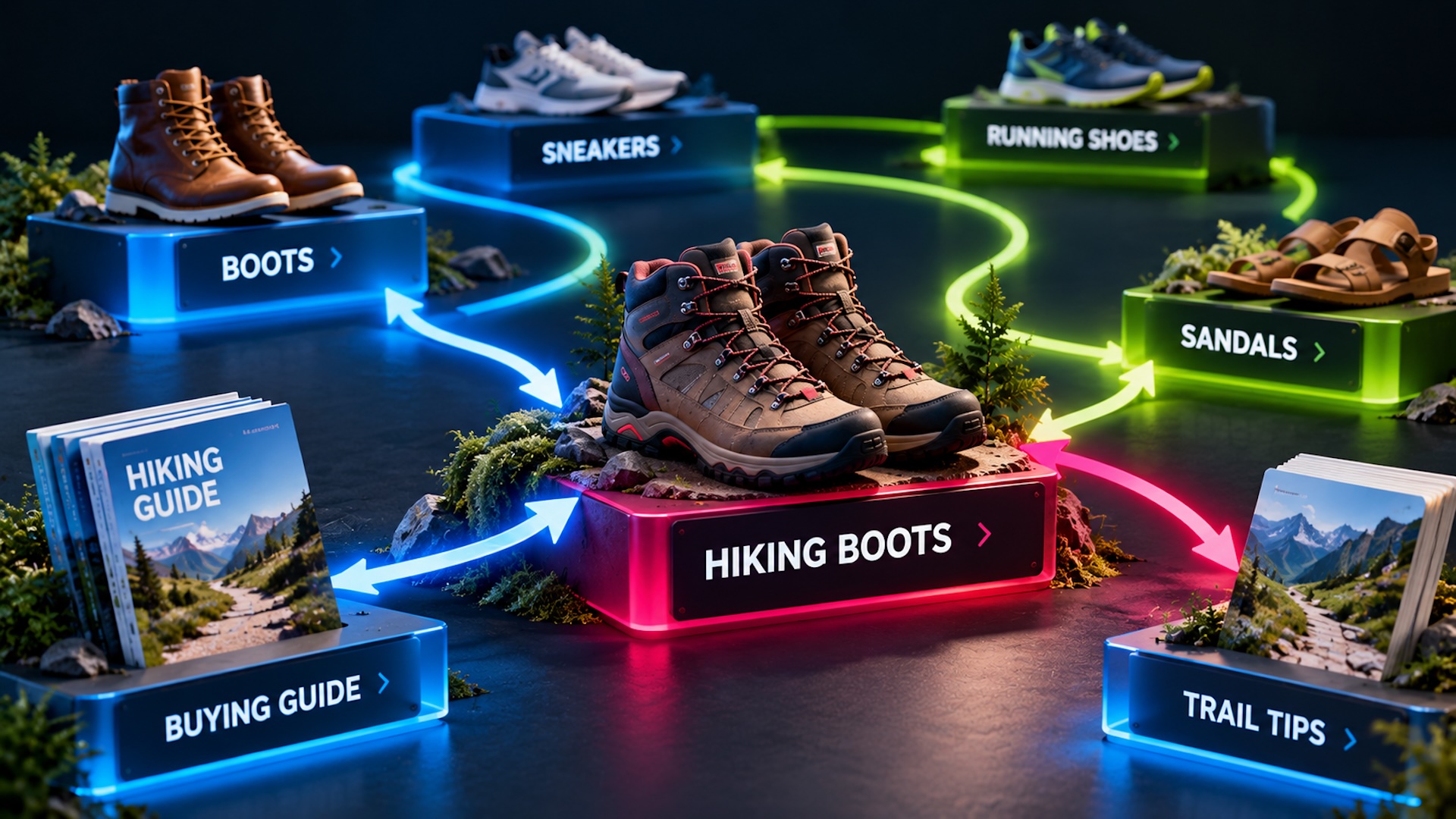
How to decide which ecommerce categories deserve more internal links
Your site structure may reflect yesterday’s priorities. Find the gaps and use targeted internal links to support today’s business goals.

How I built 5,660 backlinks in 30 days [New strategy]
How to use a new link building strategy called "Reverse Outreach".
How to write a press release that gets results
In this guide you'll learn exactly how to write a press release that gets noticed and pick up by bloggers and journalists.

Blogger outreach: The definitive guide
New to blogger outreach? Here's a step-by-step guide guide on how to cold pitch content they actually want to publish.

Five best HARO alternatives (expert review)
Discover 6 powerful HARO alternatives for media outreach and backlinks. Compare features, pricing, and success rates to find your best option.
BuzzStream review: Is this link building and outreach tool worth it?
I reviewed BuzzStream for a week. Does it work? Is it worth the money? I reveal everything in this review.

Link building in 2027: 13 ways to win or fail
Link volume tells only part of the story. See what separates earned authority from spam, recycled ideas, and pitches destined for the trash.
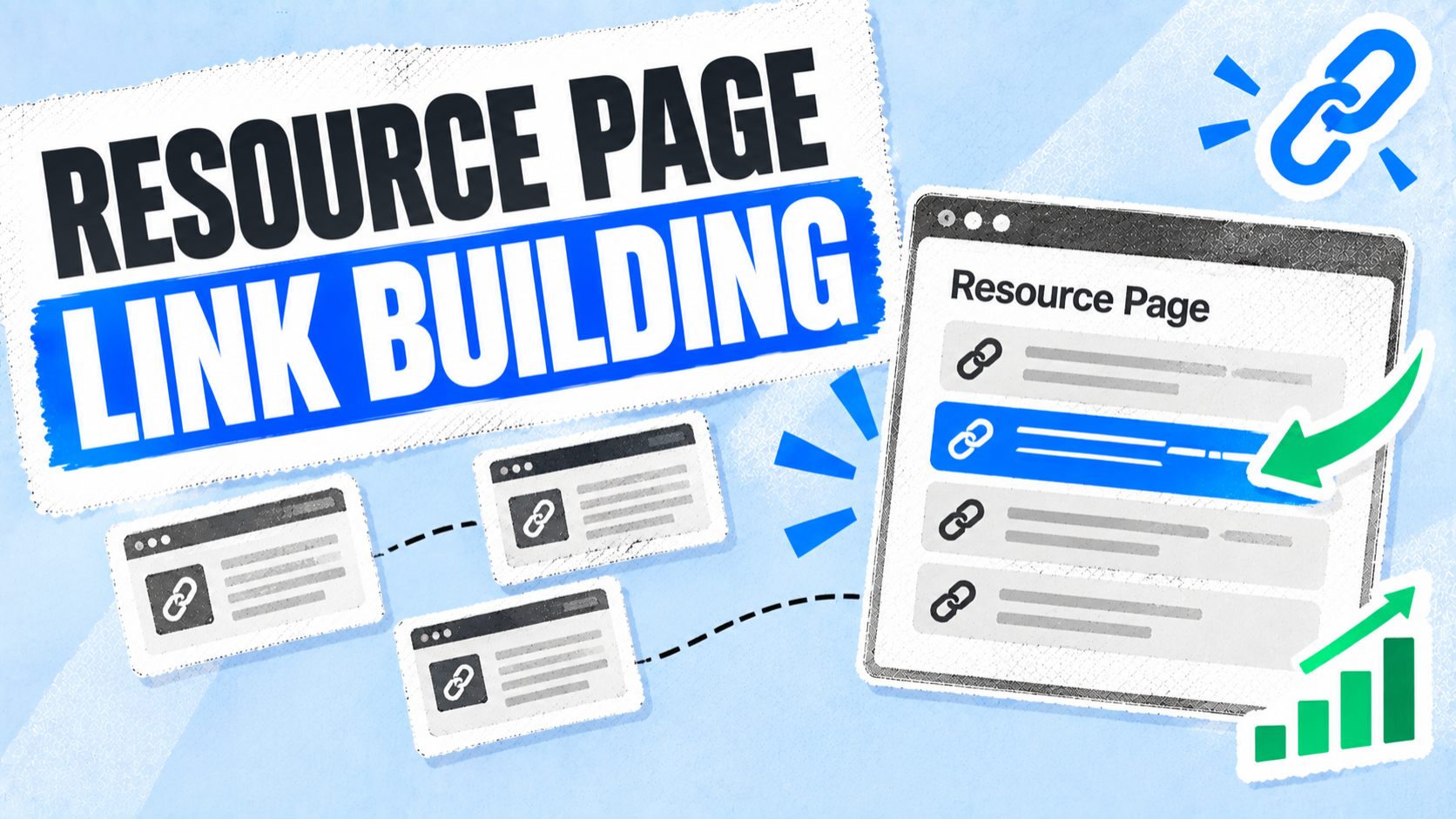
Resource page link building
Learn how to use resource page link building to get backlinks from authority websites in your industry.

Link building works better when you think beyond links
The strongest off-page signals aren't always followed links. See how content, PR coverage, and outreach can reinforce one another.

Judge lets SEO sabotage lawsuit over toxic backlinks move forward
The case could test whether businesses can use false advertising law to challenge harmful backlink campaigns.
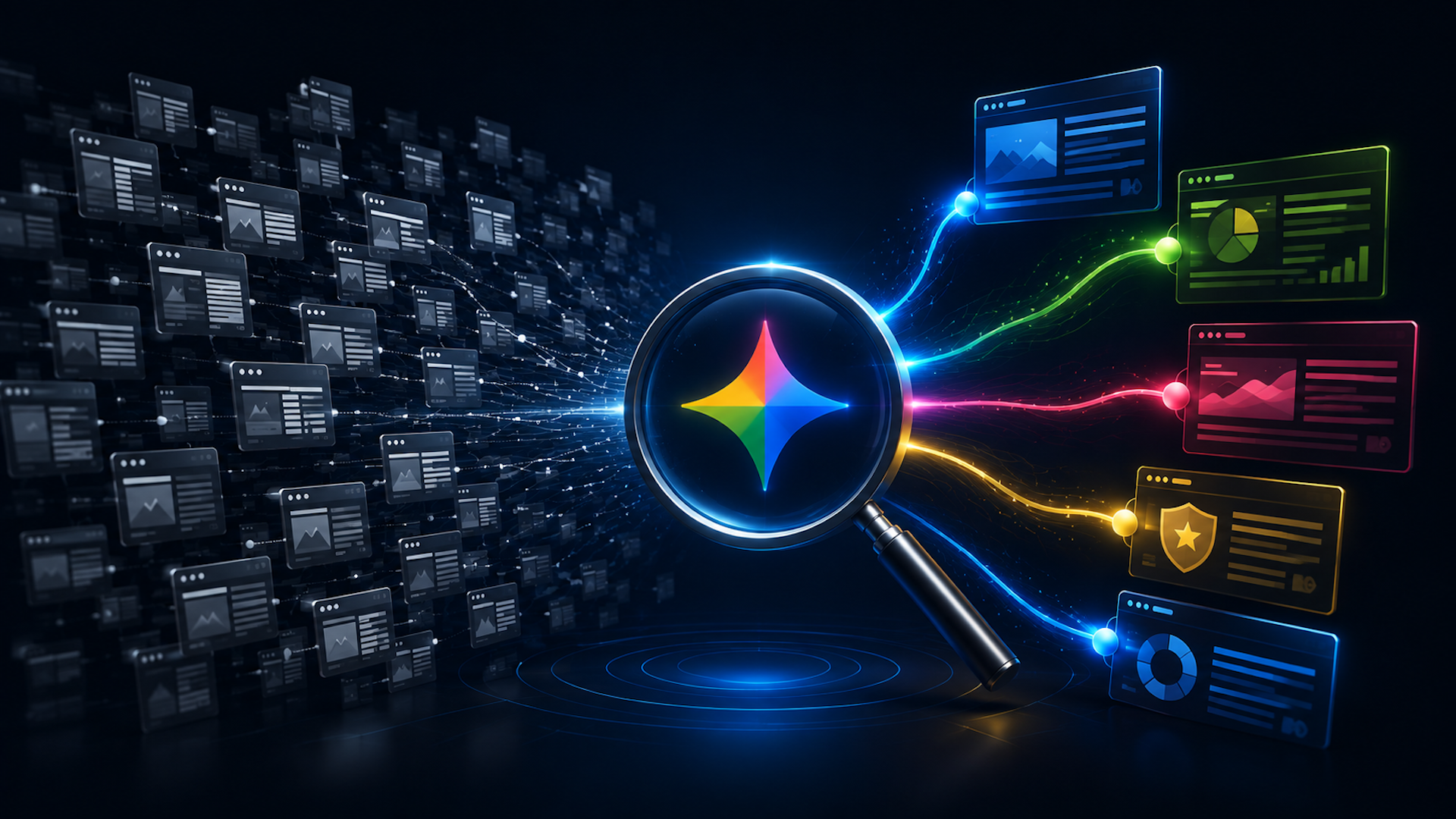
Why the traditional link building model no longer works for AI search
High-DR links, paid mentions, and link exchanges can look authoritative without giving AI systems enough credibility to recommend your brand.

How AI search is reshaping link building strategy
AI search is changing how authority is measured. Learn why backlinks still matter, how entity SEO is rising, and what link building strategies work best in 2026.
Link building for legitimacy: Building brand credibility in a competitive search environment
Don’t get distracted by flashy metrics like search volume. Instead, focus on the metrics that matter: legitimacy, credibility, and authority.

How to win the gatekeeper’s ‘Yes’ with stakeholder co-citation gap analysis
To get cited in AI answers, stop writing for keywords. Map buyer-role evidence gaps, find the missing gatekeeper, and build the evidence.

Link intent: How to combine great content with strategic outreach
Link intent combines authoritative content with strategic outreach to build links, referral traffic, and AI search visibility.

From links to brand signals: The new SEO authority model
Links aren’t enough anymore. Learn why consistent brand presence across trusted sources is becoming the key driver of search authority.

How to get media coverage: A practical guide to pitching journalists
Great coverage starts with a real story. Discover what journalists want, why most pitches fail, and how to stand out in a crowded inbox.

How to choose a link building agency in the AI SEO era
Traditional link building is changing. Here’s how to vet a link building agency for AI visibility, ethical practices, and long-term staying power in 2026.

Modern link building is about relationships, not transactions
Link building success now depends on genuine relationships and earned publicity, not transactions. Learn how to build links that build trust.

Link bait content: Earn backlinks and boost SEO naturally
Create content people can’t resist linking to. Learn what link bait is, why it works, and how to craft assets that attract backlinks and drive traffic.

Cloudflare’s Pay Per Crawl campaign from an SEO-led PR perspective
Cloudflare turned a bold idea into a market-defining move – earning 2,000+ backlinks, lifting branded searches, and shaping AI visibility.

How to recognize quality backlinks
Not all links are equal. Learn what makes a backlink high-quality, why it matters for SEO, and how to build a link profile that drives rankings and trust.

What are PBNs? Risks, rewards & SEO implications explained
PBNs promise fast links—but at what cost? Learn how private blog networks work, why they’re risky, and what to consider before using them in SEO strategy.

What is link equity and why does it still matter in an AI landscape?
Learn how link equity influences search rankings, what factors affect it, and how to build stronger internal and external links to boost your SEO performance.

In GEO, brand mentions do what links alone can’t
Help LLMs connect the dots on your brand. Strategic mentions across media, content, and communities make the difference.

How important are backlinks for SEO in 2026?
Links used to rule SEO. Do they still? Or are they just another outdated tactic in a world of AI-driven rankings and smarter algorithms?

Top link building services to scale your SEO efforts
An extensive list of top link building services that can accelerate organic rankings and brand visibility.

What is link velocity? How it impacts SEO and rankings
Learn what link velocity is, why it matters for SEO, and how to manage link acquisition speed to avoid penalties and improve rankings. Get expert tips and best practices.

Survey says: AI is changing search, but links still matter to SEOs
SEOs still bet big on links – despite AI. Costs are up, tactics are shifting, and most say Google can’t spot paid links, survey shows.

How to Scale White Label Link Building Without Killing Quality
Struggling to scale quality link building or find a reliable white label partner? Agencies often fall short. Here's how to succeed.

Types of backlinks explained: How to drive SEO, traffic, and authority
Understanding which types of backlinks are most valuable to your domain will help you develop the right content and target audiences.

Link building in 2025: 12 ways to win or fail
Navigate the dos and don'ts of link building today. Maximize your website's potential with effective backlinking practices.

How to calculate link building ROI and justify your SEO investment
Is your link building paying off? We've built 25,000+ links using an ROI-focused approach, and here's why you should, too.

What is ChatGPT and why SEOs should care
See how ChatGPT helps SEOs save time, improve workflows, and tackle tasks like keyword research, content creation, and technical audits.

PR for the algorithm age: 5 tips to pitch stories that rank and resonate
Bridge the gap between creative campaigns and journalistic needs with these proven PR outreach techniques.

Reactive PR & AI: How to capitalize on trending topics faster
Actionable insights, sample prompts, and innovative AI-powered workflows to stay ahead in the age of data-driven media relations.

How to find the best link building service for you
Choose the right link building agency to avoid SEO mishaps, unlock growth opportunities, and ensure lasting success in a competitive market.

Search, social and video: Evolving digital PR for 2025
See how social-first content, brand mentions, and video are driving a fundamental shift in 2025’s search and engagement strategies.

Navigating political censorship in digital PR: Understanding media ownership and trust
Uncover the impact of media consolidation and political agendas on digital PR campaigns and make informed placement decisions.