Natural backlink profiles: What they are & why they matter

SEO might look different in the age of AI overviews and LLM search, but building reputable backlinks is still a worthwhile tactic to use for increasing your brand’s authority, trust, popularity, and overall reputation.
You don’t want to build any old link on any random website, though. You need links that are natural, earned, and reputable. But how do you know if your backlink profile is full of good links or bad ones?
In this article, we’ll help you figure out what a natural backlink profile is, what it looks like, why it matters, how to audit and build your backlink profile, and more.
What is a natural backlink profile in SEO?
A natural backlink profile in SEO is when all of your website’s backlinks consist of earned, organic links and there are no signs of paid placements or manipulative tactics.
When evaluating a “natural” link profile, Google looks for links:
- With diverse anchor texts
- On authoritative and relevant sites
- That have been built over time (not hundreds at once)
Google favors natural backlink profiles because they indicate trustworthy, authoritative, high-quality content.
The SEO toolkit you know, plus the AI visibility data you need.

A natural backlink profile helps to future-proof your SEO and keep you in Google’s good graces. Especially when you can be penalized with a manual action for paying for links or building hundreds of spammy ones, you want to stay on Google’s good side.
Dig deeper: Types of backlinks explained: How to drive SEO, traffic, and authority
What does a natural backlink profile include?

Let’s get into the nitty-gritty details about what a natural backlink profile looks like.
Here are the key characteristics of natural backlink profiles:
Diverse referring domains
Natural backlink profiles feature links from a wide variety of domains across different industries, website sizes, and authority levels. This diversity reflects how content naturally spreads across the web when people find it useful.
You might see links from all kinds of different sites such as major publications, industry blogs, local business websites, forums, and personal sites. The key is that each linking domain serves a legitimate purpose and preferably has its own established audience.
For example, a guide about sustainable gardening might naturally earn links from environmental blogs, gardening equipment stores, and local community gardens.
Varied anchor text
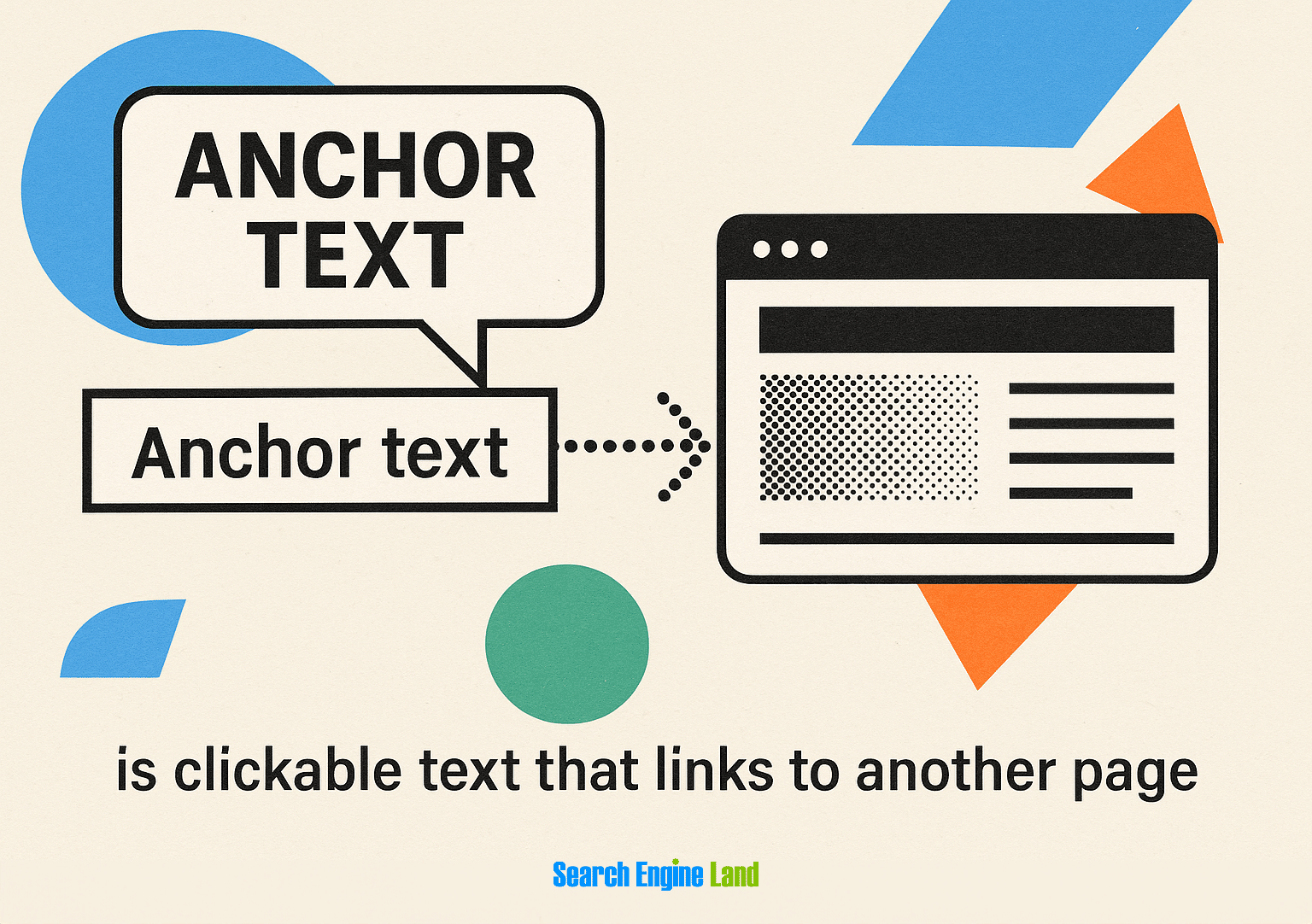
Natural profiles have a good mix of anchor text types, because this follows how people actually link in real-world scenarios.
For example, let’s say your company is called Bees’ Knees and you published that sustainable gardening guide we mentioned earlier. The anchor texts in your backlink profile will probably be a mix of:
- Exact match (sustainable gardening guide)
- Partial match (check out this sustainable gardening guide)
- Branded (Bees’ Knees)
- Generic/organic (click here)
- Naked (your page’s URL is the anchor text, like https://www.beesknees.org/sustainable-gardening-guide/)
- Empty (an image is linked to your post so there’s no anchor text)
Most of the natural links that happen spontaneously on the web are not exact match links, so a natural link profile won’t consist primarily of those. Instead, it’ll be varied and random.
Topical relevance and contextual fit
Links in natural profiles come from content where the reference to your site makes sense. The linking page’s topic relates to your content in a way that provides value to readers, not just search engines.
For example, a link to your sustainable gardening guide from a personal gardening blog would make sense. Hundreds of links from blogs about Tae Kwon Do, wrestling, and boxing, on the other hand, would be pretty suspicious.
Mix of follow/nofollow/sponsored/UGC types

Natural profiles contain a realistic distribution of link types including standard dofollow links, nofollow links, sponsored links, and user-generated content (UGC) links:
- Standard, dofollow links: Regular HTML links with no special attributes
- Nofollow links: Include the rel=”nofollow” attribute, which tells search engines not to pass ranking value through the link and are commonly used on social media platforms, forums, and other user-generated content areas
- Sponsored links: Use the rel=”sponsored” attribute to identify paid placements, advertisements, or other commercial arrangements (so you can pay for some placements without getting penalized by Google)
- User-generated content (UGC) links: Carry the rel=”ugc” attribute and appear in comments, forum posts, reviews, and other content created by site visitors rather than editors/site owners
Having a realistic distribution of the four link types reflects how different types of websites and content management systems (like WordPress vs. HubSpot vs. Facebook) handle outbound links.
Many natural links will be nofollow, especially those from social media, forums, or sites with stricter editorial policies. This is completely normal and doesn’t diminish the value of your natural backlink profile.
Dig deeper: Types of backlinks explained: How to drive SEO, traffic, and authority
Steady link velocity
Acquiring natural backlinks happens at a consistent, sustainable pace that reflects the way people genuinely discover content online. You’ll see gradual growth over time rather than sudden spikes followed by periods of inactivity.
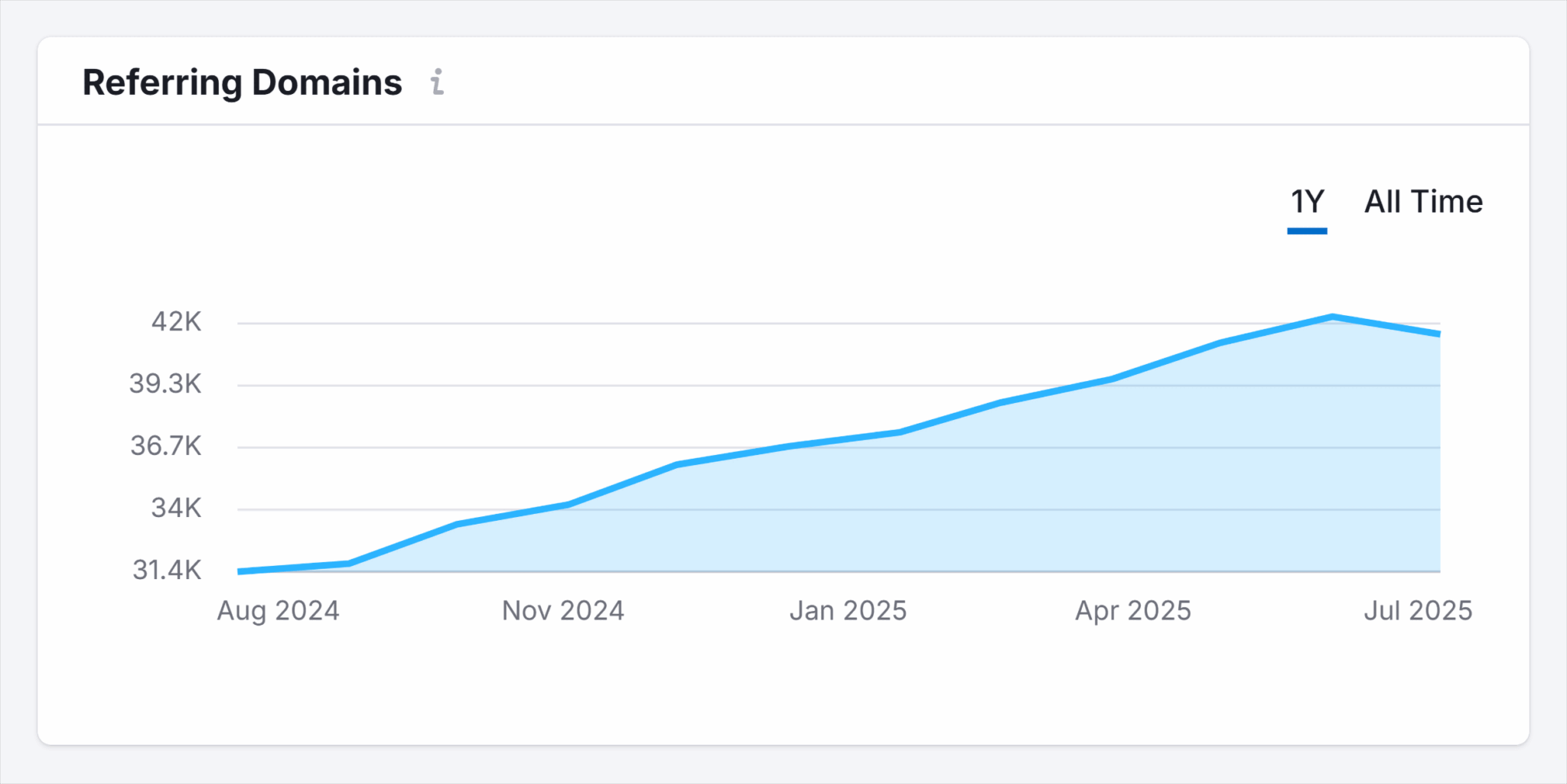
Of course, really good, popular content might earn links more quickly during the time of its initial publication and promotion, but even viral content typically shows a pattern of initial growth followed by steady, ongoing backlink acquisition as people continue to discover and reference it.
Links from websites of all sizes
A natural link profile will include links from both high-authority, major publications and smaller, niche websites (including forums). This is just how content spreads on the internet through different online communities and audiences.
While links from major publications bump up your authority by a lot, smaller niche sites usually provide you with super relevant links that demonstrate your subject matter experience, expertise, authority, and trust.
So for Bees’ Knees, getting a link to their sustainable gardening guide from Home & Garden magazine would be epic, but getting links from sites like Mel’s Garden (a personal blog) and Gardeners’ Paradise (a gardening forum) is incredibly valuable, too.
How links affect rankings & trust signals
There are multiple ways a natural backlink profile helps you with your online presence.
A natural backlink profile helps you to:
Avoid spam penalties: Google’s Penguin updates created an environment where you could be penalized for an unnatural backlink profile. Building links naturally is the best defense for seeing any of these types of manual action penalties.
Bolster E-E-A-T and brand trust signals: Expertise, experience, authority, and trust are all signals that Google uses when deciding how much visibility your content should have in search. A natural backlink profile strengthens those signals, since links to your site from other sites are like “votes” for how great your content is and how trusted your brand is.
Build long-term ranking resilience: A natural backlink profile builds authority for your brand, which supports rankings and visibility in search engines now and into the future. Google’s algorithms will become more and more adept at detecting manipulative tactics, so even if they provide a temporary visibility boost, they won’t help you in the long term.
Positively influence AI rankings & knowledge graph content: When other sites link to your content, they’re choosing you as a trusted source. If other sites run by real people view you as a trusted source, chances are that Google and other AI bots will, too. So, a natural backlink profile can help you with your organic visibility in Knowledge Graphs, AI overviews, and AI search.
Dig deeper: Google E-E-A-T: What It Is & How It Affects SEO
How to audit your backlink profile for naturalness
So, how do your backlinks stack up? Do you have a natural backlink profile? Here are two steps to take now to find out.
Step 1: Grab a backlink audit tool
If you want to audit your backlinks, you’re going to need a tool or two to help you find and analyze your entire profile. Here are our favorites:
Semrush
With the Backlink Audit report, you can very quickly get a feel for your overall backlink health with your Overall Toxicity Score at the top:

It also tracks your backlinks by anchor type, link attributes, and more.
To learn more about tracking your backlinks with Semrush, check out How to Do a Backlink Audit (5 Simple Steps).
Google Search Console
Google Search Console is another great tool to use for tracking your backlinks. In the “Links” report, you’ll see the sites that link to yours, and the linking text (anchor text) used.

However, the Search Console report doesn’t provide you with the full URL of the linked page or help you decide if the link is toxic, which is why we often recommend using another backlink audit tool in addition to Search Console.
Now that you’ve got your tools, are you ready to audit your backlinks?
Step 2: Analyze these four metrics
Here are four important metrics to watch when you’re auditing your backlink profile:
1. Anchor text ratios
Anchor text distribution is one of the strongest indicators of a natural link profile.
Take a look at your anchor text and sort each link into one of six categories (or just look at your anchor type report in Semrush):
- Exact match
- Partial match/compound
- Branded
- Generic/organic
- Naked (URL)
- Empty

Note that Semrush lumps any remaining anchor texts that aren’t branded or keyword-focused into an “Other” category.
Now, look at your distribution of anchor types. Ideally, you have anchors that are spread across the board, and not too lumped in one category. In general, though, it’s the exact-match (“money” above) category that you really have to keep an eye on.
Exact-match anchors should not exceed about 10% to 15% of your total backlink profile.
Here’s a handy guide to use to check your backlink profile for signs of unnatural links:
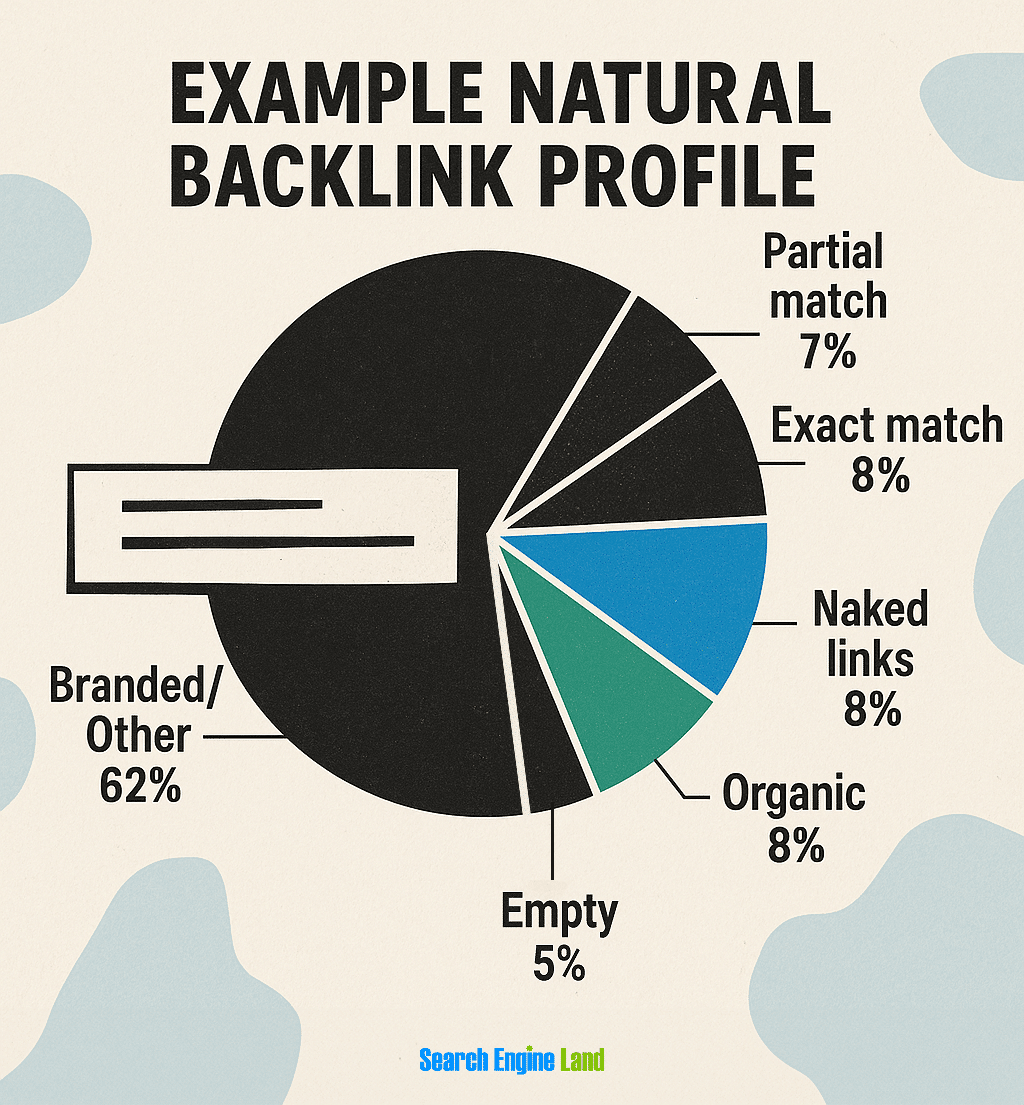
Red flag warning: If you see a lot of exact-match anchors, that means you may have over-optimized anchors. If you have more than 20%, focus on earning more branded and generic anchor links in an attempt to rebalance your profile.
Or, try changing links that are already built to use different anchor tags.
2. Domain and page-level relevance
Domain and page-level relevance just mean that the sites and pages your backlinks come from should be relevant to your site and your content.
Remember our example earlier about getting links to your gardening article from sites about Tae Kwon Do and boxing? The same applies here. In an ideal situation, your backlinks will be from websites and webpages with content that’s somewhat related to yours.
3. Link types, patterns, and attributes
Now, take a look at your link types. This can definitely vary based on your subject matter and the type of site you have, but you want to have some variety in text and image links and a natural variety of follow vs. nofollow link attributes:

Nofollow links don’t affect your rankings because they don’t pass “link juice,” but they’re still vital in creating your natural-looking backlink profile. A healthy profile will have a number of nofollow links in addition to followed.
Link types and patterns go beyond text vs. image, though. Think about where on websites your links are, and how you’ve obtained them.
For example, web design and development companies used to put a link to their own website in the footer of every client website they built. This was a great tactic that helped to improve their backlink profiles and drive some traffic to their websites.
However, when Google improved their link spam policies, this became a no-no.
Why?
Think about all those links. Let’s say a company has designed and built 50 different websites. Those websites might be about anything from local nonprofits to lawn care to software and everything in between. All those different contexts linking back to the web developer don’t look natural.
Plus, all of the links are in website footers. That looks suspicious to Google, too.
Red flag warning: When looking at your backlink patterns, check for links from multiple domains using identical anchor text (like your brand name linked in multiple website footers). This often indicates network-based link schemes and could lead to a manual action penalty. Natural links typically come from individual pages, not site-wide placements with optimized anchors.
4. Lost vs. gained links (link velocity)
Finally, look at links lost vs. links gained. Is the change week-to-week and month-to-month fairly steady?
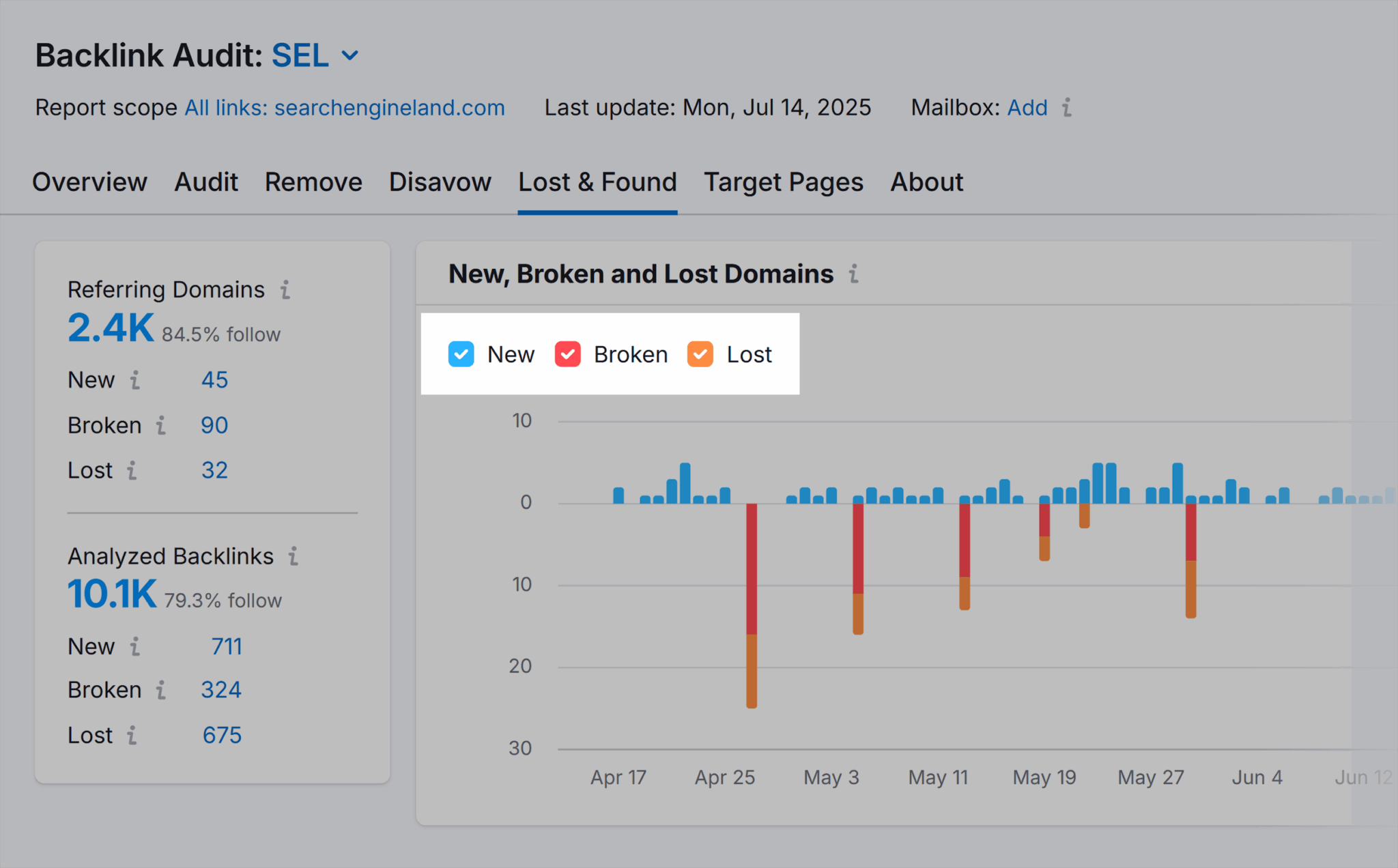
It’s natural to have a spike in gains or losses once in a while, like when you have a piece of content that goes a bit viral, for example. However, there shouldn’t be wild swings all over the place, especially with gains.
Red flag warning: Check all substantial increases in links to make sure they’re organic and from differing sources. If Google sees a sudden spike in backlinks from a bunch of low-quality domains, that’s a red flag that you’re participating in a link-building scheme in an attempt to game the search engine.
What an unnatural backlink profile looks like
To make sure you don’t build an unnatural-looking backlink profile, avoid everything in this list:

Anchor-text-stuffed links
Unnatural profiles often show clear signs of keyword targeting through anchor text optimization. You’ll see high percentages of exact-match commercial keywords, repetitive phrases across multiple domains, and anchor text that doesn’t match how people naturally write and link.
For example, if 40% of your backlinks use the anchor text “best accounting software” and many come from websites that aren’t really related to yours, this pattern signals manipulation rather than natural, organic backlink growth.
Private blog networks (PBN)
PBN links create distinct footprints that Google can easily identify. These include multiple domains with similar hosting, identical themes or layouts, thin content focused primarily on linking out, and unnatural cross-linking patterns between network sites.
Even sophisticated PBNs leave traces through shared hosting information, similar content structures, or linking patterns that don’t reflect genuine backlink growth.
In short, buying links on PBNs is a one-way ticket to getting penalized by Google.
Link farms
Link farms are networks of websites built solely to generate backlinks, not to provide real value to users. They often feature low-quality or scraped content, excessive outbound links, and little to no topical relevance between sites. These backlinks don’t occur naturally—they’re engineered at scale to manipulate rankings.
Because link farms lack editorial standards and are created with link schemes in mind, they result in an unnatural backlink profile: one that grows too fast, lacks diversity, and includes irrelevant or spammy sources.
In short, link farms scream manipulation—and Google is quick to catch on.
Irrelevant domain source links
Unnatural profiles often include links from completely unrelated industries or topics. A dental practice earning links from gambling sites, for example, or a recipe blog getting backlinks from cryptocurrency exchange sites creates obvious red flags.
These mismatched topics suggest paid placement or link schemes rather than natural content discovery and organic backlink growth.
Paid link violations
Links that don’t properly disclose commercial relationships violate Google’s guidelines and create unnatural backlink profiles. This includes guest posts without proper attribution, sponsored content using followed backlinks, and directory listings designed primarily for SEO rather than user discovery.
Google expects transparency in commercial linking relationships through appropriate use of sponsored, nofollow, or UGC attributes.
Link swaps and short, big bursts of link building
If you participate in link swaps or link exchanges, you create a link building pattern that really never occurs naturally at that scale.
While occasional mutual linking between relevant sites is normal, extensive “I’ll link to you if you link to me” relationships across multiple domains is a major indication of artificial link schemes.
These swaps often involve similar anchor text, link placement dates that match up, and links that don’t fit naturally within the content context. Google can easily identify these patterns, especially when they involve multiple sites linking to each other at the same time.
Also, gaining too many backlinks all at one time can look spammy, so make sure you don’t build too many all at once.
How to build a natural backlink profile over time
To create a natural backlink profile, you want to set up a sustainable system where your brand, content, and messaging all work together to naturally attract links over time. Shift your focus to link building to link earning.
Your backlink foundation: Brand authority and problem-solving content
Trusted brands naturally earn more links, simply because they’re trusted, recognizable, and credible.
If you can make your brand feel like one of the top experts in your field, other sites will just naturally link to your content because they see you as an authority on the subject.
Once you’re recognized as an authority, each piece of quality content you publish becomes more likely to earn links. That snowballs into developing media relationships as journalists and other industry writers become familiar with your brand’s reliability and expertise, and suddenly you’re getting natural citations in news articles and other quality pieces.
And all of that leads to a varied and far-reaching natural backlink profile.
How can you get started on this kind of link earning today?
First, create content that solves genuine problems.
This kind of content attracts backlinks passively because it helps other content creators serve their own audiences better. When you create truly useful resources, comprehensive guides, innovative tools, and educational content that fills knowledge gaps, other sites link to you as a way to add value to their own content for their own readers.
Plus, evergreen content can continue earning links months or even years after publication as new content creators discover it and find it relevant to their audiences.
Then, align your strategy across all of your brand’s touchpoints.
Consistent messaging across all of your channels reinforces your expertise and authority, making your content more likely to be linked to. When your blog content, social media, email newsletters, and PR efforts all align in the same expertise areas, you build stronger topical authority that search engines and industry peers will notice.
Use cross-channel promotion for your content through your owned media channels. Email subscribers, social media followers, and podcast listeners become brand ambassadors who reference, share, and link to your content.
Finally, be consistent over the long term
Long-term consistency in your content quality and expertise builds trust with both audiences and search engines. Sites that consistently publish valuable content over quarters and years naturally develop stronger backlink profiles than those focused on short-term link building campaigns.
More backlink growth opportunities: Strategic link-earning approaches
Create digital PR opportunities with data and insights
Data-driven content provides an awesome opportunity for natural media coverage and citations. Original research, industry surveys, and trend analysis give journalists and content creators real numbers to reference in their own articles.
Create studies that address current industry challenges or reveal surprising insights about your field.
Promote your research by reaching out to journalists and industry publications who cover your topic area. Focus on the newsworthiness of your findings rather than your brand, making it appealing for others to cite your data.
For example, check out this original research about the impact of AI search on SEO traffic. It’s relevant to marketers everywhere, super timely, and well structured.

Guest editorials (don’t forget the disclosures)
Guest blogging and other ways of appearing in someone else’s content (or asking someone to appear in yours) isn’t out of the question, even if there’s a payment being exchanged, as long as you disclose it properly.
As long as the guest contribution provides genuine value to the publication’s audience, it should be a great backlink for the invitee and link-generating content for the inviter.
Just make sure that any sponsored pieces use the rel=”sponsored” tag and focus on sharing expertise and insights rather than promoting a business.
Also, if you’re the one making the guest appearance, make sure the publication and target audience align with your industry. Research their content style, audience interests, and editorial guidelines before pitching ideas that align with their needs.
Although guest blogging is the traditional way to get guest editorials, you can now sign up for tools like Help a Reporter Out (HARO) to connect with reporters and editors needing expert input for a piece they’re working on.
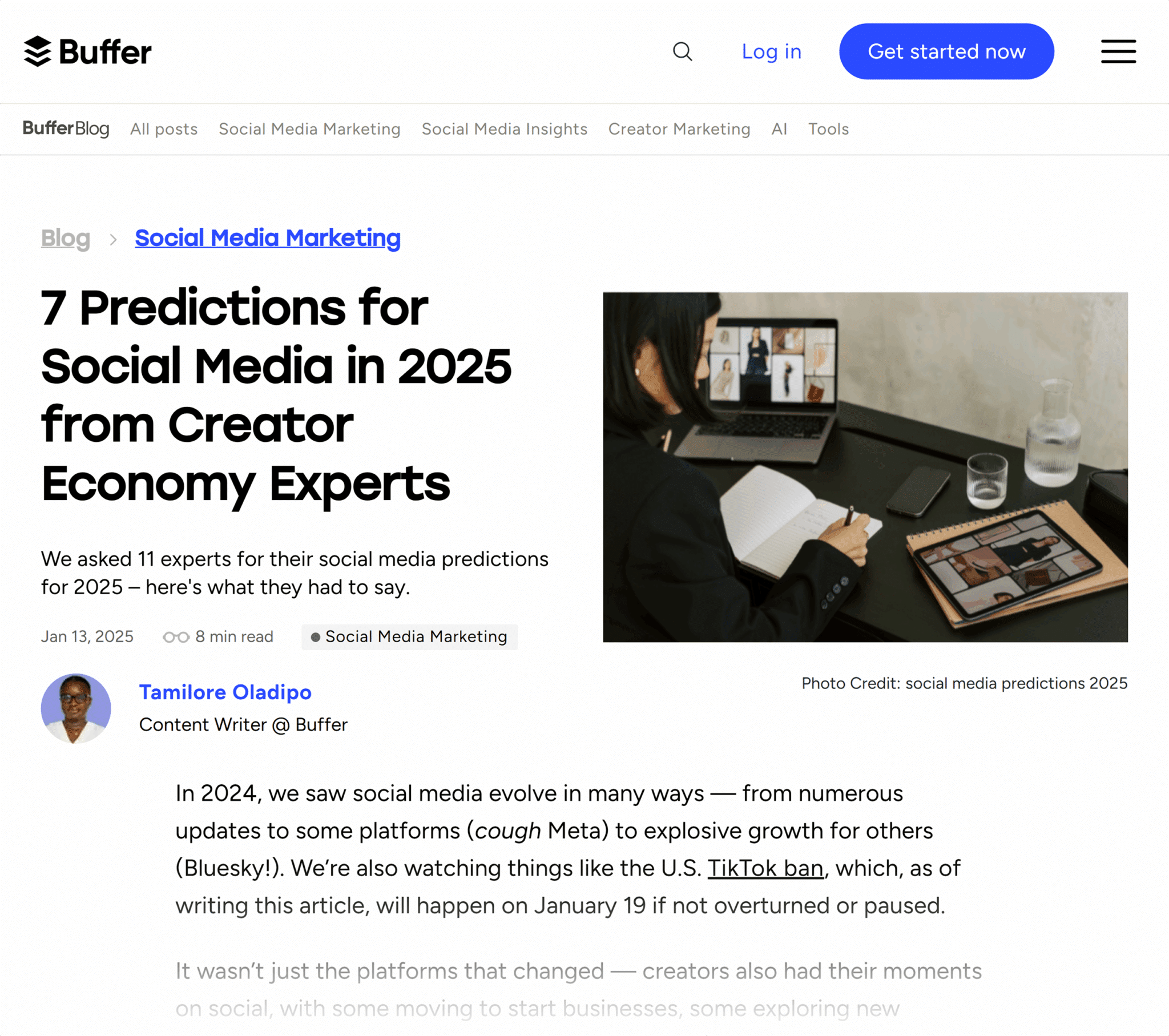
For example, check out this piece on the Buffer blog where seven social media experts weighed in on industry predictions for 2025:
Brand mentions
Did you know that recent research points to brand mentions across the web as a top deciding factor for which brands AI search mentions? And it doesn’t even matter if they’re linked!
However, finding brand mentions that aren’t linked to your website and politely reaching out to ask that they be linked is a solid link-building strategy that you can use to nab more high-quality backlinks.
To find brand mentions, use tools like Google Alerts or Semrush’s Brand Monitoring tool, where you can drill down into keywords used, demographics, and more:

Another way to get citations is by participating in industry discussions, commenting thoughtfully on relevant content, and sharing insights that demonstrate your expertise across the web.
You might also use LinkedIn or other networking sites to build relationships with industry influencers and thought leaders who might naturally reference your expertise in their content. These authentic professional connections often result in the most valuable mentions and links.
Here’s an example of an unlinked brand mention. If you were marketing TikTok, you might reach out to Sprout Social and ask politely that they add a link:

Create tools, templates, and unique assets
Free tools, calculators, templates, and other unique assets that solve common industry problems naturally attract links, especially if they’re well thought-out and incredibly helpful.
Develop templates, frameworks, or checklists that simplify complex processes in your field. For example, a comprehensive SEO audit checklist that changes slightly as you check off tasks and covers technical, on-page, and off-page factors could become a great reference for other SEO professionals writing about audit processes.
Here’s an example on our own website where we’ve created a free website traffic checker tool:

Community engagement and relationship building
There are a few different ways you can take part in community engagement and relationship building in order to build natural backlinks:
Industry forum participation in communities like Reddit, specialized professional forums, or on platforms like Quora can naturally lead to links when you provide helpful, non-promotional insights. Focus on being genuinely useful rather than self-promotional.
Conference speaking and event participation builds relationships with other industry professionals who might naturally reference your expertise in their content, mention you on social media, or link to you in event recaps. These offline relationships can translate to online mentions and links as people remember and reference the insights you provided.
Podcast appearances introduce your expertise to new audiences and can result in natural links from show notes, episode summaries, and audience members who discover your content through the interview. If you can, prepare valuable insights and actionable advice that hosts and listeners will want to reference later.
How to clean up or dilute an unnatural profile
If you’ve completed your audit and found some unnatural links in your backlink profile, you should focus on dilution through natural link acquisition rather than aggressive removal, which can sometimes cause more harm than good.
Here’s how:
Strategic disavowal approach
Use Google’s disavow tool sparingly and only for clearly harmful links that you cannot remove through other means. Disavowing natural links or borderline cases can actually hurt your rankings. Beware of predatory agencies whose SEO strategy prominently includes disavowing links.

Focus disavowal efforts on obvious spam domains, sites with malware, or links from networks you’ve identified as clearly manipulative. Document your reasoning for each disavowal decision in case you need it later.
Dig deeper: Disavowing backlinks: How to safely remove toxic links for SEO
Anchor text rebalancing
If you’ve determined that you have too many exact-match anchor texts, here’s what you should do:
Earn more branded and generic anchors to dilute over-optimized exact-match keywords. This can actually happen naturally as you create linkable content and engage in digital PR activities that result in brand mentions.
Update internal linking to demonstrate natural anchor text patterns within your own site. Use varied, natural language for internal links rather than repetitive keyword phrases.
Focus on quality link earning
We’ll reiterate here that you absolutely need quality links instead of anything that looks spammy!
Build more by:
Prioritizing high-quality content creation that naturally attracts editorial links. This steady acquisition of natural links will gradually improve your overall profile ratios and signals.
Engaging in legitimate relationship building within your industry to create opportunities for natural mentions and links. These authentic connections often result in the most valuable and natural-appearing backlinks.
Track, optimize, and win in Google and AI search from one platform.
Building natural backlinks takes time
The key to long-term link building success lies in patience and consistency. Natural backlink profiles develop over months and years, not weeks! Focus on creating content and user experiences that genuinely deserve links, and your backlink profile will naturally improve over time.
Interested in learning more about how backlinks affect both SEO and generative engine optimization? Check out Survey says: AI is changing search, but links still matter to SEOs.
Explore more on
Editorial disclosure
Search Engine Land is owned by Semrush. We remain committed to providing high-quality coverage of marketing topics. Unless otherwise noted, this page’s content was written by either an employee or a paid contractor of Semrush Inc.
About the author