Google Search shares data on how long crawling, indexing and serving takes
Google broke down the general timing it takes for various Google Search tasks take, both in terms of average time and longest time.
Google broke down the general timing it takes for various Google Search tasks take, both in terms of average time and longest time.
Bad backlinks can hurt your site’s rankings and reputation. Learn how to identify toxic links, avoid penalties, and protect your SEO.
Master URL parameters to ensure they boost—not block—your SEO and marketing efforts. Learn top strategies to avoid common pitfalls.
We created a fake SEO term, blocked Bing, and asked ChatGPT about it. The answer proves it’s using Google Search. Here’s the full breakdown.

See whether AI platforms can find, understand, and recommend your business with a manual audit covering entities, content, and more.

Faceted navigation, URL sprawl, server errors, and AI crawlers can all affect crawl budget. Here’s how to spot issues and keep bots focused.
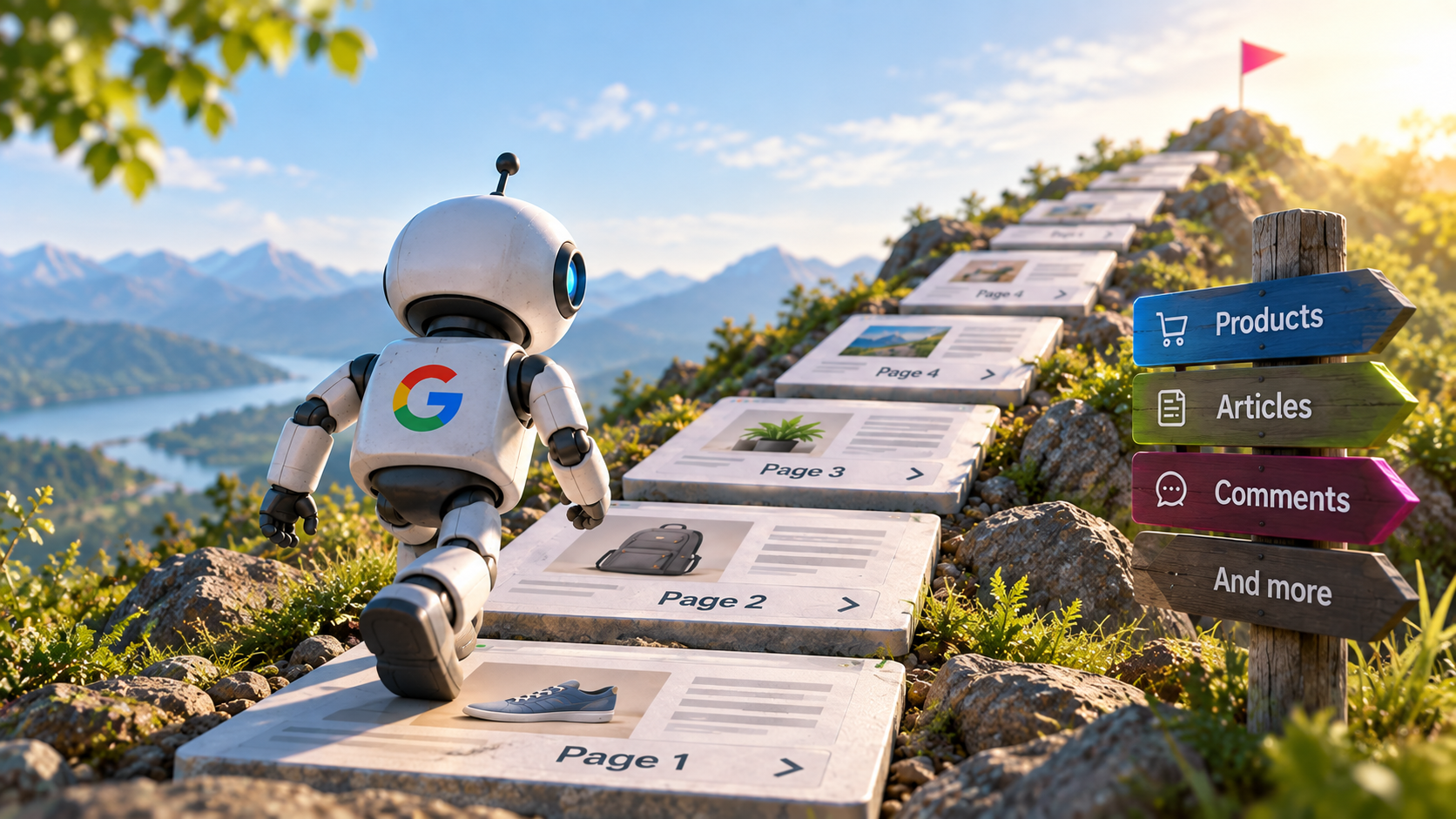
Pagination can open paths to deeper content — or quietly cut them off. See what matters for crawling, indexing, and canonicalization.

A 50-page report can still be fluff. Separate automated findings from the expertise and recommendations that make an SEO audit valuable.

Your crawler can find the symptom. Your audit needs to explain the cause, why it matters, and what should happen next.

A 41-day experiment reveals how JavaScript-only navigation limits AI crawler discovery and why fixing it later can be harder.
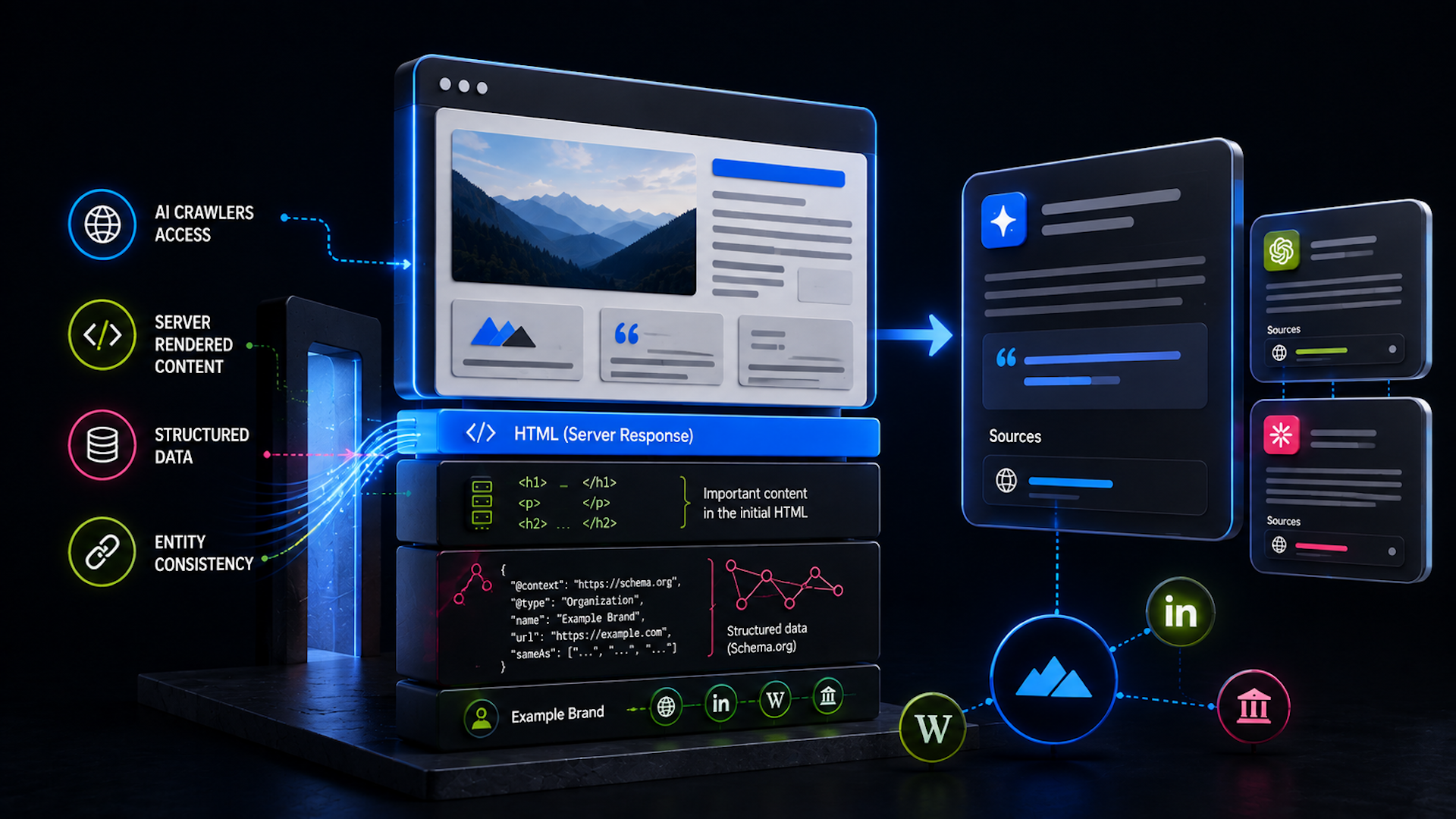
AI systems can miss content that search engines handle well. Learn what to check so your pages can be crawled, understood, and cited.
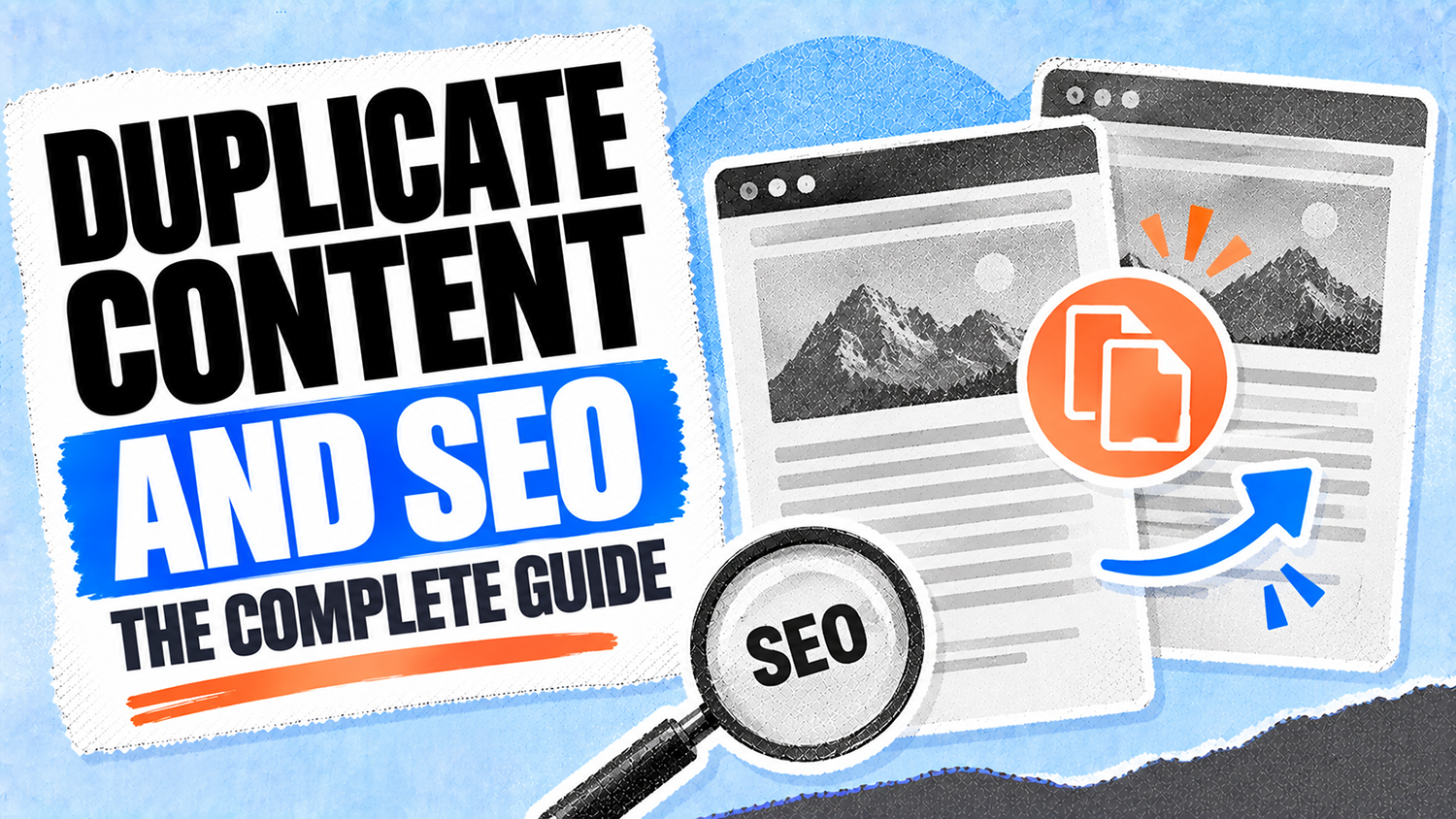
What is duplicate content? And why is it bad for SEO? Get all the info right here.

New research exposes the mechanics behind ChatGPT citations, including what gets retrieved, what gets read, and what ultimately gets cited.

The hardest part of an SEO test is knowing what caused the result. Choose comparisons and metrics that make your findings easier to defend.

Build your local presence around real locations, markets, and service areas instead of turning every geographic keyword into a new URL.

An audit of 71 businesses found major gaps in AI retrievability, from unreadable websites and dead domains to missing trust signals.

AI Max changes how Google targets searches, creates ads, and selects landing pages. See what to monitor and control during the migration.

Publishing more articles won't always improve SEO. Learn how indexing, crawl budget, and content pruning can drive better results.

Some technical SEO tasks deliver measurable value. Others can wait. Here's how to tell the difference before investing developer time.
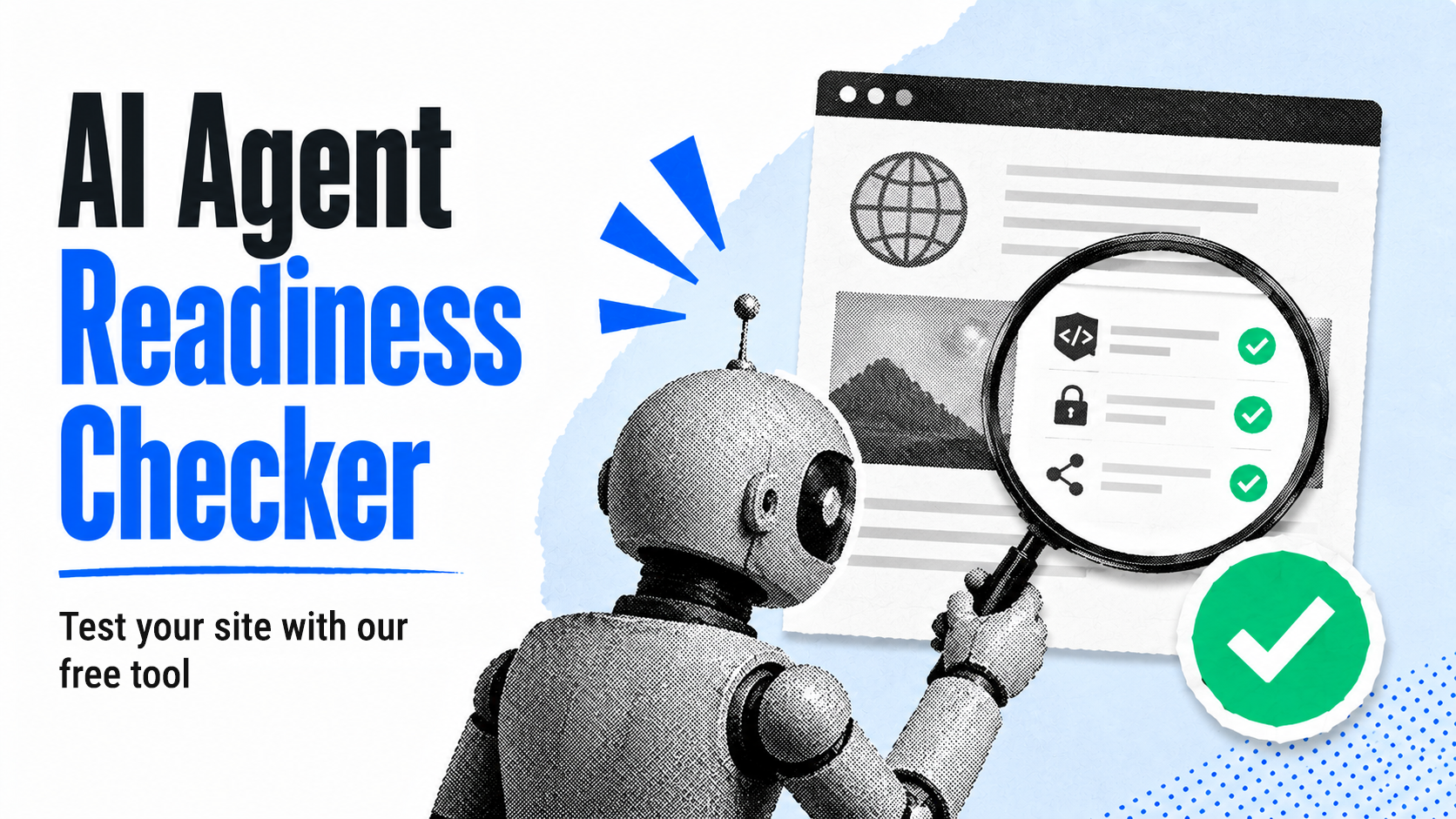
Use our free AI Agent Readiness Checker to test your site's AI visibility. See crawler access, structured data, citations, and what prompts you appear for.

A new dashboard shows which AI bots hit newsletters, what got blocked and whether any of that crawling sends readers back.

Search engines leave behind a detailed record of every visit. Here's how that data helps uncover hidden SEO issues at scale.
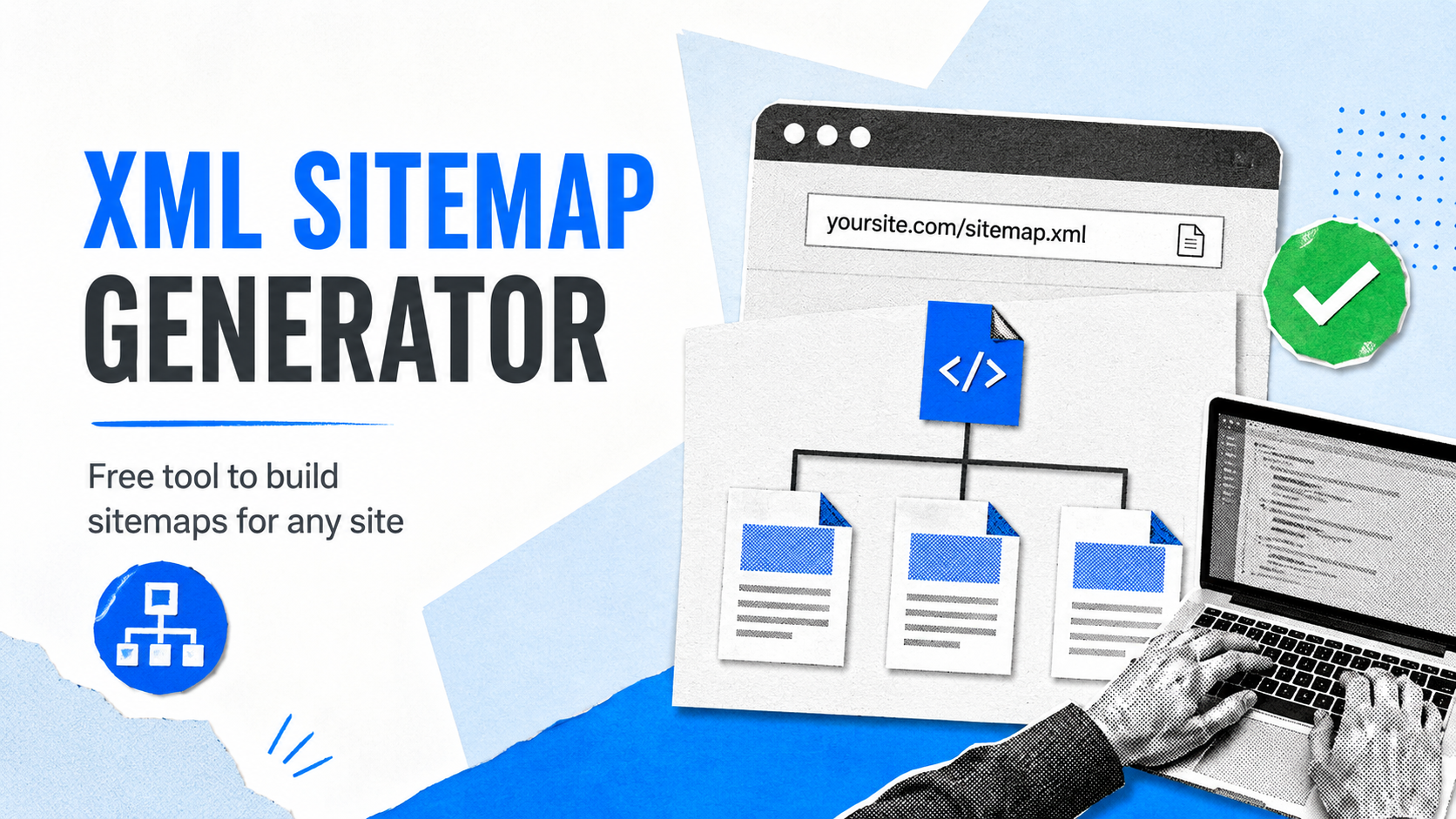
Want to make sure search engines and AI crawlers can find your pages? Make a sitemap in seconds with our free Sitemap Generator tool!

Learn how to use AI crawler tools and software to optimize for AI crawlability, allow, block, or limit AI bots, audit crawling behavior, and implement controls.

Learn how to optimize your site for AI crawlers with technical SEO best practices — and control access by blocking or allowing crawlers with directives.

What are AI crawlers? Learn about the different types of AI crawlers, their purposes, what they can see, and if you should allow them to crawl your site.

Your SEO tools show nothing wrong. But platform-level limits may be quietly blocking AI systems from accessing and citing your content.

This is just a limited test now for some AI agents hosted on Google's infrastructure but it may roll out more widely sometime in the future.

Parameterized URLs bloat crawl paths, fragment attribution, and dilute link equity. Here’s a cleaner, scalable tracking approach.

Rendering isn’t always immediate or complete. Learn where no-JavaScript fallbacks still protect critical content, links, and indexing.

Track how AI crawlers access your site, identify crawl gaps, and understand what content gets missed using log file data.

Unexplained Google Ads disapprovals are disrupting campaigns, raising concerns about lost traffic and wasted spend.
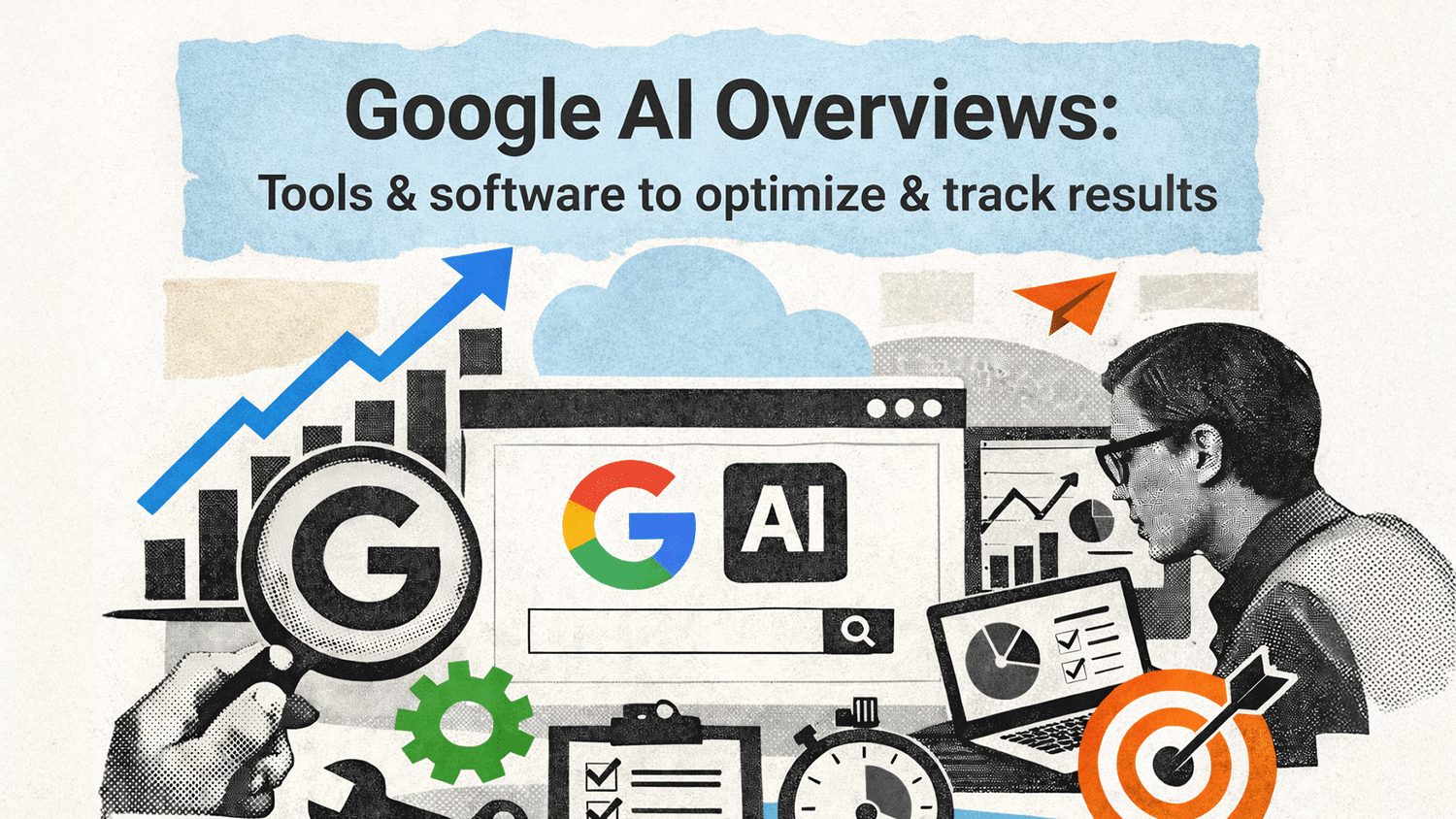
Find the best tools and software for ranking in Google's AI Overviews, and learn how to use them to optimize and track visibility.

The real shift is machine-driven discovery, where AI agents research and decide before humans ever visit your website.

Control how AI bots access your site, structure content for extraction, and improve your chances of being cited in AI-generated answers.

New user agent reveals when Google-hosted AI completes tasks like browsing or form fills, opening visibility into assisted user journeys.

Website migrations often fail due to small oversights. Here’s how to reduce risk with pre-launch, launch-day, and post-launch SEO checks.

Where do AI systems lose confidence in your content? Discovery, selection, crawling, rendering, and indexing hold the answer.

Audit data across 10 industries shows access failures, weak evidence, and low utility make some sites easy for AI systems to bypass.

Google has a new help document on how Google's crawlers work.