SEO debugging: A practical framework for fixing visibility issues fast
Learn how to debug SEO issues fast—crawl errors, rendering problems, indexing blockers, ranking drops, and SERP shifts—using a structured diagnostic framework.

Learn how to debug SEO issues fast—crawl errors, rendering problems, indexing blockers, ranking drops, and SERP shifts—using a structured diagnostic framework.

AI is changing search, but traditional SEO still drives most traffic. Real-world data shows which tactics continue to perform.

Google's latest update gives large advertisers clearer, cross-account insight into how PMax allocates spend and performs across channels.

Reviews are disappearing faster as moderation systems, industry risk, and geography shape which reviews stay visible.

Images are now parsed like language. OCR, visual context and pixel-level quality shape how AI systems interpret and surface content.

Search demand forms before keywords appear. See how Exploding Topics, social search, and PR support early authority building.

Microsoft’s new asset-level editorial review lets compliant ad components run even when others are disapproved reducing campaign disruption.
Google’s policy update expands pharmaceutical advertising access in programmatic channels and shifts greater compliance risk to advertisers.

Google accused SerpApi of 'circumventing security measures protecting others’ copyrighted content that appears in Google search results.'

Learn how Googlebot crawls, renders, and indexes your site. See every crawler type, how crawl budget works, and the technical fixes that improve visibility.

Duplicate or similar content on your site makes it hard for AI search engines to interpret your intent signals.

AI agents increasingly filter options and shape shortlists before people ever engage, shifting where visibility and influence are earned.

Broad match now runs with Smart Bidding. Learn how drift happens, why it matters, and how to keep performance aligned with real intent.

An antitrust case puts AI Overviews, opt-outs, and zero-click visibility under scrutiny amid growing debate over content use and attribution.

Here are four ways to evolve your SEO strategy and boost visibility in AI-powered search.

Learn how to run an SEO gap analysis using Semrush to uncover keyword, content, link, and AI visibility gaps. Build clusters, boost topical authority, and turn insights into revenue-driving roadmaps.

Semrush’s new AI Visibility Awards reveal which brands are winning trust — and share of voice — in AI-generated search results.

Google added native location targeting controls to Demand Gen campaigns, giving advertisers more precise geo-targeting.

Analysis of 10,000 keywords shows pages ranking across Google AI Overview fan-outs account for over half of all citations.

Google noted that if the HTTP status code is non-200 (for example, on error pages with 404 status code), rendering might be skipped.
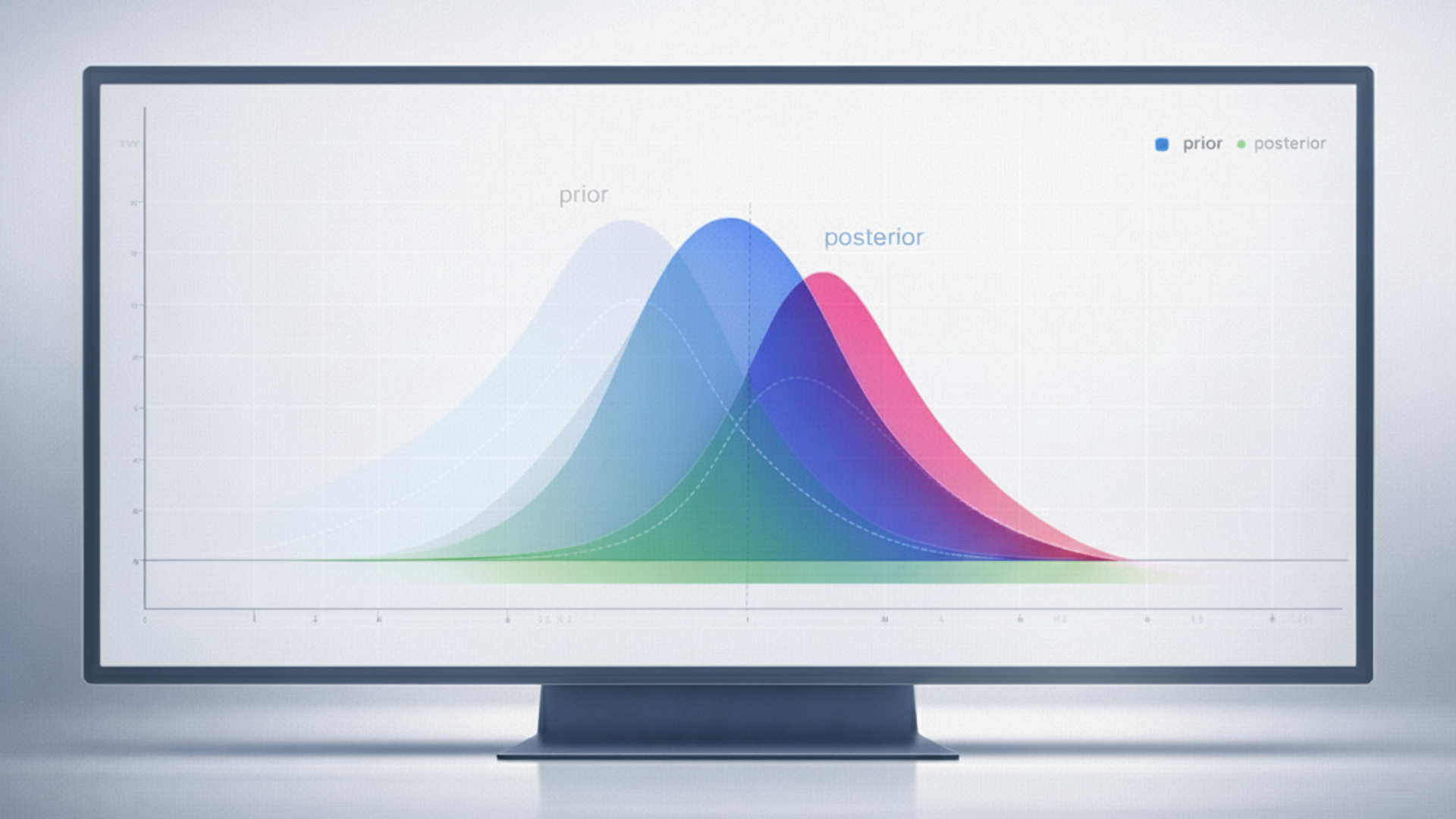
What’s often misunderstood about Google’s incrementality testing and how Bayesian models use probability to guide better decisions.

Apple will add more App Store search ads in 2026, expanding inventory while keeping placements driven by relevance – not higher bids.

Annual SEO planning still works when it’s built for reality. Learn how to set goals, prioritize work, and execute quarter by quarter.

AI can act as a second set of eyes for content, helping evaluate intent signals, compare top results, and refocus underperforming pages.

Google Search Console is once again sending out page indexing issue notifications as well.

Cloudflare data shows AI crawlers exploding, publishers blocking bots, and many platforms sending little traffic back.
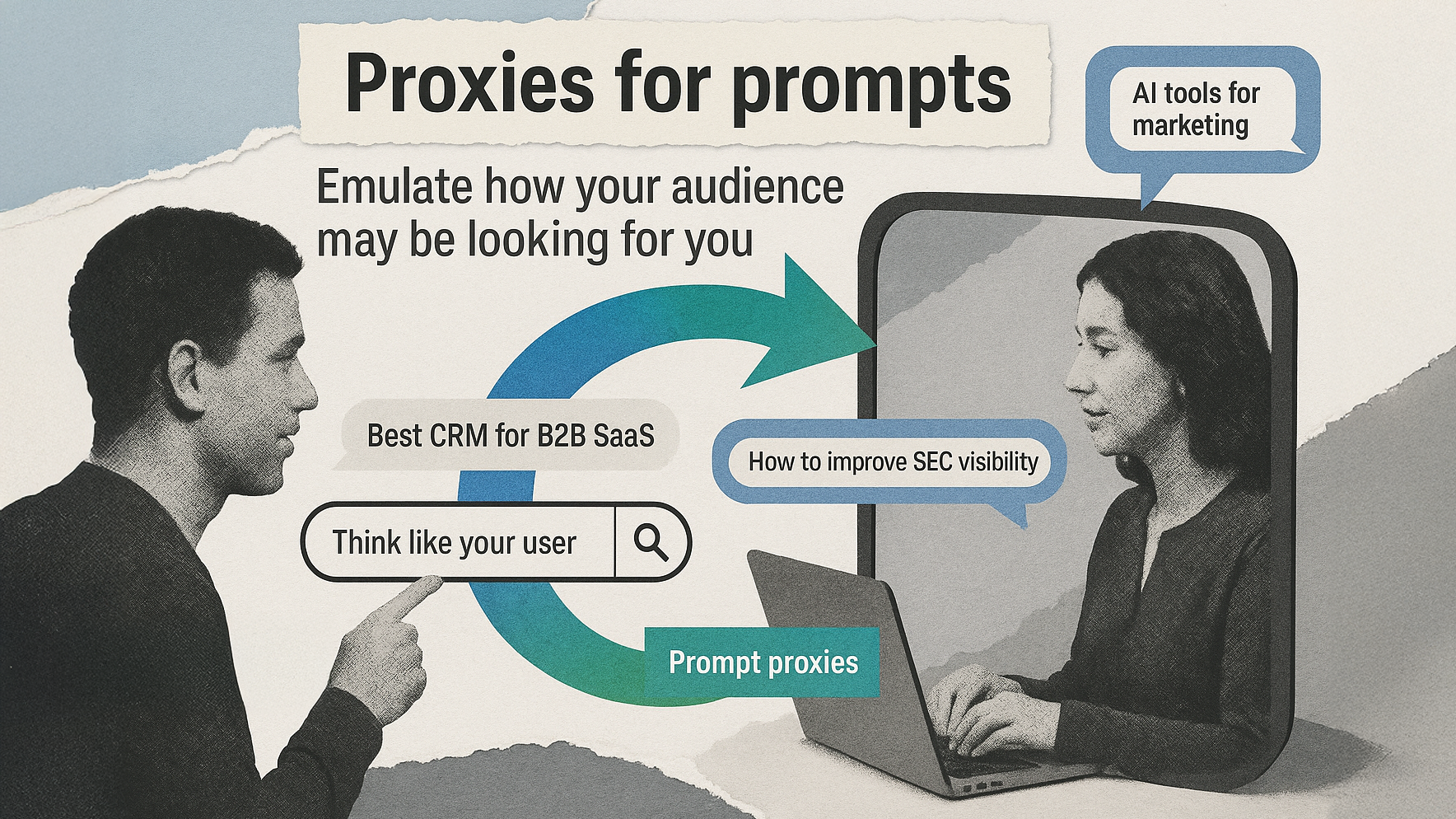
As search shifts from keywords to prompts, learn how SEOs can use data proxies to understand AI search behavior and track visibility across platforms.

Learn how to audit AI model outputs, apply entity markup, and reinforce accurate brand facts in Knowledge Graph data to correct AI hallucinations and protect your brand’s credibility.

LinkedIn Reserved Ads let you lock in top-of-feed placement, boosting visibility, engagement, and predictable reach for B2B campaigns.
Google’s removal of unified pricing rules lets publishers set bidder-specific floors again, which could cause a pricing shift in programmatic auctions.

Not all, but many of the search result snippets contain read more links that take you to sections of a web page.

Google's latest update gives merchants new ways to quickly animate, clean up, and enhance product images directly inside Merchant Center.
Google said AI Mode will deliver faster, smarter answers and tackle complex questions, comparisons, and planning with stronger reasoning.
AI search is not changing SEO fundamentals. Google's Danny Sullivan says to keep doing things that will make you successful in the long term.

Google added a section on canonicalization best practices for JavaScript to the JavaScript SEO best practices document.

See what the report actually reveals about PMax delivery, attribution, and asset performance – plus where the data still misleads.
A closer look at how Microsoft Copilot uses conversational search to capture intent, reduce wasted spend, and improve ROAS.

How serious marketing teams are using AI to move faster without cutting corners.

Google clarified that exact keywords don’t serve ads in AIOs — but they also no longer prevent broad match keywords from triggering those placements.

Old SEO tactics built for rankings and clicks don’t work in AI Overviews and zero-click SERPs. Learn how to adapt with visibility-first SEO, entity optimization, and answer-ready content.