Top 3 trends in agentic AI for marketers

Marketing has always been about being one step ahead — anticipating what customers want before they know they want it. But with the rise of agentic AI, that edge is no longer just possible; it’s becoming the new baseline.
Unlike traditional AI tools that respond to prompts and wait for the next instruction, agentic AI acts. It plans, decides, and executes multi-step tasks with minimal human input.
The SEO toolkit you know, plus the AI visibility data you need.

Think of it as the difference between a calculator and a colleague. For marketers, this shift is nothing short of transformative, unlocking automation that goes far beyond scheduling posts or A/B testing subject lines.
Do marketers use agentic AI?
From autonomous campaign management to hyper-personalized customer journeys that adapt in real time, agentic AI is rewriting the rules of what a lean marketing team can accomplish.
Nearly 70% of marketing professionals believe that agentic AI could be applied to multiple marketing tasks, and almost 30% of marketing departments are already using AI for content creation. But agentic AI goes way beyond using ChatGPT to draft a content calendar or generating images in Midjourney.
Agentic AI is made up of multiple specialized AI agents that can execute entire marketing workflows with minimal human oversight. It dramatically speeds up campaigns and enables teams to implement data-driven personalization strategies at scale. Without the burden of repetitive work, marketers can devote more time to testing, optimization, and strategy.
Here are the three trends every marketer needs to understand right now and how to turn them into a competitive advantage.
1. End-to-end email marketing campaigns
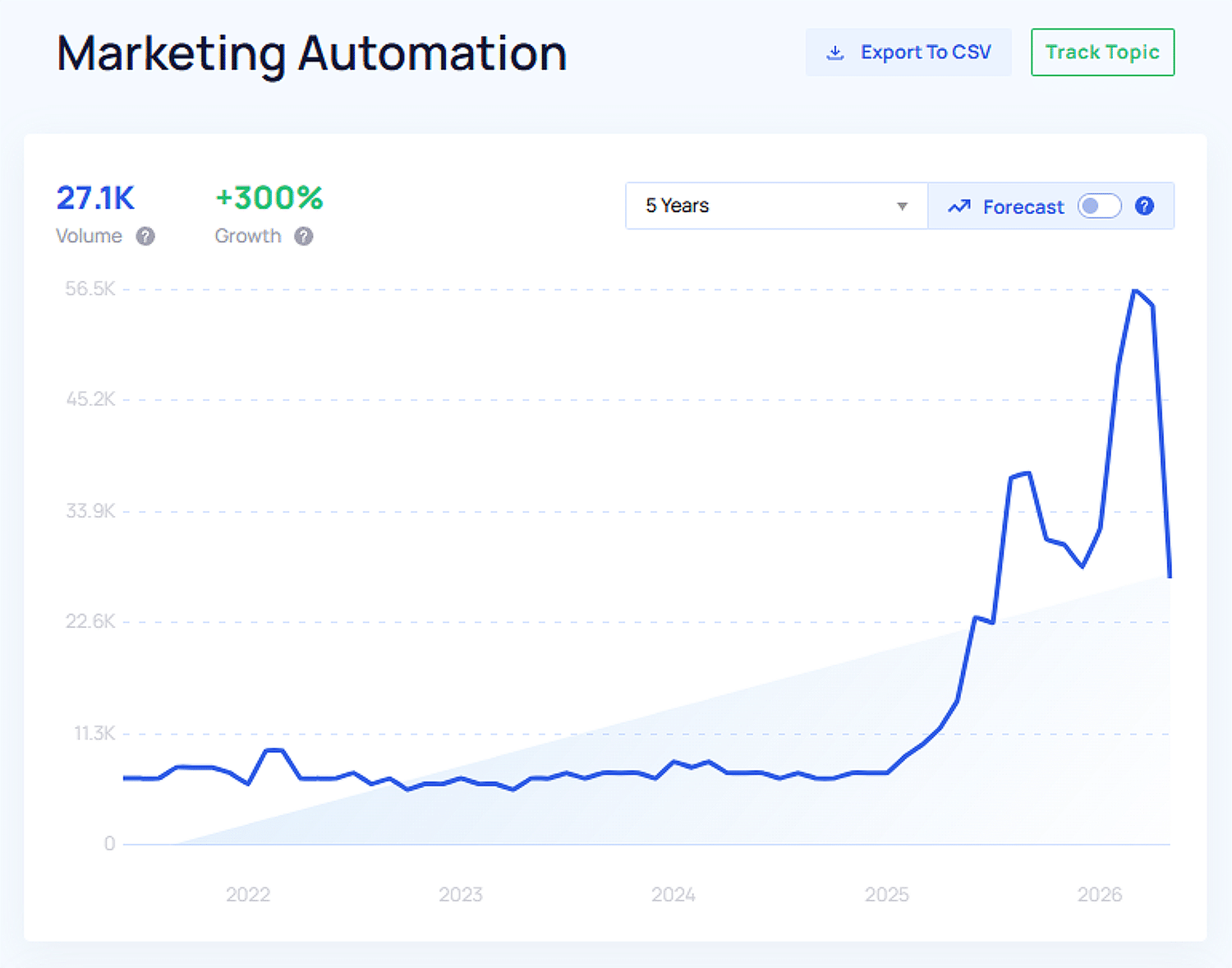
By 2028, industry experts say 15% of day-to-day business decisions will be made autonomously. But some marketing departments are already trusting AI agents to run end-to-end, autonomous email campaigns.
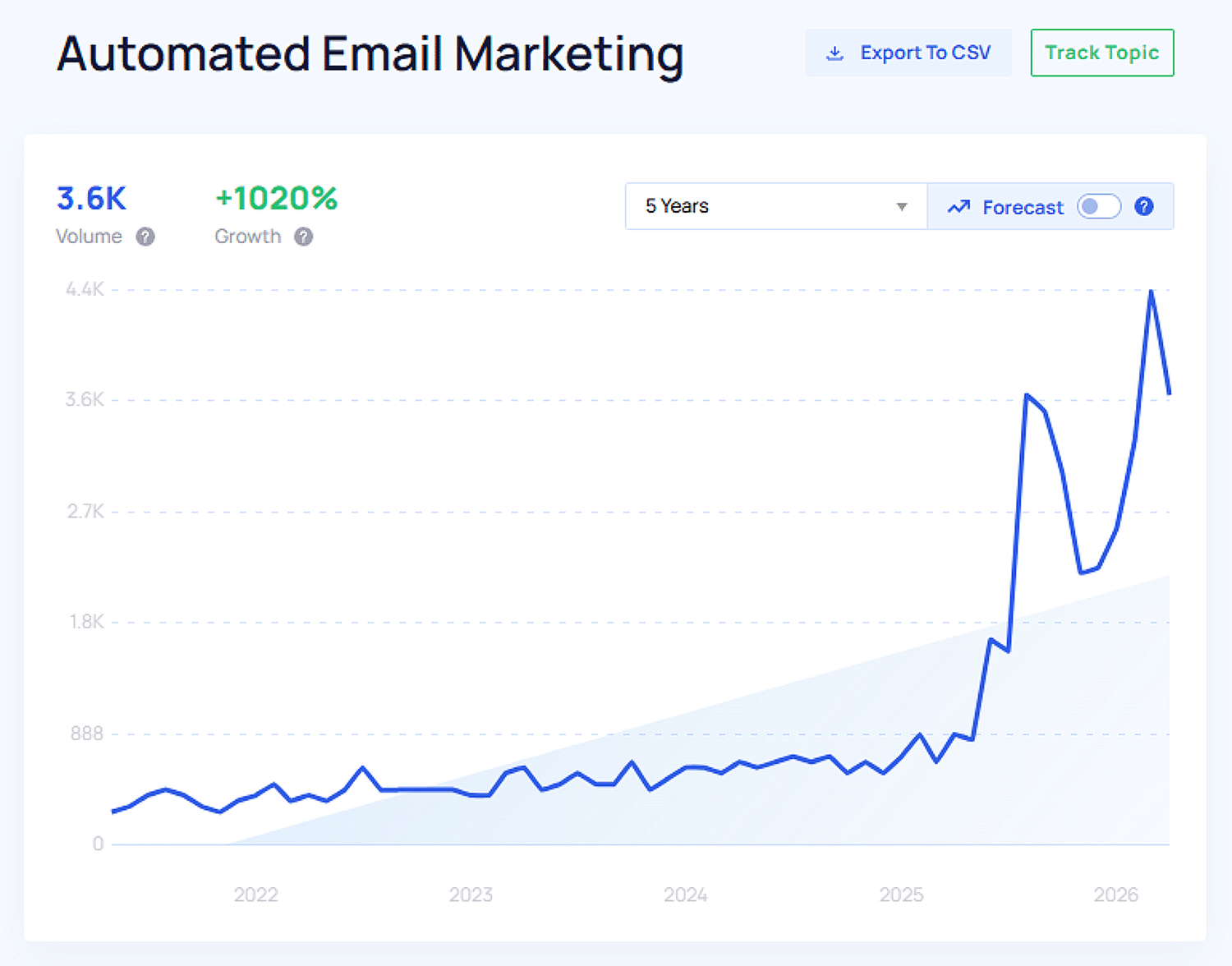
Exploding Topics data shows that search interest in “automated email marketing” has grown 4x in the past two years.
AI workflow tools now enable marketing teams to create separate AI agents for each step of the process, from setting the strategy to designing the final performance report.
But they don’t work in isolation.
AI agents can be connected to various company data sources, like CRMs, ad platforms, and customer support systems. This provides deep context as the agents work to optimize campaigns.
While these agents can be instructed to work continuously without human intervention, most marketers want to retain some control over campaigns. Agents can be instructed to wait for human approval at certain points of the process. This helps to prevent hallucinations and brand voice drift.
Data from McKinsey shows that AI agents that handle repetitive actions, like segmenting lists, drafting copy, and scheduling sends, can deliver up to 40% faster campaign cycle times.
As of now, this trend is relying on early adopters.
According to an ActiveCampaign survey, about 25% of marketers are using AI agents for end-to-end workflows.
But the coming months are likely to bring a reduction in the complexity of building AI agents and an increase in granular control and guardrails. That should increase the trust marketers place in agentic AI workflows.
2. Hyper-personalized marketing interactions
Recent research shows that approximately two-thirds of brands will be using AI to deliver hyper-personalized customer interactions by 2028.
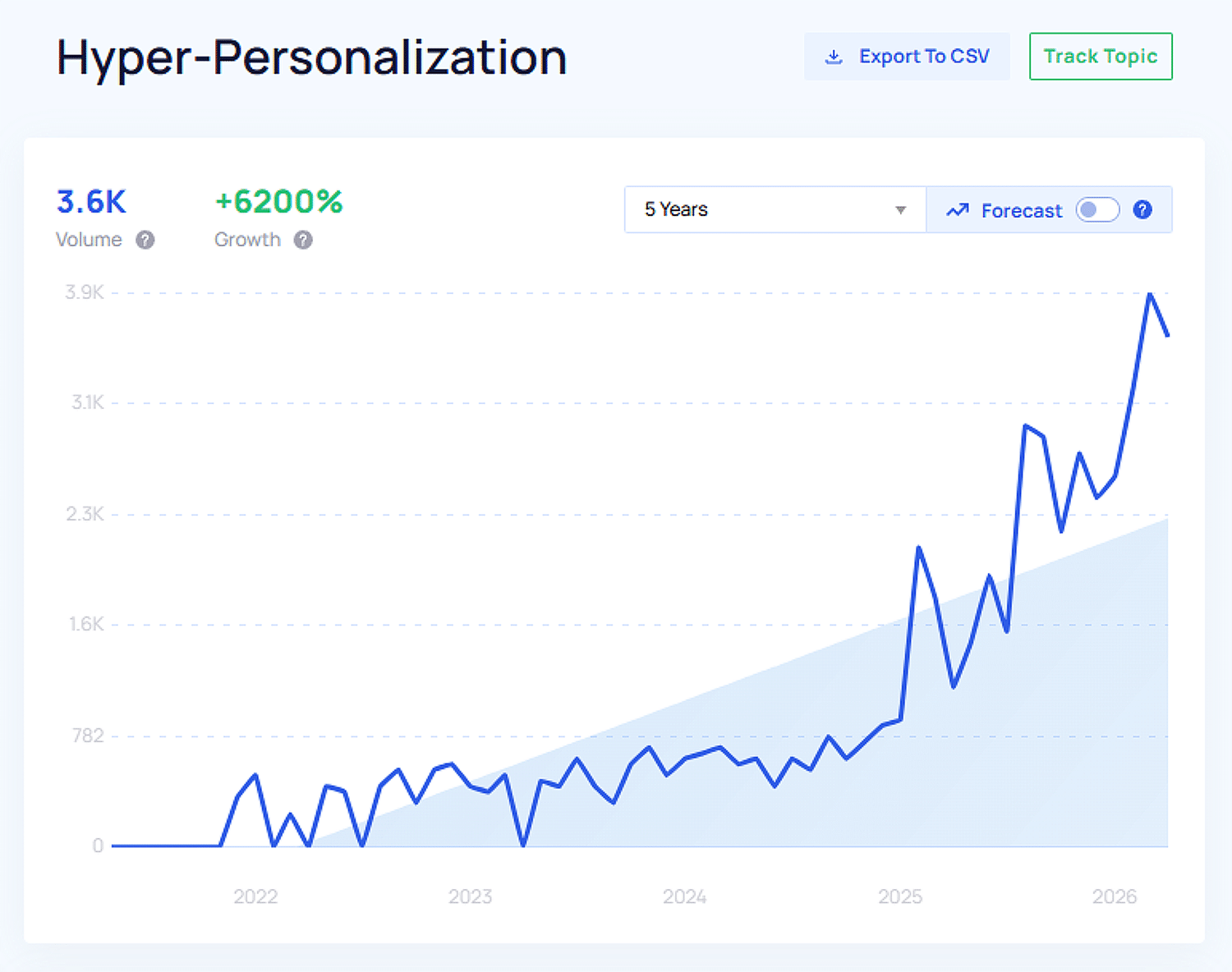
Search volume for “hyper-personalization” has exploded since the release of the first generative AI systems. It’s grown by more than 6,000% in the past five years.
This is one of the most critical uses of agentic AI for marketers. It plays to the strengths of specialized AI agents and directly increases customer satisfaction.
In fact, McKinsey reports that more than 70% of customers expect personalized interactions and more than 75% get frustrated when their interactions are not personalized.
This has direct, bottom-line results: AI-powered personalization strategies increase customer satisfaction by up to 20% and boost revenue by up to 8%.
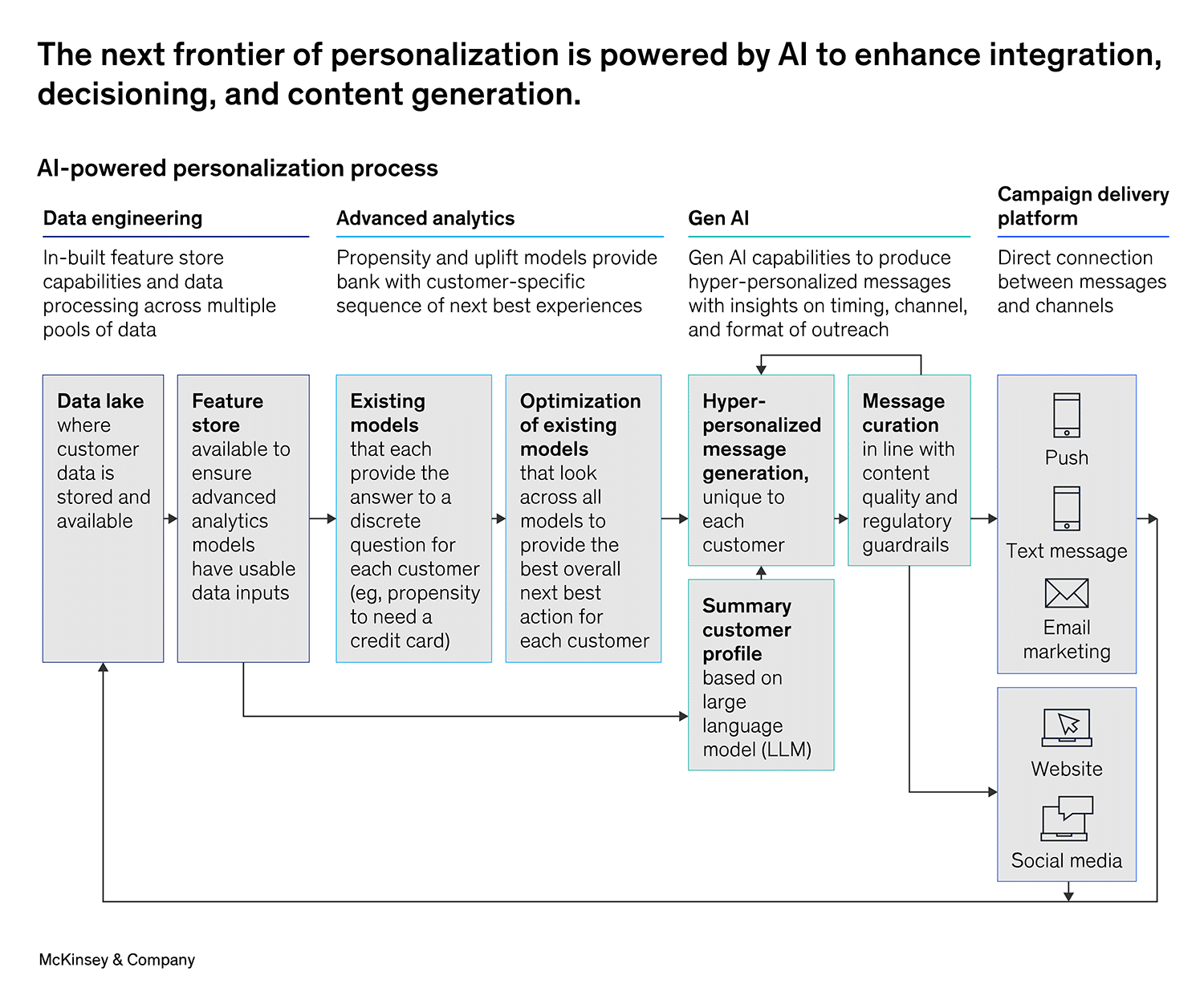
AI agents make hyper-personalization much more efficient.
Where it would take human marketers several hours to comb through behavioral data, look up purchase history, and connect CRM records, AI agents can do it in a matter of minutes.
AI agents can go way beyond personalizing the basics like subject lines and sale offers.
When they’re trained directly on your brand and customer actions, they’re able to make proactive decisions about things like the best time to send a follow-up email to a lead or when to stop a message from sending altogether.
AI agents can also take actions like personalizing the modules on your app’s homepage, breaking ad audiences into micro-segments, and orchestrating cross-channel communications based on browsing behavior.
In addition, agents can continually update their strategy as more data comes in. This is especially critical for marketers working on large accounts. Human efforts simply cannot scale enough to personalize communications for each customer.
This is another trend that’s in the early stages, but many companies are already seeing positive results.
About 20% of marketing leaders say they strongly believe that their AI-powered personalizations are improving engagement and outcomes. Another 32% “somewhat agree” that their efforts are paying off right now.
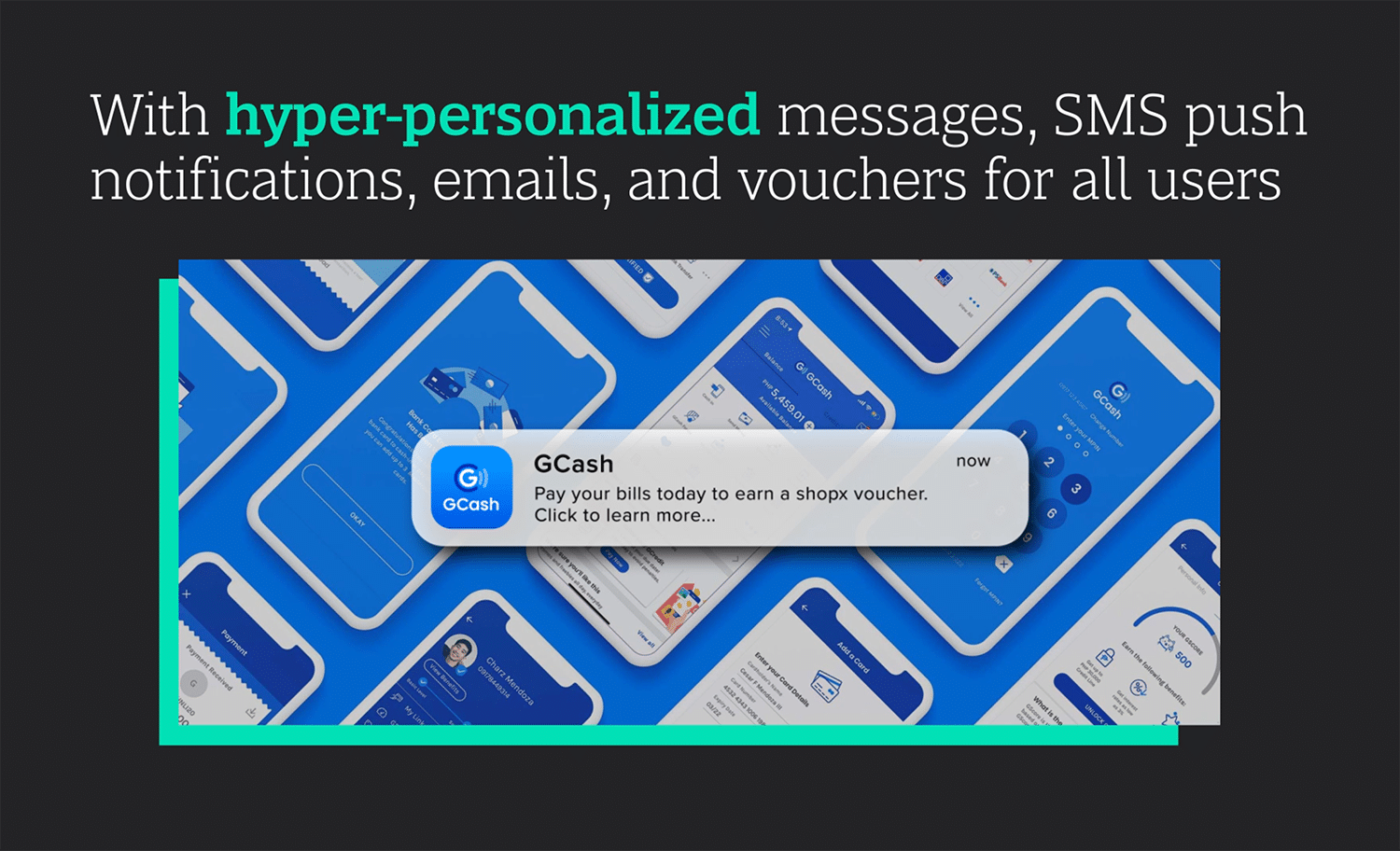
One example of AI-powered hyper-personalization at scale comes from a Filipino fintech app called GCash.
The brand recently invested in building out its agentic AI capabilities. Now, their CRM system can trigger more than 1,500 personalized actions at any one time instead of relying on 30 one-size-fits-all campaign actions with their old CRM.
With agentic AI, GCash triggers more than 225 million hyper-personalized interactions daily.
3. Automated content operations
Nearly 30% of marketers believe that content and creative asset production will be the area most affected by AI in the next three years.

AI is already making its mark in content production.
HubSpot’s State of Marketing report shows that 80% of marketers are already using AI to assist in content creation, and 75% are using AI to assist in creating media assets.
In all, 71% of marketing professionals say AI is the reason why they can now create significantly more content than in previous years.
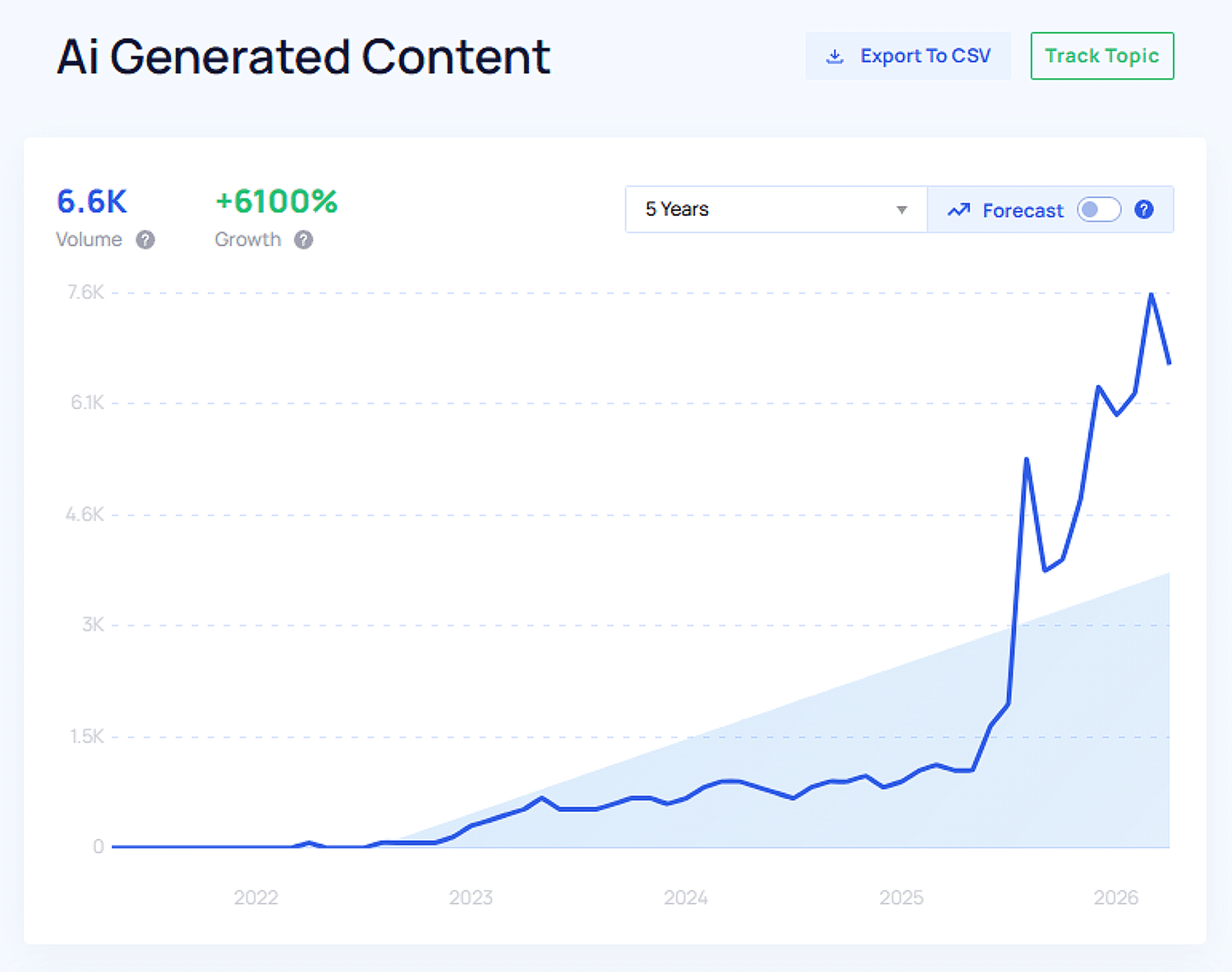
But this assistive role points to just a small portion of what agentic AI can do for content operations.
For instance, take this agentic workflow directed at creating social media content:
- It starts with an analysis agent looking at Instagram to find up-to-the-minute trends and high-performing content. The agent evaluates content against predefined brand criteria, like thresholds for engagement rates, shares, and comment quality.
- Then, the data is sent to an ideation agent that comes up with several new Instagram content ideas based on what the analysis agent found. Because it has been trained on your brand, the new ideas it comes up with directly align with your audience, voice, and goals.
- The writing agent takes over the workflow to create text for the caption, as well as text for the slides or scripts.
- An image agent takes art direction from the previous agents to create the post image.
- The last step is approval from the human marketer. Once that’s complete, the automated workflow wraps up by scheduling the post.
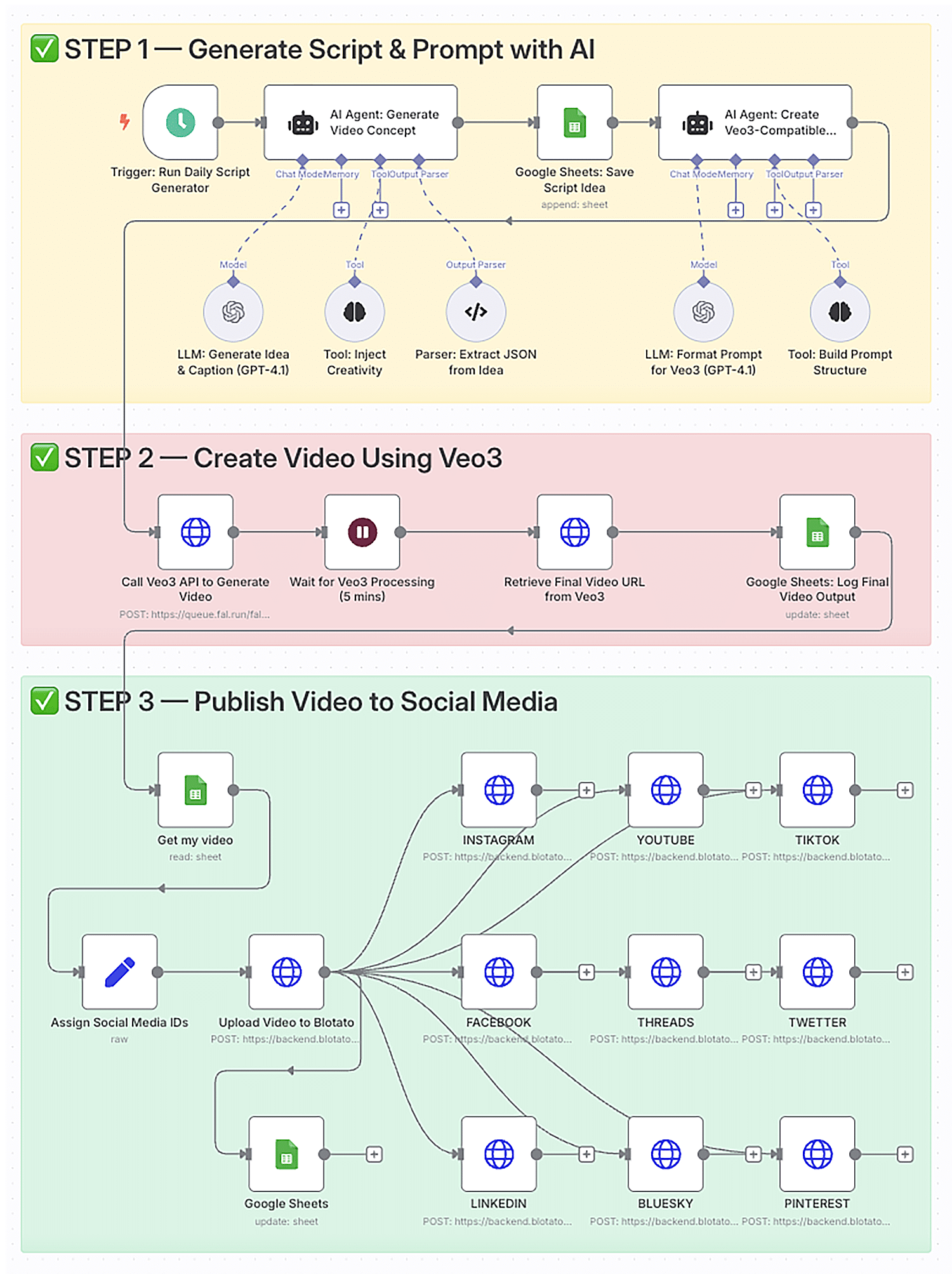
Data from PwC shows that agentic AI can automate 40% of a content manager’s workload.
However, it’s important to note that content marketers shouldn’t judge the success of agentic AI by sheer output. Metrics like organic traffic, search visibility, time on page, and conversion rates are the true measures of performance.
What can’t be outsourced to AI agents?
As generative AI and agentic AI become more widespread, many people are wondering if their jobs are at risk.
For marketers, these concerns make a lot of sense.
Like we’ve seen above, agentic AI creates new efficiencies and turns several marketing tasks into hands-off, behind-the-scenes actions. Data from Anthropic echoes this: 65% of tasks performed by marketing professionals have the potential to be automated by AI.

So, what are the leftover 35% of marketing tasks that can’t be performed by agents? They’re tasks that rely on something other than pure execution.
For example, AI agents can be trained on a brand’s mission and voice, but they cannot automate the nuances of brand positioning, like deciding the brand’s point of view, long-term goals, or values-based positions.
Agents excel at analyzing data but cannot fully grasp empathy for customers. Human marketers are still needed to identify customer pain points, understand cultural context, and build trust.
For example, in a recent scientific study, AI was found to be overly emotional when it was presented with negative circumstances and indifferent when presented with positive circumstances.
Track, optimize, and win in Google and AI search from one platform.
That same study found AI to be biased based on gender. It tried to act much more empathetic when it thought the prompter was female versus a male.
That bias extends to race, too.
A survey from the Pew Research Center found that just 19% of respondents say AI systems take the experience and views of Black Americans into account.
Overall, just 7% of Americans fully trust AI to make unbiased decisions.
Marketers’ judgment and emotional intelligence cannot be replaced by AI.
This means today’s marketers must move past basic execution. They should prepare to take on a more strategic role that shapes what the brand is and how it relates to its target audience. Human empathy and authenticity are what will ultimately win trust and bring customers to your brand.
Explore more on
Editorial disclosure
Search Engine Land is owned by Semrush. We remain committed to providing high-quality coverage of marketing topics. Unless otherwise noted, this page’s content was written by either an employee or a paid contractor of Semrush Inc.
About the author