Google Display migration to Demand Gen: How to protect your ad budget
Demand Gen removes familiar Display controls. See what changes, what to audit, and how to limit wasted spend after migration.
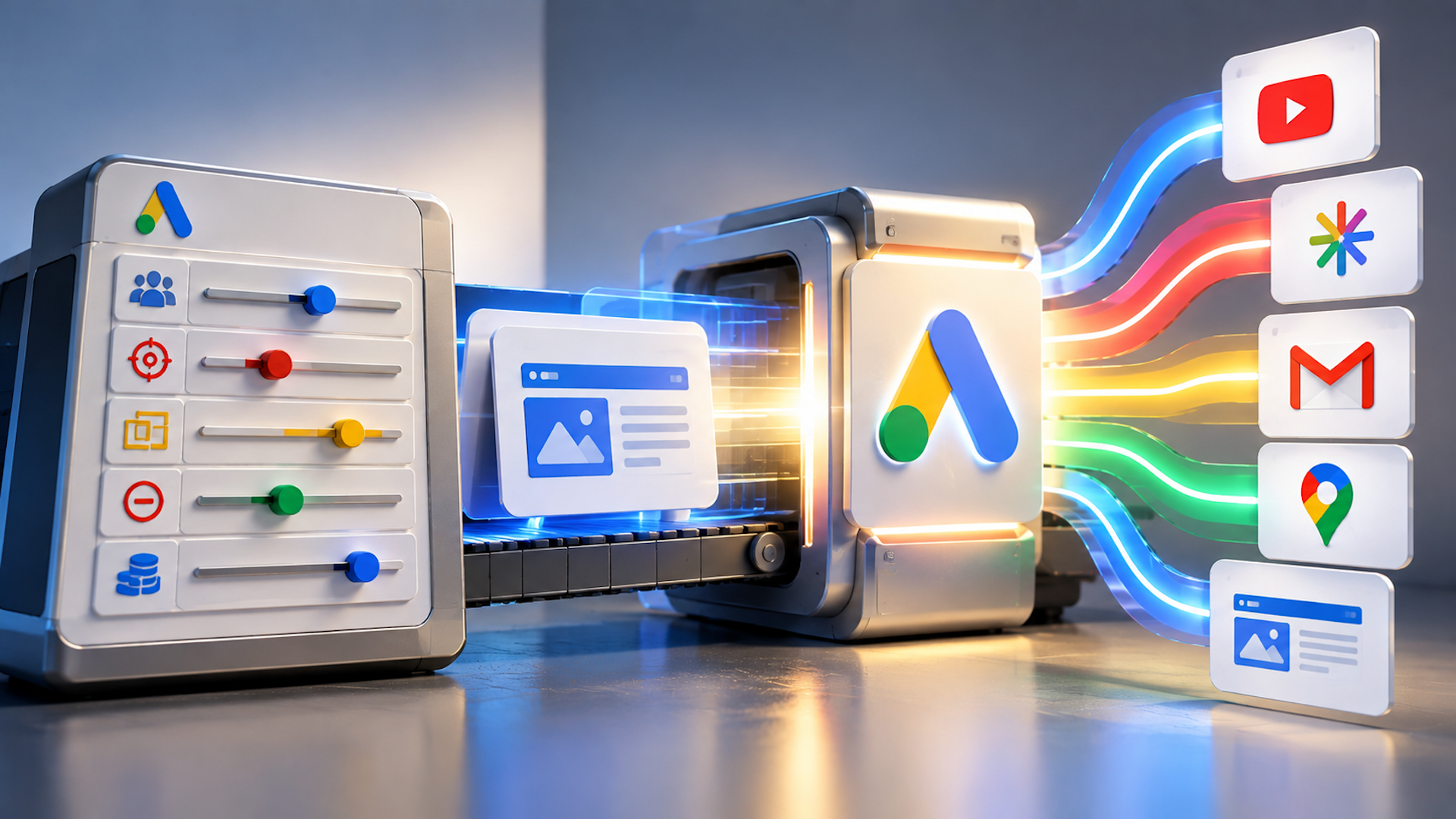
Demand Gen removes familiar Display controls. See what changes, what to audit, and how to limit wasted spend after migration.
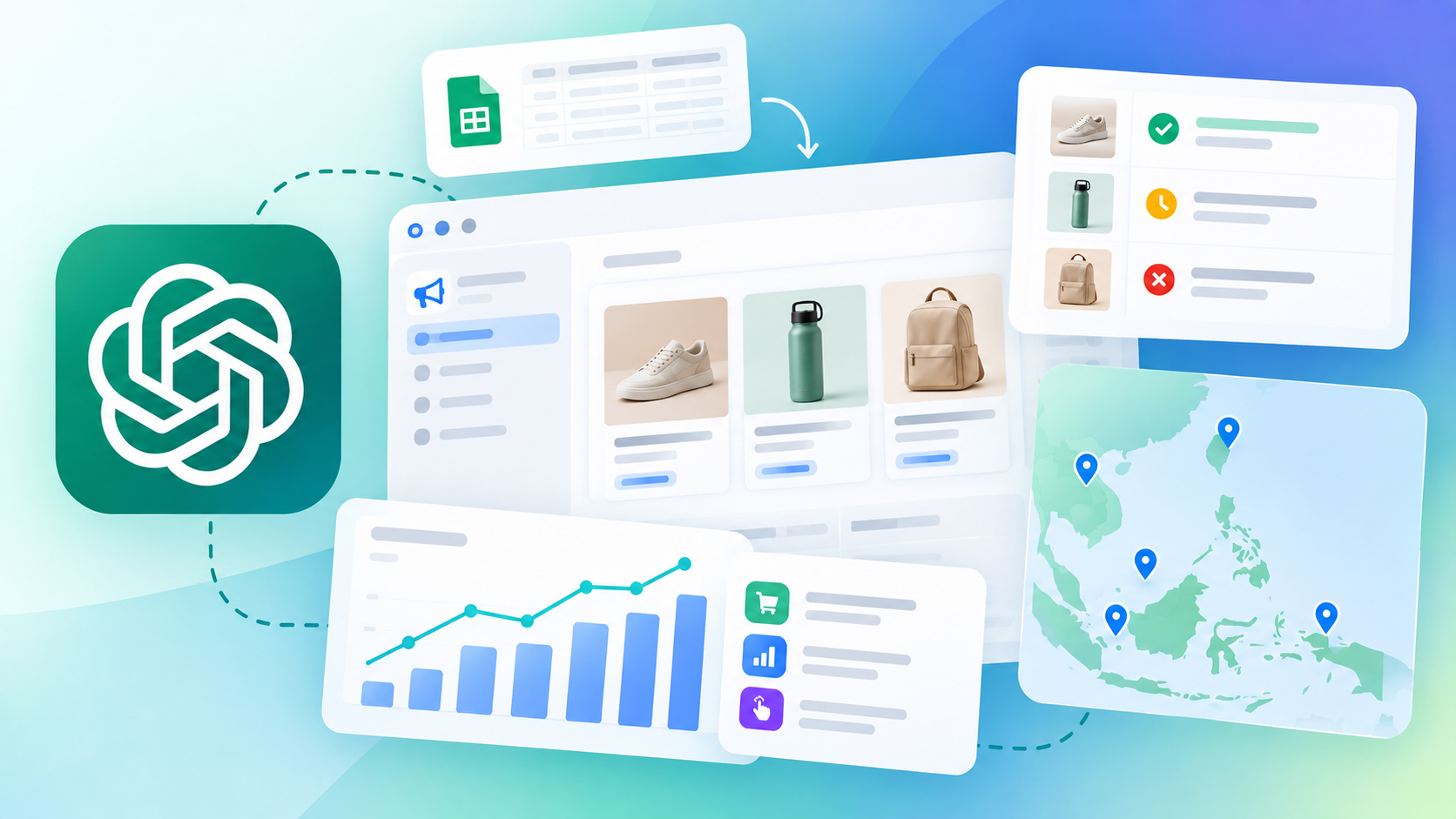
ChatGPT Ads now offer faster product campaign creation, deeper conversion reporting and expanded access across Southeast Asia.
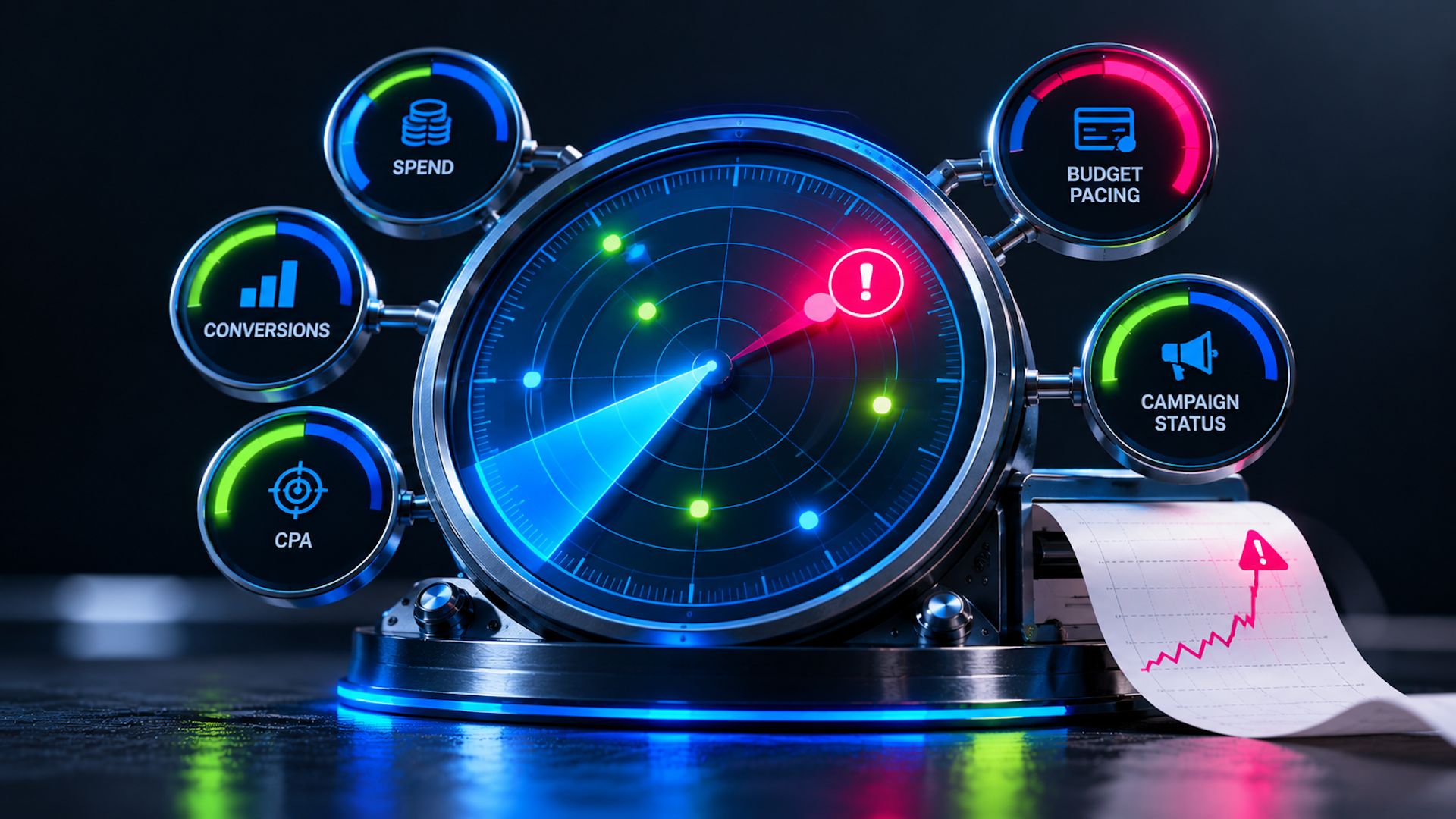
Catch PPC account changes, budget problems, and unusual performance between audits — without turning every fluctuation into an alert.

AI automation costs more than tokens. Learn how to track team hours, cap experiments, and make the tradeoffs visible.

Some Google Ads settings are firm rules. Others are suggestions. Knowing the difference can prevent slow, invisible performance losses.
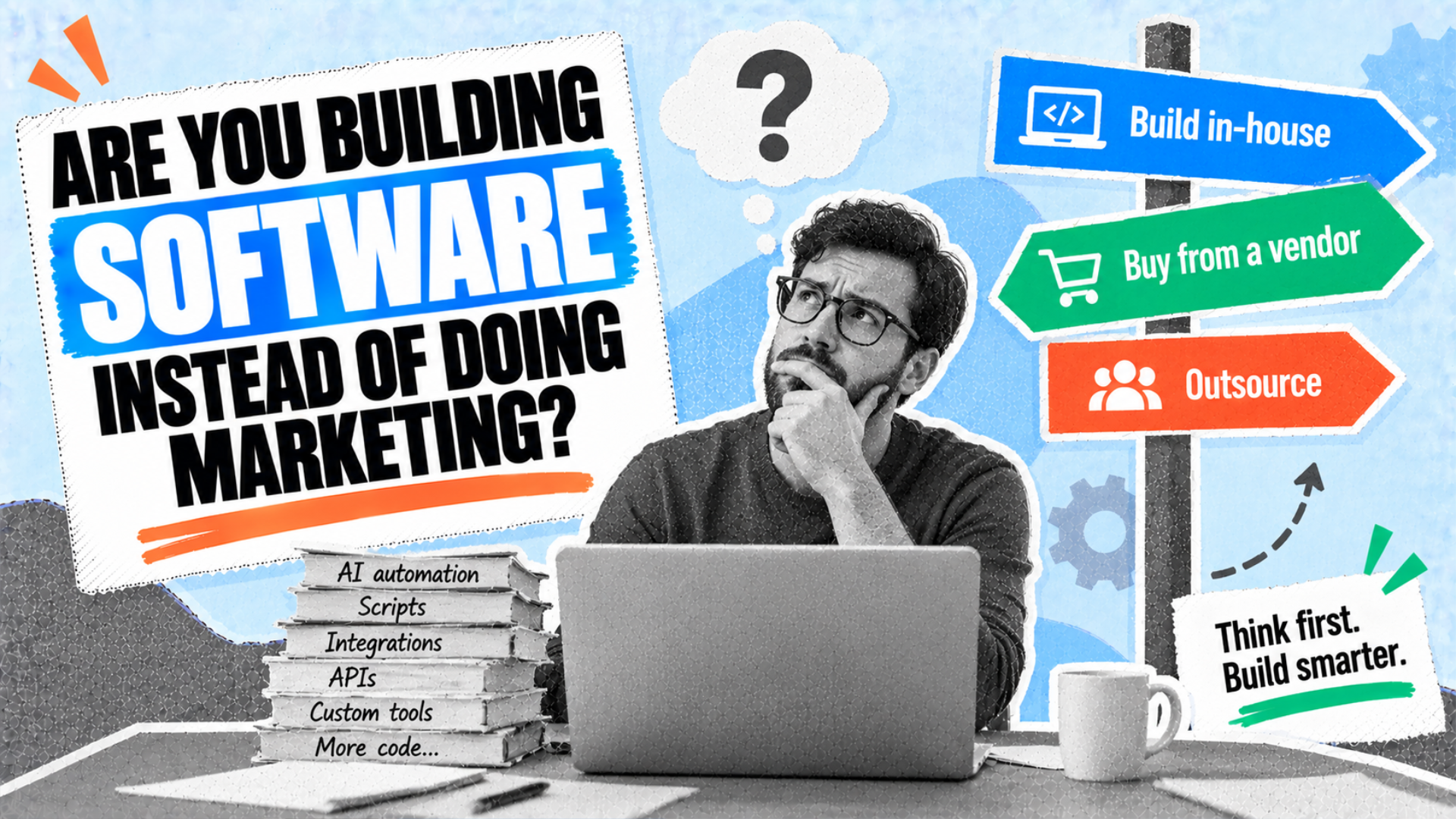
Your team doesn't need to build every AI workflow. Decide what to automate in-house, buy from a vendor, or outsource.

Mike Ryan shares lessons from AI Max mistakes, campaign over-segmentation and advertiser overreactions to Google Ads changes.

Automation layering techniques can be deployed to successfully make AI-driven PPC safer.

Agentic marketing works best when marketers can inspect the data and evidence driving an agent's recommendations.

Balance scale and control by matching automation to conversion volume, account maturity, and performance needs.
Discover the best AI marketing tools for content, video, research, and automation. We tested top platforms to help you find the right fit for your strategy.

New inventory and AI-powered creative come with trade-offs. See which controls and capabilities change in Demand Gen.
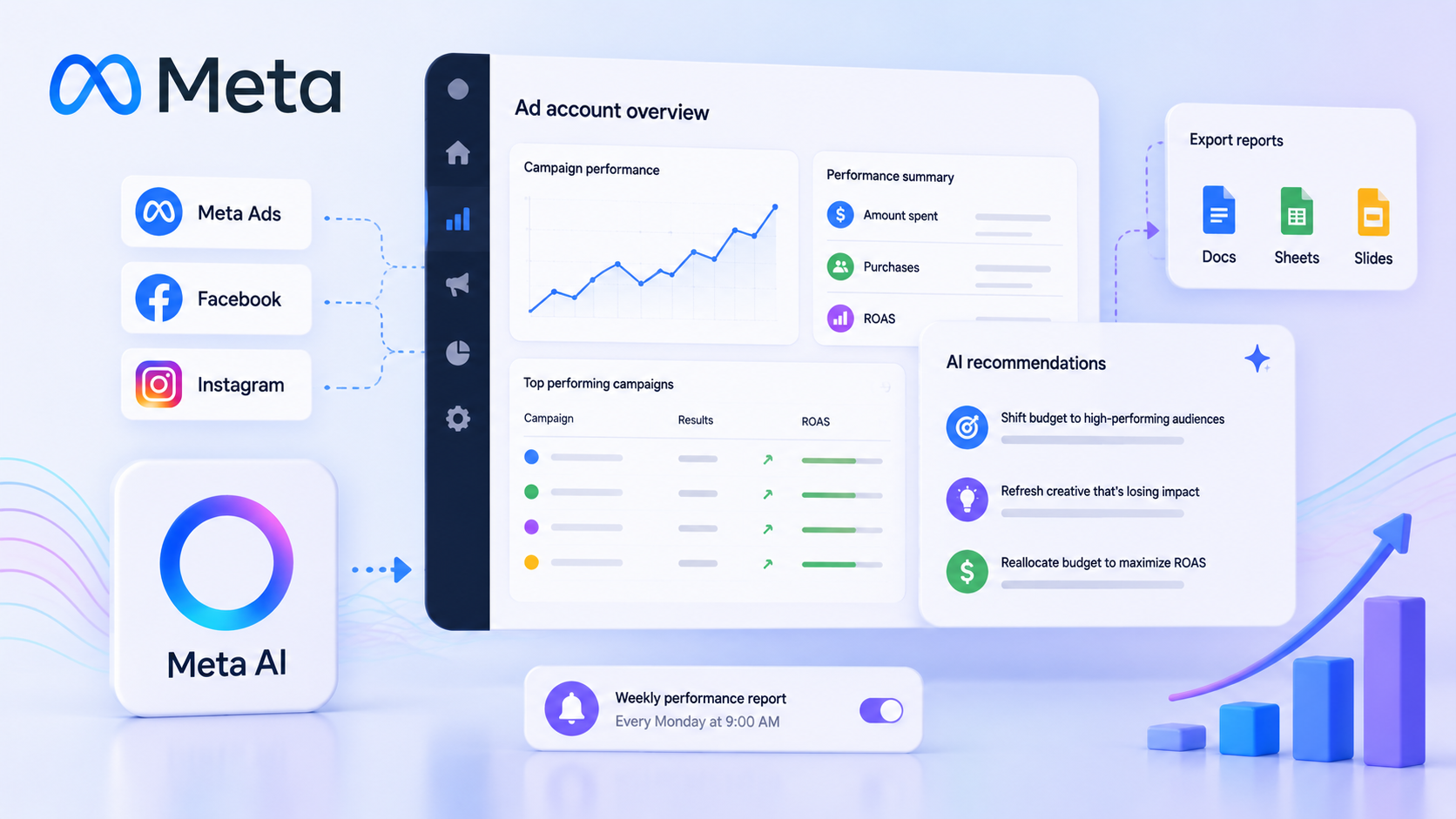
Meta AI can now analyze Meta Ads performance, recommend campaign optimizations and automate reporting for advertisers.
Three months after Google Marketing Live, Google Ads is laying the groundwork for better B2B lead gen. Here’s what to act on now.
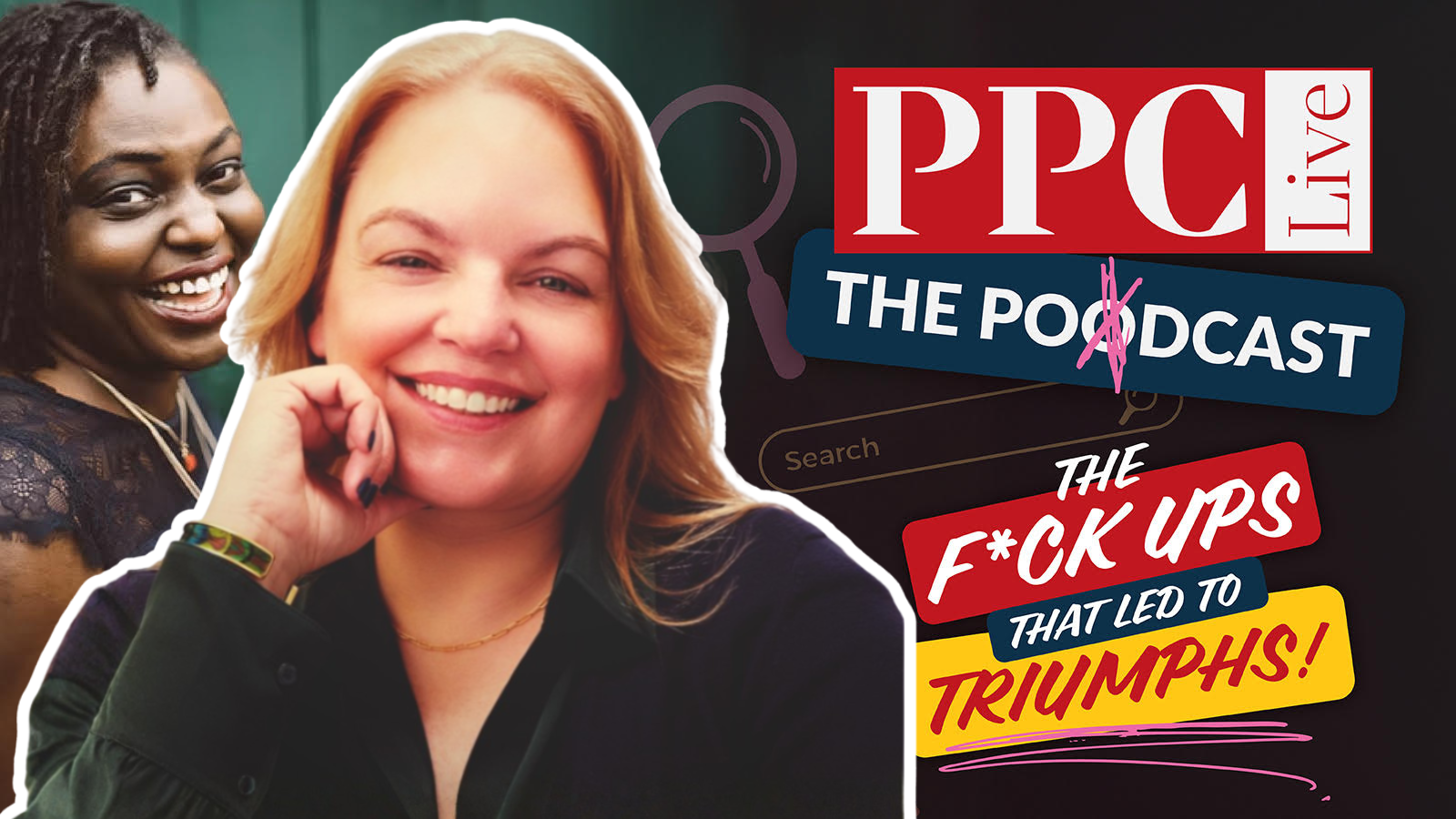
Google Ads Liaison Ginny Marvin discusses Smart Bidding, AI, PPC mistakes and why strong fundamentals still matter with the rise of AI.

Know when to use off-the-shelf AI, when to build custom systems, and what foundations you need before agents can deliver real value.

Google is bringing automated dashboards and conversational reporting to Google Ads and Analytics for faster analysis.

AI assistants like ChatGPT and Claude can now plug straight into your marketing systems. That connection is powerful. But it doesn't replace the platform behind it. It depends on it.

Strong ROAS can mask where your budget goes. Here's how separating brand campaigns drives revenue growth and new customer acquisition.

See where AI-generated assets helped ecommerce, B2B, and B2C campaigns — and where human control still delivered better results.

When products stop getting traffic, they also stop building the signals Google needs to serve them. This automated approach breaks the cycle.

Better business signals, guardrails, and feedback loops keep Google’s automation focused on the outcomes that drive business value.

One version of this story is AI replacing your entire PPC team. The truer one: Humans direct, the machines execute, and then the numbers move.

As performance pressures mount, the future of marketing success lies in transforming your data foundation into a strategic AI-powered engine for growth.

Microsoft is expanding PMax testing with two new experiment types that help measure campaign impact and validate upgrades.

Your conversion data doesn't just power reporting. It shapes who Google targets, how much it bids, and where your budget goes.

Campaign Autopilot aims to simplify multi-channel marketing by handling campaign execution and optimization from a single dashboard.

Better budget decisions start with better signals. Learn how to align bidding, conversion tracking, and audience data with business goals.

Advertisers are now required to give Google's automated systems clearer signals about where audiences sit in the customer journey.

From broken conversion tracking to unmanaged automation, these common mistakes continue to waste budget, leads, and valuable learning signals.

AI Mode eligibility isn't enough reason to expand automation. Learn where to focus before testing AI Max on brand traffic.

Google is giving advertisers more ways to evaluate creative performance and make data-driven optimization decisions.

Advertisers and developers will soon have new tools to automate campaign management and targeting within existing DV360 workflows.

Google Ads is showing AI Max branded search controls that could help advertisers separate branded/non-branded traffic more effectively.

Google’s new AI targeting mode is designed to help brands reach entirely new brand-unaware audiences earlier in the discovery journey.

Google is giving Display ads advertisers access to broader reach, AI-powered optimization and newer Demand Gen features.

Google’s latest AI ad updates revealed major shifts and raises big questions about visibility, trust, and the future role of marketers.

The cross-channel ad ops problem is real and mostly ignored. Here's what it's costing performance marketers — and what's actually changing.

Microsoft AI-powered bidding, attribution and reporting tools aim to simplify multi-platform campaign management.

Google Ads is getting more expensive, but advertisers improving conversion efficiency are still finding ways to grow.