Report: ChatGPT Ads are growing fast, but advertisers are still figuring them out
ChatGPT Ads have quickly developed into a meaningful advertising channel, but new research from Graphite and Similarweb suggests the market is still very much in its experimental phase.
By the numbers. Six months in, 43% of ad-eligible ChatGPT users in the U.S. have seen an ad. Graphite says ChatGPT Ads have also reached a $1 billion annualized revenue run rate and attracted tens of thousands of advertisers.
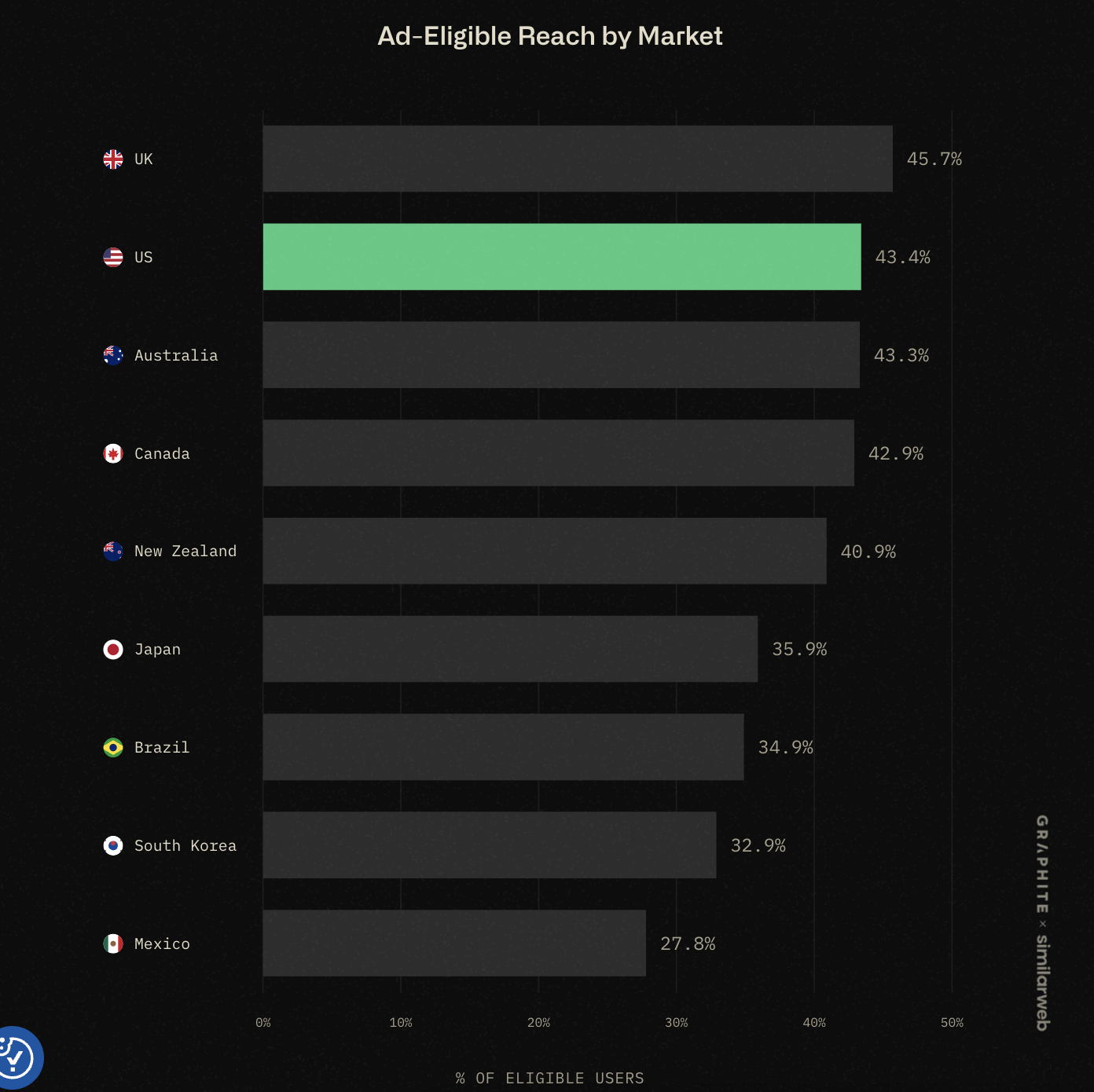
The research. Graphite and Similarweb analyzed audience and performance data alongside more than 98,000 ads and 8,000 landing pages. Graphite’s U.S. dataset alone included more than 95,000 ads from 500+ advertisers collected between April 1 and Aug. 16.
Why we care. ChatGPT Ads are quickly becoming a new performance channel with distinct user behavior and creative requirements. Early data suggests brands can’t simply copy their Google or Meta playbooks, conversational context, purpose-built creative and timing within the conversation can materially affect performance. The opportunity is to learn the channel early while competition and best practices are still developing.
What’s working. Click-through rates have doubled since launch, according to Graphite, suggesting ad performance is improving as the platform matures. But the researchers still recommend treating ChatGPT as an experimental budget rather than a core acquisition channel.
Creative matters. Leading advertisers aren’t simply copying campaigns from other platforms. Graphite found top advertisers create 98% new copy for ChatGPT, with messaging built specifically around the use cases people are discussing in their conversations.
More is more to a point. Advertisers running more creative variations generally capture greater impression share, although Graphite found no magic number of ads brands should produce. Half of the top 10 advertisers also run more ads on ChatGPT than they do on Meta.
Keep landing pages simple. Feature, pricing and product pages are the most commonly used destinations, while most advertisers use five or fewer landing pages. Graphite recommends starting with existing high-intent pages rather than immediately building a large collection of ChatGPT-specific destinations.
Timing matters. Ads appearing during the first few turns of a conversation generate the strongest CTR and impression share. But conversations often continue well beyond those initial exchanges, creating a longer tail of advertising opportunities.
ChatGPT isn’t replacing Google Search anytime soon. Graphite’s analysis says Google still carries significantly more advertising volume, making ChatGPT better viewed as an incremental channel rather than a substitute for existing search budgets.
The bigger picture. ChatGPT advertising is moving quickly from novelty to a genuine performance marketing channel. OpenAI says ads are selected using signals including the context and intent of the conversation, landing page, creative and advertiser-provided context hints, while ads remain separate from ChatGPT’s answers.
The bottom line. ChatGPT Ads are growing quickly, but there isn’t a settled playbook yet. Early evidence favors advertisers that treat the channel as its own environment — testing native creative, starting with focused budgets and continually adapting as the auction and user behavior evolve.
Dig deeper. The State of ChatGPT Ads
Explore more on
Editorial disclosure
Search Engine Land is owned by Semrush. We remain committed to providing high-quality coverage of marketing topics. Unless otherwise noted, this page’s content was written by either an employee or a paid contractor of Semrush Inc.
About the author