Google Analytics Data API adds cross-channel conversion reporting (alpha)
Developers can now access unified paid and organic conversion data programmatically, though the feature is still in limited alpha.

Developers can now access unified paid and organic conversion data programmatically, though the feature is still in limited alpha.

Google Ads API v20 will stop working on June 10, requiring advertisers to upgrade or risk disruptions.

Is AI misrepresenting your brand? Fix how you’re encoded, cited, and surfaced across training, retrieval, and generation.

MCP solves the infrastructure problem that kept AI agents stuck at the analysis stage. But raw access to a live ad account is a liability without the guardrails a platform like Optmyzr provides.

Slow approval cycles and rigid workflows are costing enterprises AI visibility. Faster execution and structured data shift the balance.

Rigid dashboards are slowing reporting down. Learn how AI coding tools and APIs enable faster, more flexible SEO workflows.

Asset Studio speeds up ad creation, but limited control, workflow trade-offs, and shifting responsibilities complicate the picture.

Google’s new MFA requirement for the Ads API strengthens security but may require advertisers to adjust authentication workflows.

Heading alignment and narrow answers drive citations, while long, broad content underperforms, study finds.
The new Merchant API gives advertisers more scalable, feature-rich tools to manage product data while preparing for the Content API sunset.

Google providing a single toggle and multi-source data capture promise more accurate conversion tracking with less setup for advertisers.

Google’s new developer hub simplifies access to tools for automation, tracking and scalable campaign management.

Google’s new commerce protocol signals a shift toward in-search checkout, changing where and how conversions happen for advertisers.

Follow a practical framework to build an AI visibility tracker using vibe coding across ChatGPT, Claude, Gemini, and Google.

Most GPTs fail because they’re too broad and under-tested. Here’s how to build focused, high-ROI GPTs your team adopts and uses every week

Google's v23.2 API update introduces a resource that identifies whether a video ad is Google-generated or advertiser-provided

Learn how Google Search Console’s branded query filtering helps you track awareness, diagnose drops, and measure true SEO impact.

Google will soon block the creation of duplicate Lookalike user lists in the Google Ads API, returning an error code for any violations.

Google’s new protocol enables purchases inside Gemini and AI search. Here’s how it works and how to prepare your feeds and infrastructure.
From April 1, 2026, Google will block inactive developer tokens from uploading Customer Match data via the Google Ads API.

Most SEO work means tab-switching between GSC, GA4, Ads, and AI tools. What if one setup could cross-reference them all?

WebMCP exposes structured website actions for AI agents. See how it works, why it matters, and how to test it in Chrome 146.
Starting April 1, Google will require a $5 daily minimum budget for Demand Gen campaigns in the Google Ads API.

A practical look at how AI agents like n8n automate SEO workflows, from scraping to structured delivery – and where they fall short.

Traditional SEO metrics miss recommendation-driven visibility. Learn how LCRS tracks brand presence across AI-powered search.

Google's WebMCP protocol lets AI agents execute structured actions on websites via browser APIs. Is this the next frontier of technical SEO?

AI search rarely appears in analytics, yet it shapes trust, shortlists, and sales velocity. These experiments show where measurement breaks.

Running the same 12 prompts 100 times shows how inconsistent ChatGPT brand recommendations are – and why AI visibility tracking falls short.

Explore how to make smarter use of search terms, channel and placement reports, and device-level performance to improve campaign control.

The agentic web is emerging fast. Definitions, practical applications, and pros and cons help clarify what readiness really looks like.

Google Ads API v23 lets advertisers break down PMax campaign results by channel, offering more precise insights for optimization.

Google’s v23 Ads API speeds up releases while adding deeper Performance Max insights, AI-driven audiences, and more granular reporting.

Advertisers must migrate to Google’s new Merchant API or risk Shopping and Performance Max campaigns stopping altogether.

We fully decrypted SearchGuard, the anti-bot system protecting Google Search. Here's exactly how Google tells humans and bots apart.
Advertisers who don’t migrate to the Data Manager API risk broken conversion tracking when Google tightens Ads API data rules in 2026.

AI Max, PMax Search Term visibility, Ads in AI Overviews. The news updates with the most pageviews on Search Engine Land in 2025.

Images are now parsed like language. OCR, visual context and pixel-level quality shape how AI systems interpret and surface content.

Learn how to audit AI model outputs, apply entity markup, and reinforce accurate brand facts in Knowledge Graph data to correct AI hallucinations and protect your brand’s credibility.
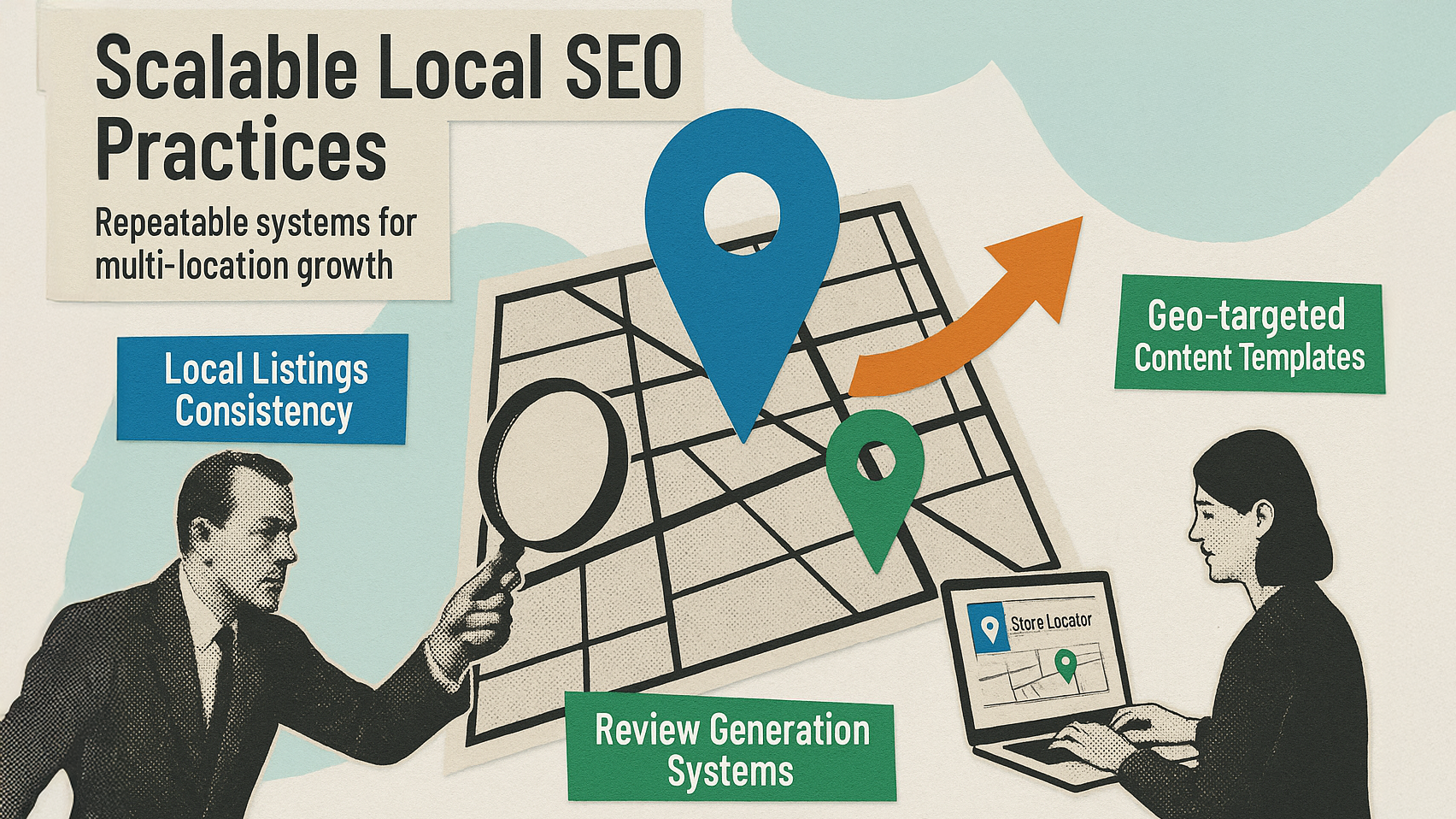
Break down scalable local SEO practices that hold up at scale — covering structure, templates, tooling, workflows, and performance tracking.
Google’s new Developer Assistant lets advertisers and developers use plain language to generate, run, and export Google Ads API queries.