How brands and agencies are reacting to Elon Musk’s radical changes at Twitter
As brand safety risks increase, some advertisers are waiting to see whether Twitter will be a respected platform or a free-for-all hellscape.

As brand safety risks increase, some advertisers are waiting to see whether Twitter will be a respected platform or a free-for-all hellscape.

Meta says they have made significant progress and investments into brand safety and suitability controls.

This update should improve efficiency, reduce errors and help advertisers going forward.

Twitter has landed in hot water after some brands discovered their ads associated with the content, but are they doing enough to stop it from happening again?

According to Marketing Brew and a third-party tool called Pushshift, the answer is, maybe?

The solution provides advertisers with more control over the content that appears around their In-Feed Ads.
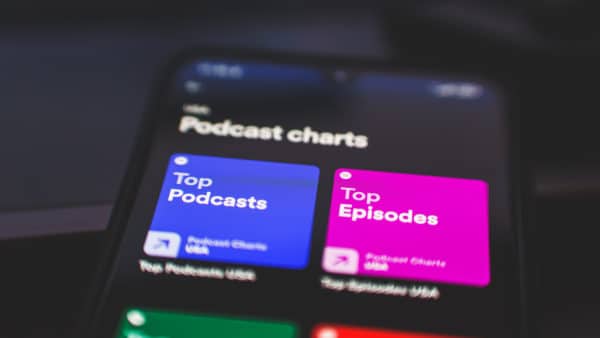
This is Spotify's latest attempt at keeping the platform a safe environment for creators, listeners and advertisers.
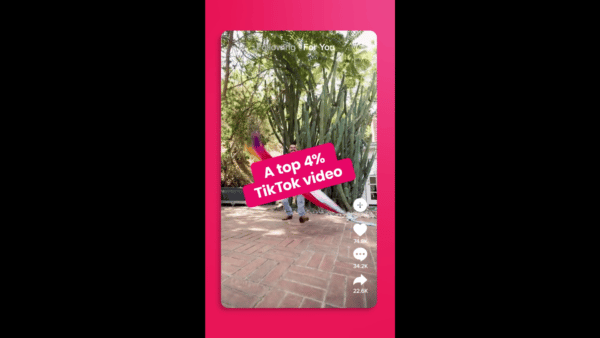
TikTok Pulse is an advertising revenue-sharing program that will launch in June in the U.S. for creators with at least 100,000 followers

Despite concerns about "free" speech, 58% of marketers we polled think Musk owning Twitter will be good for brands, marketers and users.
A bug allowed Facebook posts with nudity, violence, Russian propaganda to appear in users' news feeds.

To view these reports, Google recommends referencing the App Campaigns Brand Safety Placement report within Google Ads instead.

As TikTok builds out more monetization opportunities to win over creators, this resource may be a convenient reference for brands to understand the platform’s brand safety options.
Placement reports show where Performance Max ads have served, which may help with brand safety efforts, as well as how many impressions they’ve received.
“Spotty” enforcement can result in inappropriate ads being shown to minors and an unfair advantage for advertisers that slip through the cracks.

In its early tests, advertisers were able to avoid appearing next to exclusion categories 94-99% of the time.

Plus, Instagram tests out more ecommerce support and adds contact “Limits.”
New data indicates that unless advertisers are paying careful attention to their exclusion lists, there's a chance that ads could be showing up next to fake news online.

Also, Google updated its event structured data report in Search Console.

Plus, the local SEO problem of 1-star, no-comment reviews

Dynamic exclusion lists can make it easier for your brand to avoid showing near unwanted content while requiring less of the advertiser's time and attention ongoing.
The report lists misinformation around COVID-19 and the political climate as well as ad fraud as top concerns last year.
"This is the first time the Feed environment would be managed though controls," company says.

The change has SEOs questioning which sites will win and which will lose, but one thing is certain: Nobody is going to stop optimizing for featured snippets.
Amidst the volatile US political climate, Google has banned all ads mentioning political topics until after the inauguration.

Numerous advertisers have paused their social media campaigns over the events at the Capitol.

After the storming of the Capitol, some brands are going dark with their social media ads, but a rapid response workflow and diversifying channels can help them continue to drive business.

YouTube to show ads on channels that aren’t in the Partner Program In it’s latest terms of service update, YouTube creators agree to allow the service to monetize their content with ads (or by charging users for access) but are not necessarily entitled to revenue sharing. To be eligible for YouTube’s revenue sharing Partner Program […]

Facebook Ads bugs unnerve advertisers Last week, more bugs beset a wide number of advertiser accounts and ads, causing temporary ad disapprovals and accounts being disabled. “This is the second widespread bug that we’ve seen impact Facebook campaigns in the last 4 weeks,’ said Zenia Johnson of 3Q Digital. Why we care. Advertiser frustrations over […]

Pinterest users are heavy gift shoppers Compared to other social media, Pinterest users are the top spenders on gifts and holiday shopping. That’s among the findings from StatSocial which looked at the purchases of millions of U.S.-based users of Facebook, Instagram, Twitter, YouTube, Snapchat and Pinterest. It found that Pinterest users spend 39.2% more on […]
“Data voids” enable offensive content to rise to the top of the search results.

Audience Network ads will be blocked from pages deemed to have moderate or high brand risk.

So long, 20% text limit in Facebook ad images Facebook Ads is officially removing its 20% text rule. The company’s rule that text not take up more than 20% of ad images is now a mere suggestion: “We’ve found that images with less than 20% text perform better. With this in mind, we recommend keeping […]
UPDATE November 2023: I no longer recommend Twitter Ads due to widely reported brand safety issues. This is a shame because I previously quite liked it as a platform despite its lacklustre performance. Hopefully, they can right the ship again. Old Review: Twitter Ads is the only paid social platform that actually makes […]

Twitter ad engagement suffers. Snapchat user gains slow We’re starting to get a clearer picture of how the pandemic affected social platforms last quarter. This week, even as monetizable daily active users increased by a whopping 34% to 186 million, Twitter reported ad revenue fell by 23% year-over-year to $562 million in Q2 (total revenue […]

ShopLoop: Google’s mobile commerce experiment Google’s experimental lab Area 120 is out with a new e-commerce experience for mobile web that incorporates social feed engagement and video product demos common on YouTube. Shoploop features a feed of short (90-seconds max) videos from creators using or talking about products. Every post links out to the relevant […]

Advertisers are reportedly blocking ads from appearing on Black Lives Matter-related content.

Advertisers concerned with brand safety can choose to exclude ads from appearing in Live content.

A tool born out of frustration could save you time managing brand safety.

Privacy, brand safety and other factors will make paid search even more attractive to marketers going forward, according to Forrester Research.

The changes are related to updates first announced in March in response to an advertiser YouTube boycott.