How to detect AI-written content & plagiarism accurately
Learn how to detect AI-written content and plagiarism using tools, manual techniques, and best practices to ensure originality, compliance, and trust.

Learn how to detect AI-written content and plagiarism using tools, manual techniques, and best practices to ensure originality, compliance, and trust.

Incomplete terminology leads to incomplete strategy. Here’s a clearer framework for optimizing when AI systems recommend and act.

Semrush One introduces new tools that enable marketers to monitor AI visibility, track prompts, assess brand sentiment, and streamline content creation.

AI outputs vary because confidence varies. Corroboration and entity optimization turn inconsistent AI visibility into consistent presence.

AI traffic isn’t collapsing — it’s concentrating. Copilot surges in-workflow, 41% lands on search pages, and Q4 follows budget cycles.

Google's WebMCP protocol lets AI agents execute structured actions on websites via browser APIs. Is this the next frontier of technical SEO?

As browser restrictions limit identifiers, PPC measurement relies more on redundancy, modeling, and inference than perfect tracking.

Relying on GA4 alone leaves AI SEO analytics lost in the Bermuda Triangle of measurement. Learn what’s missing – and what to track instead.

AI systems don’t evaluate pages the way search engines do. Learn how extraction, embeddings, and structure determine reuse.

Google updated two of its help documents to clarify how much Googlebot can crawl.

Learn vibe coding: Use AI tools to build apps without coding. This guide covers setup, limits, risks, and SEO tool examples to inspire your own projects.

We analyzed llms.txt across 10 websites. Only two saw AI traffic increases — and it wasn't because of the file.
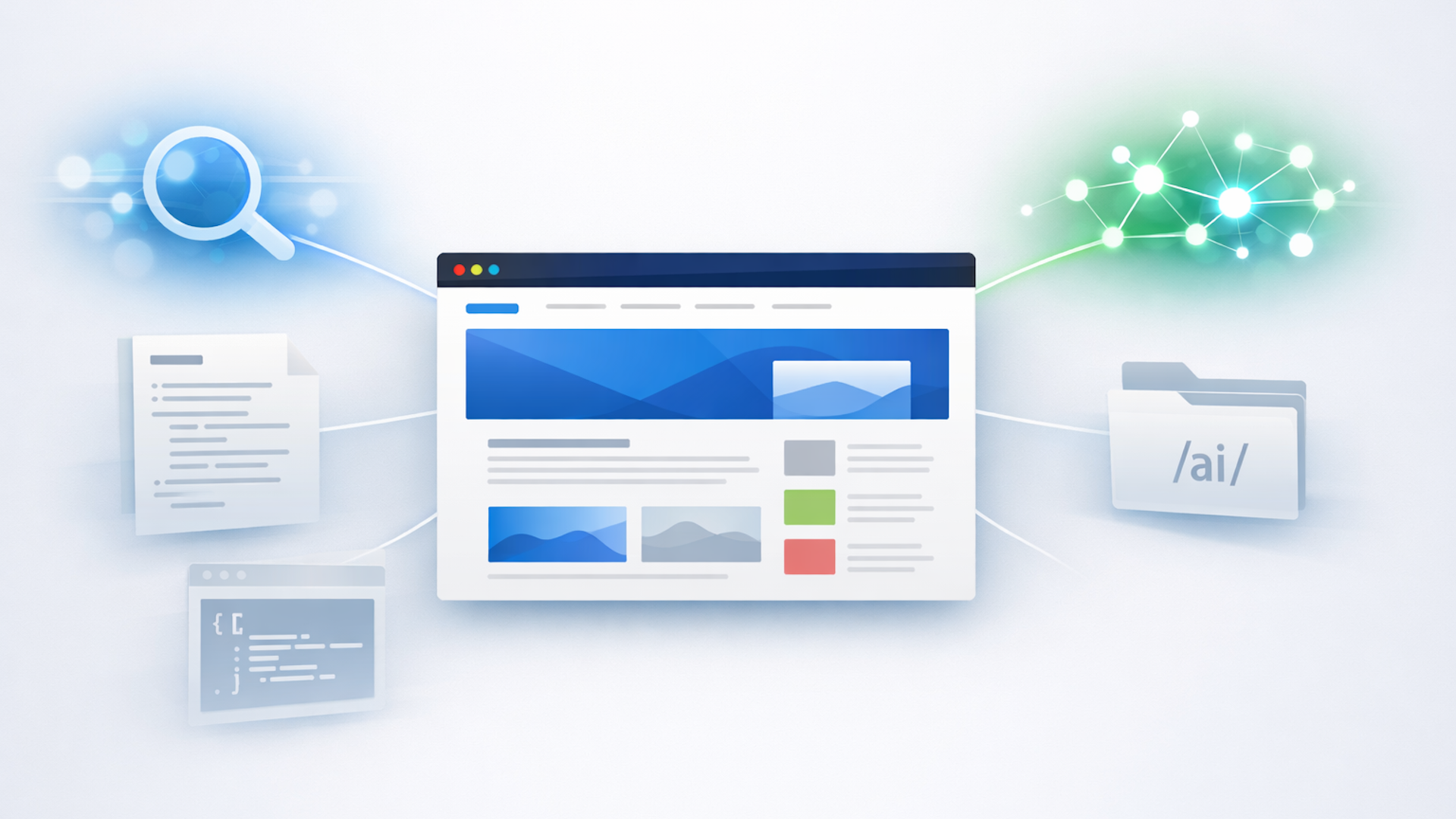
Creating pages only machines will see won’t improve AI search visibility. Data shows standard SEO fundamentals still drive AI citations.

We fully decrypted SearchGuard, the anti-bot system protecting Google Search. Here's exactly how Google tells humans and bots apart.

Learn how to identify, filter, and prevent spam traffic in GA4. Fix corrupted analytics, protect data quality, and make better SEO and marketing decisions.

Learn how Google’s core updates impact rankings, content quality, and visibility — plus key steps to diagnose losses and recover stronger.

Learn how breadcrumbs improve UX, site structure, and rankings. Discover SEO benefits, schema markup, and implementation tips to boost visibility.

Learn how to debug SEO issues fast—crawl errors, rendering problems, indexing blockers, ranking drops, and SERP shifts—using a structured diagnostic framework.

Here are four ways to evolve your SEO strategy and boost visibility in AI-powered search.

Google noted that if the HTTP status code is non-200 (for example, on error pages with 404 status code), rendering might be skipped.

Google added a section on canonicalization best practices for JavaScript to the JavaScript SEO best practices document.
Google updated its JavaScript SEO basics documentation to clarify that may skip rendering and JavaScript execution.

Learn what indexability means, how it differs from crawlability, and how to fix common indexation issues. Ensure your most valuable pages appear and perform in Google’s index.
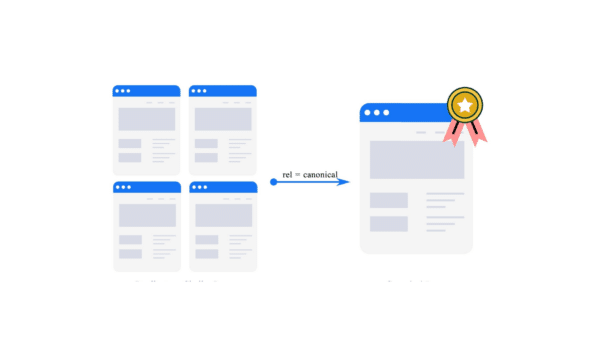
Learn how to manage duplicate content, streamline indexing, improve crawl efficiency, and more with these canonicalization best practices.

Faceted navigation helps users but can confuse crawlers. Learn how to manage filters, prevent duplicate content, and keep your site SEO-friendly.

Avoid common AI search SEO mistakes. Align goals, metrics & strategy to optimize effectively for LLM-driven search.

Microsoft’s NLWeb bridges websites and AI agents. Learn how to make your schema work harder — powering smarter discovery and visibility.

Cached pages reveal how Google last saw your site. Learn how to check, troubleshoot, and leverage caches—whether you’re new to SEO or managing at scale.

Google’s num=100 change pushes SEO deeper into the black box. Learn how to stay accurate when the data no longer adds up.

LLMO is the new frontier of SEO. Learn how to optimize content for large language models like ChatGPT and Gemini to stay visible in AI-powered search.

Discipline is what separates strategy from chaos in SEO. Learn how to balance quick wins, long-term bets, and essential maintenance in 2026.

Are you wasting crawl budget on the wrong pages? Learn how to protect revenue with smarter crawl strategies.

Semantic SEO helps search engines understand context. Learn how to use entities, topics, and intent to build richer content that ranks higher.

As ChatGPT agents book, buy, and convert for users, SEO must evolve. Make your site agent-readable, accessible, and built to convert.

Make your content easier for generative engines to cite and summarize – without giving up the SEO fundamentals that still drive visibility.

Hreflang tags help Google serve the right language pages. Learn what they are, why they matter, and how to implement them for global SEO visibility.

Robots.txt tells search engines what to crawl—or skip. Learn how to create, test, and optimize robots.txt for better SEO and site management.

Discover why technical branding – speed, semantics, security – now drives AI search performance, and how to stop brand drift before machines define you.

AI search strategy guide: Apply the Seen & Trusted Framework to get mentioned and cited by ChatGPT, Google AI Mode, and other AI platforms.

Integrate SEO QA into engineering workflows to catch technical issues early, safeguard visibility, and maximize existing development work.