Technical SEO for AI search: 4 fundamentals that matter
AI systems can miss content that search engines handle well. Learn what to check so your pages can be crawled, understood, and cited.
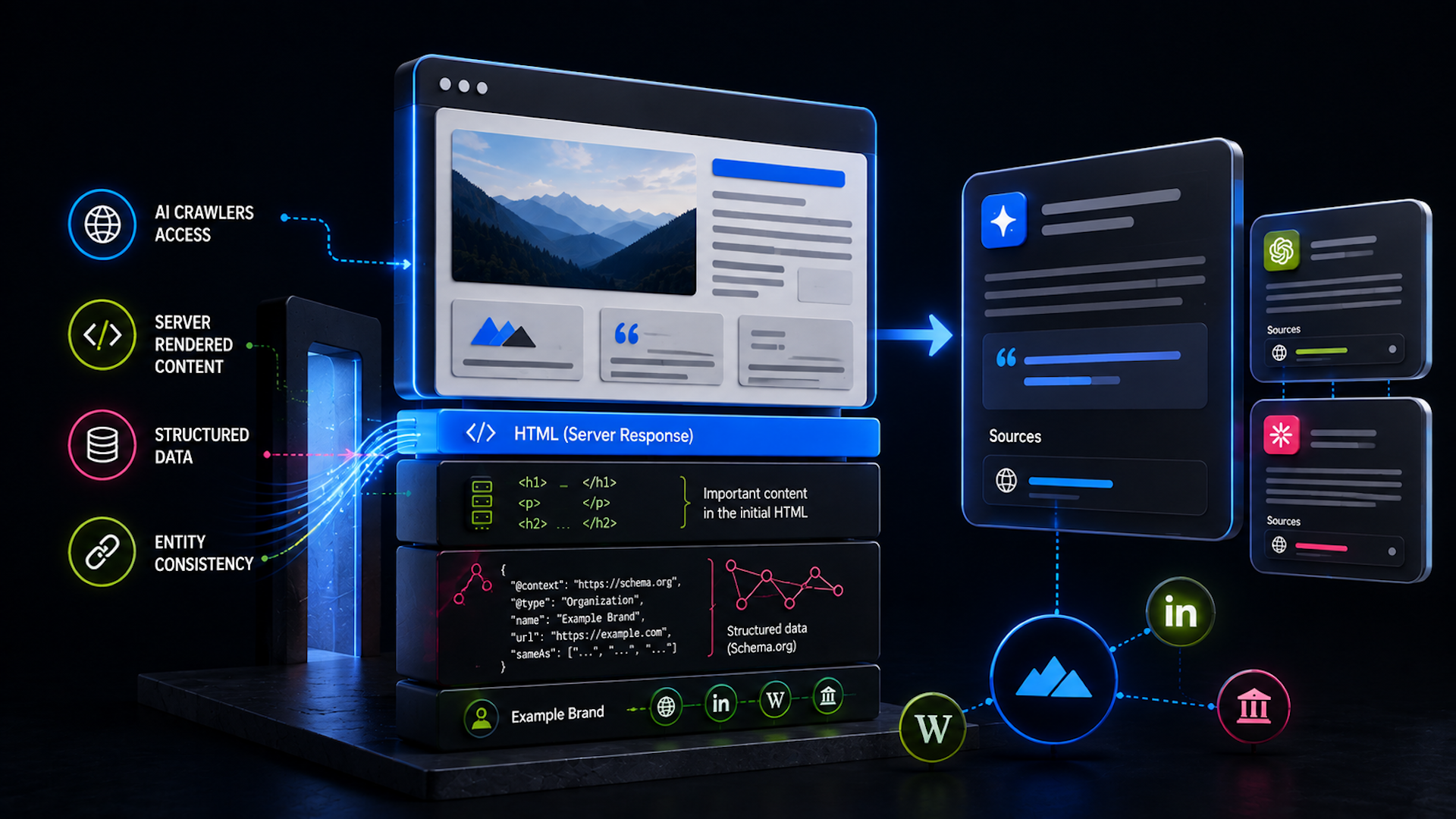
AI systems can miss content that search engines handle well. Learn what to check so your pages can be crawled, understood, and cited.

New research exposes the mechanics behind ChatGPT citations, including what gets retrieved, what gets read, and what ultimately gets cited.

AI search may be making long-standing problems with site architecture, content, internal linking, and rendering more costly.

A single query can sit inside thousands of variations. Mapping those patterns can build topical authority across an entire search network.
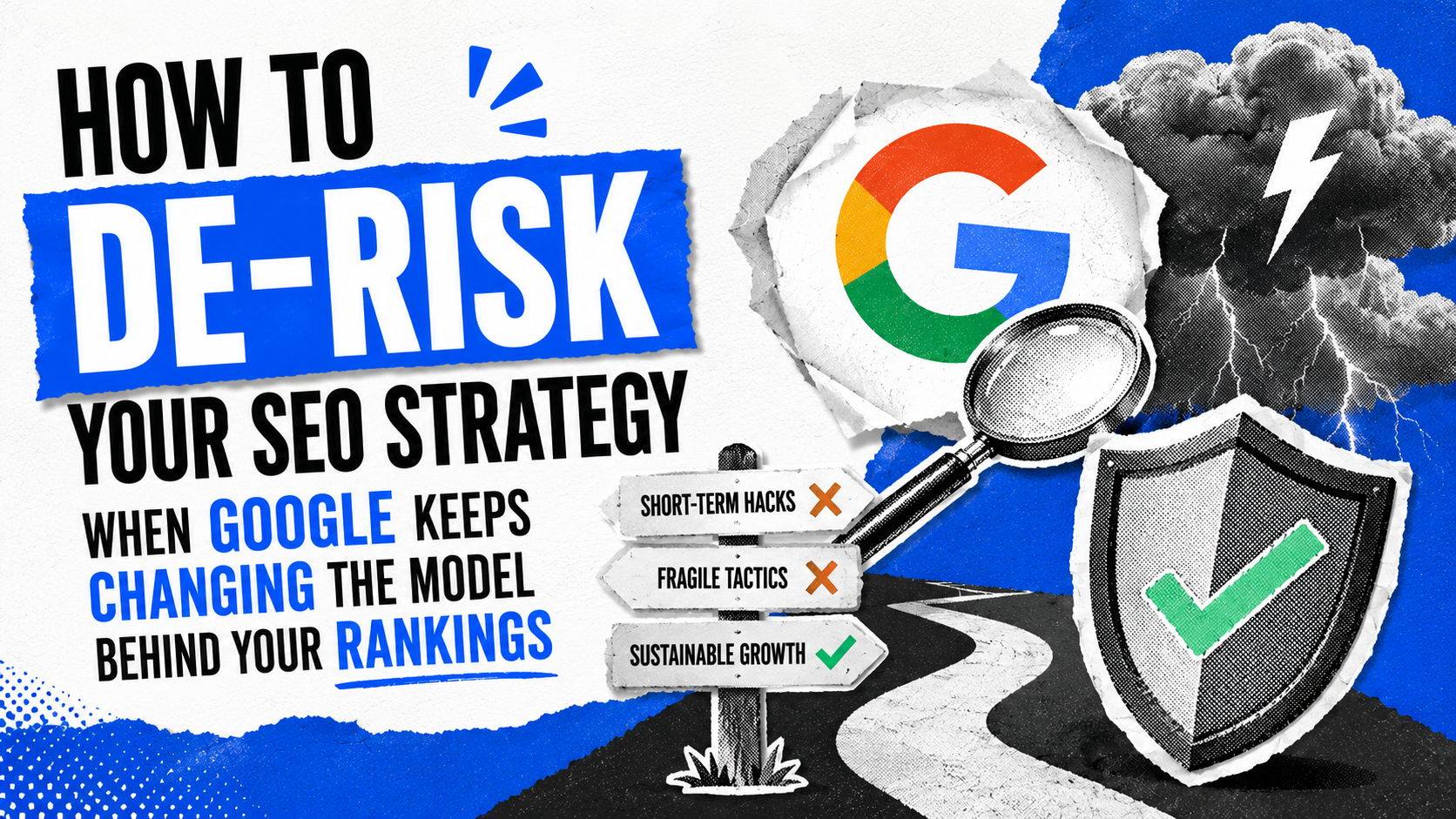
Google keeps changing the models behind your rankings. How can you plan ahead and avoid risks? Read our detailed guide on future-proofing your SEO.

Go beyond HTML with practical workflows to uncover rendering issues, weak site structure, and other obstacles to AI understanding.

Most GEO advice optimizes for visibility. If you're accountable for business results, that's the wrong place to start.

Build your local presence around real locations, markets, and service areas instead of turning every geographic keyword into a new URL.
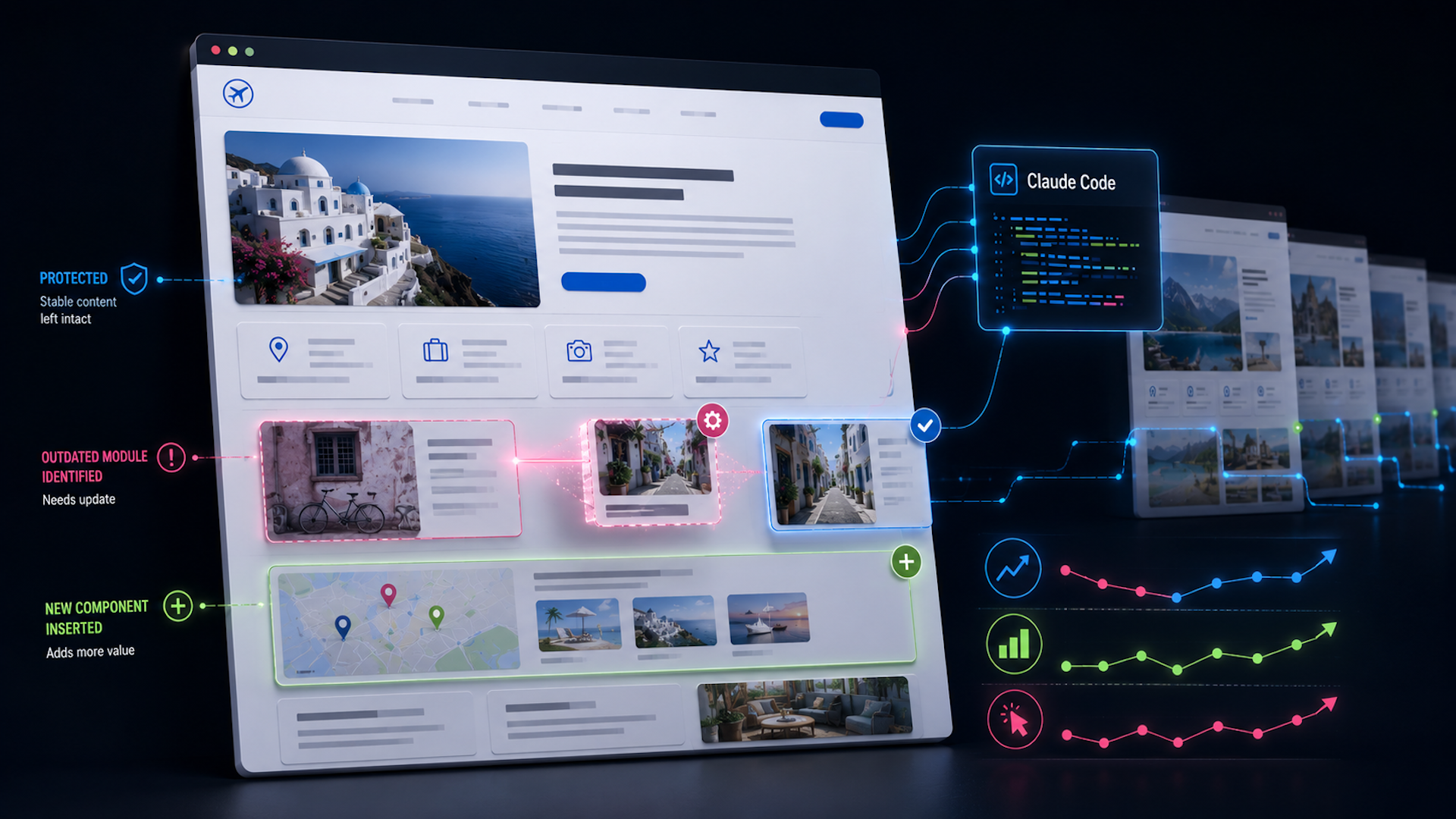
See how a 14-step workflow diagnoses content decay, protects rankings, and drives measurable traffic and revenue gains.

An audit of 71 businesses found major gaps in AI retrievability, from unreadable websites and dead domains to missing trust signals.

Creating fewer, more purposeful pages can improve relevance, reduce duplication, and strengthen local search performance.

AI agents retrieve most B2B website content, but pricing often sends them to third-party sources. Learn why and how to fix it.

AI can't recommend what it can't understand. Here's how to make your products easier for AI systems to evaluate.

SEO stops sounding like black magic when you can point to the exact Google doc that backs it up. Here's how to use it to earn buy-in.

Two analyses found ChatGPT’s hidden search systems can change its sources, making citation tracking harder than answers suggest.

From server-rendered HTML to interactive pages, understand where hydration fits and when it can affect search visibility.

A practical guide to AI and LLM optimization: Improve crawlability, structure content for AI, earn brand mentions, and build authority for better visibility.

Technical SEO creates value by preventing losses, not just driving gains. Learn how to measure and communicate its impact.
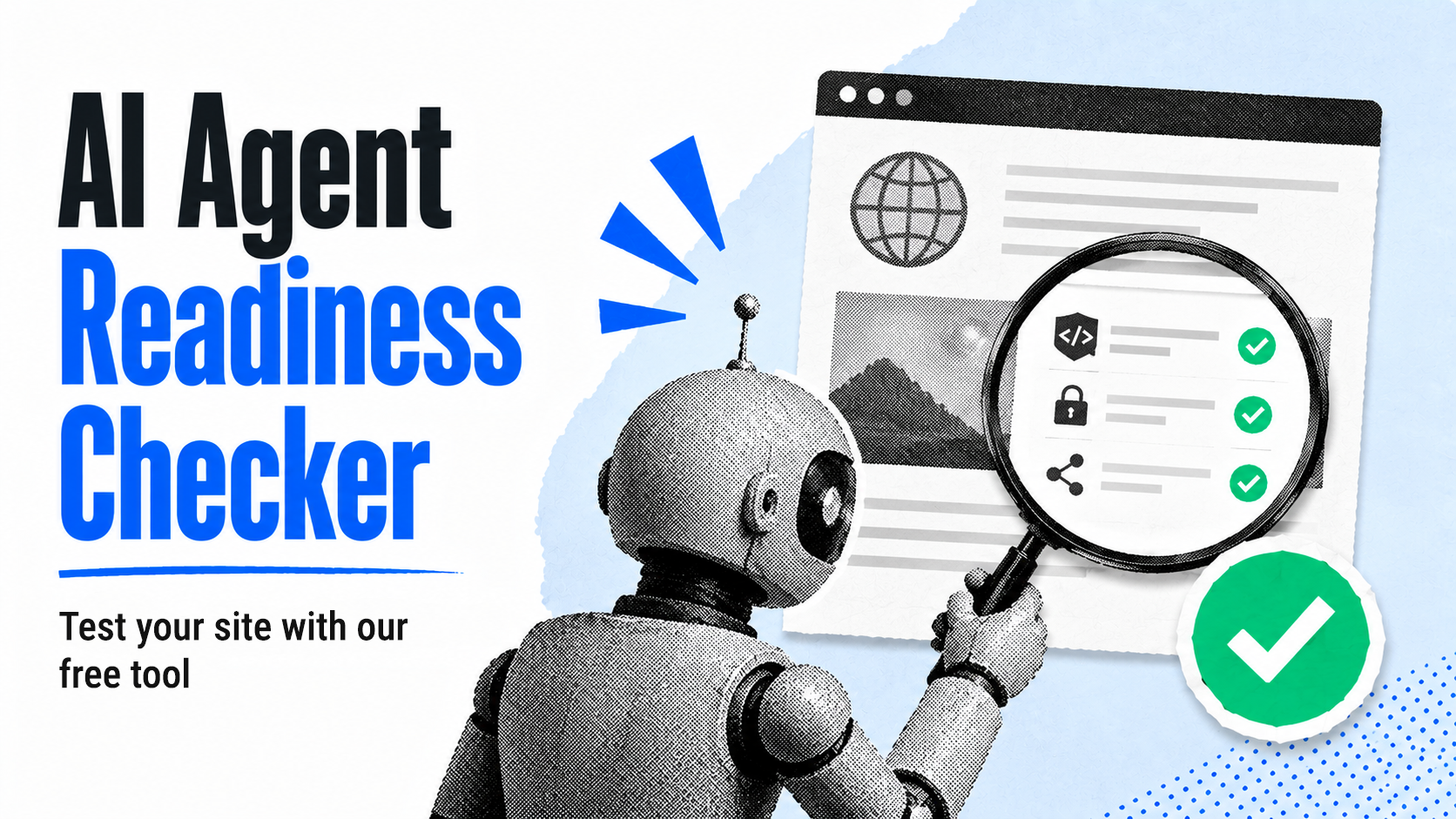
Use our free AI Agent Readiness Checker to test your site's AI visibility. See crawler access, structured data, citations, and what prompts you appear for.

From product pages to third-party publications, learn how to create content that helps AI systems understand your brand and who it serves.

Search engines leave behind a detailed record of every visit. Here's how that data helps uncover hidden SEO issues at scale.

Use our Schema Markup Generator Tool to build your own schema quickly and accurately for 15 schema types like Organization, Reviews, FAQ and more!

Discover the new SEO KPIs that matter beyond clicks and rankings like AI mentions, user interactions, conversions, and the tools that make it possible.

Data from 10 websites shows why original research, tools, and answer-first content outperform generic educational articles in GEO.

Audit tools flag everything equally, but SEO success depends on prioritization. Focus on the changes that actually drive growth.

As AI automates repetitive SEO tasks, the biggest advantage may go to practitioners who know how to guide it.

This new guide talks about the differences, if any, between SEO, AEO, GEO and so on and touches on commodity content, AI agents and much more.

AI agents are becoming a new discovery layer, and WebMCP could become the schema markup that helps them understand and use your site.

Not every critical error deserves immediate attention. Focus your resources on the fixes that actually improve visibility and performance.

Strong content can still fail when positioning barriers limit visibility. Here’s how to diagnose the issues holding rankings back.

Court testimony and new Google research suggest Google could soon evaluate a much larger pool of pages for rankings.

Learn how to use AI crawler tools and software to optimize for AI crawlability, allow, block, or limit AI bots, audit crawling behavior, and implement controls.

Learn how to optimize your site for AI crawlers with technical SEO best practices — and control access by blocking or allowing crawlers with directives.

What are AI crawlers? Learn about the different types of AI crawlers, their purposes, what they can see, and if you should allow them to crawl your site.

See how Chewy, Harrods, Under Armour, and more brands handle rendering, navigation, structured data, and scripts without hurting SEO.
Think you've got your technical SEO buttoned up? Think again! Find out what you may have overlooked with our guide that's full of advanced SEO tips.

Most AI SEO “skills” are just prompts. Learn the system behind reliable agents: tools, memory, templates, and a built-in review layer.

Parameterized URLs bloat crawl paths, fragment attribution, and dilute link equity. Here’s a cleaner, scalable tracking approach.

Most GEO tactics don’t move the needle. Learn how brand positioning, category alignment, and third-party signals shape AI visibility.

A distributed network of AI agents now manages eight figures in monthly ad spend, built on years of live campaign data most companies never get.