Merchant API lands in Google Ads scripts ahead of Content API sunset
The new Merchant API gives advertisers more scalable, feature-rich tools to manage product data while preparing for the Content API sunset.
The new Merchant API gives advertisers more scalable, feature-rich tools to manage product data while preparing for the Content API sunset.

Confused about hashtags? This guide explains what hashtags are, why they matter, and how to choose the right ones for reach and discoverability.

Google providing a single toggle and multi-source data capture promise more accurate conversion tracking with less setup for advertisers.

Learn how to create a sustainable review engine in healthcare, from reducing friction to handling responses without exposing patient data.

Deals and comparisons dominate AI nudges, shaping behavior and influencing decisions across the customer journey.

Up to 30% of paid media spend is underperforming. Learn how to audit accounts, prioritize spend, and improve measurement.

Outdated tracking can’t keep up with privacy changes. Unify first-party data, attribution, MMM, and incrementality to measure real impact.

Google is shifting away from impression-based planning, pushing advertisers toward more conversion-focused strategies.

Three months of feeds reveal how trends, news, video, and ads flow through pipelines — and why some content gets broadcast-level visibility.

Early data shows AI drives discovery, not sales. Dell says a great search experience still matters most for ecommerce success.

YouTube’s move toward longer TV-style ads signals a shift to more premium inventory for brand-focused campaigns.

Use this free tool to compare your page’s positioning with real search demand using GSC data, and see where it aligns or falls short.

Turn AI into a strategic ad partner with prompts that help reveal buyer emotions, high-intent audiences, and objections.

Stop chasing 'best practice' gains. These tested tactics show where real performance lifts actually come from in modern PPC.

As data loss grows, brands are rethinking tracking. Explore when a server-based setup delivers cleaner data and stronger ad optimization.
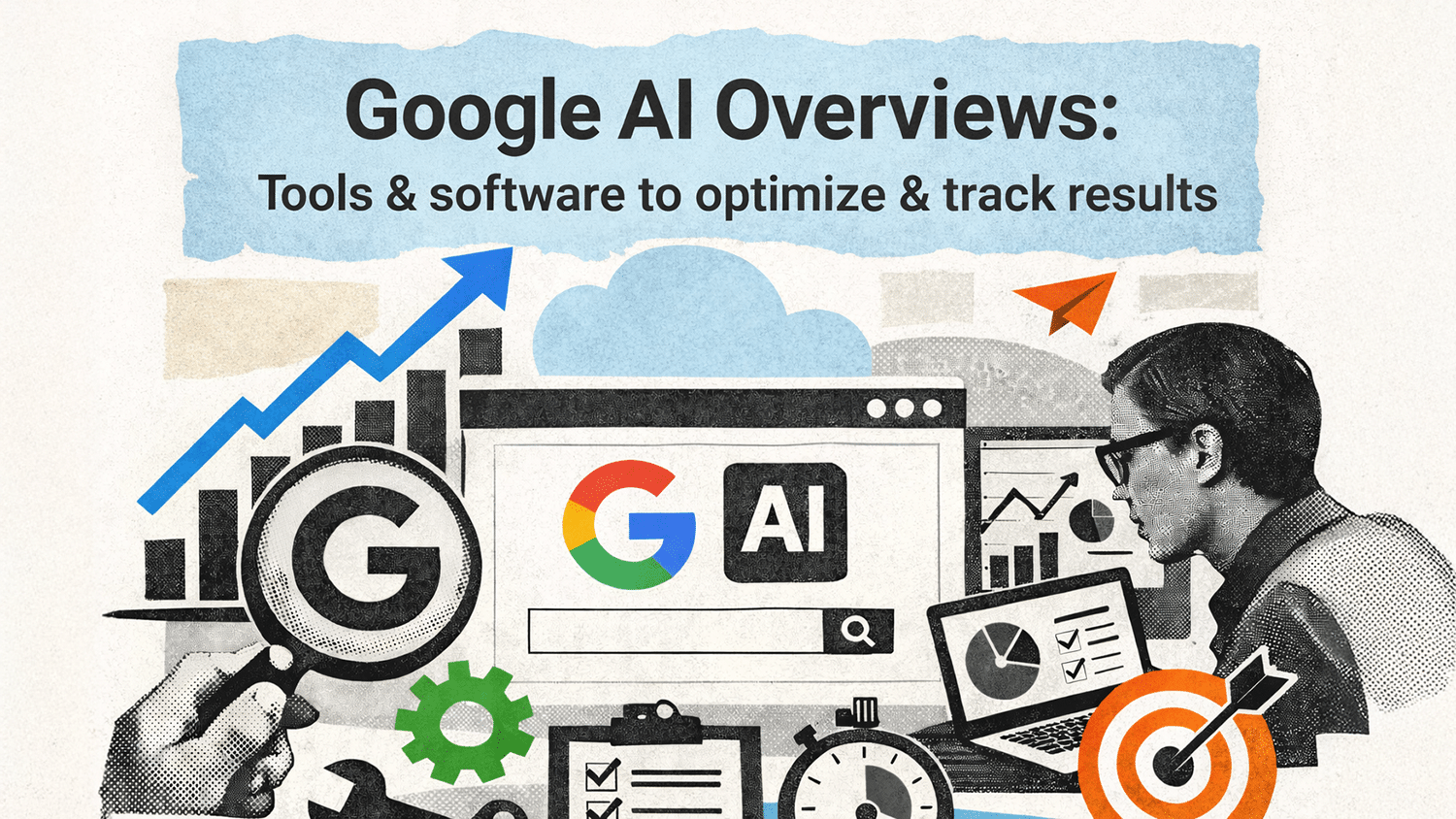
Find the best tools and software for ranking in Google's AI Overviews, and learn how to use them to optimize and track visibility.

Learn how to optimize your content to rank in Google AI Overviews. Get expert tips on brand authority, content coverage, and which keywords to target.

Learn what Google AI Overviews are, how they work, and what triggers them — plus how they impact your website traffic and SEO.

After declaring inbound dead last year, HubSpot is renaming its annual conference to something less limiting.

AI fetcher bots siphon traffic and revenue from publishers, delivering real-time answers that bypass your site and cut referral visits.

Google is testing a swipeable location carousel in search ads, making local results more interactive and competitive for multi-location advertisers.
Google’s new developer hub simplifies access to tools for automation, tracking and scalable campaign management.

Most agencies sound the same. The real differences show up in how they optimize, measure, and scale. This is how to uncover them.

Google’s new commerce protocol signals a shift toward in-search checkout, changing where and how conversions happen for advertisers.
Meta’s new Google Tag Manager template simplifies Pixel setup, making cross-platform tracking faster and more consistent for advertisers.

Most product feeds are built for paid media. Aligning them with organic search behavior improves visibility across Shopping and AI surfaces.

Google’s first 2026 core update finished its 12-day rollout. You can now assess impact and adjust your content strategy.

Explore how AI evaluates content across markets, and what signals help your local pages get selected, cited, and used.

Discover how to influence AI targeting decisions, avoid wasted spend, and use creative and data signals to reach higher-value customers.

Google Ads now shows the real impact of its recommendations, giving advertisers a way to evaluate performance instead of relying on trust.
Google Ads now helps advertisers scale AI-generated ads faster while maintaining consistent brand voice and creative control.

Google’s shift to AI-powered, intent-driven ads is helping brands boost performance, reshaping how brands need to reach consumers in search.

Google CEO says searches will turn into multi-step tasks, with AI coordinating actions across tools instead of returning links and answers.

Nine out of 10 correct may sound strong for generative AI, but that means searchers could be getting millions of inaccurate answers every day.

Eligible campaigns can pick up incremental impressions in a brand-new visual placement on Google Image search, without changing any settings.

Despite a 206% jump in referrals, most sites see minimal traffic as queries rely less on live search and more on pre-trained knowledge.

New Maps tools surface recent media, suggest camera roll uploads, and flag top reviewers with gold profiles, as Google expands AI captions.

AI systems label and score content before ranking. Annotation determines how you’re understood — and whether you compete at all.

Clean up conversion data, simplify landing pages, budget across the funnel, and create assets AI can actually use effectively.

Content gets brands found. AI decides who gets recommended — based on positioning, proof, and presence across the web.