3 GEO pillars: LLM readability, brand context, agentic commerce
Your next search competitor may be an AI's shortlist. GEO addresses what it takes to get cited, recommended, or selected by AI systems.

Your next search competitor may be an AI's shortlist. GEO addresses what it takes to get cited, recommended, or selected by AI systems.

Newly recovered Google data reveals how entities, web signals, geography, and semantic systems shape local visibility.
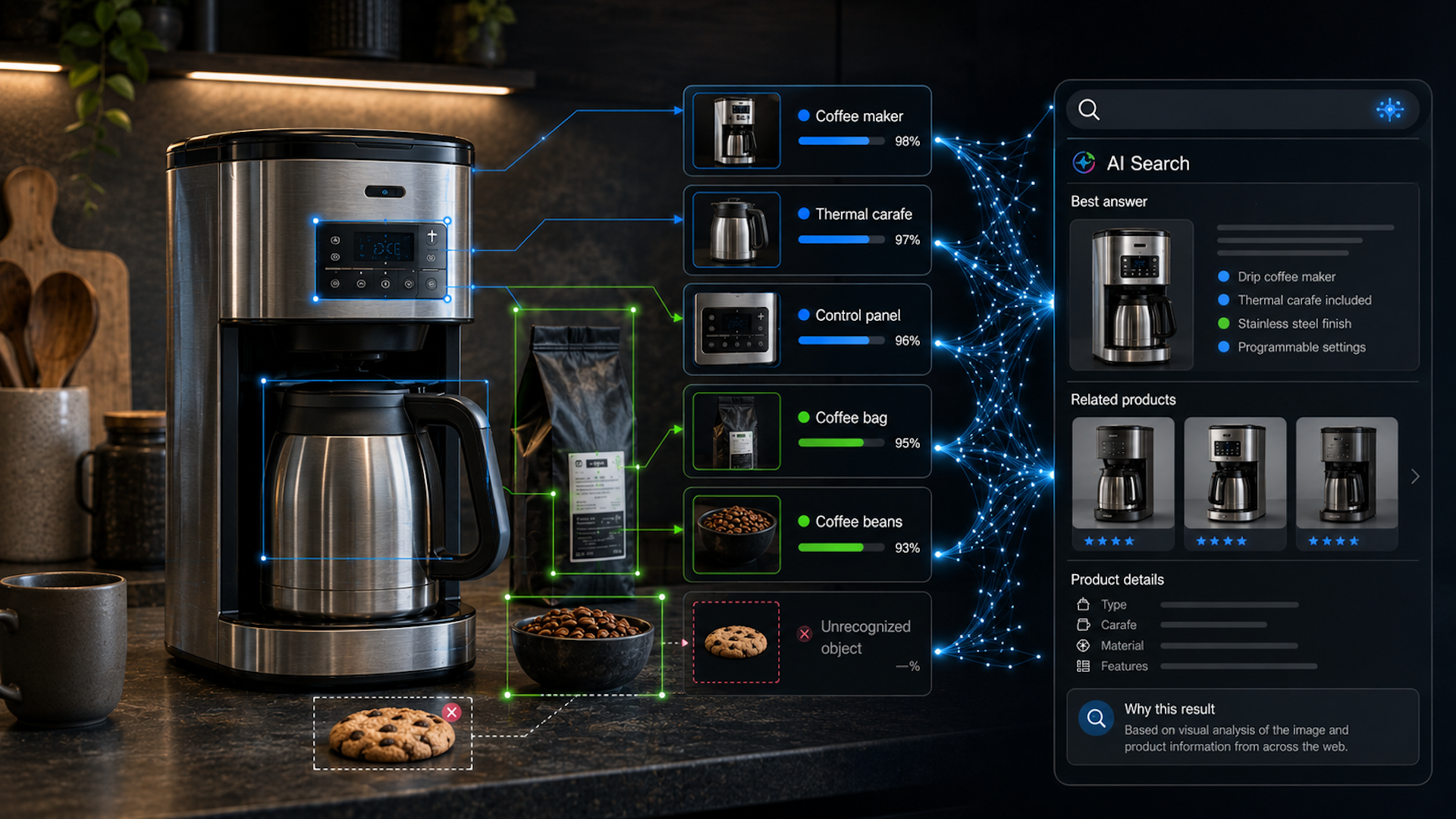
AI doesn't see your images the way a human does. See what it detects, what it misses, and whether the page confirms the right story.

Learn how to build topic clusters that get cited in AI search, using emerging topics, semantic clustering, and query fan-out to cover full intent.

A single query can sit inside thousands of variations. Mapping those patterns can build topical authority across an entire search network.

Schema markup does more than power rich results. Build a knowledge graph, assess entity coverage, and find gaps in AI understanding.

Your content may already be surfacing for searches you never planned for. Here's how to identify those opportunities and act on them.
Being understood by AI isn't the same as being recommended by it. New research reveals the gap between the two.

Citations only show the outcome. The real advantage comes from building a brand AI systems consistently retrieve, recognize, and recommend.

Learn how to map authority, embed brand context into AI, and build a semantic linking system that scales without orphan pages.

Is AI misrepresenting your brand? Fix how you’re encoded, cited, and surfaced across training, retrieval, and generation.

As discovery shifts from traditional search, brands must package knowledge so AI can read, verify, and rank it.

Want to optimize your content for fan-out queries? Learn how to find sub-queries, create multi-intent content, and format it for AI search visibility.

AI systems don’t just evaluate content. They choose between entities. Learn the nine-cell model that explains how selection actually works.

Use this free tool to compare your page’s positioning with real search demand using GSC data, and see where it aligns or falls short.

Most product feeds are built for paid media. Aligning them with organic search behavior improves visibility across Shopping and AI surfaces.

Explore how AI evaluates content across markets, and what signals help your local pages get selected, cited, and used.

A small error-correction signal keeps compressed vectors accurate, enabling broader, more precise AI retrieval.

AI search is built on years-old patents. Here’s how those blueprints shape AEO, GEO, and modern SEO strategy.

Go beyond basic SEO efforts with these small-but-mighty ecommerce plays. Learn how to use filters, reviews, site search, PDPs, and internal links on your shopping site to improve visibility and drive growth.

AI-driven discovery depends on semantic depth and retrievable structure. Align language, taxonomy, and schema for modern search visibility.

Google’s first-stage retrieval still runs on word matching, not AI magic. Here’s how to use content scoring tools accordingly.

Behind the AI interface, a staged system narrows tens of thousands of documents to a few, showing that visibility hinges on classic signals.

AI search runs on entity mass, not surface signals. See how citations and extractability shape AI Overviews and LLM visibility.

Product pages supply the data AI uses to recommend products. Learn which details matter most for AI shopping discovery.

AI systems don’t evaluate pages the way search engines do. Learn how extraction, embeddings, and structure determine reuse.

AI-mediated search introduces new risks for international SEO. See how semantic collapse and freshness drift shape global visibility.
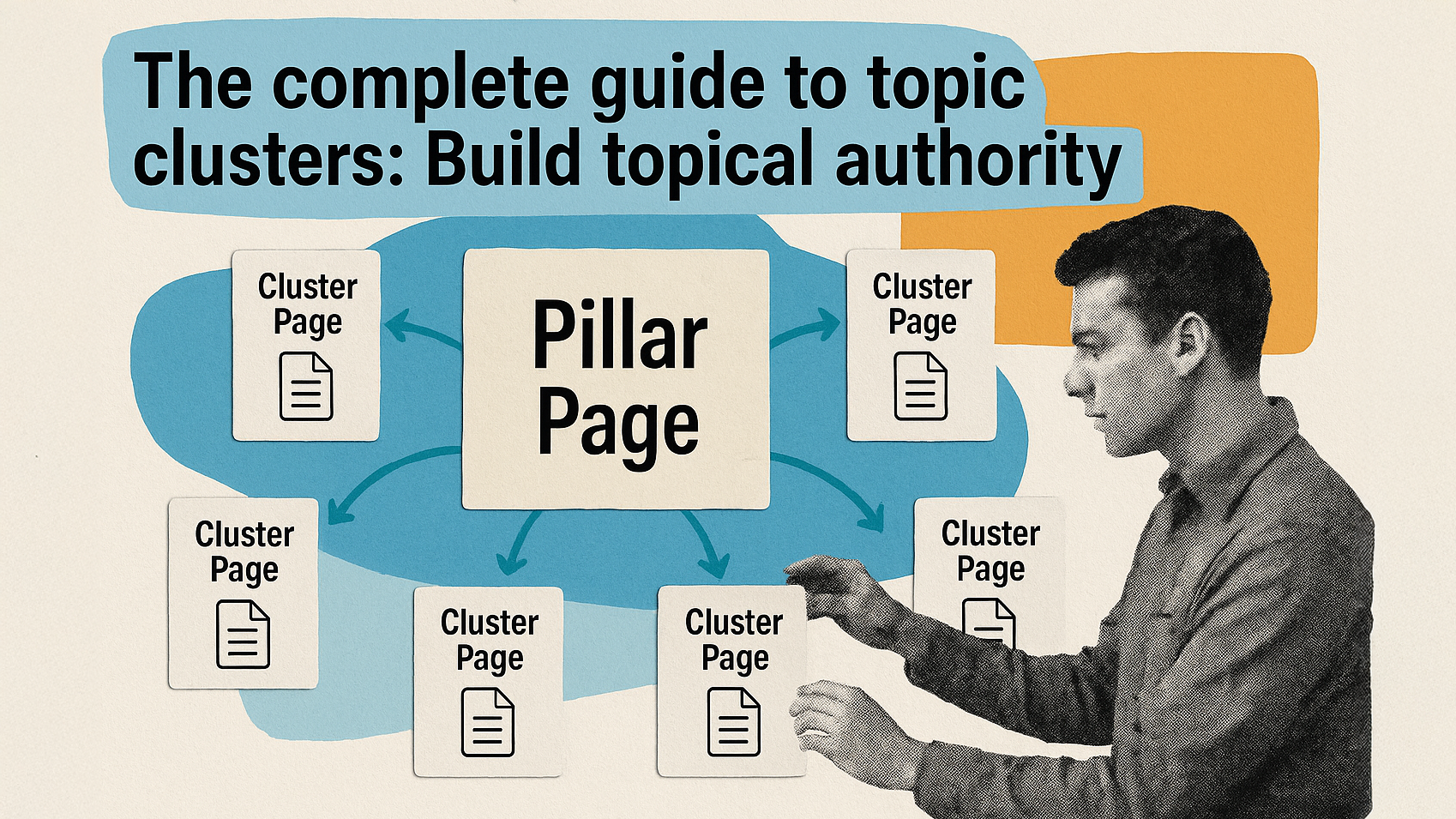
Learn how topic clusters outperform keywords—boost authority, engagement, and rankings with proven frameworks built for today’s AI-driven search.

The SEO vs. GEO debate is a distraction. As discovery fragments across Google, ChatGPT, and social platforms, brands need unified visibility measurement — not separate strategies.

Learn how Google’s core updates impact rankings, content quality, and visibility — plus key steps to diagnose losses and recover stronger.

Learn the multi-speed approach that strengthens entity identity, builds algorithmic confidence, and boosts visibility in AI-powered results.

New data shows how AI models are reshaping B2B brand hierarchies through rapid month-to-month shifts in unaided recall.

Align your content with Google’s entity understanding pipeline. Learn how to optimize pages, schema, and NLP signals for semantic precision and visibility.

Meta tags guide search engines and users. Learn what they are, how they impact SEO, and best practices for titles, descriptions, and beyond.

FastSearch powers AI Overviews – a faster, lighter version of Search built for speed over depth. Here’s how it changes what gets seen.

Learn how to make your content visible, credible, and competitive in AI-driven search results. Future-proof your SEO now!

Semantic depth shows Google your content has substance. Learn how to cover topics thoroughly, build authority, and rank with context-rich content.

Google's FastSearch and RankEmbed reveal why clarity drives AI visibility. Here's how to strengthen the signals that count.
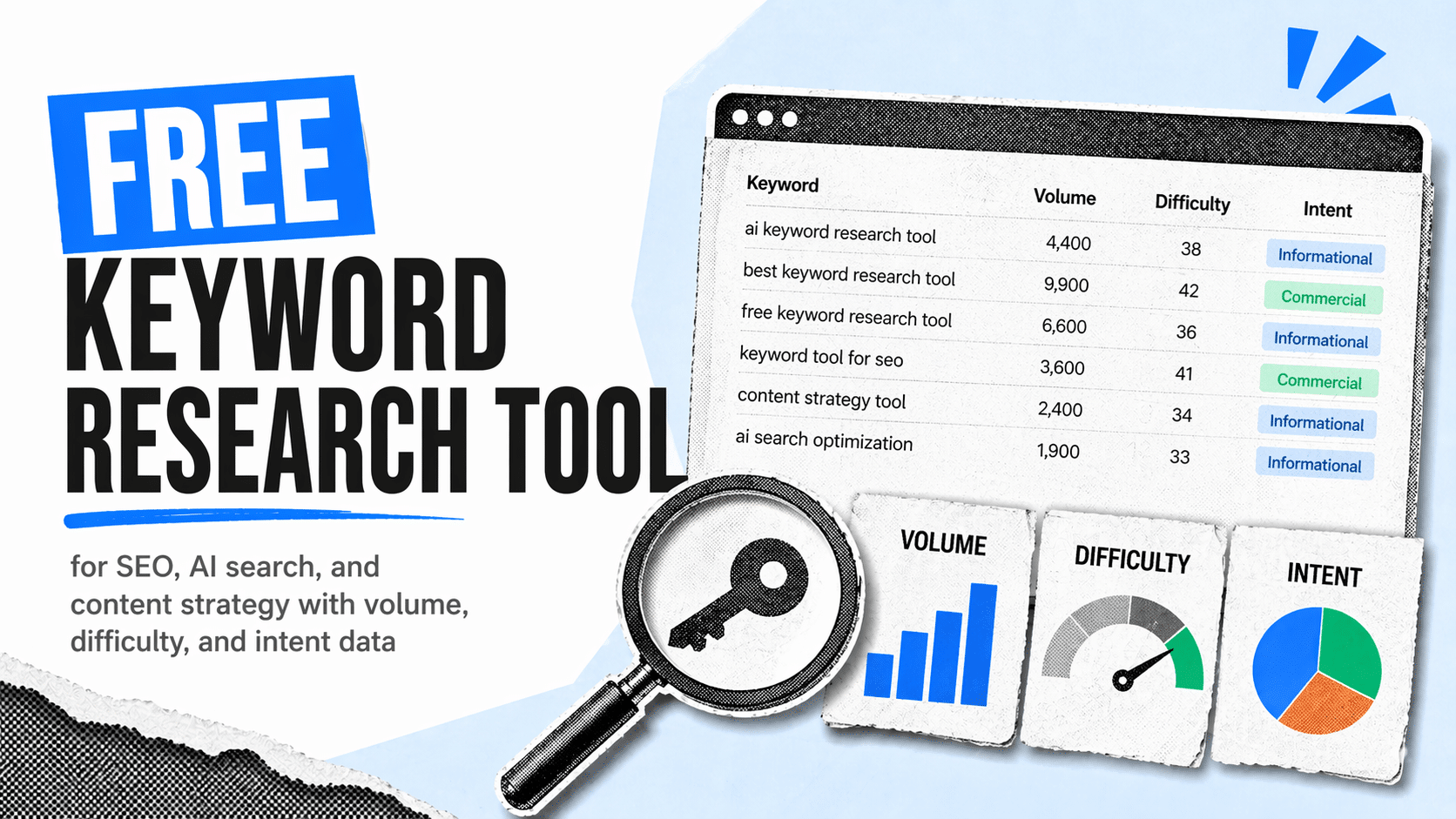
Replace hunches with data. Find keywords for SEO and AIO use cases. Our free tool shows volume, difficulty, intent, and trends to guide your strategy.

Discover how Google's Knowledge Graph works, why it matters for SEO, and how to optimize your content and entities for enhanced search visibility and authority.