Why ‘search everywhere’ is the new reality for SEO
AI may be changing search, but much of the visibility is already going to platforms that dominate results and user attention.

AI may be changing search, but much of the visibility is already going to platforms that dominate results and user attention.

AI search rewards brands that show up consistently across trusted sources. Here’s how to build visibility when rankings no longer cut it.

Users have until March 31 to export SEO data as Adobe retires a little-used Marketo feature and shifts focus toward broader search tools.

Understand AI’s role in local SEO: See how AI is changing local results, user behavior, and optimization strategies — and explore the top tools to use now.

Master SEO data analysis: Identify spikes and drops in organic traffic, uncover root causes of, and make informed decisions with our detailed guide.

Learn practical comment structures that help brands add value in Reddit threads and attract visibility through helpful participation.

Shoppers browse in ChatGPT but finish orders elsewhere, pushing OpenAI to rethink how AI drives retail sales.

AI excels at scale and data-heavy SEO tasks. But without clear brand voice, automation can make content sound the same.

Learn how to review and QA AI-generated content with a step-by-step QA workflow: Check for accuracy, maintain brand voice, and improve output quality.

Most SEO work means tab-switching between GSC, GA4, Ads, and AI tools. What if one setup could cross-reference them all?

An SEO audit of ChatGPT, Claude, and Perplexity reveals how the platforms use technical optimization, content, and conversions to scale.

Redesigning your site doesn’t have to destroy your rankings. Use this advanced SEO checklist to preserve visibility and turn your redesign into a growth opportunity.

Early-career SEOs should prioritize business context, search intent, technical basics, and hands-on research before relying on AI tools.

Semrush One introduces new tools that enable marketers to monitor AI visibility, track prompts, assess brand sentiment, and streamline content creation.

AI rewards clarity over spin. Map real buyer questions on pricing, problems, and reviews to win trust, citations, and sales.

LLMs still rely on search, shifting SEO from head terms to the long tail. Here’s how to use AI to uncover real customer questions and win.

A five-minute video provides more data for an LLM than most blog posts. Here’s how to maximize your brand’s surface area for AI retrieval.

Automation isn’t just for ecommerce. Learn how to drive more leads, cut costs, improve quality, and save time with AI-powered campaigns.

A practical approach for tying earned media to search behavior, downstream conversions, and visibility in AI-generated answers.

Learn vibe coding: Use AI tools to build apps without coding. This guide covers setup, limits, risks, and SEO tool examples to inspire your own projects.

LinkedIn says Google’s AI Overviews cut non-brand B2B awareness traffic, forcing a rethink of how discovery works.

Learn how to combine SEO and AEO competitive research to uncover demand, shape positioning, and influence AI visibility before the click.

How custom GPTs can be used in SEO, with example prompts for planning, analysis, reporting, and technical work.

Learn how to teach your in-house AI to write in your brand voice, with step-by-step guidance and free prompt templates to get started.

AI Overviews are reshaping organic attribution. Learn which metrics matter now and how to clearly communicate SEO impact to stakeholders.

Ten agencies explain how they retooled SEO, metrics, and client strategy as AI answers cut clicks, shorten journeys, and reward brand authority.

Learn what interstitials and dialogs are, how they affect SEO, and which types trigger Google’s mobile penalties.

The best social media planning tools are Semrush Social, Hootsuite, Buffer, SocialPilot, and Sprout Social.

See where rivals win on Google Ads. Learn how Google Ads competitor analysis uncovers keywords, ad copy, and bidding strategies to sharpen your campaigns.

As organic search sends fewer visitors to publishers, affiliates are finding traffic through communities, courses, and partnerships.

From probabilistic answers to off-site signals, AI visibility works differently than SEO. These seven truths explain how and why.

Tell us what you want to learn about and who you want to hear from at SMX Advanced taking place June 3-5 at the Westin Boston Seaport.
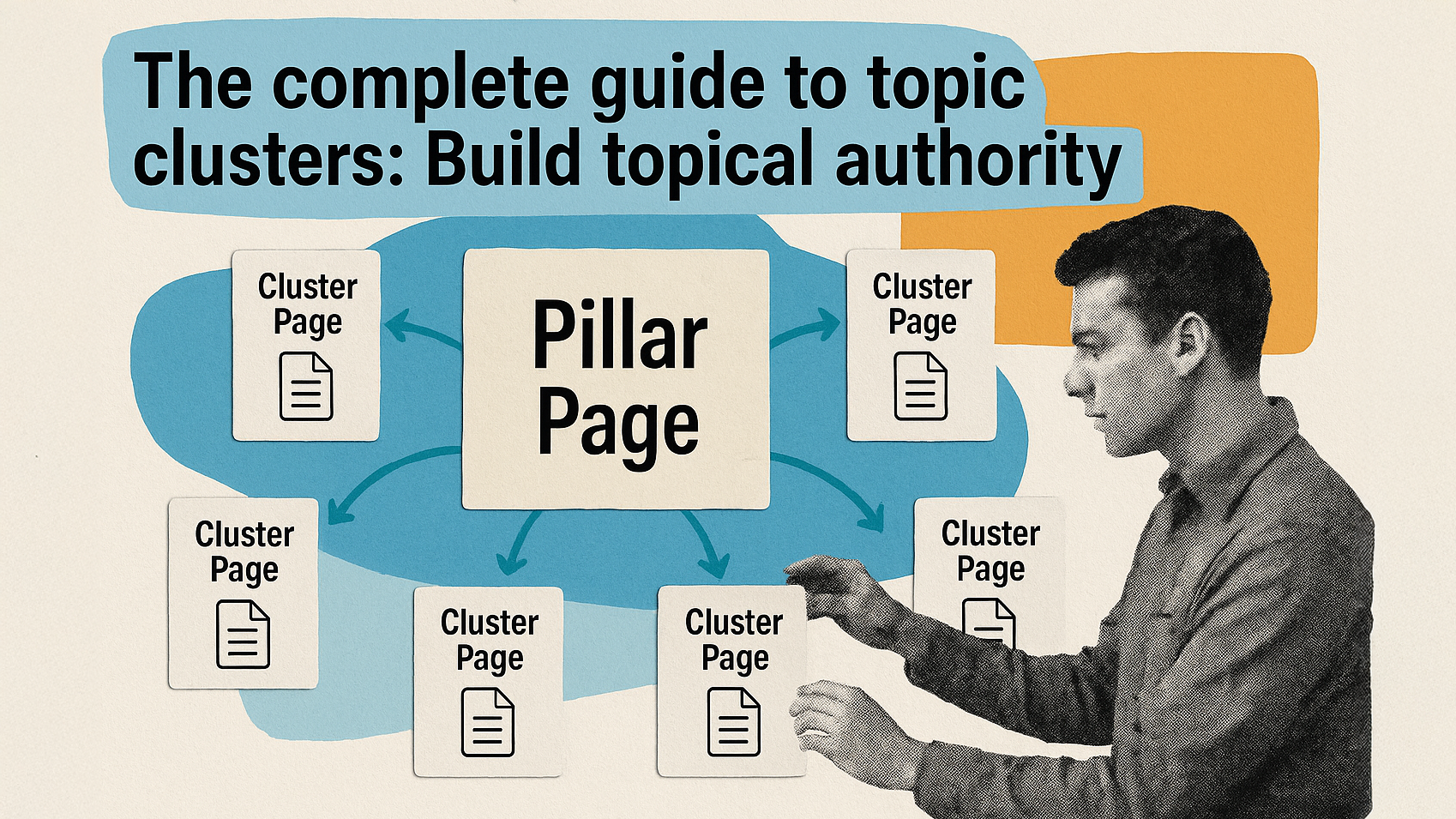
Learn how topic clusters outperform keywords—boost authority, engagement, and rankings with proven frameworks built for today’s AI-driven search.

Learn how to identify, filter, and prevent spam traffic in GA4. Fix corrupted analytics, protect data quality, and make better SEO and marketing decisions.

Learn how to optimize for featured snippets with structured content, query matching, and semantic formatting to boost visibility, authority, and zero-click reach.

Learn how to debug SEO issues fast—crawl errors, rendering problems, indexing blockers, ranking drops, and SERP shifts—using a structured diagnostic framework.

Learn how Googlebot crawls, renders, and indexes your site. See every crawler type, how crawl budget works, and the technical fixes that improve visibility.

Learn how to run an SEO gap analysis using Semrush to uncover keyword, content, link, and AI visibility gaps. Build clusters, boost topical authority, and turn insights into revenue-driving roadmaps.

Semrush’s new AI Visibility Awards reveal which brands are winning trust — and share of voice — in AI-generated search results.
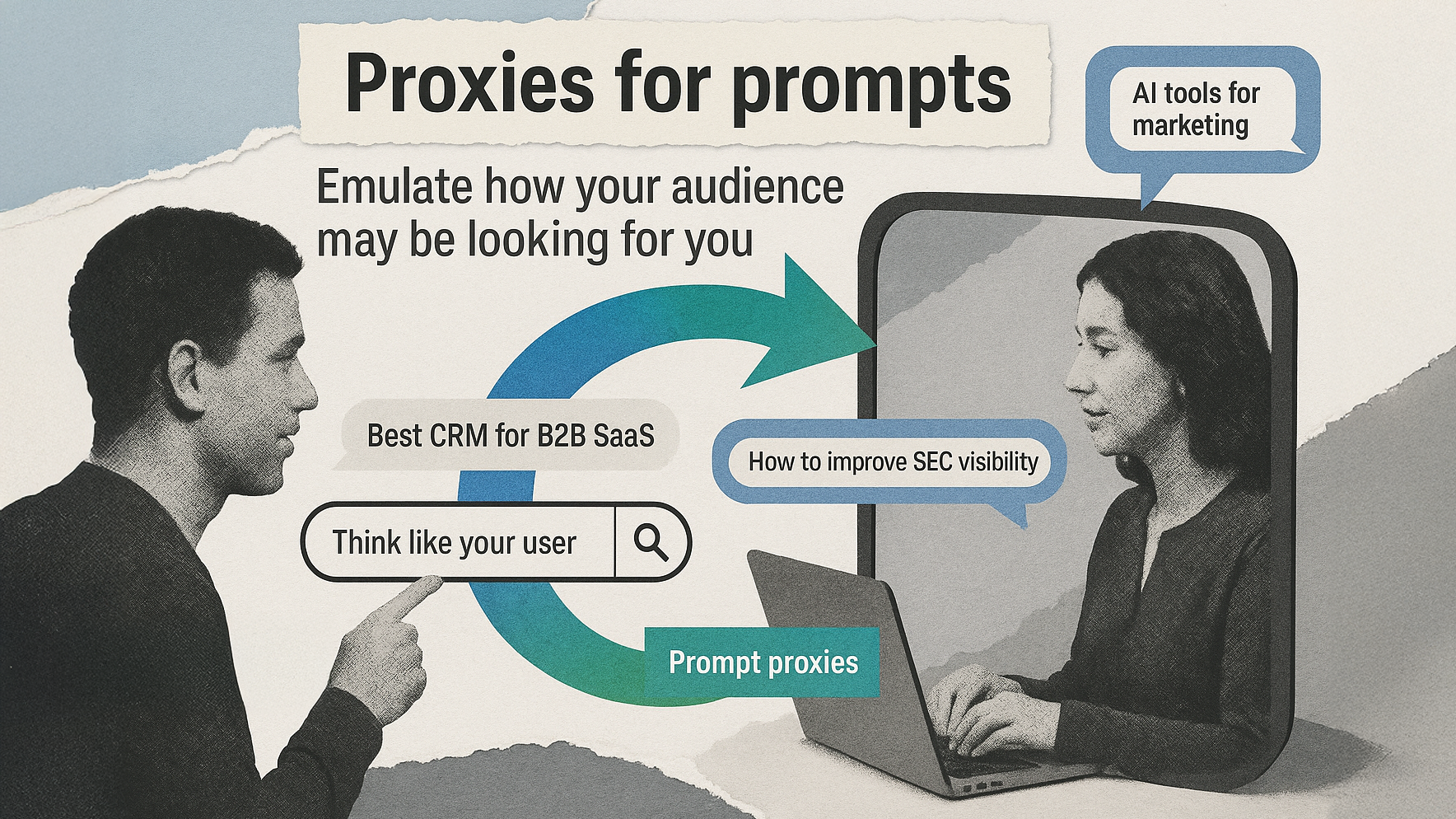
As search shifts from keywords to prompts, learn how SEOs can use data proxies to understand AI search behavior and track visibility across platforms.