Google Ads gives Demand Gen advertisers a way to keep Lookalike targeting restrictions
Google Ads is shifting Demand Gen Lookalike audiences toward AI-driven targeting while preserving stricter controls as an option.
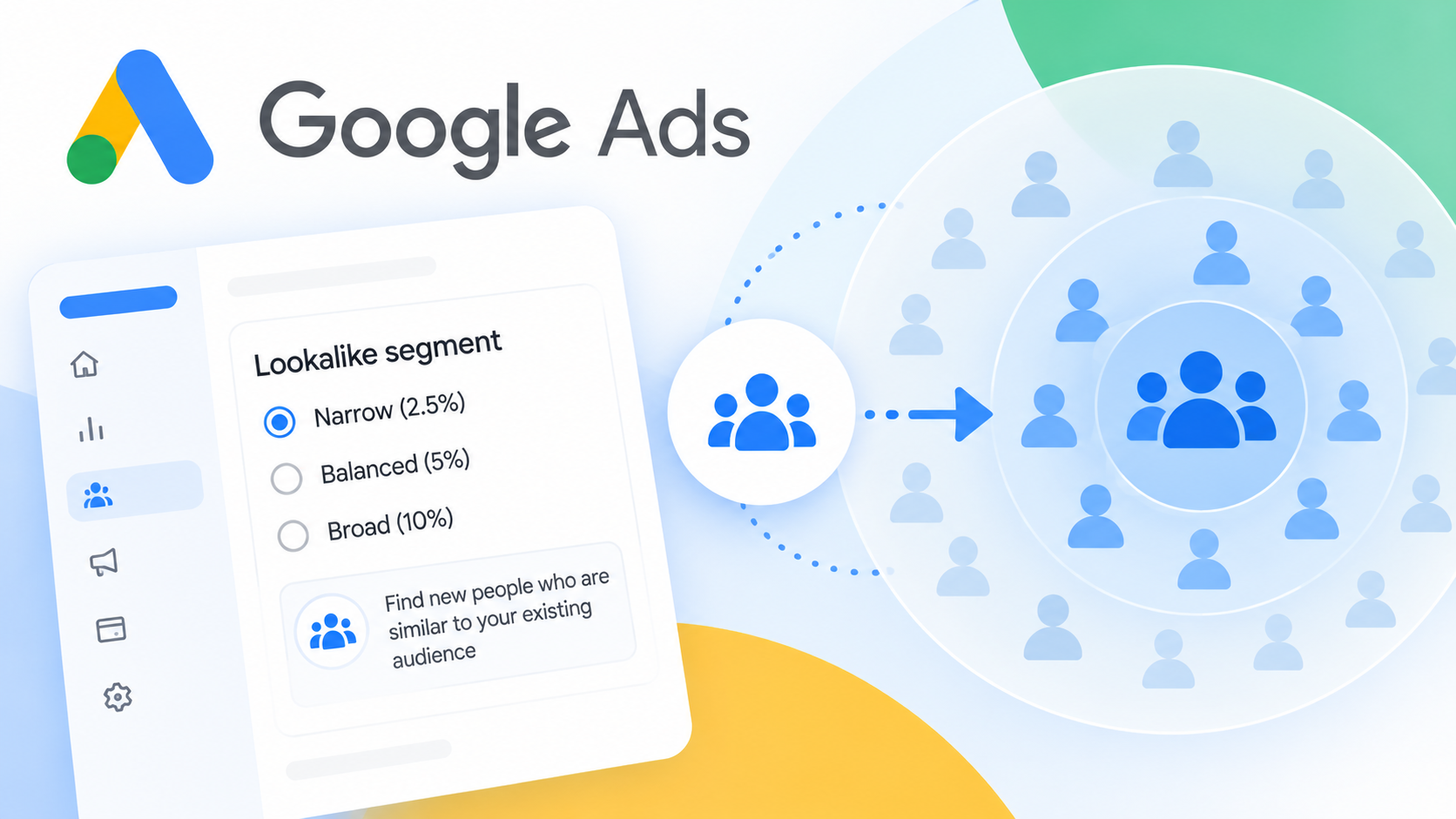
Google Ads is shifting Demand Gen Lookalike audiences toward AI-driven targeting while preserving stricter controls as an option.
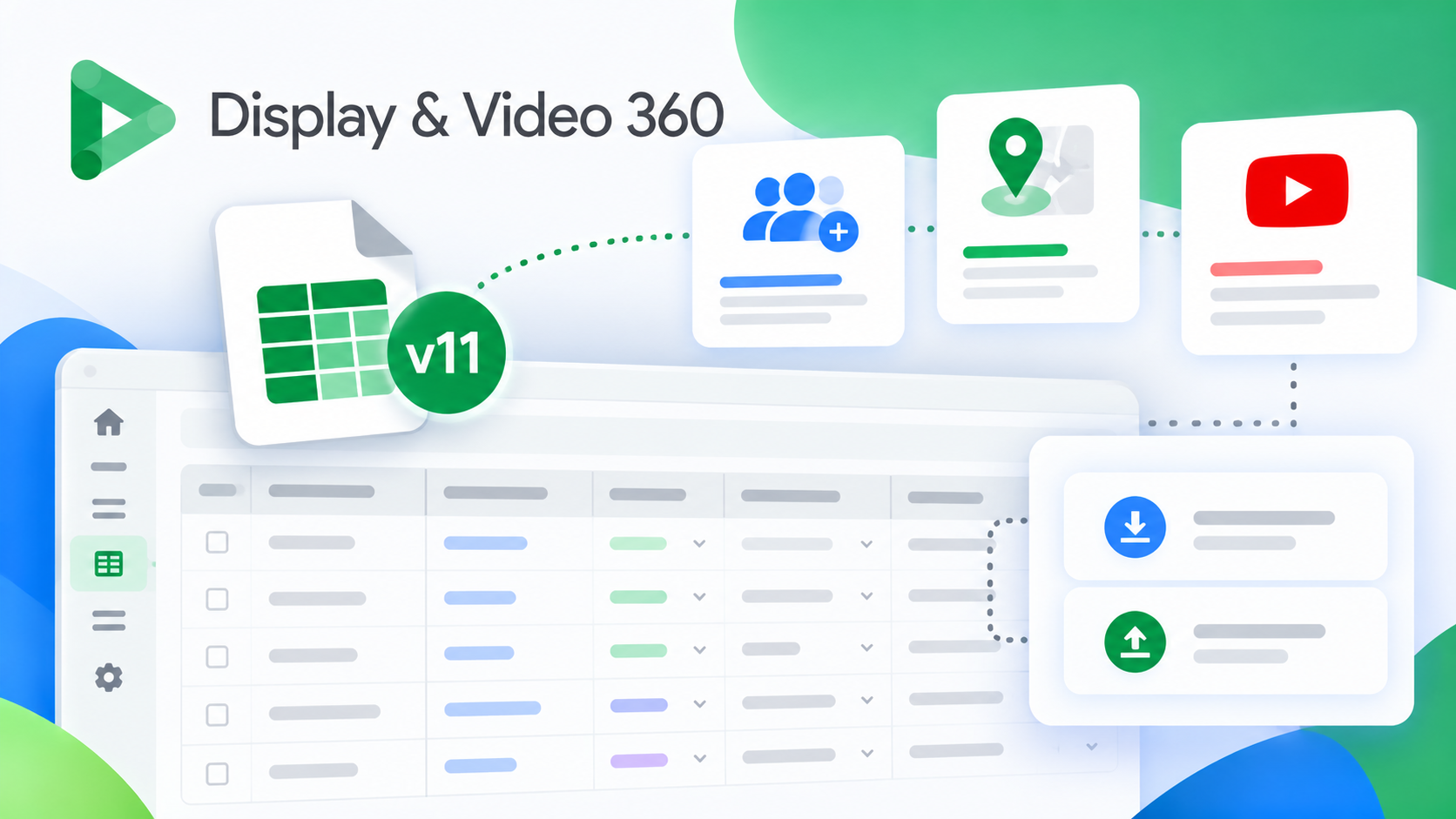
DV360’s latest update expands audience and location targeting, improves YouTube campaign support and bulk management capabilities.

Google Ads now lets retailers share first-party audience segments with brands and sellers for more targeted retail media campaigns.
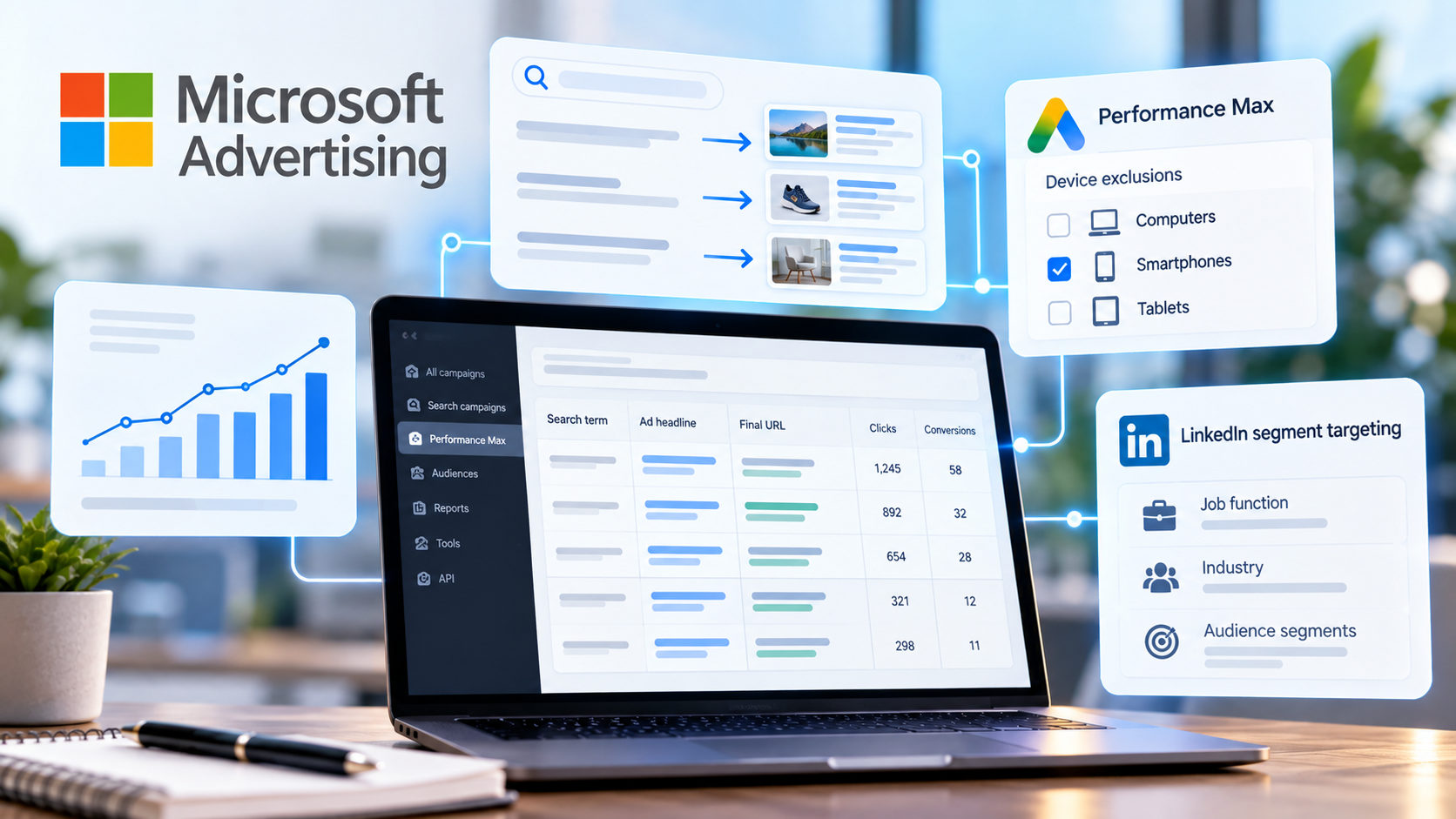
Microsoft’s latest API update gives advertisers deeper search-to-landing-page insights, device exclusions for PMax and more.
Google will allow personalized alcohol advertising on YouTube starting Oct. 30, in markets where local laws permit.

Enhanced Matching could help advertisers expand the reach of their first-party audiences using consented publisher signals.
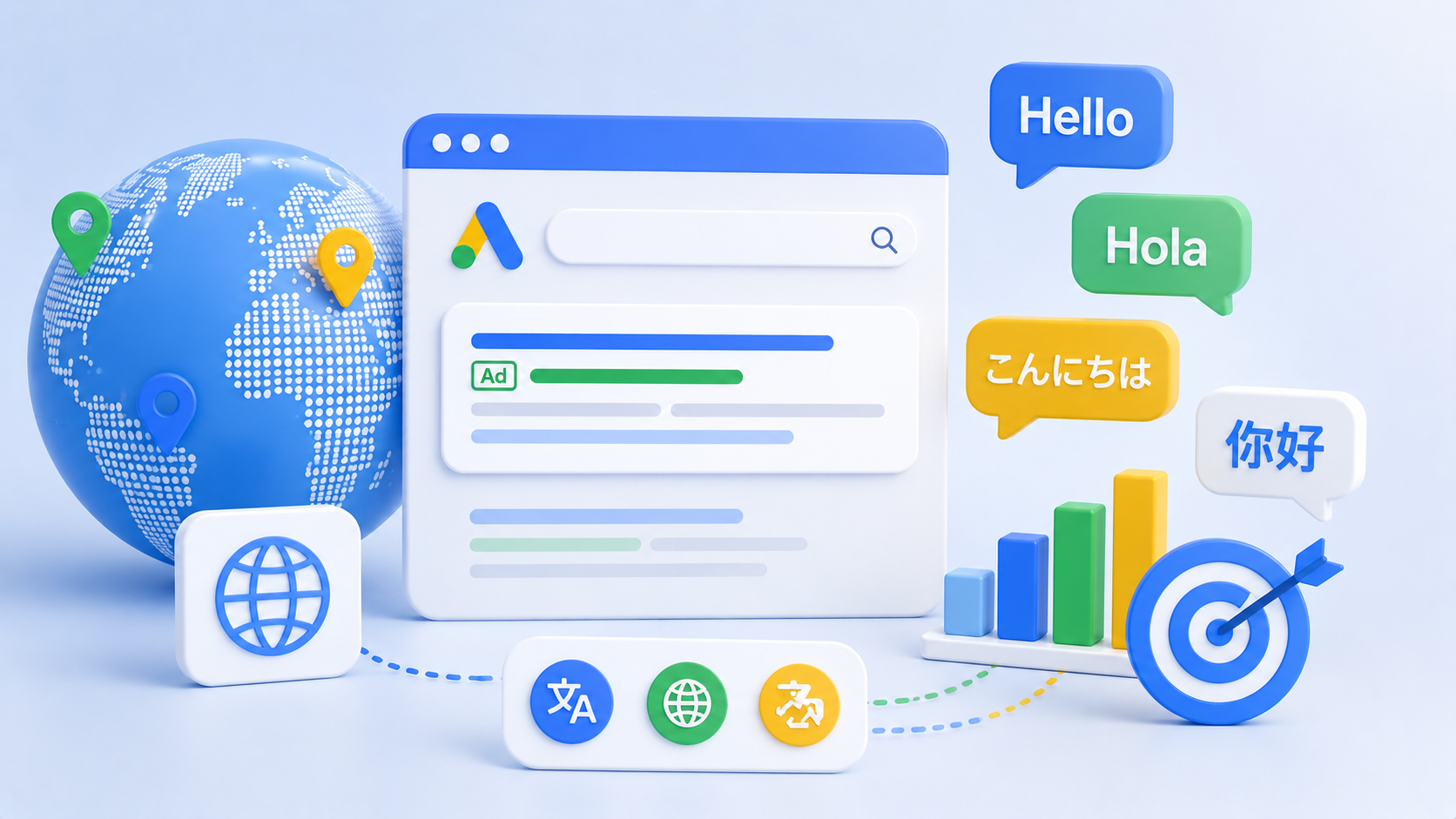
Google’s shift to automated language matching removes a manual Search targeting control, leaving advertisers with less control
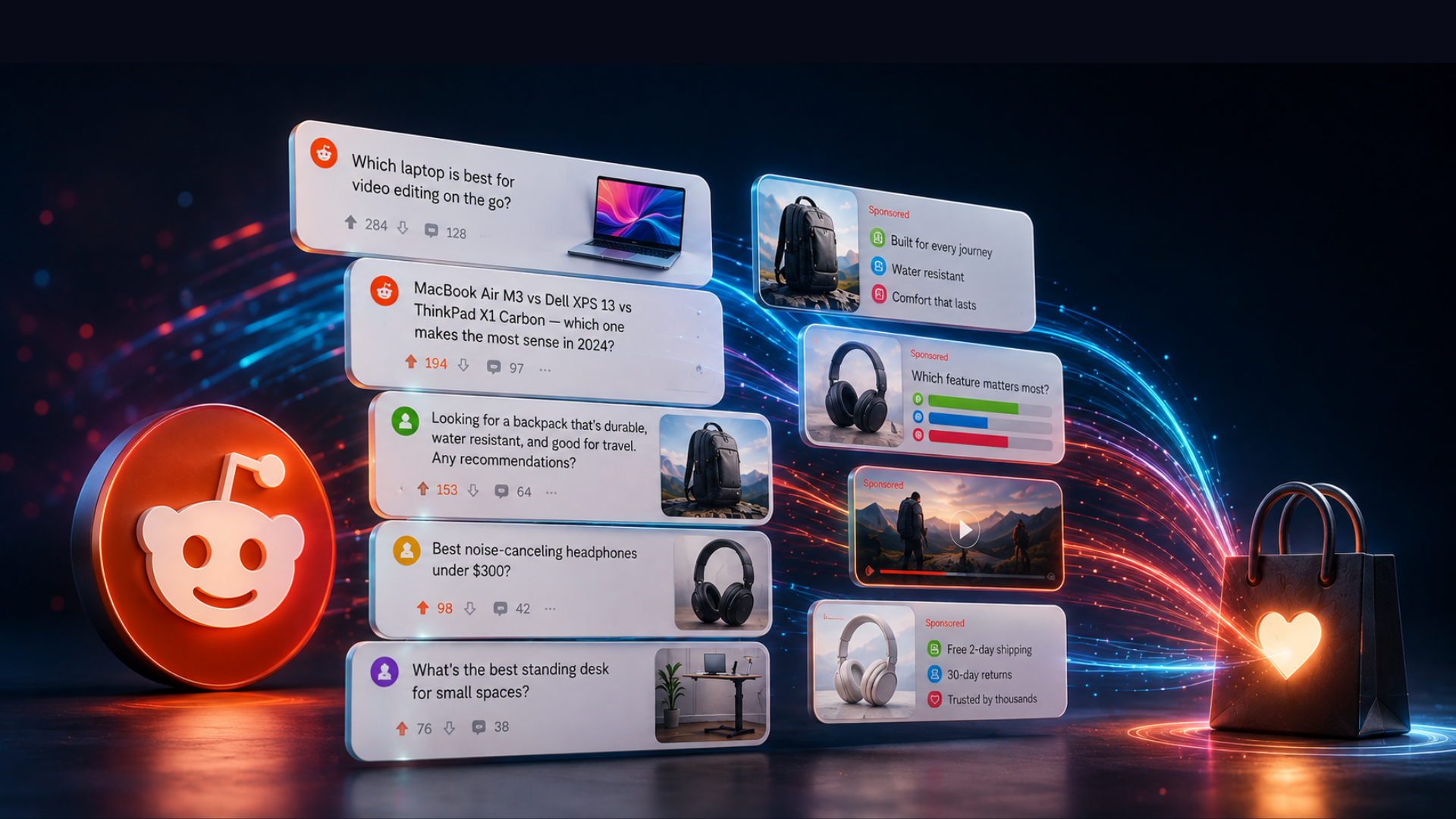
Reddit has a unique advantage: communities built around real questions and decisions. Its ad platform needs to catch up.

Advertisers can now exclude specific household income segments at the campaign level while keeping PMax's automated optimization.

Several advertisers have begun to notice a new option to upload Audience lists into OpenAI's new ad platform.

After Google said it had already filtered suspicious activity, this unexpected approach restored campaign profitability.
See how precise messaging helps cut wasted spend, attract better prospects and give ad algorithms cleaner signals to optimize.

Microsoft Ads now lets advertisers target audiences by LinkedIn job seniority across Search and Audience campaigns.
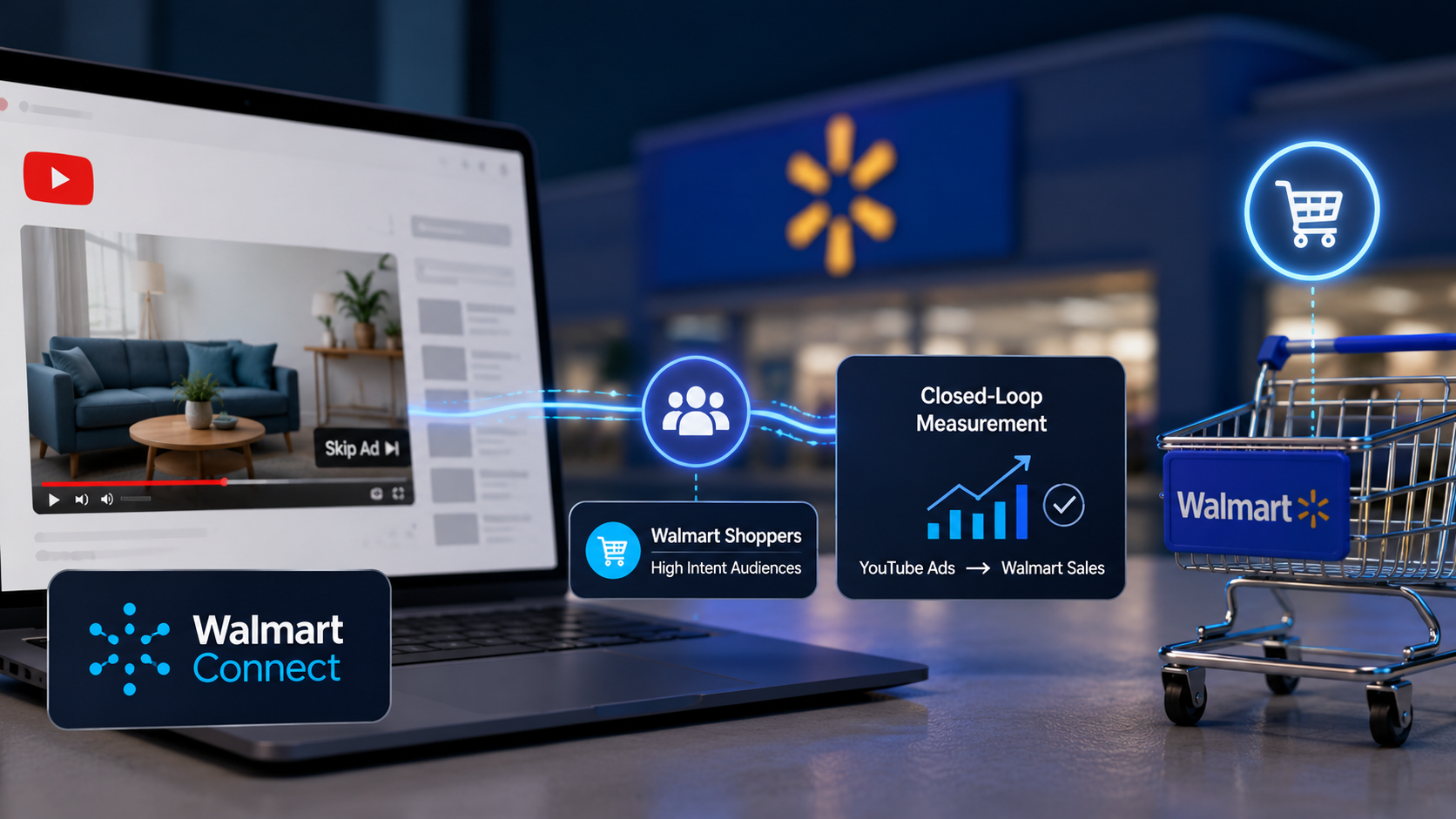
Google and Walmart team up to let advertisers target Walmart shoppers on YouTube and measure the sales within DV360.

The update provides additional guidance on when audience targeting restrictions could affect campaign delivery and reach.

Google’s new AI targeting mode is designed to help brands reach entirely new brand-unaware audiences earlier in the discovery journey.

Attract qualified, ready-to-move candidates using intent signals, pre-qualification, and funnel segmentation — without wasting budget.

OpenAI’s privacy updates let advertisers run personalized ads without accessing users’ chats, keeping targeting safe and privacy-friendly.

Learn a practical PPC framework that predicts intent, reaches beyond search, and connects the right audiences to the right content.

YouTube upgraded its Promotions tool to let creators target viewers by interests—shifting beyond basic demographic-based promotion.
Here's how LinkedIn professional attributes support intent, automation, and creative decisions across Microsoft Advertising.

The audience list reduction to 100 users makes it easier for advertisers of all sizes to use remarketing and customer list.

Google’s new Partner Match tool will let advertisers target YouTube audiences built from third-party hashed data once it launches.

Google’s vague update on expanding Custom Segments under its Personalized Ads policy is raising more questions than answers for advertisers.

Learn how Google Ads custom segments target people by recent searches and site visits so you reach the right audience more efficiently.

The partnership lets CPG advertisers use Instacart’s retail data to target high-intent shoppers and track purchases directly within TikTok.

Use audience signals to refine your reach, reduce wasted spend, and apply performance data across Google and other ad platforms.
Meta will soon use people’s AI interactions to refine content and ad targeting, giving advertisers richer intent signals for more relevant campaigns.

Meta’s new no-ads subscription in the UK could shrink ad reach and force advertisers to rethink targeting and budget strategies.

Learn how Google Ads placement targeting works – what it is, where to find it, how to block the junky sites, and whether it’s worth testing.

A new PMax beta lets advertisers exclude genders, opening the door to more precise targeting and higher campaign performance.

You can now fine-tune Performance Max campaigns with long-awaited controls over devices, keywords, and age targeting.

Learn what Google Ads affinity segments are, how they work, where to use them, and when they’re most effective for reaching broader audiences.
Learn top ecommerce advertising strategies for 2025. Discover how to boost ROI with paid search, social ads, retargeting, and performance marketing.

Learn how the Google Display Network works, challenges to watch out for, and practical tips to improve ad performance and avoid wasted spend.

Learn which campaign types support Google Ads’ in-market segments, what to do if your niche isn’t covered, and their limitations.
Google lowered the customer match list minimum from 1,000 to 100 users, opening the door for smaller advertisers to leverage powerful audience targeting.

Google's decision to maintain third-party cookies without a new consent prompt exposes limitations in its Privacy Sandbox alternatives.

Learn all about Life Events segments, how they let you target users experiencing major life transitions, implementation tips, and more.

Learn how Google matches your display keywords, how they function for content and audience targeting, and best practices.