Your guide to easy affiliate marketing for beginners
You’ve probably heard the word “marketing” before, and maybe even “affiliate.” But what happens when you put them together?
Affiliate marketing is a powerful digital marketing strategy that helps businesses and creators earn passive income, promote products they believe in, and grow revenue without launching something of their own. Affiliate marketing now accounts for nearly 15% of all digital media revenue, making it one of the most impactful online strategies today.
But how successful can you really be with an affiliate marketing business? Is it too good to be true? And with the rise of influencers and sponsored content everywhere, does it still make sense to invest time in this strategy?
This in-depth guide to affiliate marketing for beginners will walk you through the essentials step-by-step, from choosing the right program to earning your first commission.
What is affiliate marketing?
Affiliate marketing is a performance-based strategy where individuals or businesses earn a commission by promoting another company’s product or service.
So, how exactly does it work?
When a customer clicks on the affiliate’s unique tracking link and makes a purchase, the affiliate receives a commission. The exact amount varies depending on the program’s terms, but it’s typically a percentage of the sale or a fixed amount per action.
The affiliate process usually looks like this:
- A brand creates an affiliate program and provides unique tracking links to its partners (affiliates).
- Affiliates promote the product or service using those links in content, emails, or social posts.
- If someone clicks and completes a purchase, the affiliate earns a commission.

Affiliate marketing is often associated with influencer campaigns, especially on social media. Aside from monetizing their social media channel, affiliate commissions can boost an influencer’s income with a lucrative side hustle. But it’s not limited to just social media. Anyone with an audience or a marketing channel can participate, think bloggers or businesses with newsletters or niche websites.
So, if you’re looking to monetize content or create a new revenue stream for your business, affiliate marketing offers a practical and accessible way to get started, especially for those seeking an easy introduction to affiliate marketing for beginners.
Programs like Semrush’s affiliate program offer a user-friendly scale built to help you grow by offering recurring commissions, high-converting tools, and all the necessary resources to succeed.
The SEO toolkit you know, plus the AI visibility data you need.

Is affiliate marketing a scam?
Many people are skeptical of affiliate marketing because it’s often marketed as a fast way to make money online. That kind of promise can feel unrealistic, and in some cases, it is.
While skepticism is understandable, affiliate marketing is widely used by businesses that want to reward trusted partners for driving results. In 2024, affiliate marketing spending in the United States was projected to reach $10.72 billion, reflecting strong demand and investment across industries.
Like any marketing strategy or partnership, seeing results takes time, consistency, and thoughtful planning. Affiliates must build a loyal audience, create helpful and trustworthy content, and promote products that are genuinely relevant to their audience.
For those willing to invest in that effort, affiliate sales can become a valuable and sustainable source of income over time.
How does affiliate marketing work?
Affiliate marketing works by tracking the interaction between a brand, an affiliate, and a customer. When someone from your audience clicks on your unique tracking link and completes a desired action, such as making a purchase, you may become eligible for a commission. The activity is recorded through the link, so the brand knows which affiliate to credit.
Most programs use cookies and UTM parameters to track which affiliate sent the customer. These links are unique to each partner, ensuring that commissions are fairly and automatically assigned.
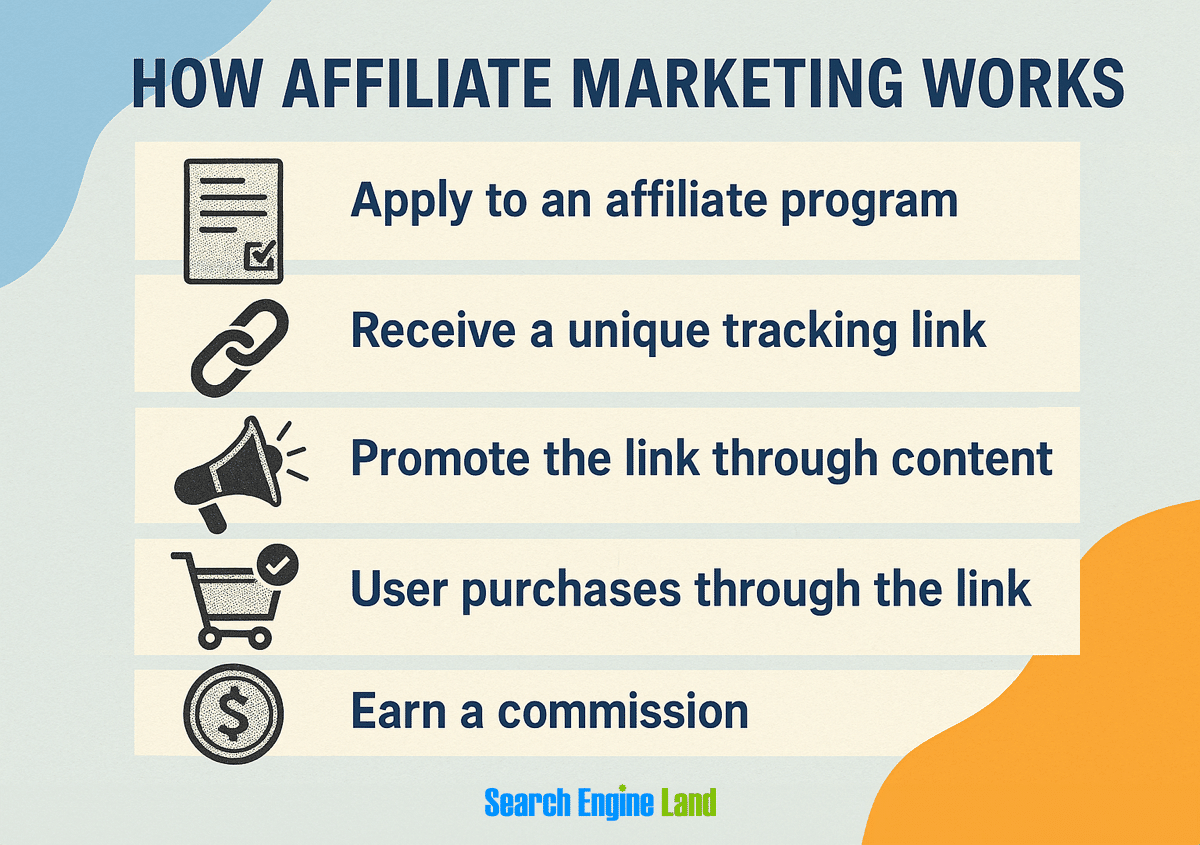
Typically, the affiliate process looks like this:
- You apply to join an affiliate program.
- If accepted, you receive a unique tracking link.
- You promote that link through quality content, email, or social media.
- Someone clicks the link and takes a qualifying action, such as purchasing.
- You earn a payout based on the program’s terms.
Starting affiliate marketing is meant to be straightforward so you can dive right in. But long-term success comes from strategy. That includes understanding your audience and partnering with an affiliate program that offers clear tools and direction.
Benefits of affiliate marketing
Because it’s flexible, scalable, and low-risk, affiliate marketing is often seen as a strong option for both businesses and creators.
Some of the main benefits of affiliate marketing are:
- Growing market potential. Affiliate marketing continues to grow year over year. In 2024, U.S. affiliate marketing spending is projected to reach $10.72 billion—a significant increase from $9.56 billion in 2023.
- Performance-based revenue. Unlike many marketing business models, affiliates only earn when real results, like clicks, leads, or sales, are generated. This is why 81% of brands now rely on affiliate programs as part of their broader strategy.
- Flexibility and a low barrier to entry. Affiliate marketing requires little to no upfront investment and is accessible to creators and businesses alike. In fact, 31% of US publishers cite affiliate marketing as their top source of revenue.
- Passive income potential. Once created, content with affiliate links can continue to generate revenue long after it’s published. According to HubSpot, over 35% of affiliate marketers earn passive income from content published weeks or even months earlier.
- Built-in tools and support. Most affiliate programs offer marketing resources, tracking dashboards, and promotional materials to help partners succeed. Individual affiliate programs provide access to custom links, detailed analytics, and recurring commission structures.
By leveraging these benefits, affiliate marketing can serve as a sustainable revenue stream, whether you’re just getting started or scaling your business.
Affiliate marketing offers benefits that complement your revenue without disrupting your operations. Many creators and businesses see it as a smart addition to their marketing strategy.
Types of affiliate products
Affiliate programs come in many shapes and sizes. Depending on your audience and content style, certain types of products or services may be a better fit than others. For example, a makeup creator on TikTok probably wouldn’t get much traction promoting farming equipment.
Affiliate products typically fall into one of these three top categories, each offering unique advantages depending on your niche and content strategy:

- Physical products. These are tangible goods sold through online retailers. Affiliates promote items like electronics, clothing, or home goods and earn a commission for each sale generated through their referral links. While commission rates can vary, the broad appeal of physical products allows affiliates to target a wide audience.
- Information products. Information products include digital goods such as eBooks, online courses, webinars, and membership sites. These often offer higher commission rates due to lower overhead costs and the value placed on specialized knowledge. Affiliates in niches like personal development, business training, or health and wellness may find success with content that supports these offers.
- Services. Services encompass offerings such as software subscriptions, web hosting, and consulting packages. Many of these, especially Software as a Service (SaaS) tools, offer recurring commissions. Affiliates earn income each time a customer renews or remains subscribed.
The right product type depends on your niche, audience, and goals. All three categories can succeed with a strategy that includes relevant content, consistent promotion, a clear understanding of your audience’s needs, and a defined objective as an affiliate partner.
How to start affiliate marketing
If you’re searching for how to start affiliate marketing for beginners, you’ll quickly learn it’s not just about signing up for a program, it’s about thoughtful planning, clear goals, and knowing your audience.
Before you start creating content or promoting links, it helps to define your niche, evaluate potential programs, and understand what’s expected from affiliates.
1. Choose your niche
Select a topic that aligns with your interests and expertise. This ensures authenticity in your content and builds trust with your audience. Utilize tools like the Keyword Magic Tool to identify high-potential topics within your chosen area. Organic traffic, PPC, and social media platforms can all be leveraged in parallel, with the right content marketing strategy.
The Keyword Magic Tool instantly generates thousands of keyword ideas, all organized by metrics like search volume, keyword difficulty, cost-per-click, and user intent. Just click on a keyword to get the insights you need to create content that actually resonates with your audience.

2. Select your platform
Decide where you’ll publish your content—be it a blog, YouTube channel, podcast, or social media. Choose a platform where your target audience is most active. For instance, if you have a strong following on Instagram, leverage that platform to share affiliate content.
3. Join affiliate programs
Research and join the best affiliate programs that resonate with your niche. Consider both affiliate networks like ShareASale or CJ Affiliate and direct programs like Semrush, Amazon, and HubSpot, which offer resources and support to its affiliates.
4. Create valuable content
Develop content that addresses your audience’s needs and integrates affiliate products naturally. Whether it’s product reviews, tutorials, or comparison articles, ensure your content provides genuine value. With AI-powered content creation tools like ContentShake AI, developing helpful content–from content briefs to optimized articles–is easier than ever.
Affiliate marketers have also adapted to an evolving definition of “content.” Gone are the days when affiliate marketing simply meant creating articles or comparison websites. Today’s affiliate marketers have their own YouTube channels and provide recommendations across social media accounts like TikTok and Instagram.
5. Promote your content
Drive traffic to your content through SEO, social media marketing, and email newsletters. Platforms like the Social Media Toolkit can help schedule posts and analyze performance across platforms.
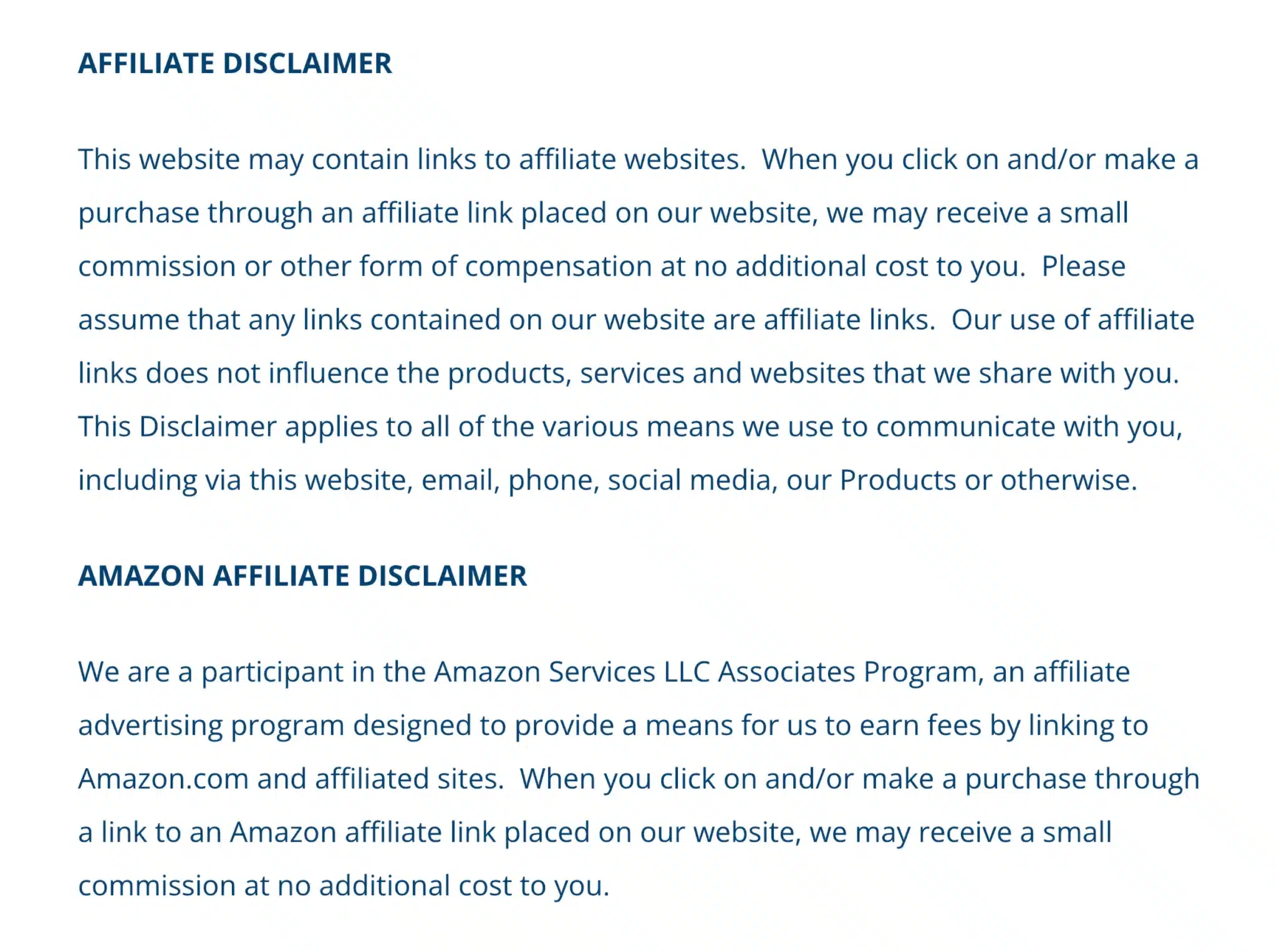
When sharing affiliate links, always be transparent about your relationship with the brand. Add a clear and noticeable disclaimer that lets your audience know you may earn a commission from their purchase. Most platforms allow you to tag posts as paid partnerships or include disclosures in captions, bios, or directly next to the link.
This isn’t just a best practice—it’s a legal requirement. According to FTC guidelines, affiliates must clearly and conspicuously disclose any “material connection” to the brand, meaning any financial relationship that could affect how the audience interprets your recommendation.
Tip: The FTC recommends placing disclosures as close as possible to the affiliate link. Avoid relying on footnotes or separate About pages. A simple line like “I may earn a commission on qualifying purchases” is usually enough.
6. Monitor and optimize
Track the performance of your affiliate links to understand what’s working and what needs improvement. Most affiliate programs provide dashboards that show real-time data on clicks, conversions, and commissions. Companies like Impact, CJ Affiliate, and ShareASale make it easy to monitor and optimize your conversion rates from one place.
You can also use your own Google Analytics account to see which blog posts, landing pages, or traffic sources are sending users to your affiliate content. This helps you spot which content attracts the most engaged visitors, even before they click a link.

Starting affiliate marketing requires dedication and the right resources. By following these steps and leveraging the resources indicated below, you can build a successful affiliate marketing strategy one step at a time.
How much can you make as a new affiliate marketer?
“How much can I actually make?” is one of the first questions people ask about affiliate marketing. The income varies widely, especially in the beginning. Some affiliates earn just a few dollars in their first month.
Others start to see more consistent results over time, but this often depends on factors such as their niche, the platforms they use, and how well the products align with their audience’s needs. What works for one affiliate might not work for another.
Even with steady effort, it can take experimentation and patience to find what works. That’s completely normal. Don’t feel disheartened if you don’t see results right away. Growth tends to happen gradually as you build trust and refine your approach.
Tip: Affiliate programs that offer recurring commissions can create more stable income over time, especially if you focus on tools people use regularly.
Tactics affiliate marketers use to maximize their earnings
Affiliates who earn consistently follow tactics like these that help increase visibility, clicks, and conversions.
- Focus on evergreen content. Create content that stays relevant over time, such as how-to guides or tool comparisons. Choose topics where the affiliate product is a natural fit. When content aligns with the link, it is more likely to convert and continue earning.
- Use email marketing. If you already have an engaged list, email can be a great way to share affiliate links. Include them in newsletters, roundups, or helpful recommendations. Email tends to perform well because it reaches people who already trust you.
- Test different formats. If you’re active on multiple platforms, experiment with formats to see what performs best. Some audiences prefer blog posts, while others respond to video or social content. Even small tests can help you learn what drives results.
- Be transparent. Always disclose affiliate relationships. Most platforms offer tools to add disclaimers. In blogs or emails, include a short note near the link or at the top of your content to build trust.
- Track what’s working. Many affiliate programs offer dashboards with click and conversion data. Use that information to refine your strategy and focus on what performs best.
You don’t need to implement every tactic at once. Start with what fits your content style and platform. Be consistent, stay patient, and use what you learn to grow over time.
Affiliate marketing tools
The right affiliate marketing tools can make it easier to connect with businesses, manage links, track performance, and improve your results. Explore these different types of tools:
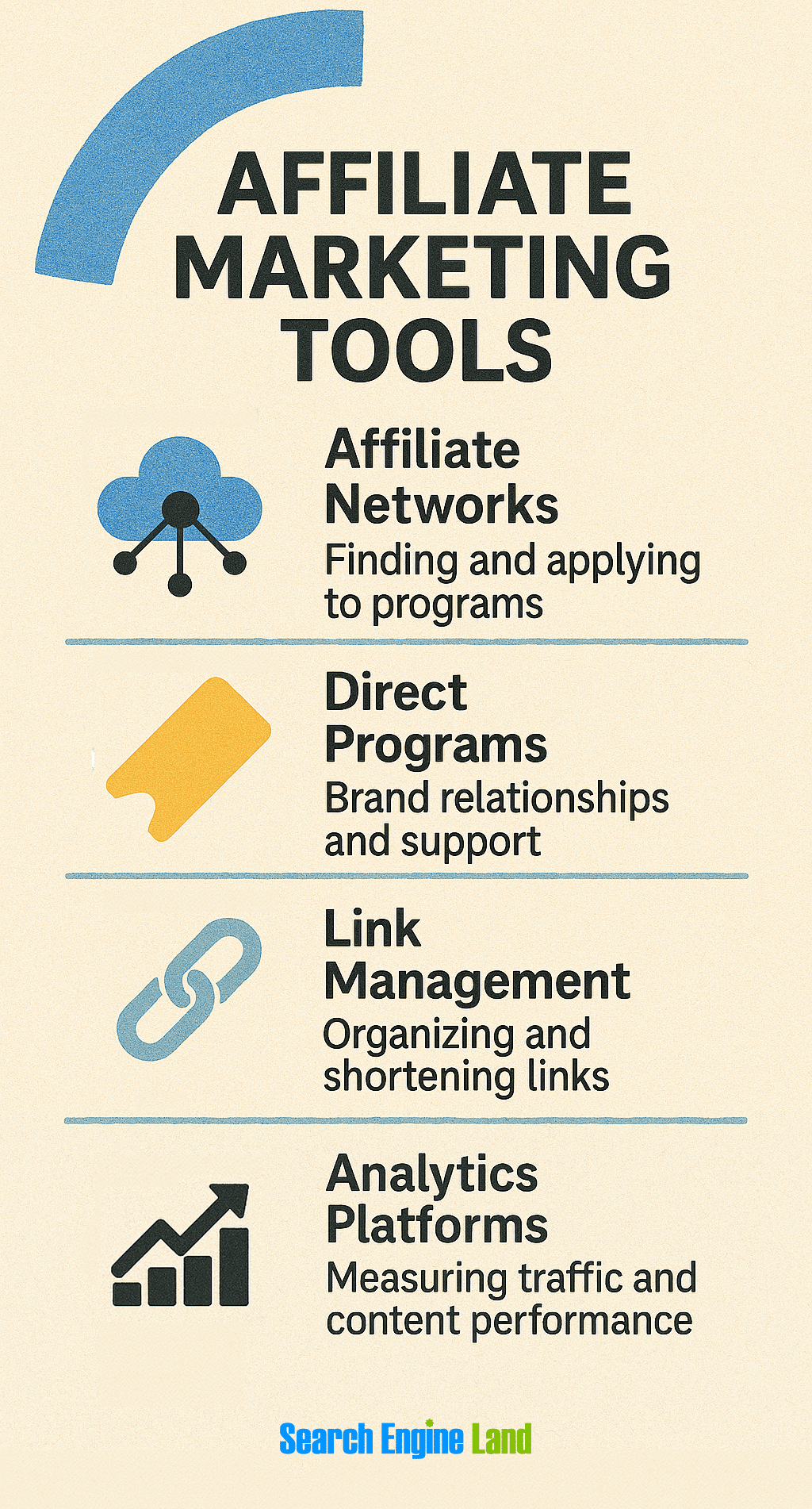
Affiliate networks
Tools like Impact, CJ Affiliate, and ShareASale connect you with multiple programs in one place. You can search by category, apply to programs, and track performance in a single dashboard. These platforms are free to join, but each program within the network may have its requirements.
Direct affiliate programs
Some companies run their programs outside of networks. These often offer more hands-on support and direct access to the brand. Semrush’s affiliate program is a free, direct program that offers marketing materials, custom links, and detailed tracking.
Track, optimize, and win in Google and AI search from one platform.
Link management tools
Tools like Pretty Links or ThirstyAffiliates help you organize, shorten, and monitor affiliate links. These are especially useful if you run a blog or manage a large number of links. Most offer free versions with optional paid upgrades.
Analytics platforms
Google Analytics is free and helps you track which pages or channels drive traffic. Many affiliate dashboards also include built-in reporting. If you use an email platform, look for click-through reporting, which is often included in paid plans.
Using a mix of these tools can give you the visibility needed to make changes to your strategy or identify where your content consistently performs well with the affiliated link.
Turn your content into a revenue stream
You’ve explored the foundations of affiliate marketing on how it works, what makes it effective, and how to get started.
Now comes the part that matters most: putting it into action.
Affiliate marketing isn’t just about adding links. It’s about creating content that connects your audience with solutions you believe in and earning a commission when those recommendations lead to results.
That’s why choosing the right affiliate program is crucial.
The partner you choose should offer more than commissions. It should provide resources, guidance, and opportunities for growth. Without that support, even great content may not perform. Look for features like:
- Recurring commissions
- Ready-to-use marketing materials
- Detailed tracking dashboards
- Global brand trust
If you’re ready to begin your affiliate marketing journey and want a partner that’s easy to work with and supports you, explore Semrush’s affiliate program.
Explore more on
Editorial disclosure
Search Engine Land is owned by Semrush. We remain committed to providing high-quality coverage of marketing topics. Unless otherwise noted, this page’s content was written by either an employee or a paid contractor of Semrush Inc.
About the author