Google says don’t include fake or undisclosed incentivized reviews in review snippet structured data
Google updated the review snippet structured data markup documentation with some new guidelines and examples.

Google updated the review snippet structured data markup documentation with some new guidelines and examples.

Paid placements and questionable outreach tactics are blurring the line between legitimate GEO and manipulative SEO.

Brand bidding silently drains your budget. Learn how to spot it and turn lost clicks into sales.
And is able to block more than 80% of fake phone number scams within Google Search.
Google's annual Ads Safety Report highlights how AI is reshaping ad enforcement, with a record number of account suspensions.
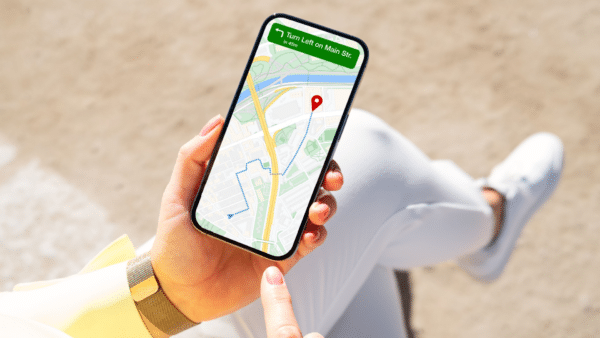
Understand how this deceptive practice affects rankings and learn the safe way to correct your listing's location.

The number of advertisers who were blocked or removed due to policy violations nearly doubled compared to the previous year.
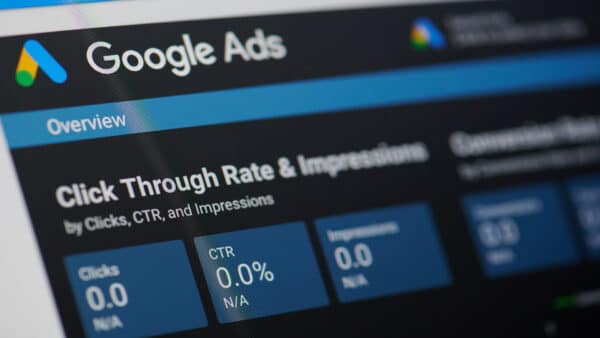
The change is gradually rolling out in the U.S., beginning with smaller states and extending to larger states throughout the year.

Failure to comply with the updated policy could result in the suspension of your Google Ads account.
This Google loophole enables competitors to intentionally manipulate the system, making your ads invisible without your knowledge.

Google is being urged to do more in safeguarding brands' reputations and preventing online shoppers from becoming victims of fraud.
Google will limit the reach of campaigns from advertisers it is unfamiliar with until trust is established.

Google said in this case the alleged scammers created 350 fraudulent Business Profiles and over 14,000 fake reviews.
Google also shared some states on how it fought fake reviews and content in local search.

Spam in the local search space appears to have moved into another area that Google is unable to police actively.
Google's lawsuit alleges that a company called G Verifier scammed and harassed hundreds of Business Profile merchants.
71% of respondents say they would no longer visit a business if they learned the business has fake or compensated online reviews.

There are reports of an increase in fraudulent ownership requests, so be careful.
The latest effort aims to protect searchers, publishers, and advertisers from rising threats and attack vectors in a timely maner.
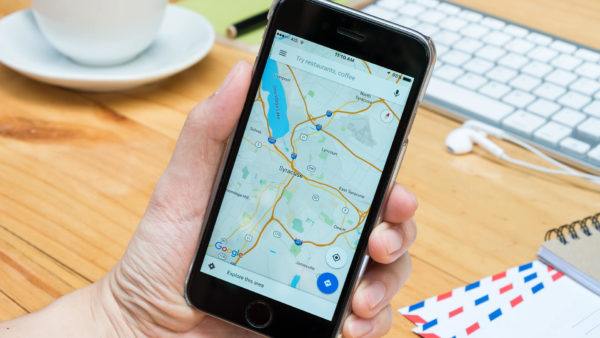
You can now identify the content on Google Maps that you claim might lead to fraudulent activity by saying the business doesn't exist.

Those who were duped lost over half a million dollars by cryptocurrency scammers.
The report lists misinformation around COVID-19 and the political climate as well as ad fraud as top concerns last year.
GMB listings phishing is on the increase. Google says it's aware of the problem but business owners must be vigilant.

Like a virus it infects all the major review sites, especially Google and Amazon.

Will the problem of fake listings and reviews destroy trust in major platforms?

Users now consult multiple sites and expect reviews to be relatively fresh.
Most of the fake reviews that are submitted (91%) are "biased positive reviews."

Google says it is working on it, but is still positioned to profit as local businesses claw back visibility with paid ads.
Third-party tech support scams, cryptocurrency and weapons ad content topped the areas of attention.
Will this reduce the issues with fraud and spam in the Google My Business listings? We'll see.
Diet supplements company was buying fake reviews from a vendor Amazon itself had previously sued in 2016.
Facebook is reportedly the source of some of the fake review solicitations.
Advertisers attempting Phishing attacks and pushing counterfeit goods continued to try to evade detection.

Reviews can be an important part of a local SEO strategy, but columnist Greg Gifford warns that overdoing it can make your business look shady.

Citing "serious quality issues," Microsoft updates the Bing Ads global ad policy to disallow all ads from third-party tech support providers.

Tech support scams remain at the top of the list of bad actors that search engines have to keep fighting.
One of Google's efforts last year was to prevent accidental mobile clicks when app developers purposely placed ads too close to application buttons.

Several SEO companies have agreed to stop publishing fake online reviews, and will also pay penalties ranging from $2,500 to almost $100,000 as part of settlement announced today with the New York attorney general’s office. The AG’s year-long investigation ultimately caught 19 companies involved in writing and posting fake online reviews, including numerous small businesses. […]

Yelp’s battle against phony reviews and unacceptable tactics to earn reviews continues today with the company posting another batch of “Consumer Alert” messages on business profile pages. This is the second time Yelp has announced that some businesses will be outed for trying to game its system. Back in October, Yelp put a message on […]

The battle against bad ads getting past the AdWords review process rages on. Google announced in a blog post this week that the company axed 224 million bad ads in 2012. That’s up 67% from 2011. The 2012 numbers underscore that there is no shortage of scammers, however they may also point to a sign […]