3 GEO pillars: LLM readability, brand context, agentic commerce
Your next search competitor may be an AI's shortlist. GEO addresses what it takes to get cited, recommended, or selected by AI systems.

Your next search competitor may be an AI's shortlist. GEO addresses what it takes to get cited, recommended, or selected by AI systems.
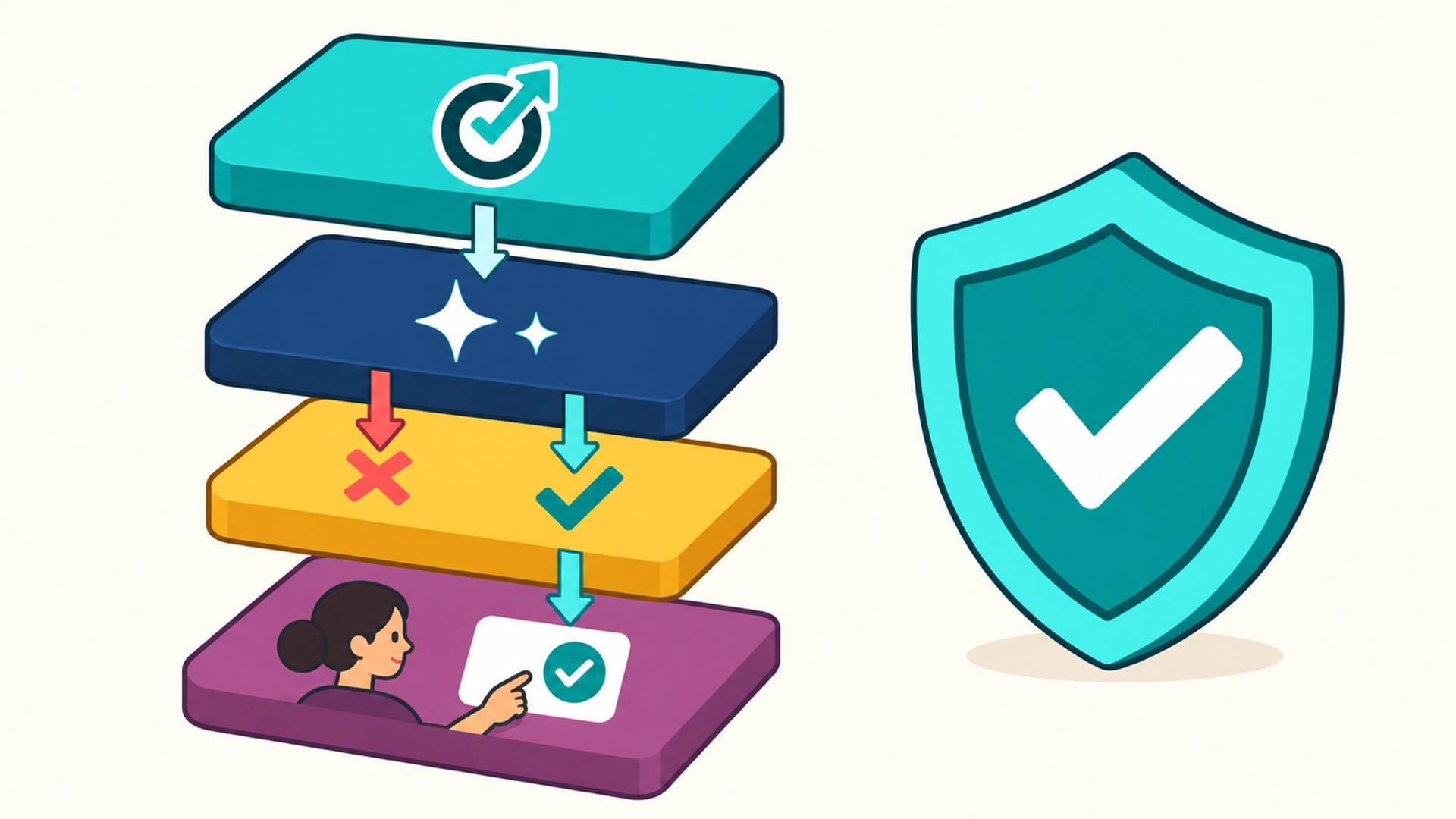
Automation layering techniques can be deployed to successfully make AI-driven PPC safer.

Claude can sort CRO data, surface patterns, and organize findings, but human judgment is still needed to validate conversion problems.

Know when to use off-the-shelf AI, when to build custom systems, and what foundations you need before agents can deliver real value.
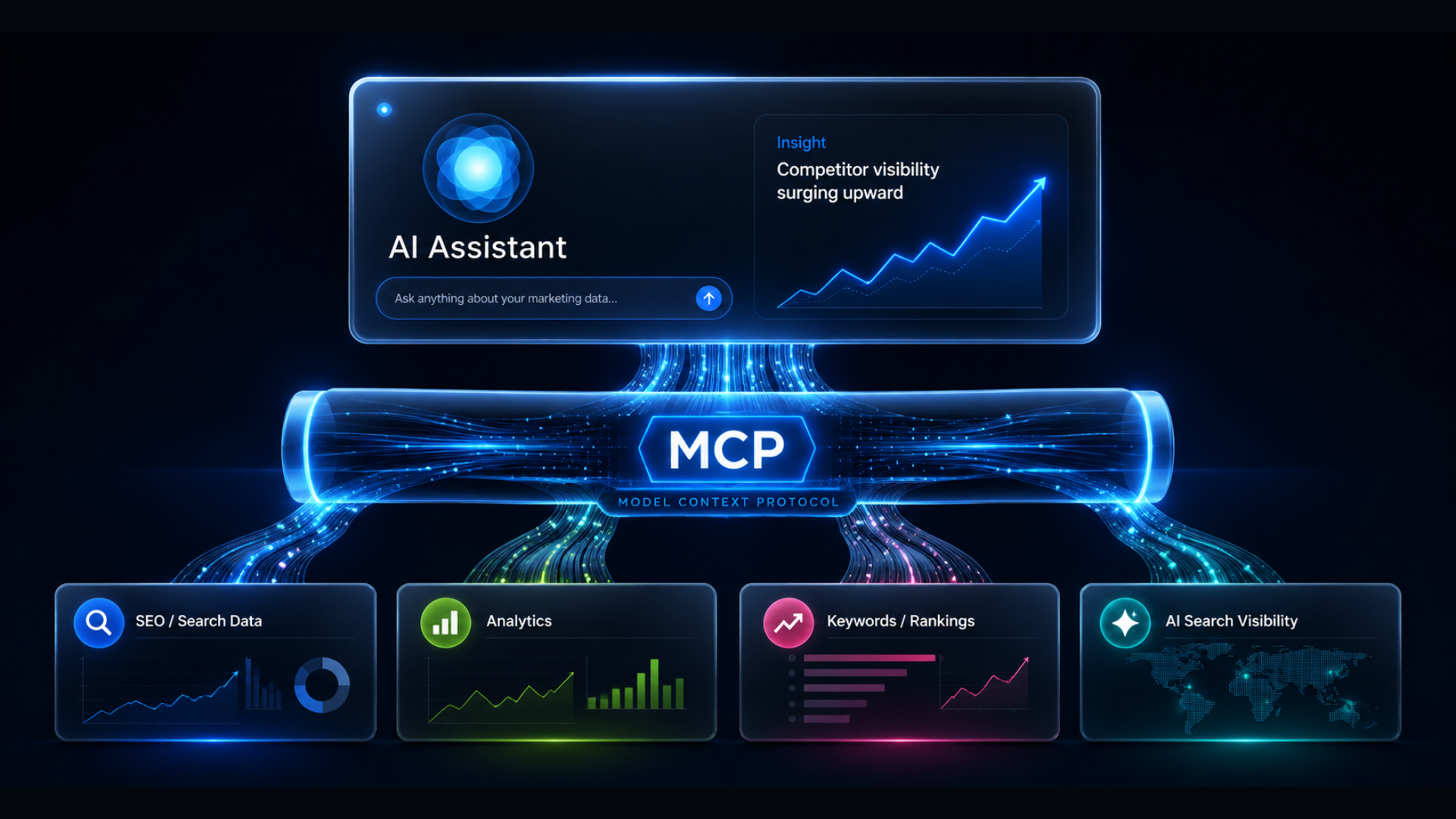
Your SEO tools already contain the answers. MCP makes it easier to ask questions your dashboards weren't built to handle.
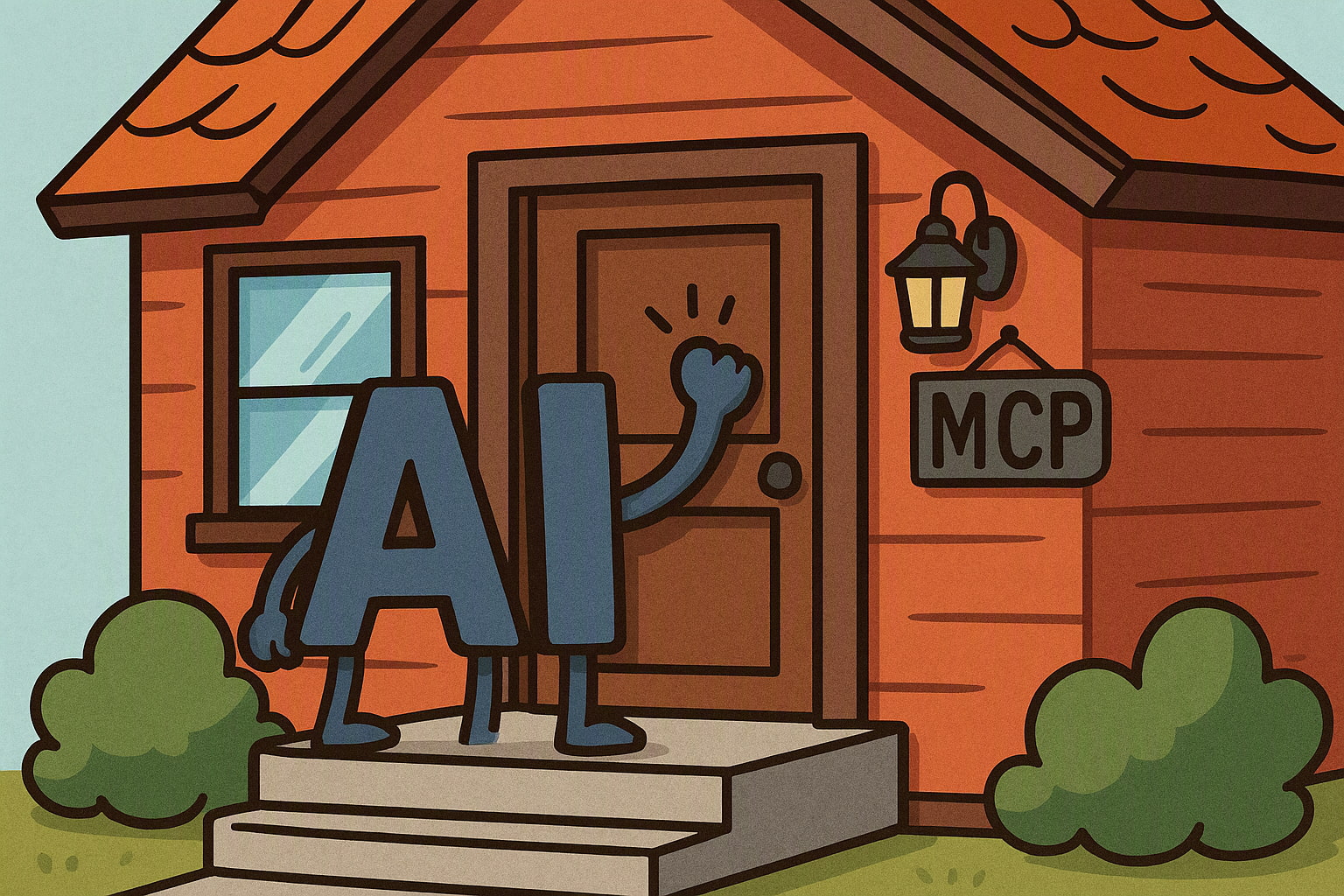
AI assistants like ChatGPT and Claude can now plug straight into your marketing systems. That connection is powerful. But it doesn't replace the platform behind it. It depends on it.

A new ChatGPT ad format is being tested that starts a conversation with an AI business agent instead of sending users to a website.
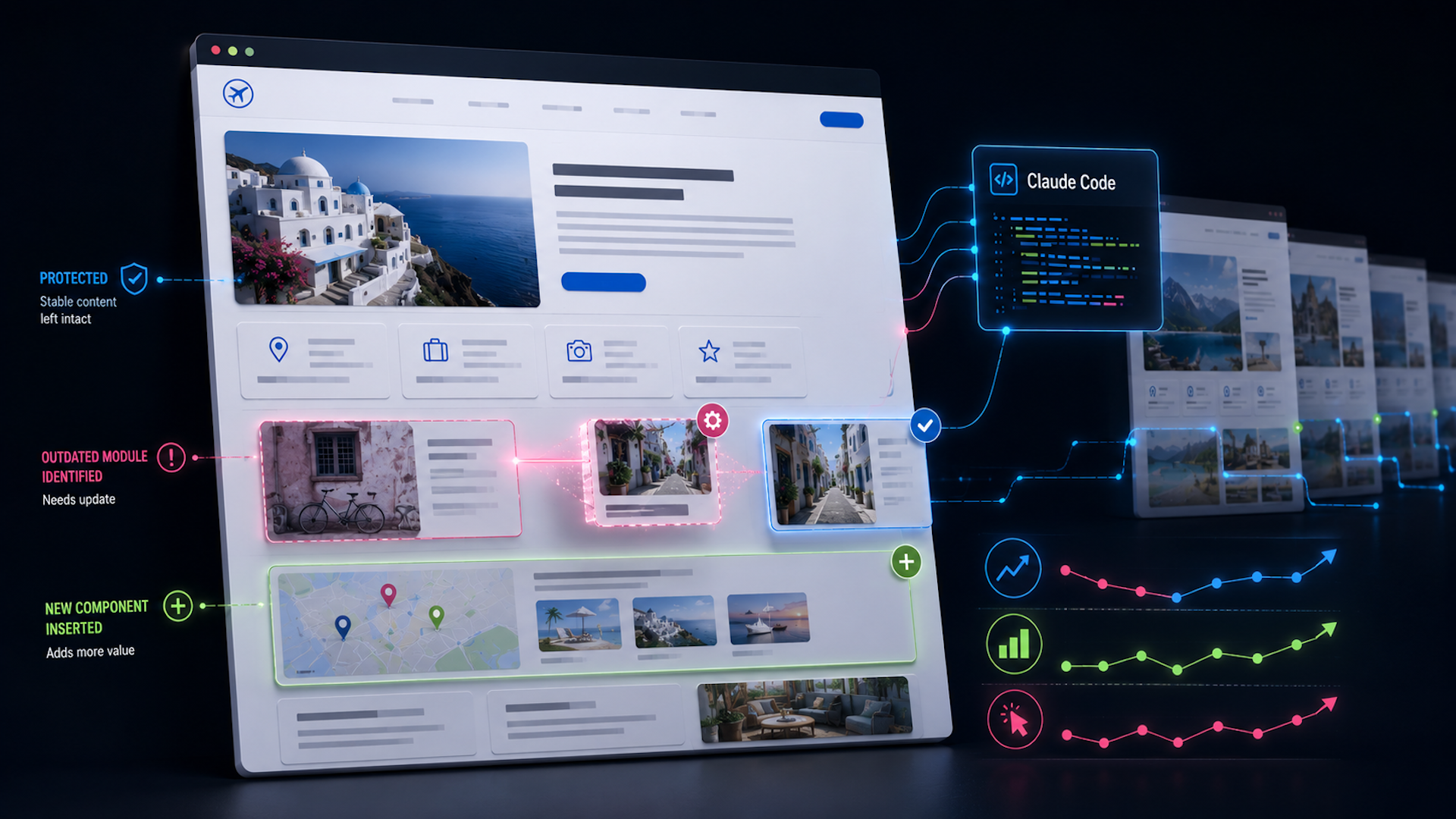
See how a 14-step workflow diagnoses content decay, protects rankings, and drives measurable traffic and revenue gains.

It's the top new client request of 2026, and most agencies still can't answer it with data. Here's what you can measure today.
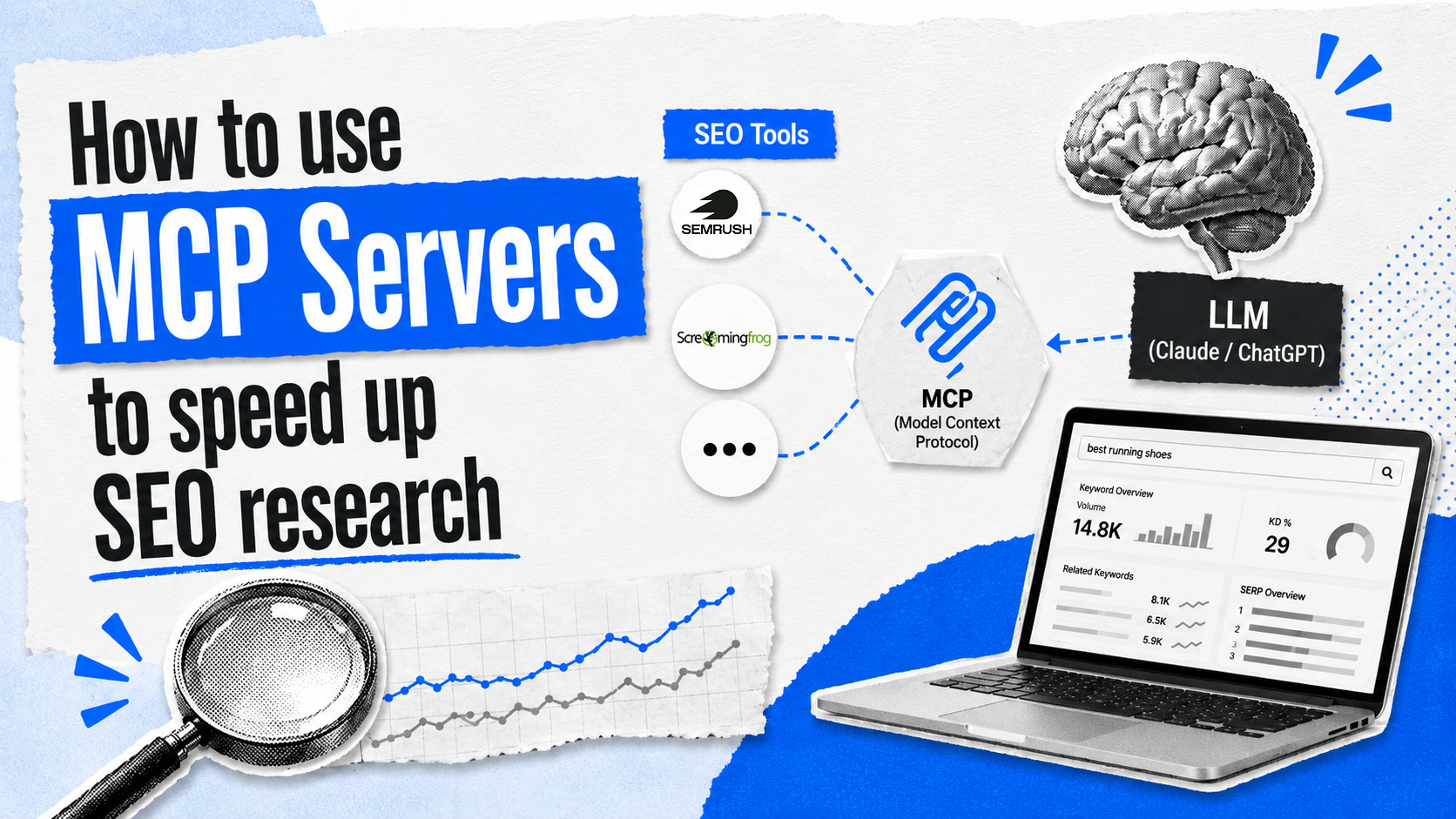
Learn what it is, how to install and configure MCP servers from SEO tools. Discover multiple use cases to fast-track manual SEO work at scale.
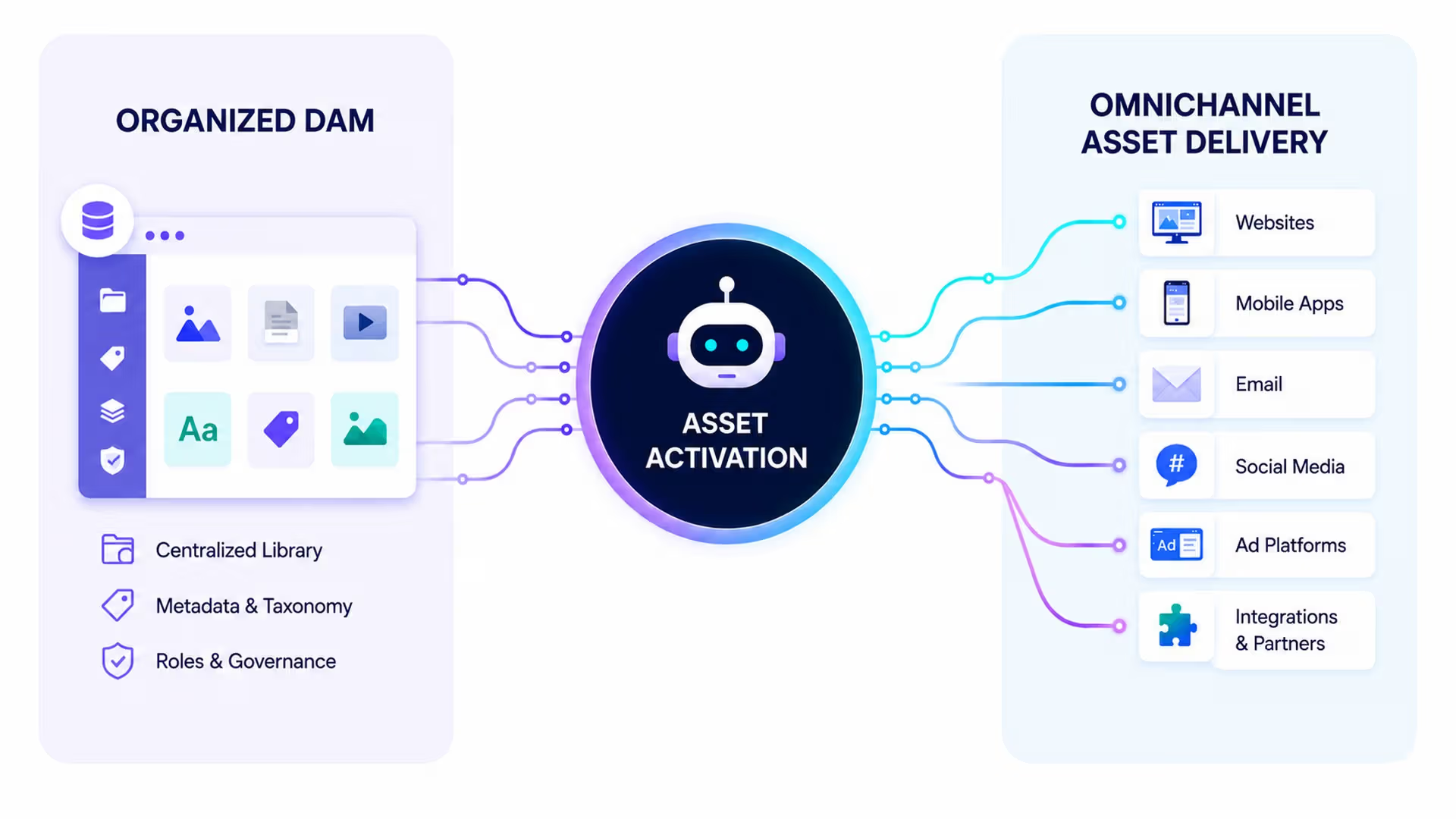
Centralized, tagged, governed. And still slow. Here's what your DAM was never designed to do.

AI engines now decide which brands to recommend, trust, and transact with. Learn the six steps to become AI's preferred choice.
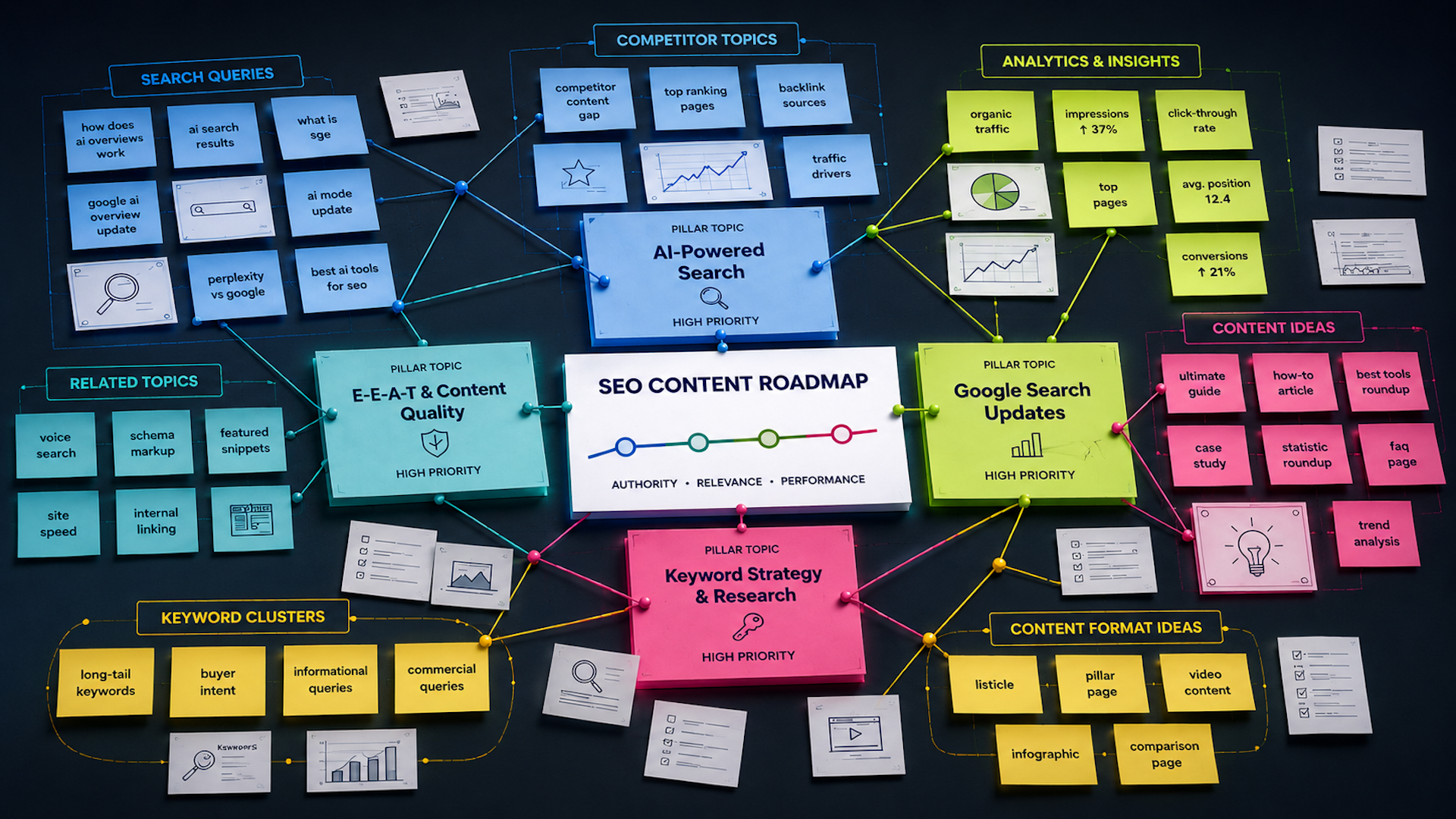
See how to combine Semrush, Google Search Console, Google Analytics, and Claude to prioritize the content opportunities that matter most.

Recommendations depend on confidence, not just content. Here's how search, knowledge graphs, and third-party proof influence AI decisions.
Before requesting a new tool, understand the tradeoffs between custom solutions, SaaS platforms, and hybrid approaches that combine both.

Google is embedding AI into publisher workflows, making it easier to analyze performance and act on insights from a chat interface.

See how memory, search, MCP integrations, and AI skills work together to reduce context-switching and keep client work moving.

AI search has outgrown simple RAG. Learn how today’s hidden AI retrieval systems decide whether your content gets surfaced or filtered out.

AI visibility is now a macro measurement problem. Here’s how to build a defensible framework for tracking recommendation trends.

Here's why you should take all of Google's latest guidance on optimizing for AI search with a grain of salt.

AI can scale SEO and GEO audits, but only if your system has the right data, methodology, and human oversight.

AI agents are becoming a new discovery layer, and WebMCP could become the schema markup that helps them understand and use your site.

Traditional SEO forecasts often miss seasonality and volatility. Learn how to model non-stationary search behavior with Prophet and Python.

Learn how to install, deploy, and brand AI skills to turn generic chatbots into your agency’s custom, scalable operating system.

The biggest SEO gains increasingly come from interactive experiences that remove friction and answer intent immediately.

Learn how to optimize your site for AI crawlers with technical SEO best practices — and control access by blocking or allowing crawlers with directives.

UCP-powered checkout initially went live only in AI Mode but it now seems to be available for some retailers in Search.

MCP solves the infrastructure problem that kept AI agents stuck at the analysis stage. But raw access to a live ad account is a liability without the guardrails a platform like Optmyzr provides.

If you’re still prompting AI manually, you’re not automating. Here’s how to build workflows that actually execute PPC tasks.

AI systems label and score content before ranking. Annotation determines how you’re understood — and whether you compete at all.

See how AI systems process content through five entry modes — and why relying on crawling alone limits visibility, speed, and revenue

The annotation, recruitment, grounding, display, and won gates determine which content AI engines trust and recommend. Here’s how it works.

Google’s new protocol enables purchases inside Gemini and AI search. Here’s how it works and how to prepare your feeds and infrastructure.

Where do AI systems lose confidence in your content? Discovery, selection, crawling, rendering, and indexing hold the answer.

Most SEO work means tab-switching between GSC, GA4, Ads, and AI tools. What if one setup could cross-reference them all?

AI recommendations are decided upstream. Understand the 10-gate pipeline, where brands fail, and how small improvements compound.

Before overhauling your CRO for AI, focus on fundamentals. Clear messaging, strong UX, and technical hygiene still do the heavy lifting.

Incomplete terminology leads to incomplete strategy. Here’s a clearer framework for optimizing when AI systems recommend and act.

Relying on GA4 alone leaves AI SEO analytics lost in the Bermuda Triangle of measurement. Learn what’s missing – and what to track instead.

Your next wins depend on the signals models see, not the pages users visit. Adapt your content before agents take over the journey.