Google Search Console adds image license structured data support
Now you can debug your image license markup in the Rich Results test tool or in Search Console.
Now you can debug your image license markup in the Rich Results test tool or in Search Console.

What do all DAMs do, and what are the points of differentiation between them?

This won't improve your rankings but it may lead to better click-through rates.

The dramatic growth of both media assets and devices is fueling an interest in systems to organize digital assets.
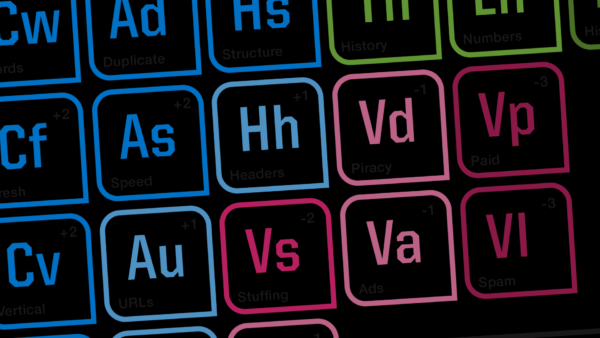
These elements in the Periodic Table of SEO Factors encompass the HTML tags that provide crucial information to search engines. They help highlight key parts of your content and influence how your pages appear in search results. Are you describing movie showtimes? Do you have ratings and reviews on your e-commerce pages? What’s the headline […]

“SpecialAnnouncement” and “eventAttendanceMode” can help businesses provide event updates in the search results.

DAM can play a vital role in your marketing organization, unifying online and offline marketing channels and leading to more efficient marketing resource allocation.
Google will instead show product, recipe, video, and soon, licensable labels in place of that dimensions information.

Google is beta testing a new way for sites to display licensing information about content that appears in Google Images.
If you want to capitalize on this speciality search engine, make sure to add datasets schema where applicable.

It is live, the "in this video" timeline feature in search is officially live and works for English YouTube videos.

How cool is this new Google search feature that breaks down the sections of the video you are watching.
The enhancements claim to make it easier to provide what search engines need to make sense of your videos.

Better enunciate, your Google Podcasts visibility may depend on it.

Don't try to trick Google with fake dates in your content, it can back fire.

In addition, Google has added Creator and Credit metadata support to image search.

The Singapore-based organization is launching a non-profit community composed of token-incentivized humans who validate AI-generated metadata.
Data nuts, here is your chance to get your data and charts looking pretty in the Google search results snippets.

A few months after Google drops support for the meta news keywords tag, Google removes two other webmaster-related publisher features.
Google will now show you if an image in their search results is a GIF or video or recipe with a small little badge on the corner of the image.

New search feature covers small group of product types now, but Google says it will expand in the coming months.
Is an online claim true or not? Google hopes special callouts for fact-checking articles will help searchers get the right answers or better make their own decisions.

Below is what happened in search today, as reported on Search Engine Land and from other places across the web. From Search Engine Land: Google launches new effort to flag upsetting or offensive content in searchMar 14, 2017 by Danny Sullivan Using data from human “quality raters,” Google hopes to teach its algorithms how to […]
Google says articles that include the schema.org ClaimReview markup will have the Fact Check tag.

A new Google pilot program now allows publishers to describe CSV and other tabular datasets for scientific and government data.

Columnist Myles Anderson shares the results of a recent BrightLocal survey about the impact of on-site SEO on rankings for local businesses.

The wildly popular image host, Imgur, has new duds and some powerful search tools that can help users identify viral images quicker than ever. Thanks to new image tagging, advanced search, Imgur may become a platform in which users frequent first, rather than find via a social posting. The first thing to notice to the […]

When you think about the job the search engines have to do it’s pretty daunting. Given a collection of mostly wildly unstructured data from an endless number of sources, Bing, Google and the others have to somehow make sense of all that information and then give it back to us on demand in a way […]

Matt Cutts, Google’s head of search spam, posted a fun video where fellow Googler, Michael Wyszomierski, cropped out his body in the video to make a point. The statement Matt made was that there is importance of content in the body of a page and not just the header, such as the title tag. If […]

Schema.org announced a new form of Schema they have introduced with support from Google, Microsoft Bing, Yahoo and Yandex named Actions. Schema Actions are a way to communicate via markup on your web page the actions they enable and how these actions can be invoked. Technically, Schema.org describes it as: An action performed by a […]

A beta version of RadioSearchEngine.com launched this week after more than a year in development. According to its creator Michael Robertson, the site is the world’s first radio search engine, “There are other directories of A-Z lists of radio stations, but this is the first search engine where any song or artist can be located […]

Structured data has become a hot topic over the past year or so, and at SMX East, the room was packed for the Structured Data Superstars session. Evan Sandhaus of the New York Times kicked it off with a very impressive look at how the Times spent the last three years developing and implementing structured […]
Last week, I reported on the Search Engine Roundtable, a huge array of complaints from Google News publishers and searchers that some news outlets are showing old stories in Google News, but they are appearing as breaking new stories. The example I gave was a story from USA Today showing as being 14 minutes old […]

In last month’s post about authorship, I shared that Google has been experimenting with inferring authorship for PDF documents in addition to webpages. This piqued my curiosity to see if any other indexable filetypes could also have inferred authorship. Microsoft Office Files PowerPoint files appear to infer authorship similar to PDFs and webpages, looking for […]
Google announced changes to the Google Shopping Feed Specification today. Here is a review of the updates and deadlines to be aware of: Products Without Unique Identifiers In the biggest change, Google has added the ‘identifier exists’ attribute for merchants selling custom goods and other products that don’t have unique identifiers like brand names or MPN codes. In categories […]
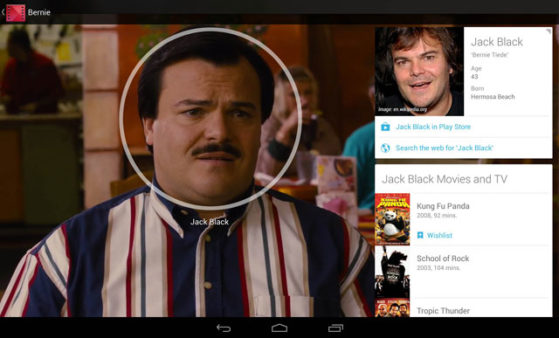
Google announced they can now tell you the name of the actors in a movie when you are unsure of the name of the actor or actress. The Google Play TV or Movies Android App specifically for U.S. based Android 4.0 (Ice Cream Sandwich) and higher tablet devices can give you the answer. For a […]

Earlier this year, Bing announced a new featured named Bing Linked Pages, that feature is now named Bing Tags. The feature allows you or your friends to “tag” web pages and documents in Bing’s index as being related to you or your friend. The purpose is to make the search results for you and your […]
If you happened to do certain abortion-related searches in the past few days, you might’ve been surprised to see the late Truman Capote getting Google+ Authorship credit for an article from The New York Times. What makes it odd, of course, is that Capote died in 1984. He wrote numerous classics that showed up on […]

It’s been about two months since Google launched a “news keywords” meta tag for news publishers. How’s it going? Why didn’t Google the standard meta keywords tag? The company’s not saying, but it did shed a little more light on how to use the tag. Google launched the news keywords tag in September, designed as […]
Schema 101: Why The New Meta Data Matters Presentations from SMX East, October 2012 Schema.org is a joint alliance between Google, Microsoft and others to provide a common foundation for microdata standards. In other words, provide trusted meta data that allow site owners to express important “facts” about their businesses that both inform searchers and […]