4 technical SEO issues auditing tools won’t show you
Here are four of the top technical SEO issues that your auditing tools won't show you and how to find them.

Here are four of the top technical SEO issues that your auditing tools won't show you and how to find them.

As publishers continue to move away from AMP, how can they maintain site performance?

Learn when to use three types of breadcrumb trails, the SEO benefits of breadcrumbs and best practices for UX and mobile.

Google is getting better at crawling JavaScript, but there are still limitations. At SMX Next, Nati Elimelich explained how dynamic rendering can overcome those limitations while avoiding potential cloaking issues.

SEO tips to fully optimize your Shopify site for higher rankings and more sales.

The issue is resolved but it might take time for your titles to be reprocessed.

A lot has change since the Page Experience update rolled out. At SMX Next, Patrick Stox shared tactics to prepare for what's next.

Non-compliant sites are vulnerable to lawsuits, but SEOs can help protect them by advocating for accessibility, which can serve both differently-abled audiences as well as your business goals.

The job is based in Mountain View, California and you would work on helping keep the search results spam free.

Recently unredacted sections of the complaint paint a damning picture of Google's motivations that, if true, could erode any trust it has left with publishers.
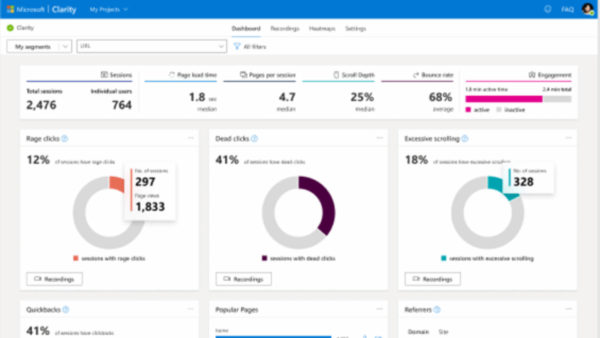
The tool helps advertisers better understand post-click user behavior and engagement on landing pages.

RevOps is trending toward low-code automation that closes software gaps and solves fundamental marketing and sales challenges.

This document has been updated to show you how various forms of redirects impact your site's performance in Google Search.

Core Web Vitals fixes and industry-specific benchmarks

New features are available in Google Ads for local businesses, travel, and more.

On average, each crawled web page has at least one critical error—make sure to fix yours

The page experience update will now gradually rollout in mid-June and won't be fully live until the end of August.

Google explained it "will continue to prioritize pages with the best information overall, even if some aspects of page experience are subpar."

After much confusion, Google explained why it send out these notifications and what your next steps should be.

Google has positioned its third-party cookie replacement squarely between advertisers and users, and both sides are worried.

A guide for search marketers on how rendering JavaScript impacts search results.
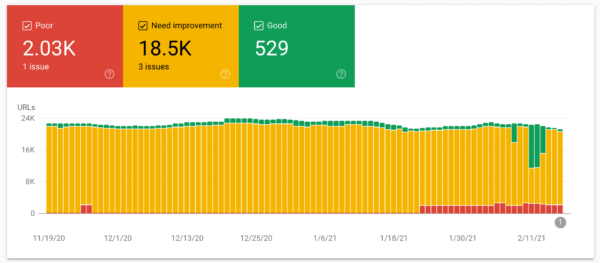
I hope you like SEO rants...
The content you’re competing against, the AMP option, your organization’s resources and business requirements are all part of the decision.
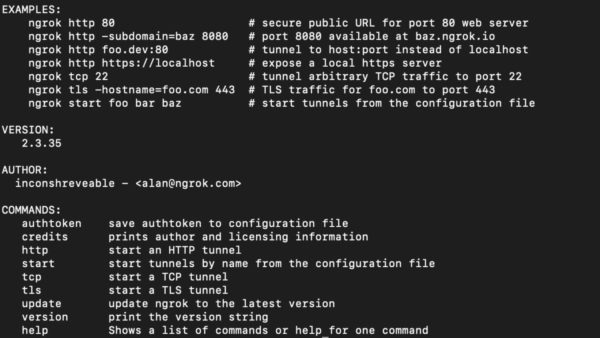
Turn private (VPN required) URLs into temporary ones that allow for page changes but hide the content to preserve its privacy.

The four distinct types of indexing problems and how to identify them.

Bing does not want to index and show search results for low quality, spammy or manipulative content.

The latest updates to the guidelines include how Bing crawls, indexes, ranks web pages and handles search spam.
It seems like there won't be any formal presentations, instead, expect an open dialog between Google and attendees.

Tools and tech to help improve analysis, decision making, and strategic planning.

These new Bing guidelines discuss the fundamental principles behind how Bing crawls, indexes and ranks content - make sure to review them.

It is not clear how many blogs were impacted by this Google issue but it is now resolved.

Live with Search Engine Land is a series of live discussions, presentations, tutorials and less formal meetups led by the editorial team at Search Engine Land. No matter the format, we want everyone to stay sharp and up-to-date on tactics and best practices. These weekly meetups are about giving great marketers a platform to inform, […]

And, why JavaScript may not be the real cause of your crawling issues.

Google’s Martin Splitt discusses the effort behind making Googlebot ‘evergreen’ in this clip from Live with Search Engine Land.

Google’s Martin Splitt discusses his mission to provide both sides with the knowledge and vocabulary necessary to close the gap.

SEOs and developers shouldn’t over-engineer workarounds when basic, reliable solutions already exist, says Martin Splitt in this clip from Live with Search Engine Land.

Google’s Martin Splitt provides a simple summary of the processes that pave the way for ranking search results.

Splitt addresses the most common indexing and JavaScript mistakes, why he doesn’t take ranking questions and shares why Google’s communications aren’t always as proactive as we’d like.

If you are having indexing issues with your HTML or JavaScript-based website, then you won’t want to miss this chat.
Google’s Martin Splitt explains why fragment identifiers don’t get crawled and the importance of href attributes.