B2B brands rank in Google but appear in just 3% of AI Overviews
AI Overviews appear in roughly half of relevant B2B searches, yet most brands remain largely absent from the answers buyers see.

AI Overviews appear in roughly half of relevant B2B searches, yet most brands remain largely absent from the answers buyers see.

Here's why it opens a third visibility path for small sites, beyond implicit affinity and the Follow button.

Before requesting a new tool, understand the tradeoffs between custom solutions, SaaS platforms, and hybrid approaches that combine both.

John Mueller from Google added, "We're just rolling these out incrementally to sites, and reviewing the feedback along the way."

The Anthropic job posting everyone’s dunking on is the new standard. Companies that get it right will quietly win the next decade.

Today, prompt tracking works well but it doesn’t give you the full picture. Learn how to make your prompt monitoring work better for you.

Rankings and conversions show outcomes. The bigger challenge is understanding how buyers discover, evaluate, and choose brands.

Google's patent suggests AI may build entity profiles from websites, reviews, and public information. Here's what that could mean for SEO.

Account for defended traffic, assisted conversions, and cross-channel influence to better reflect search's contribution to revenue.

As AI takes on more execution, you need stronger skills in interpretation, prioritization, and performance analysis.

To get cited in AI answers, stop writing for keywords. Map buyer-role evidence gaps, find the missing gatekeeper, and build the evidence.

As Google's AI Overviews arrive more quickly for developing stories, publishers are adjusting workflows to capture search interest early.
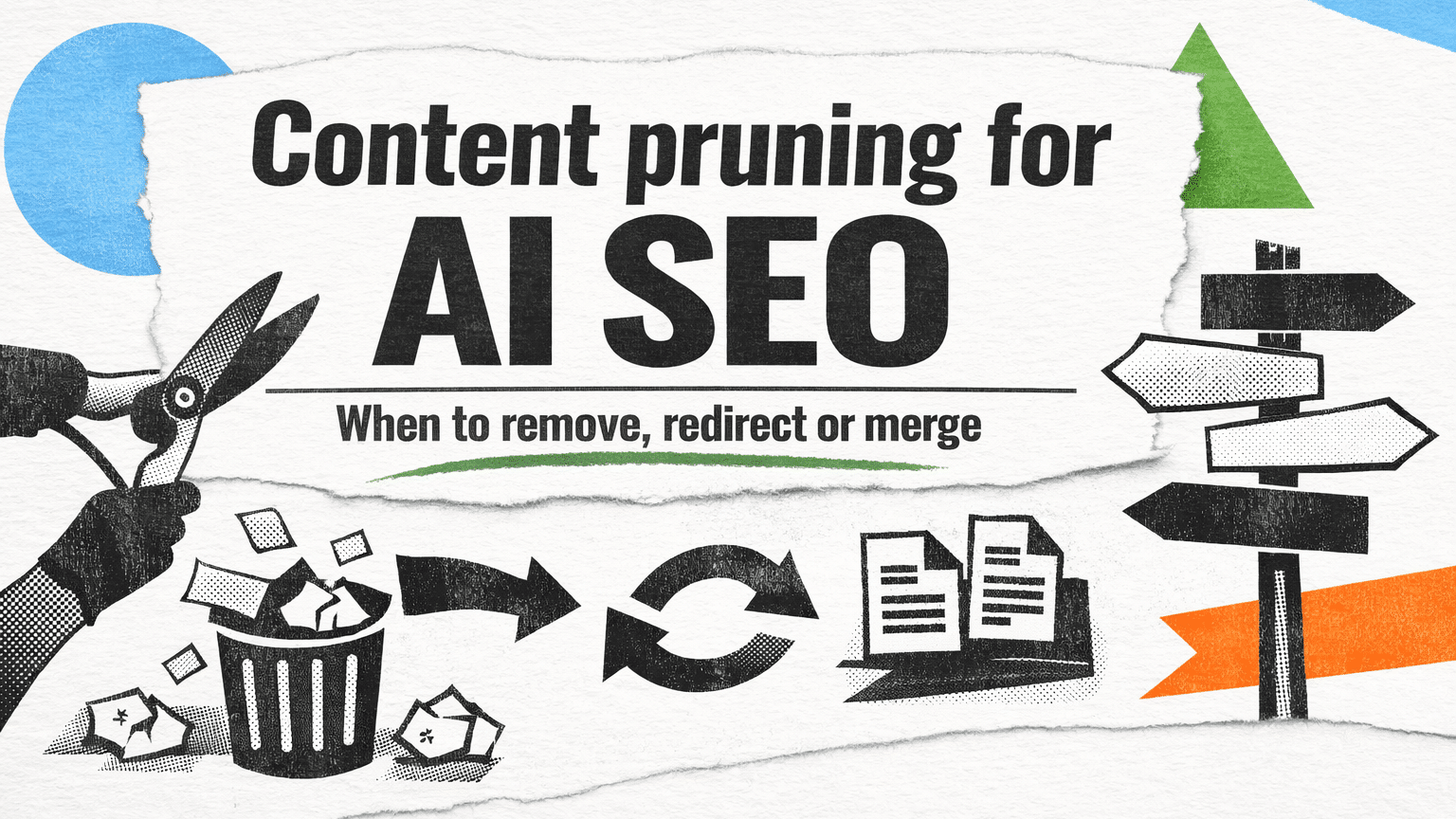
Discover key metrics for content pruning and decide whether to remove, redirect, or consolidate pages with our free decision matrix workflow.

Lily Ray’s study found Google cited brands’ own listicles in AI Overviews, yet excluded those brands from recommendations in most cases.

Backed by 300 million AI prompts and Semrush data, the platform tracks mentions, share of voice, and content gaps across leading AI engines.

Learn how to package your workflows, expertise, and business context into AI assistants that work the way you do.

Content businesses thrive when economics, systems, and editorial judgment reinforce one another. They struggle when those forces drift apart.

Users aren't opting out of AI Overviews or AI Mode. If your content disappears from those experiences, someone else will take its place.
Google updated its help documentation to clarify how to handle all your domain variants for site moves.

Plus, Google is ordered to provide data portability to some third-party services.
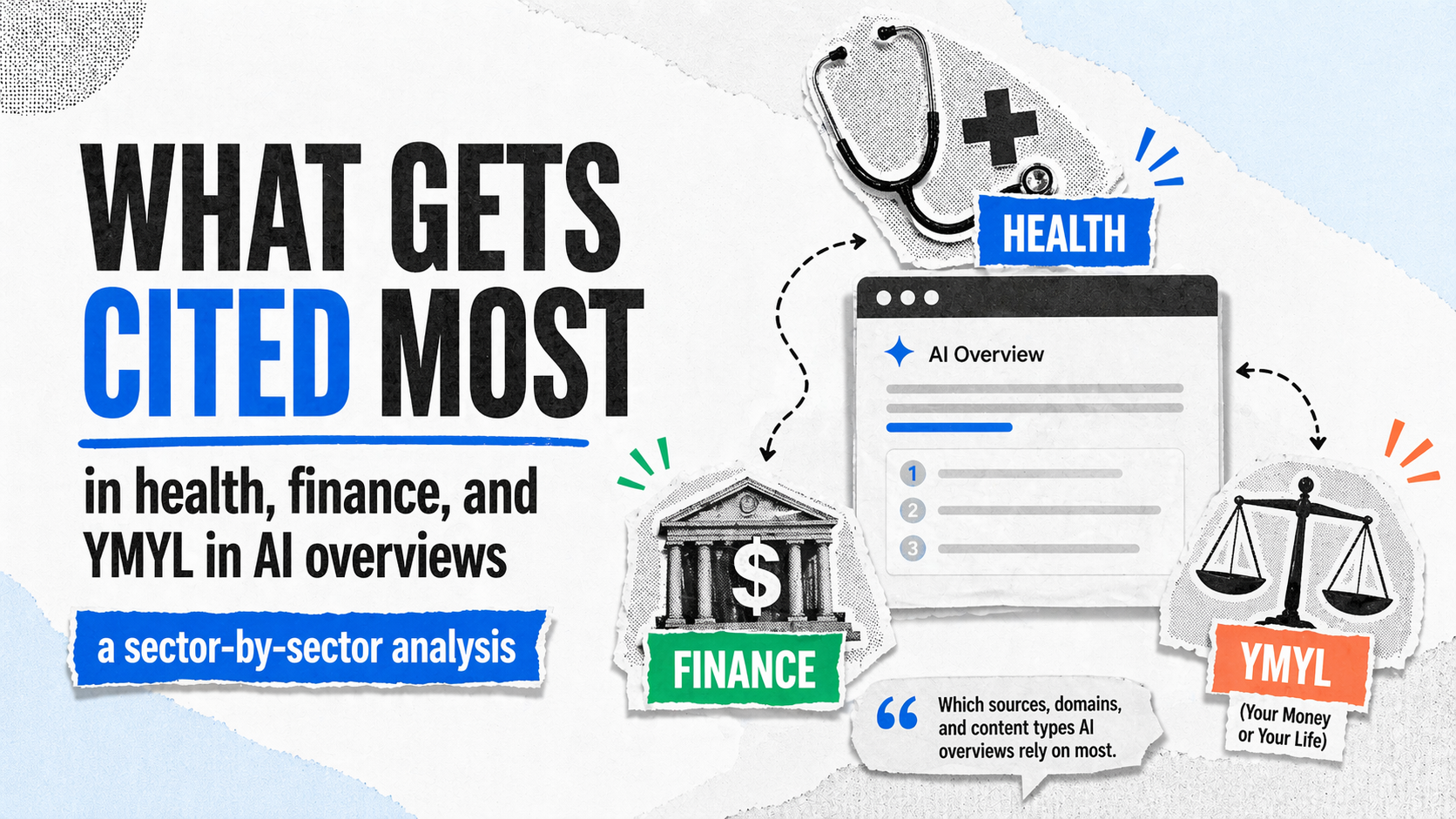
How often do AI Overviews show up for YMYL content? How has this changed over time? Find out with our analysis of health, finance & legal categories.

Why Claude and ChatGPT surface different sources, how ChatGPT ads work, and what new AI search data means for visibility.
Survey data from 1,008 consumers and 150 marketers reveals how AI is reshaping search visibility, brand trust, GEO, and content strategy.

Long-form content alone no longer guarantees visibility. Learn the principles behind content AI systems retrieve and cite.

AI doesn't rely on the same publishers for every query. Here's how to find the voices shaping answers in your space and earn your place.

Microsoft said this is beginning to roll out in preview within Bing Webmaster Tools globally today.

Learn how to repurpose content, discover which formats LLMs prefer, and get our content repurposing map to boost SEO and AI search performance.
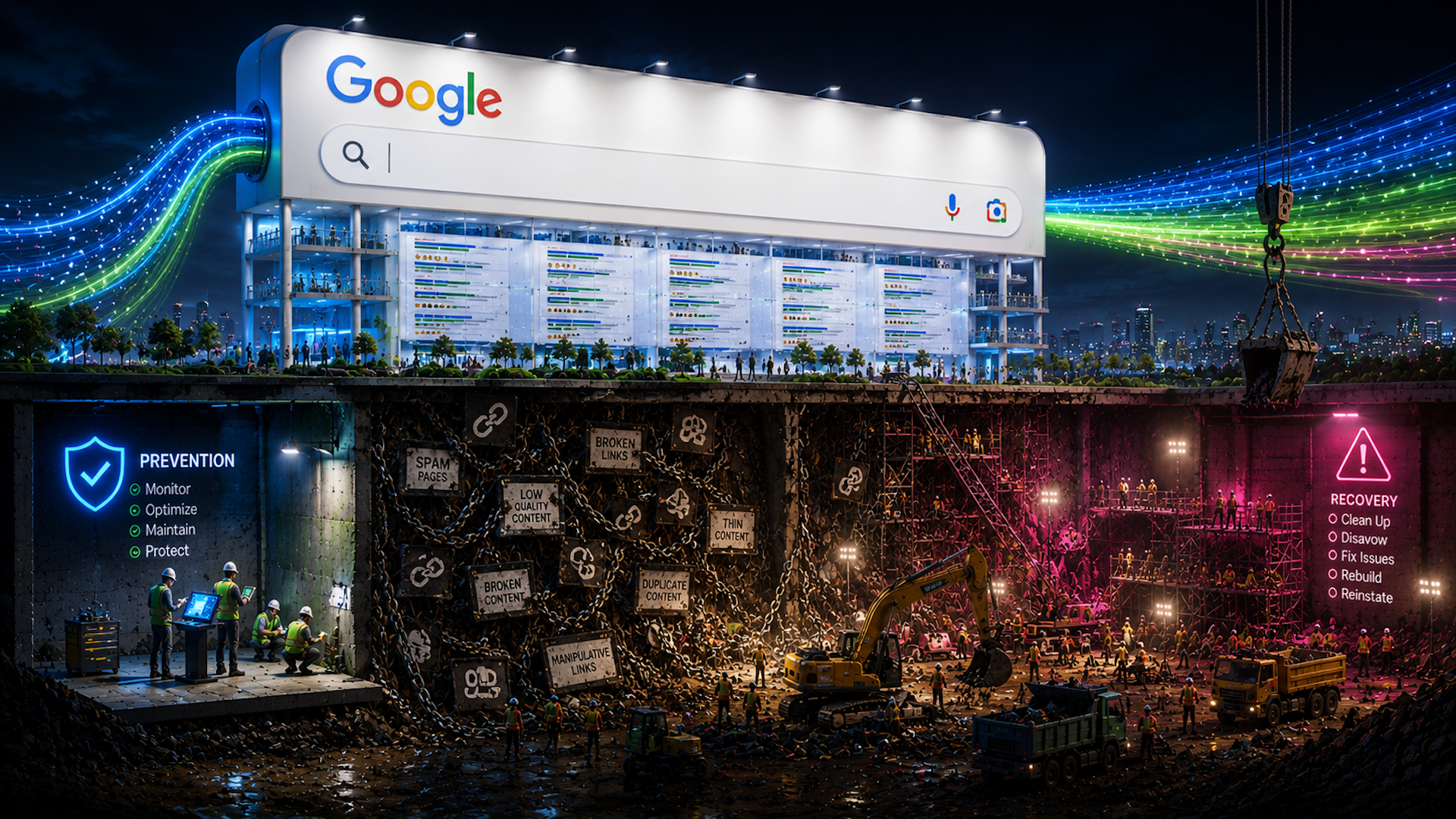
Recovering from a manual action can take months of cleanup and review. Regular compliance audits reduce the risk before it becomes a crisis.

The line between paid and organic is fading as Gemini shapes campaigns, search experiences, and brand visibility across Google's ecosystem.

Learn how iterative prompting, Python, and Google Colab helped turn a multilingual hreflang mapping project into a scalable workflow.

Many pages answer the query but stop short of the decision. Next-question intent helps create more useful content for users and AI systems.

Google clarifies AI-focused site files may be crawled, but they get no special treatment in Search or AI results.

This Google Discover study separates format from editorial context, showing why simple headline rewrites rarely deliver measurable lift.

TripAdvisor, Google Business Profile, OTAs, and reviews help AI understand travel brands. Learn how to strengthen those signals.

From product pages to third-party publications, learn how to create content that helps AI systems understand your brand and who it serves.

Consumers are validating information across more platforms before making decisions. New findings show where AI systems look for authority.

Claude frequently pulls from Brave Search results, with ranking, recency, and comparison prompts triggering searches most often.

From symptom-based questions to software comparisons, see how user prompts influence what AI systems choose to surface.

A practical framework for forecasting SEO outcomes, prioritizing opportunities, and defending your roadmap with data instead of gut instinct.

Generic advice is everywhere. Learn why firsthand knowledge and real-world experience are becoming more valuable for SEO.