Moving from Google Display to Demand Gen: What you’ll lose and gain


You’re not imagining it. Before we could stop to think about the implications of a DSA-less world, Google announced that Display campaigns, too, will be heading to the big UI in the sky, joining Smart Shopping, Discovery, and Local campaigns.
As Google pushes advertisers toward more automated campaign types, campaigns with the most granular controls are disappearing.
Google’s deprecation of this campaign type isn’t surprising. The use of standalone Display Network campaigns has declined significantly since Demand Gen developed similar capabilities, and advertisers have shifted budgets toward AI-driven alternatives.
After the announcement in May, Google released a migration tool that first appeared in accounts in June. The rollout has been phased. In January 2027, the ability to create new standalone Display campaigns will be permanently disabled. Google anticipates auto-migration later in 2027, but hasn’t specified when it will begin.
What changes when Display moves to Demand Gen
For those who have seen the migration tool in their account, Google has given us the ability to update live campaigns while keeping the last 42 days of performance history intact, minimizing the learning period in the newly created Demand Gen campaign.
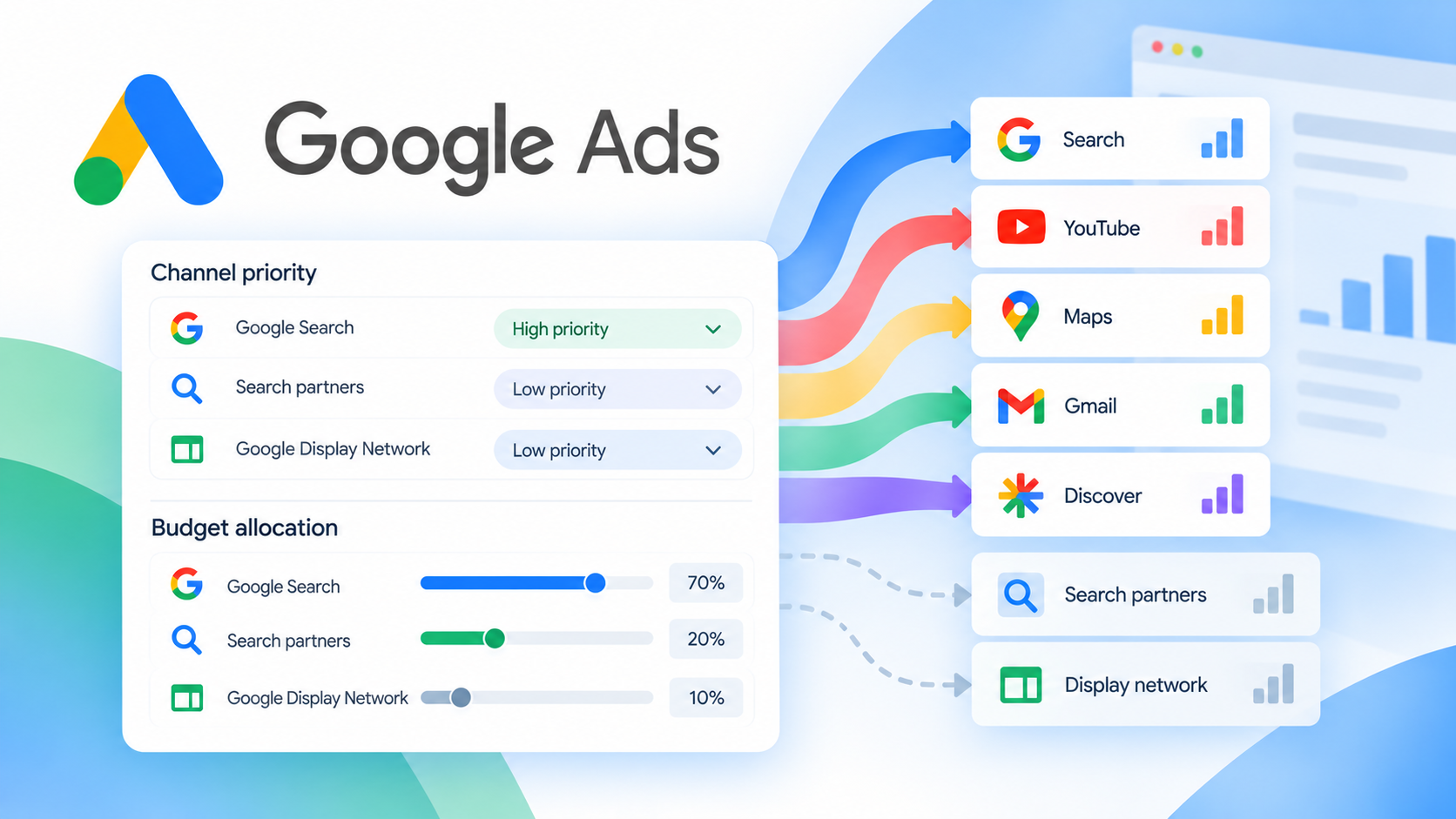
If you’re familiar with Demand Gen, you’ll know that individual network selection is available. However, the migration tool will create a Google Display Network-only Demand Gen campaign. Other channels can be added once the migration is complete.
Google provides a guide in the Help Center that walks you through the migration process.

Google indicates that after a campaign is migrated from the Display Network to Demand Gen, performance may fluctuate. The budget the campaign has spent during the day up to the time it’s migrated won’t be respected in the newly migrated Demand Gen campaign.
The biggest change in your newly created Demand Gen campaign will be the unavailability of certain bid strategies and ad formats. Currently, Demand Gen supports the bid strategies Target CPA, Target ROAS, and Maximize Clicks.
If you’re using Manual CPC, Viewable Impressions, or Pay for Conversions, you’ll need to switch to an alternative bid strategy. Demand Gen also doesn’t support bid adjustments, seasonality adjustments, or portfolio bidding.
Business Data feeds, uploaded HTML5 ads, and third-party ads are also not supported. However, Google notes they’ll be coming soon, with the latter two planned for late 2026. Brand Lift and Search Lift studies are also not supported for GDN in Demand Gen campaigns.
What you gain with Demand Gen
Demand Gen does, however, offer additional network reach through inventory in the Discover network and Maps. There are also ad formats unique to Demand Gen, plus additional generative image tools.

As Display moves to Demand Gen, Google continues to make changes to the campaign type. Here are some to be aware of:
Lookalike Audiences
Once a strict targeting method intended to serve audiences with similar characteristics to a first-party seed list, Lookalike Audiences have undergone major changes.
As of March 2026, Google updated Lookalike Audiences from restrictive targeting to “audience suggestions.” While still valuable, Google will now use your seed list as a signal for its models to reach high-intent customers outside your similarity thresholds.
If you wish to use Lookalike Audiences as a signal, keep in mind that there’s a latency period of up to 96 hours between the time you create a new Lookalike segment and when it populates.
View-through-conversion optimization
This past April, Google introduced view-through-conversion optimization in Demand Gen. This enables your campaign to optimize bids toward users who view a YouTube or Discover ad, don’t click, but convert later. If you struggle to find enough conversions to utilize a conversion-focused bid strategy, this could help significantly.
This wouldn’t impact a campaign serving only within the Display network. However, Google announced in July that Demand Gen campaigns running on Discover that use view-through-conversion optimization would move from CPC to CPM billing.
YouTube affiliate videos
Demand Gen also offers enhanced ways to interact with YouTube audiences through a variety of ad formats. Google recently announced an Affiliate Partnership boost that allows you to use organic YouTube affiliate videos within campaigns like Demand Gen. This is currently only in pilot.
The industry’s trusted source for essential news and analysis.
Sign up for our newsletter to receive exclusive insights and updates directly to your inbox.
- Daily breaking news
- Expert analysis from industry veterans
- Join over 200k subscribers
- Covering SEO, PPC and AIO
How to prepare for the Display-to-Demand Gen transition
Google hasn’t yet given us a date for the start of auto-migration. If you migrate before Q4, allow adequate time for potential performance fluctuations before peak season.
Build out any audiences you may want to use with Lookalike Audiences early enough for them to populate, and be mindful of the loss of advanced bid adjustments, such as the seasonality adjustment or portfolio bidding.
The deprecation of Display Network campaigns may feel like a step back for advertisers who have used them for years, but the additional features and testing capabilities can help push non-search creative further.
Combined with the additional networks and ad formats, these capabilities make now the best time to hone your strategy before Q4.
Treat the migration as a strategy shift
The transition from Display to Demand Gen represents more than just a change in campaign type — it’s a shift in how we approach automated media buying.
As Google continues to roll out rapid updates, from billing model shifts to AI-integrated creative tools, success will depend on staying agile enough to adapt rather than mastering every new technical toggle.
The learning curve can be steep, so proactive planning — especially around audience seeding and performance testing ahead of peak seasons — will be your greatest asset.
Treat the migration as an opportunity to refine your strategy through more sophisticated intent-based targeting, and you can position your accounts to thrive through the transition.
Explore more on
Editorial disclosure
Contributing authors are chosen for their expertise and work under the oversight of the editorial staff. Search Engine Land is owned by Semrush. The contributor was not asked to mention Semrush; the opinions expressed are their own.
About the author