Does your website need an llms.txt file? + How to create one
The jury's out on whether llms.txt help AI models understand your content, but there are reasons you may still want to use it. Let's dive in.
The jury's out on whether llms.txt help AI models understand your content, but there are reasons you may still want to use it. Let's dive in.

Faceted navigation, URL sprawl, server errors, and AI crawlers can all affect crawl budget. Here’s how to spot issues and keep bots focused.

A 41-day experiment reveals how JavaScript-only navigation limits AI crawler discovery and why fixing it later can be harder.
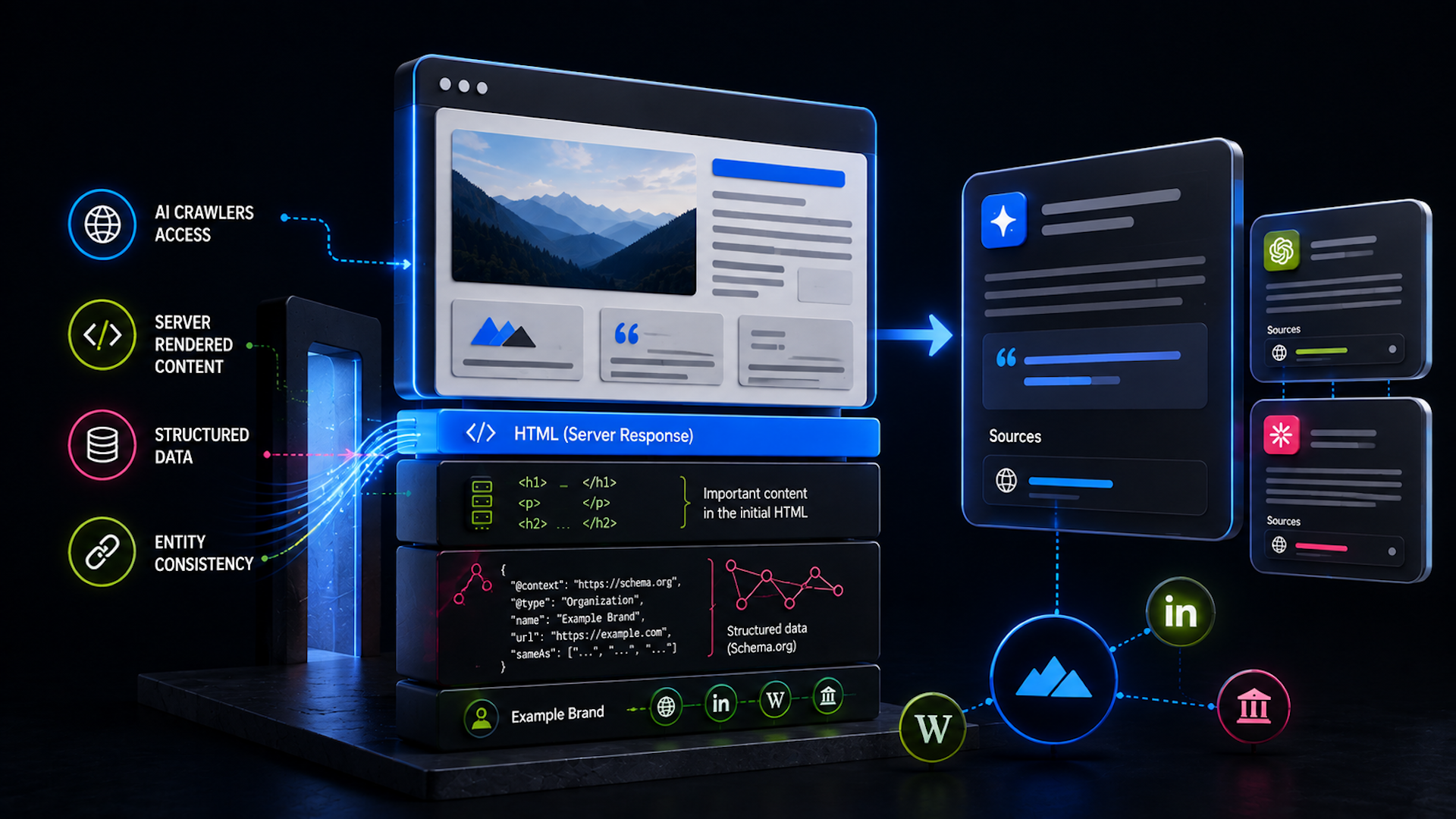
AI systems can miss content that search engines handle well. Learn what to check so your pages can be crawled, understood, and cited.

Search engines leave behind a detailed record of every visit. Here's how that data helps uncover hidden SEO issues at scale.

Learn how to optimize your site for AI crawlers with technical SEO best practices — and control access by blocking or allowing crawlers with directives.

What are AI crawlers? Learn about the different types of AI crawlers, their purposes, what they can see, and if you should allow them to crawl your site.

Track how AI crawlers access your site, identify crawl gaps, and understand what content gets missed using log file data.

Technical SEO is getting easier by default — but decisions around bots, LLMs.txt, and structured data are becoming more complex.

Learn how Googlebot crawls, renders, and indexes your site. See every crawler type, how crawl budget works, and the technical fixes that improve visibility.

Learn how Googlebot crawls, renders, and indexes your site. See every crawler type, how crawl budget works, and the technical fixes that improve visibility.

Learn how LLMs pick sources and how small content changes can influence ChatGPT and Google AI answers. See real tests, RAG insights, and practical steps to optimize your brand for AI search.

Run a free SEO check to find errors, optimize pages, and boost visibility. Get instant reports on backlinks, keywords, and technical SEO health.

Robots.txt tells search engines what to crawl—or skip. Learn how to create, test, and optimize robots.txt for better SEO and site management.

AI bots outpace Microsoft Bing in traffic, but send almost no visitors, driving up publisher costs and fueling new content access battles.

Boost your chances of being cited in AI answers with these four technical SEO tactics that power visibility in generative search.

Unlock hidden SEO insights with log file analysis. Learn how to track crawler behavior, spot indexing problems, and optimize your site for search engines.

Crawling has always shaped visibility – but AI search raises the stakes. Learn how to stay seen without losing control.

Pay Per Crawl signals a new web business model – charging AI bots for access and giving content creators a new path to profit.

Understanding which types of backlinks are most valuable to your domain will help you develop the right content and target audiences.

Learn everything about organization schema, how it improves SEO, boosts visibility in search results, and how to implement it correctly on your website.

No indexing = no visibility. Follow these steps to get your content indexed and boost your presence in search results.
Your website is being crawled right now. Find out which bots are helping your SEO, which ones are hurting it, and how to take control.

To be visible, optimize your site with clean HTML, metadata, fast responses, and bot-friendly configurations.

Google updates and industry buzz can cloud SEO strategy. Learn to separate the distractions from the essentials.

Discover key learnings from a deep dive into web – including robots.txt files, robots directives, canonical use, dynamic rendering, and more.
Sitemaps make it easier for search engines to discover and index your pages. Here's all you need to know and how to create one.

Here’s how analyzing server access logs can help you gain insights into bot activity, crawl efficiency and more for advanced SEO.

Uncover the link between SEO and environmental sustainability and how SEOs can aid in shaping a greener digital landscape.

After quietly rolling out the new sitemap in Webmaster Tools, Bing explains how it works.

You can now prevent OpenAI's ChatGPT from accessing your website, or parts of it, using robots.txt.

Using robots.txt for managing data usage in LLMs is the wrong approach in this new age of generative AI products. Here's why.

AI companies see the openness of the web as permitting large-scale crawling to obtain training data. So what should publishers do?
After a couple years of testing, Microsoft has now stopped using the old BingBot user agent.
Why Google penalized Google Chrome, plus: DuckDuckGo launches Donttrack.us, Google challengers, Google newspaper ads and more.
SEO proved to be yet another challenging year with several big changes. Here's our recap of the year's most important SEO news and stories.

After a couple years of testing, Microsoft said it will stop using the old BingBot user agent next month.
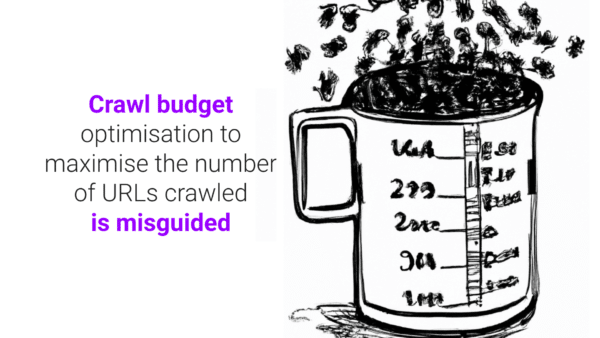
Crawl budget is a vanity metric. Your goal should be to guide Googlebot in crawling important URLs fast once they are published or updated.
Lessons learned from implementing internal linking modules and how to find your pathway to profit with this SEO feature.

Bing will stop using the historical user-agent and transition fully to the new user-agents.