Google Search disclosed its UGC Fresh Data Program
The UGC Fresh Data Program is an initiative designed to help platforms display fresh, high quality, and authentic user-generated content (UGC) across various features on Search, Google said.
The UGC Fresh Data Program is an initiative designed to help platforms display fresh, high quality, and authentic user-generated content (UGC) across various features on Search, Google said.
We created a fake SEO term, blocked Bing, and asked ChatGPT about it. The answer proves it’s using Google Search. Here’s the full breakdown.
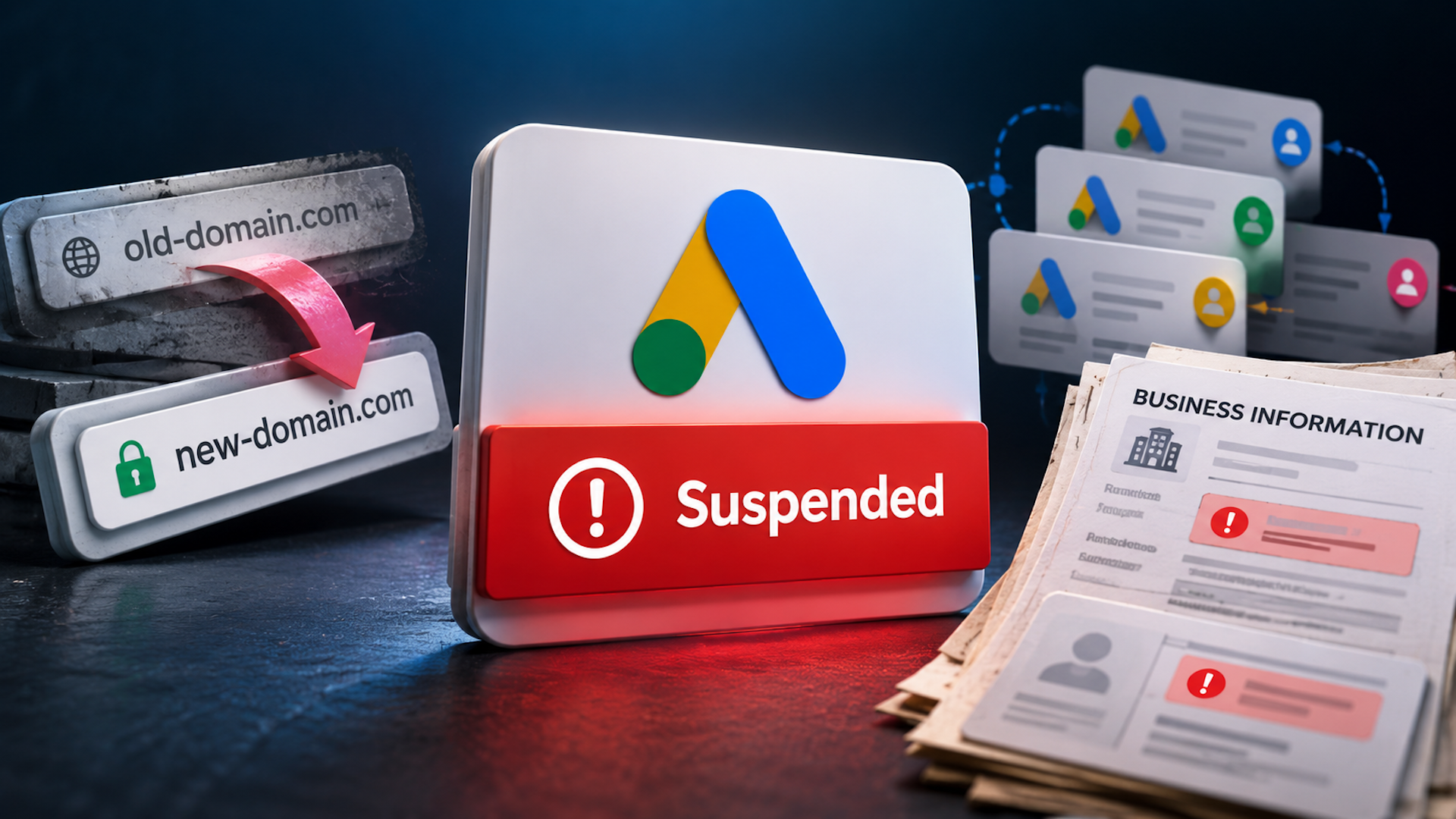
Old ads, multiple accounts, and mismatched information can trigger suspensions. Here's how to find the problem and strengthen your appeal.

What happens when you test AI search claims against real-world data? Some of SEO’s newest conventional wisdom doesn’t hold up.

Faceted navigation, URL sprawl, server errors, and AI crawlers can all affect crawl budget. Here’s how to spot issues and keep bots focused.
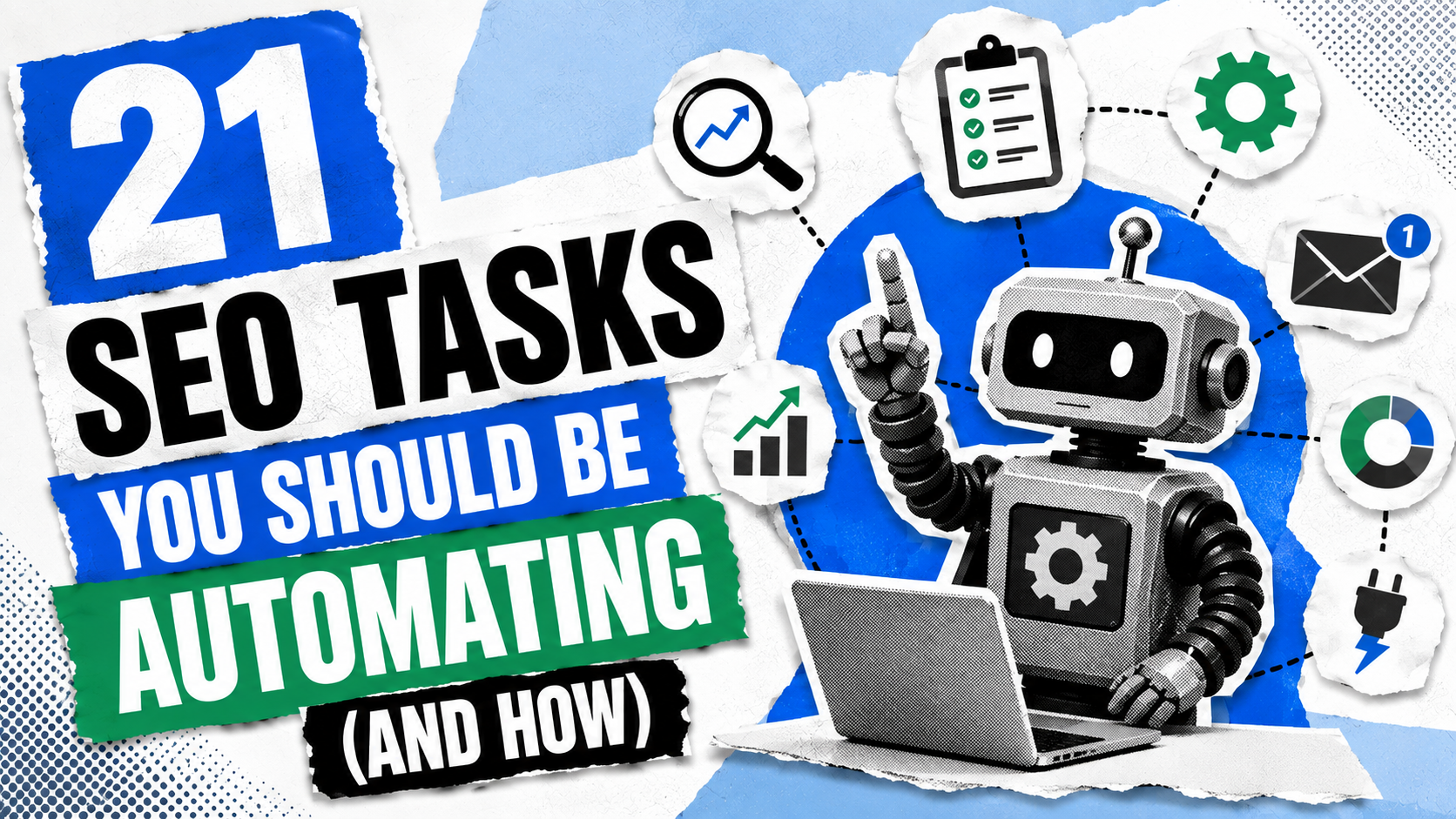
What SEO tasks can you automate? What's the best way? Save time and reduce work by improving your SEO workflows with traditional tools and AI.

Your first 50 pages can tell you whether the next 5,000 are worth building. Here’s how to turn a pilot into a scaling decision.

Your crawler can find the symptom. Your audit needs to explain the cause, why it matters, and what should happen next.

A 41-day experiment reveals how JavaScript-only navigation limits AI crawler discovery and why fixing it later can be harder.
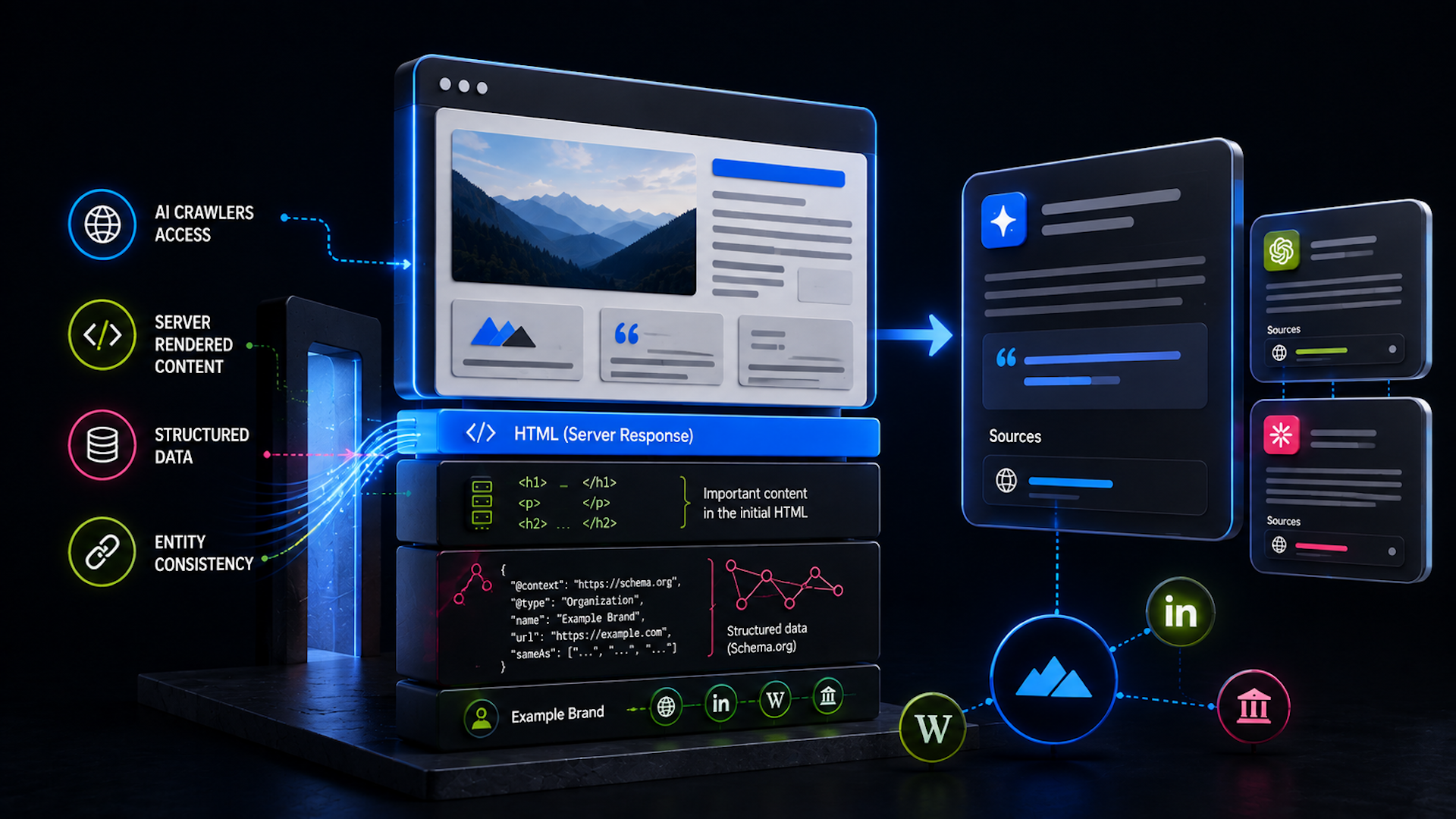
AI systems can miss content that search engines handle well. Learn what to check so your pages can be crawled, understood, and cited.
What is duplicate content? And why is it bad for SEO? Get all the info right here.

A single query can sit inside thousands of variations. Mapping those patterns can build topical authority across an entire search network.

The hardest part of an SEO test is knowing what caused the result. Choose comparisons and metrics that make your findings easier to defend.
Google keeps changing the models behind your rankings. How can you plan ahead and avoid risks? Read our detailed guide on future-proofing your SEO.

New research shows ChatGPT strongly favors English pages, unlike Google AI and Copilot. Here's what that means for your site.

Creating fewer, more purposeful pages can improve relevance, reduce duplication, and strengthen local search performance.

AI agents retrieve most B2B website content, but pricing often sends them to third-party sources. Learn why and how to fix it.

How do AI Overviews and featured snippets compare? Read our guide on the key differences, the data, and how to optimize for each.
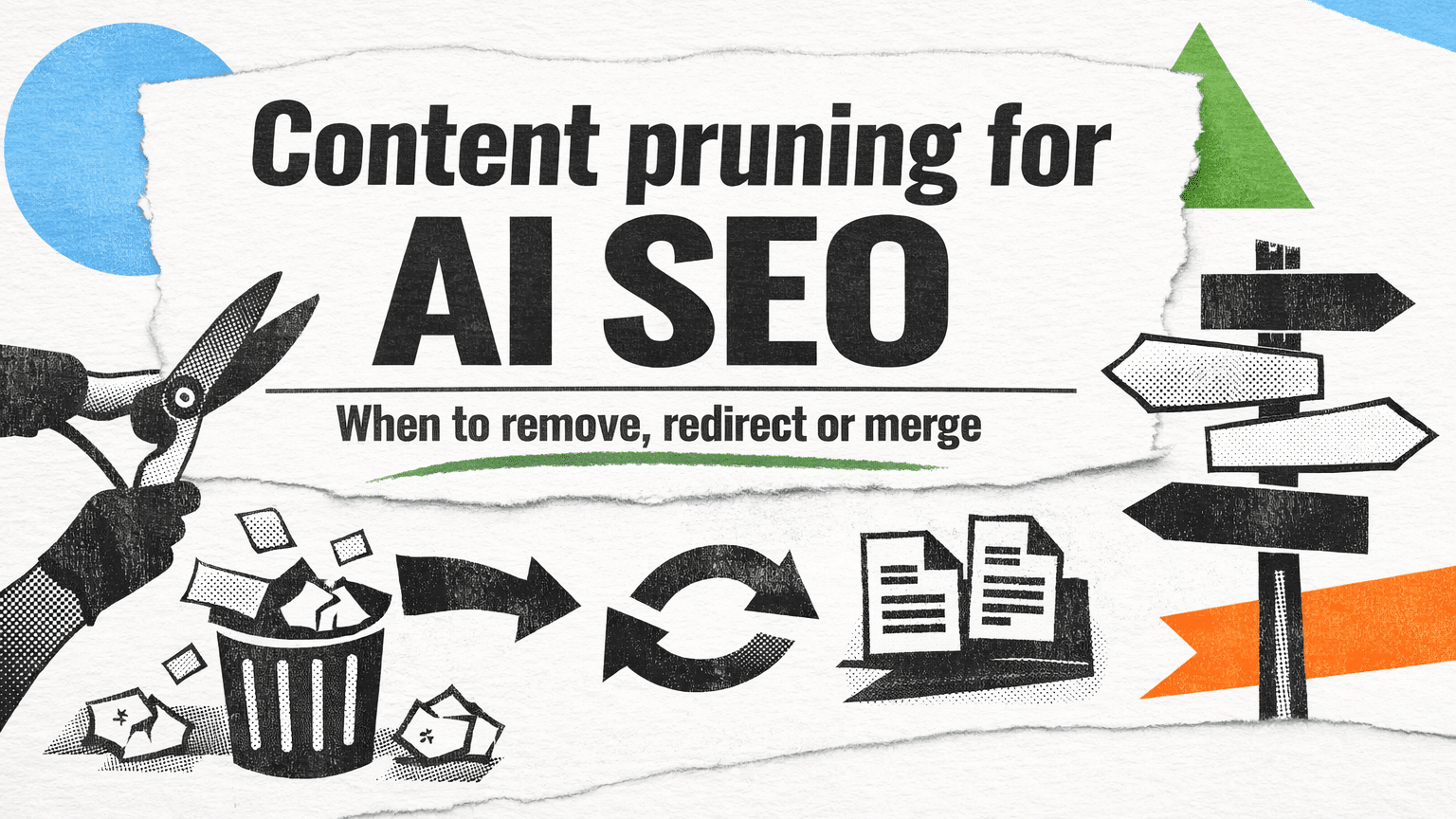
Discover key metrics for content pruning and decide whether to remove, redirect, or consolidate pages with our free decision matrix workflow.

Search engines leave behind a detailed record of every visit. Here's how that data helps uncover hidden SEO issues at scale.

As AI systems evaluate broader content pools, selection depends on verification, semantic relationships, and information gain.

Use our Schema Markup Generator Tool to build your own schema quickly and accurately for 15 schema types like Organization, Reviews, FAQ and more!

Technical SEO projects gain traction faster when you communicate their value in terms executives and developers understand.

Strong content can still fail when positioning barriers limit visibility. Here’s how to diagnose the issues holding rankings back.

Learn how to use AI crawler tools and software to optimize for AI crawlability, allow, block, or limit AI bots, audit crawling behavior, and implement controls.

Learn how to optimize your site for AI crawlers with technical SEO best practices — and control access by blocking or allowing crawlers with directives.

What are AI crawlers? Learn about the different types of AI crawlers, their purposes, what they can see, and if you should allow them to crawl your site.

See how Chewy, Harrods, Under Armour, and more brands handle rendering, navigation, structured data, and scripts without hurting SEO.

Your SEO tools show nothing wrong. But platform-level limits may be quietly blocking AI systems from accessing and citing your content.
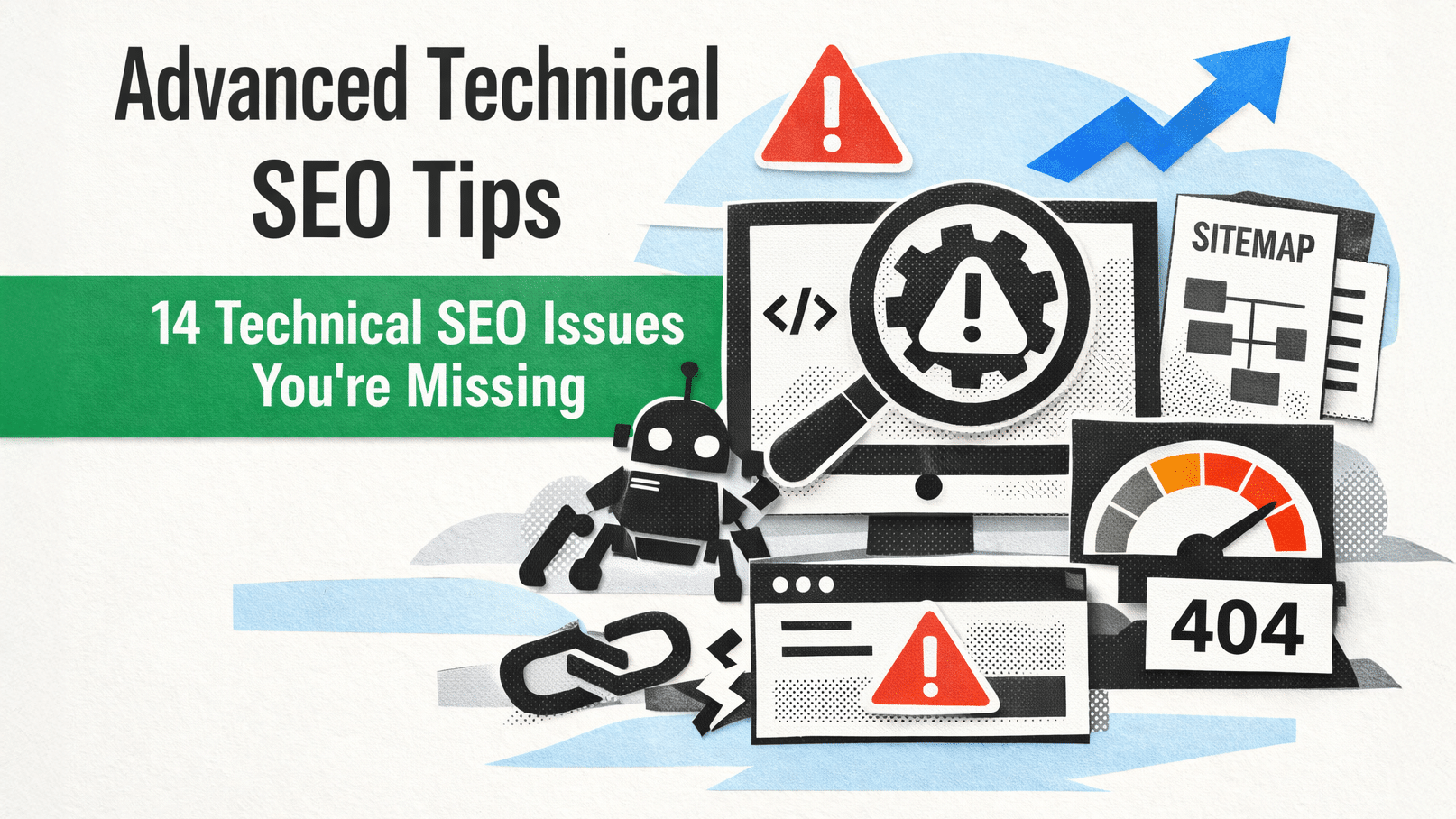
Think you've got your technical SEO buttoned up? Think again! Find out what you may have overlooked with our guide that's full of advanced SEO tips.

Content at scale can dilute authority, split rankings, and waste crawl budget. Here’s what’s actually driving visibility now.

Learn how to use query fan-out tools to improve AI search rankings on platforms like ChatGPT and AI Overviews, and track your optimization results.

Rendering isn’t always immediate or complete. Learn where no-JavaScript fallbacks still protect critical content, links, and indexing.

Track how AI crawlers access your site, identify crawl gaps, and understand what content gets missed using log file data.

Unexplained Google Ads disapprovals are disrupting campaigns, raising concerns about lost traffic and wasted spend.

Learn how to optimize your content to rank in Google AI Overviews. Get expert tips on brand authority, content coverage, and which keywords to target.

AI systems label and score content before ranking. Annotation determines how you’re understood — and whether you compete at all.

Technical SEO is getting easier by default — but decisions around bots, LLMs.txt, and structured data are becoming more complex.

The real shift is machine-driven discovery, where AI agents research and decide before humans ever visit your website.
Google went through crawling, fetching, and the bytes it processes.