When SEO best practices become SEO dogma
SEO best practices often start with good reasoning. So why do we still treat old recommendations like gospel after the context has changed?

SEO best practices often start with good reasoning. So why do we still treat old recommendations like gospel after the context has changed?

Your first 50 pages can tell you whether the next 5,000 are worth building. Here’s how to turn a pilot into a scaling decision.
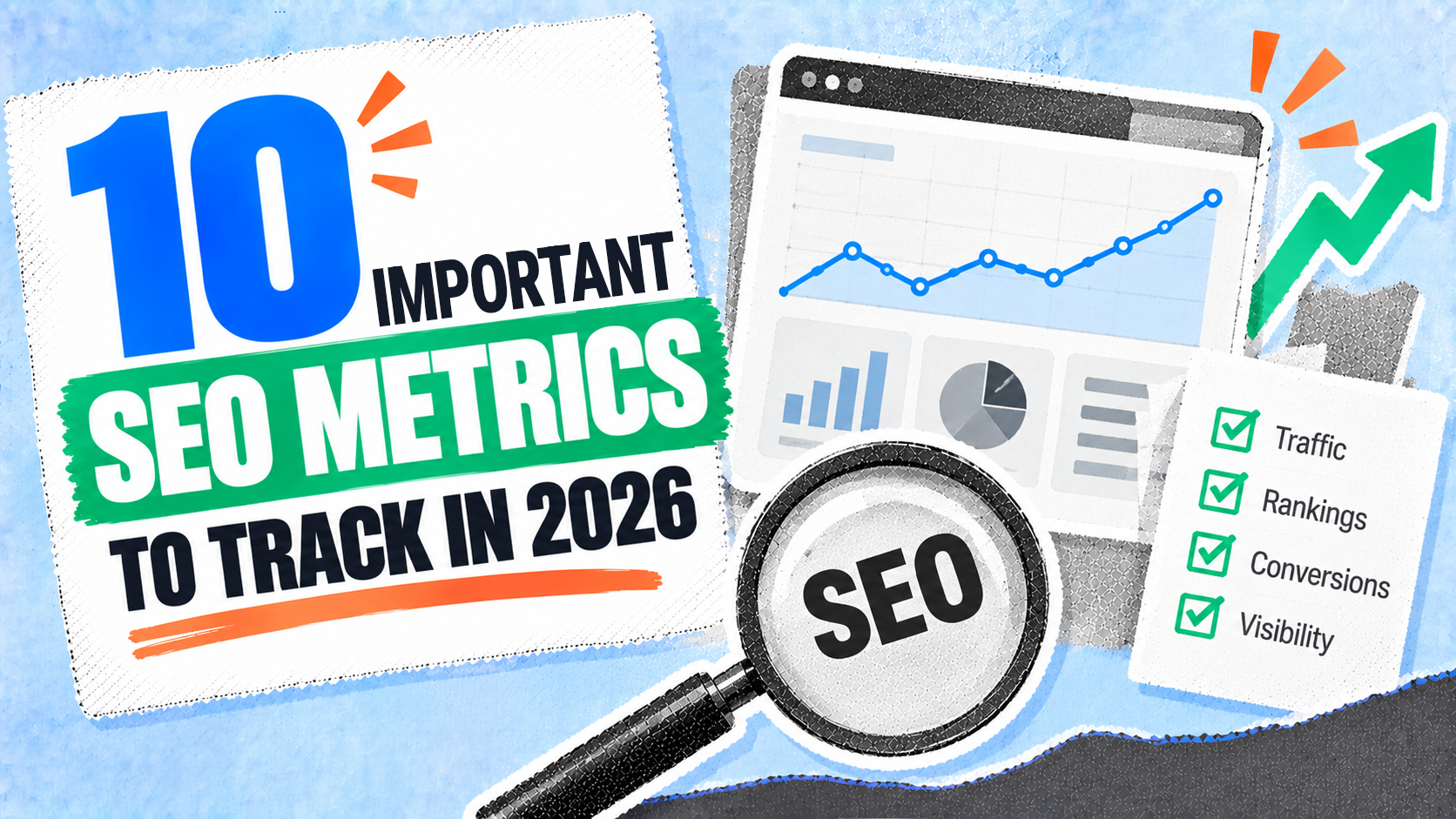
Learn exactly how to track your SEO efforts. Includes actionable info and lots of real-world insights.

New research into 3,000 listicles reveals the signals associated with higher rankings — from freshness to explicit item counts.

Your crawler can find the symptom. Your audit needs to explain the cause, why it matters, and what should happen next.

Claude can accelerate research, analysis, and drafting, but SEO execution still needs human judgment to avoid costly mistakes.

A 41-day experiment reveals how JavaScript-only navigation limits AI crawler discovery and why fixing it later can be harder.

New research exposes the mechanics behind ChatGPT citations, including what gets retrieved, what gets read, and what ultimately gets cited.

A single query can sit inside thousands of variations. Mapping those patterns can build topical authority across an entire search network.

Use SERP overlap, content independence, and site structure to determine whether to create a new page, expand an existing one, or consolidate.

A 26-week case study shows how connected search marketing efforts improved visibility, addressed buyer friction, and reduced CPA.

Go beyond HTML with practical workflows to uncover rendering issues, weak site structure, and other obstacles to AI understanding.

AI recommendations can steer users toward competitors, leaving advertisers to absorb the impact on CTR, CPC, and campaign performance.

New research shows ChatGPT strongly favors English pages, unlike Google AI and Copilot. Here's what that means for your site.

The biggest gains come from using AI to accelerate strategy, not replace original thinking. See where to draw the line.

Build your local presence around real locations, markets, and service areas instead of turning every geographic keyword into a new URL.

Should you use Google Business Profile Products, in-store products, or Merchant Center? Learn which and how to implement.

Every crawl uncovers thousands of issues. Learn to separate urgent blockers from low-priority tasks with a repeatable prioritization system.

Creating fewer, more purposeful pages can improve relevance, reduce duplication, and strengthen local search performance.

Publishing more articles won't always improve SEO. Learn how indexing, crawl budget, and content pruning can drive better results.

Learn the difference between notification, crawling, and indexing, and use a free tool to check whether your API is doing what you expect.

Learn how AI engines use and cite brand information, how to measure both, and why traditional SEO still matters.
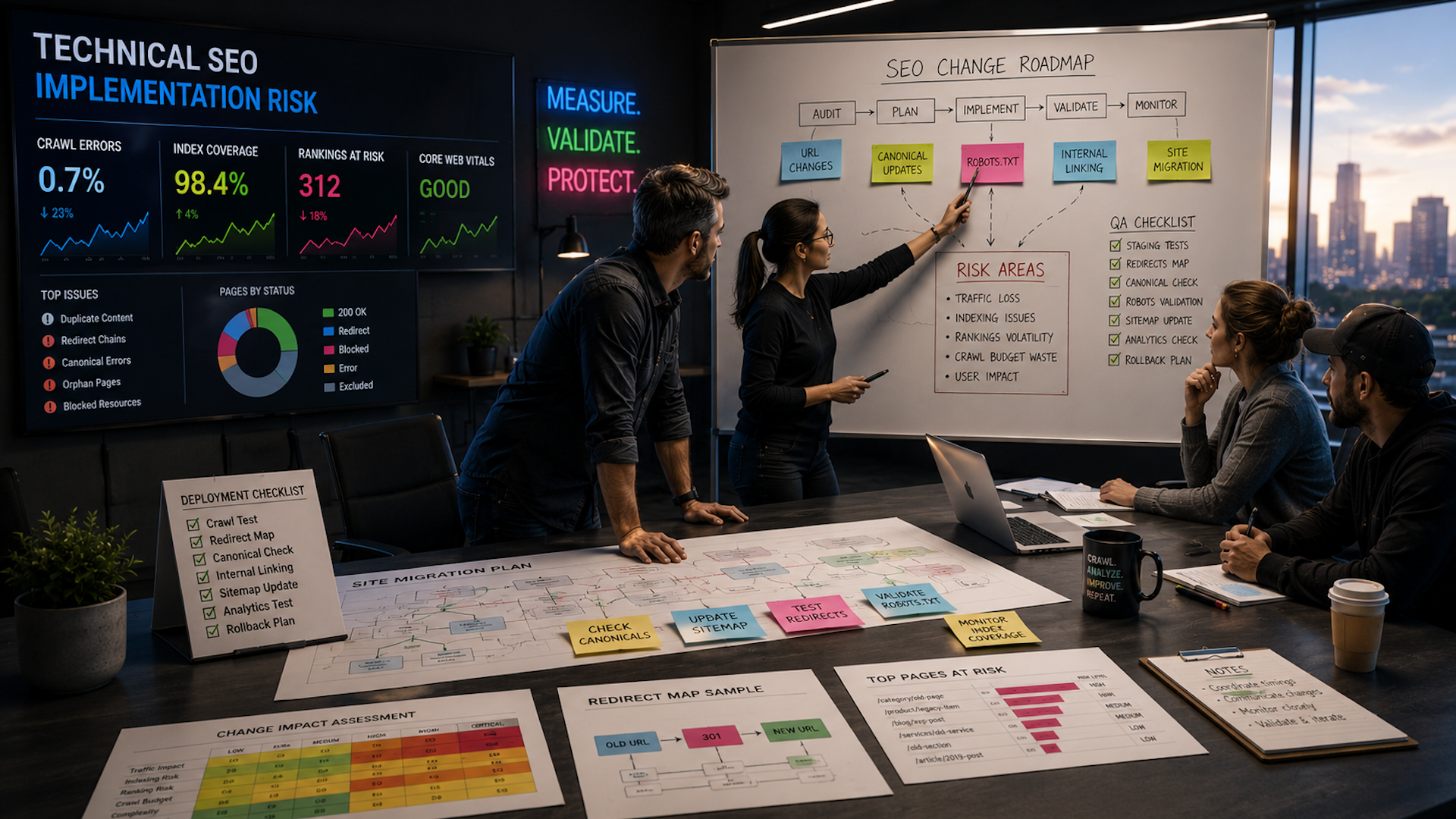
Evaluate technical SEO recommendations, prioritize resources, and avoid costly mistakes before they reach production.

The report has not been updated for two weeks now but this is not all that uncommon.

Fake entities appeared in 38% to 51% of reports when agents retrieved a manipulated page, rising to 62% with multiple pages.
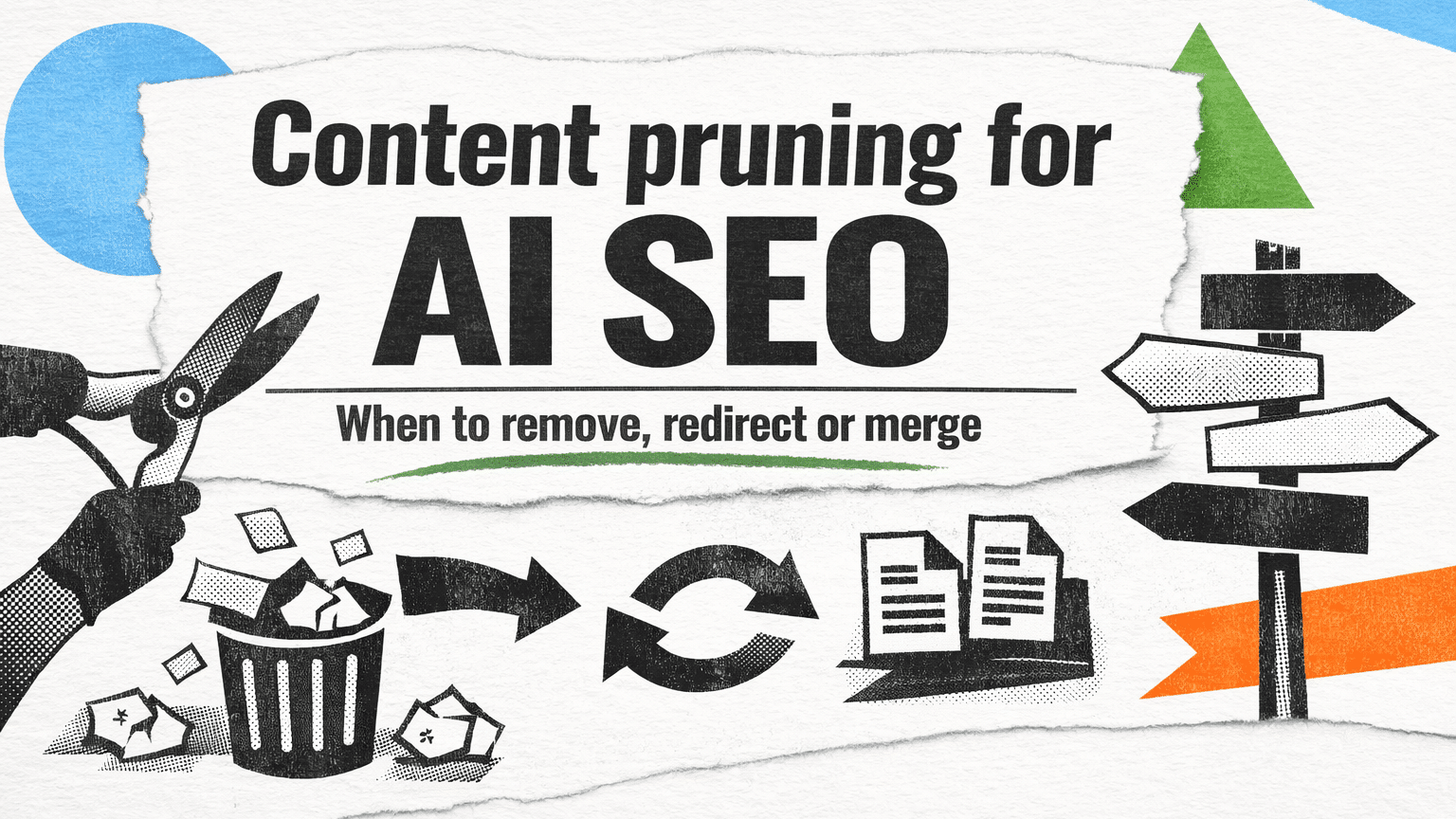
Discover key metrics for content pruning and decide whether to remove, redirect, or consolidate pages with our free decision matrix workflow.

Learn how iterative prompting, Python, and Google Colab helped turn a multilingual hreflang mapping project into a scalable workflow.

Search engines leave behind a detailed record of every visit. Here's how that data helps uncover hidden SEO issues at scale.

SEO and affiliate teams affect the same revenue, rankings, and LLM visibility. Alignment can reduce costs and strengthen brand performance.

These features are rolling out to subset of website owners in the UK and will expand it to more in the future.

Google's updated Ads terms expand its use of AI-driven automation, raising advertiser concerns about reduced control and ownership.

AI agents rely on structured data to understand and act on your content. Learn how schema markup supports the emerging agentic web.

AI search has outgrown simple RAG. Learn how today’s hidden AI retrieval systems decide whether your content gets surfaced or filtered out.

Enterprise SEO teams can’t afford invisible website updates. Changelogs help surface risky changes before they impact traffic and revenue.

Audit tools flag everything equally, but SEO success depends on prioritization. Focus on the changes that actually drive growth.

A review of 25,000 URLs yielded insights about the type of content most cited by ChatGPT and other popular large language models.

AI visibility dashboards can’t answer the ROI question on their own. Here’s how to build a more credible GEO measurement model.

AI can scale SEO and GEO audits, but only if your system has the right data, methodology, and human oversight.

PMax uses AI to maximize conversions across Google Ads. Learn how Performance Max works, when to use it, and tips for optimizing campaign performance.

Learn how to analyze AI outputs, uncover visibility gaps, and strengthen your brand’s presence to appear in LLMs and AI search results.