Winning the AI decision layer: From AI discovery to agentic commerce
AI engines now decide which brands to recommend, trust, and transact with. Learn the six steps to become AI's preferred choice.

AI engines now decide which brands to recommend, trust, and transact with. Learn the six steps to become AI's preferred choice.

SEO stops sounding like black magic when you can point to the exact Google doc that backs it up. Here's how to use it to earn buy-in.
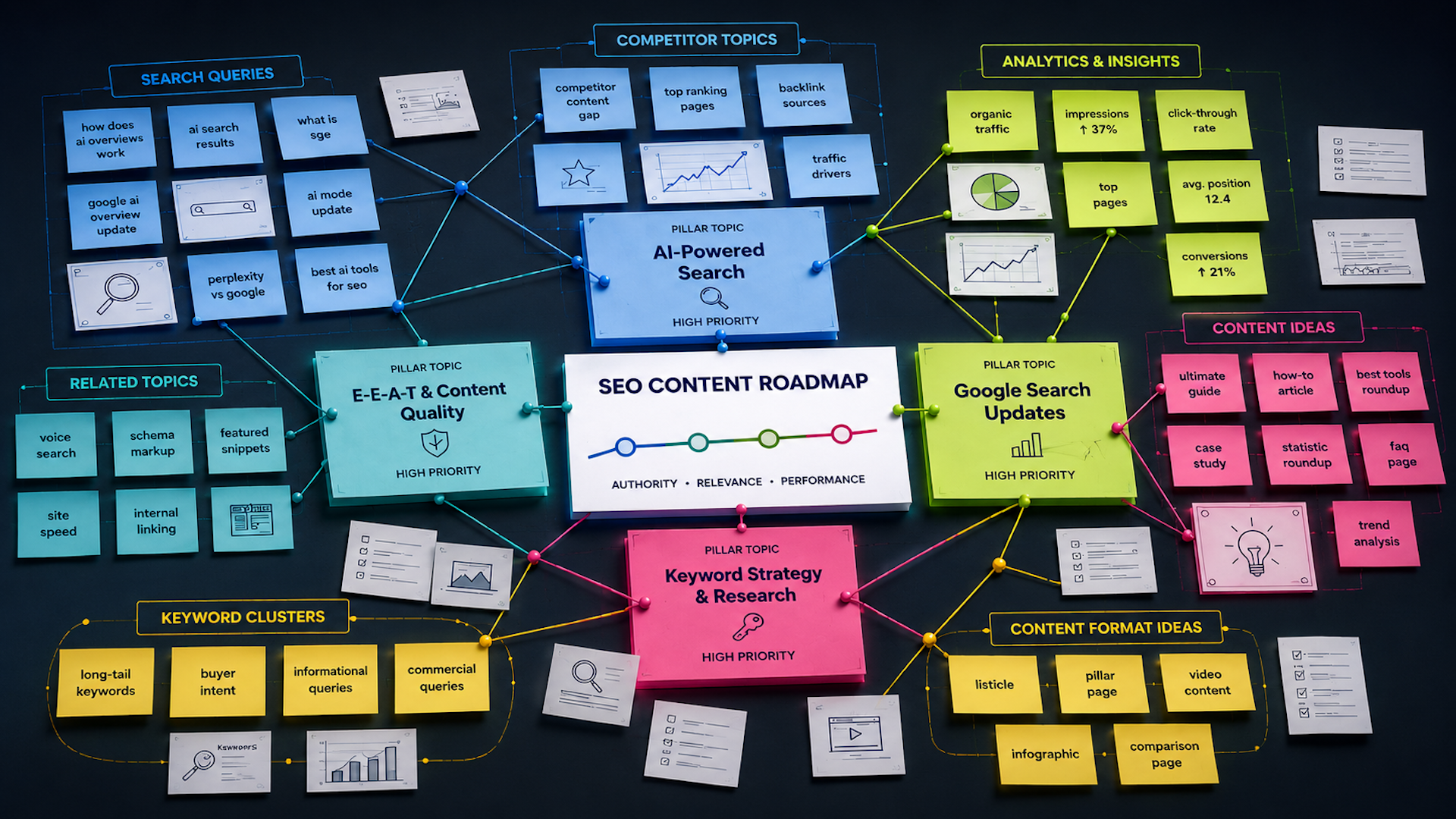
See how to combine Semrush, Google Search Console, Google Analytics, and Claude to prioritize the content opportunities that matter most.

From server-rendered HTML to interactive pages, understand where hydration fits and when it can affect search visibility.
Use our free AI Agent Readiness Checker to test your site's AI visibility. See crawler access, structured data, citations, and what prompts you appear for.
Discover key metrics for content pruning and decide whether to remove, redirect, or consolidate pages with our free decision matrix workflow.

Google clarifies AI-focused site files may be crawled, but they get no special treatment in Search or AI results.
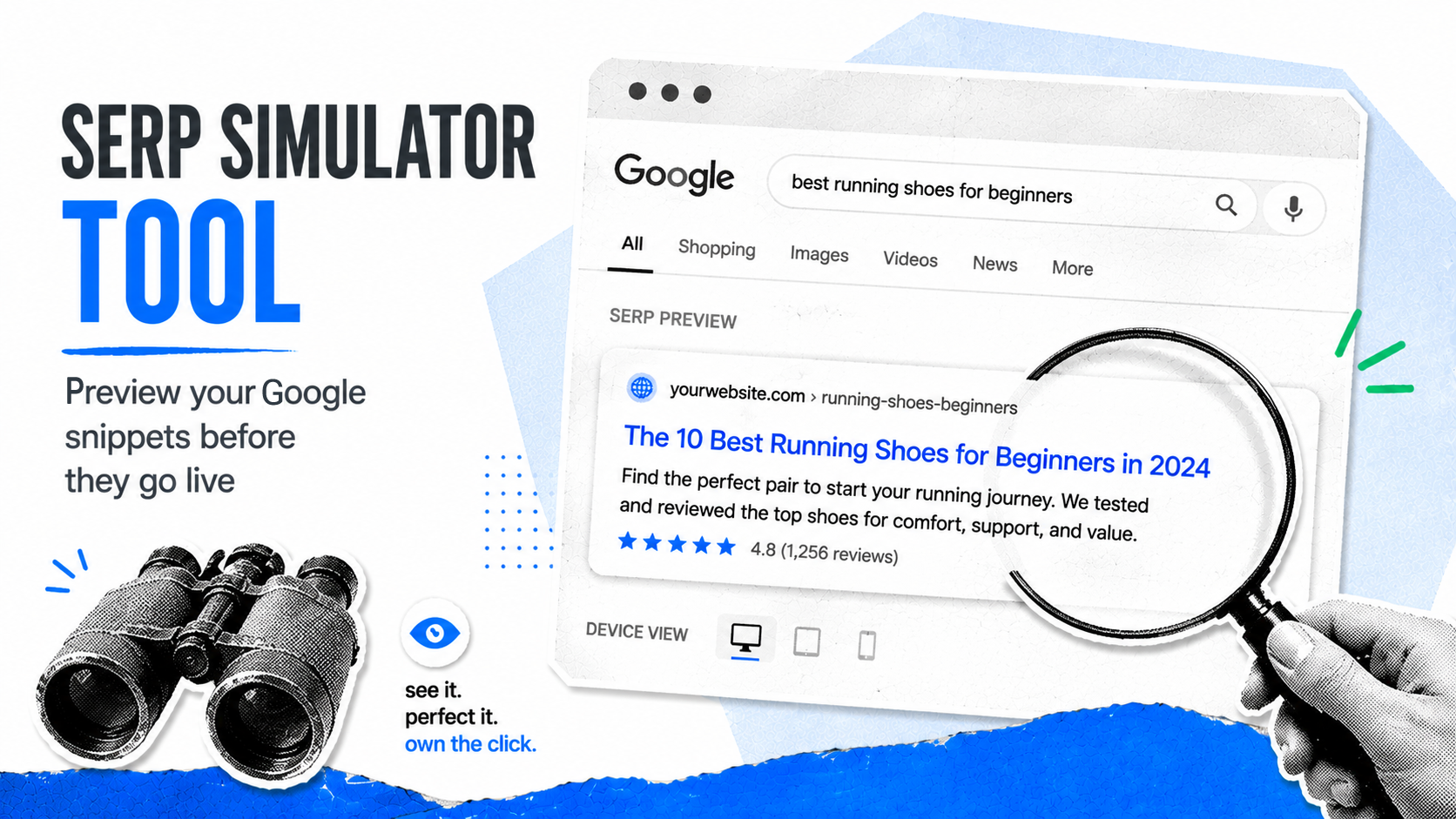
Use our free SERP Simulator to preview Google search snippets, test title tags and meta descriptions, and optimize your pages for higher CTRs.

Turn keyword research, audits, and technical findings into clear recommendations stakeholders can prioritize and execute.

Build a digital footprint that helps AI understand your expertise, recognize your credibility, and recommend your brand.
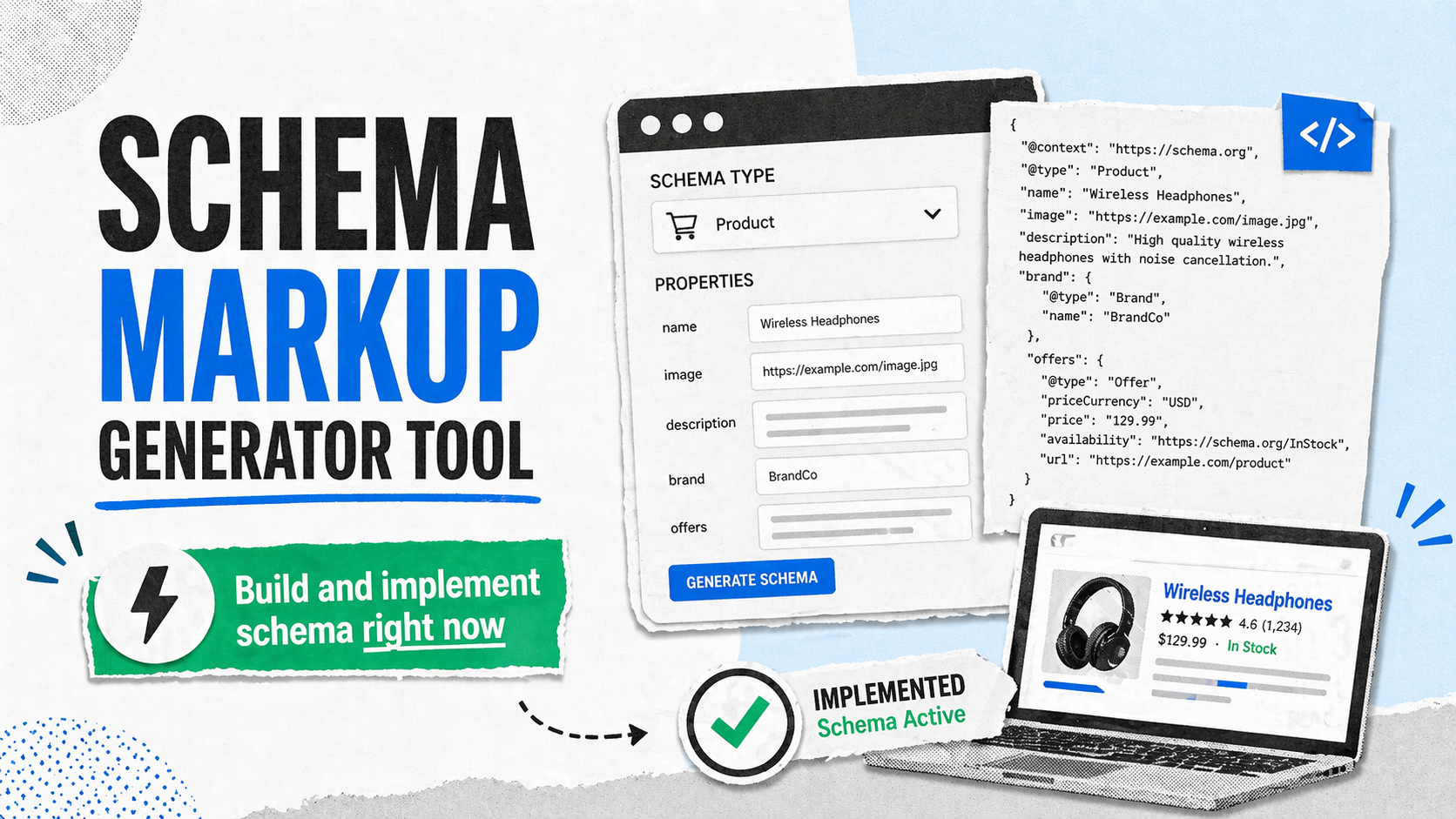
Use our Schema Markup Generator Tool to build your own schema quickly and accurately for 15 schema types like Organization, Reviews, FAQ and more!

AI agents rely on structured data to understand and act on your content. Learn how schema markup supports the emerging agentic web.
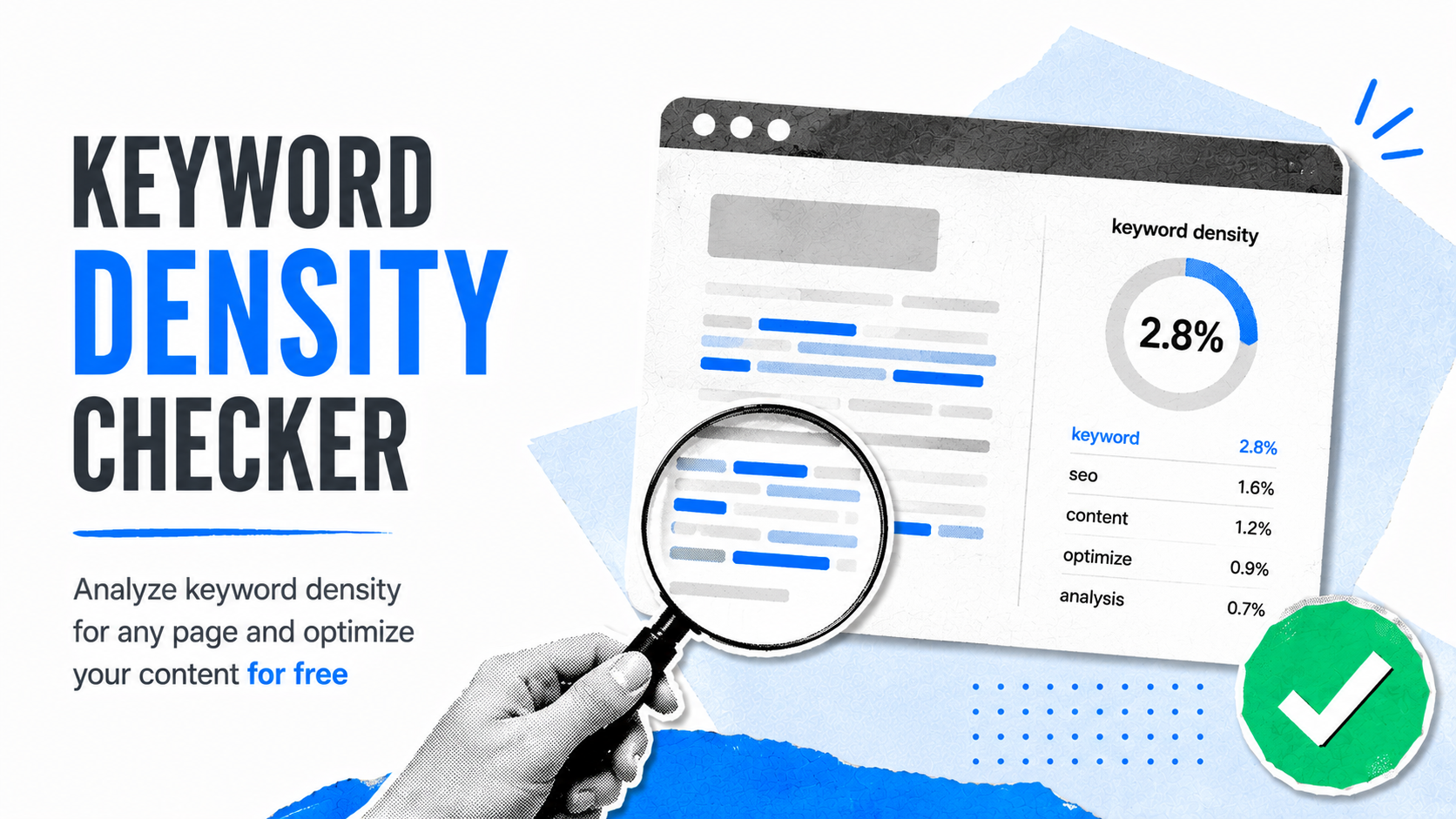
Is your content over or under-optimized? Use our free Keyword Density Checker tool to analyze a page for keyword count and density percentage.

Audit tools flag everything equally, but SEO success depends on prioritization. Focus on the changes that actually drive growth.

Google says llms.txt is not needed for AI search visibility, but Lighthouse now flags whether sites have one.

This new guide talks about the differences, if any, between SEO, AEO, GEO and so on and touches on commodity content, AI agents and much more.

Not every critical error deserves immediate attention. Focus your resources on the fixes that actually improve visibility and performance.

Learn how to install, deploy, and brand AI skills to turn generic chatbots into your agency’s custom, scalable operating system.

Learn how to isolate variables, measure prompt-response inclusion, and build repeatable frameworks for testing LLM visibility.

Learn how to use AI crawler tools and software to optimize for AI crawlability, allow, block, or limit AI bots, audit crawling behavior, and implement controls.

Learn how to optimize your site for AI crawlers with technical SEO best practices — and control access by blocking or allowing crawlers with directives.

What are AI crawlers? Learn about the different types of AI crawlers, their purposes, what they can see, and if you should allow them to crawl your site.

See how Chewy, Harrods, Under Armour, and more brands handle rendering, navigation, structured data, and scripts without hurting SEO.
Think you've got your technical SEO buttoned up? Think again! Find out what you may have overlooked with our guide that's full of advanced SEO tips.

Most AI SEO “skills” are just prompts. Learn the system behind reliable agents: tools, memory, templates, and a built-in review layer.

Parameterized URLs bloat crawl paths, fragment attribution, and dilute link equity. Here’s a cleaner, scalable tracking approach.

AI can verify claims, but it won’t choose the conclusions that benefit your business. Learn how framing turns proof into preference.

Identify repeatable SEO tasks and build simple automation workflows so you can focus on strategy, QA, and decision-making.

Rendering isn’t always immediate or complete. Learn where no-JavaScript fallbacks still protect critical content, links, and indexing.
Find the best tools and software for ranking in Google's AI Overviews, and learn how to use them to optimize and track visibility.

The real shift is machine-driven discovery, where AI agents research and decide before humans ever visit your website.
Google went through crawling, fetching, and the bytes it processes.

Control how AI bots access your site, structure content for extraction, and improve your chances of being cited in AI-generated answers.

Where do AI systems lose confidence in your content? Discovery, selection, crawling, rendering, and indexing hold the answer.

Learn how the DOM structures your page, how JavaScript can change it during rendering, and how to verify what Google actually sees.

AI recommendations are decided upstream. Understand the 10-gate pipeline, where brands fail, and how small improvements compound.

Learn how Googlebot crawls, renders, and indexes your site. See every crawler type, how crawl budget works, and the technical fixes that improve visibility.

New SDK findings reveal why some pages never reach ranking, how pCTR predicts clicks, and why images and recency drive Discover traffic.

Early-career SEOs should prioritize business context, search intent, technical basics, and hands-on research before relying on AI tools.

Semrush One introduces new tools that enable marketers to monitor AI visibility, track prompts, assess brand sentiment, and streamline content creation.