Google Search shares data on how long crawling, indexing and serving takes
Google broke down the general timing it takes for various Google Search tasks take, both in terms of average time and longest time.
Google broke down the general timing it takes for various Google Search tasks take, both in terms of average time and longest time.
Master URL parameters to ensure they boost—not block—your SEO and marketing efforts. Learn top strategies to avoid common pitfalls.

Pagination can open paths to deeper content — or quietly cut them off. See what matters for crawling, indexing, and canonicalization.
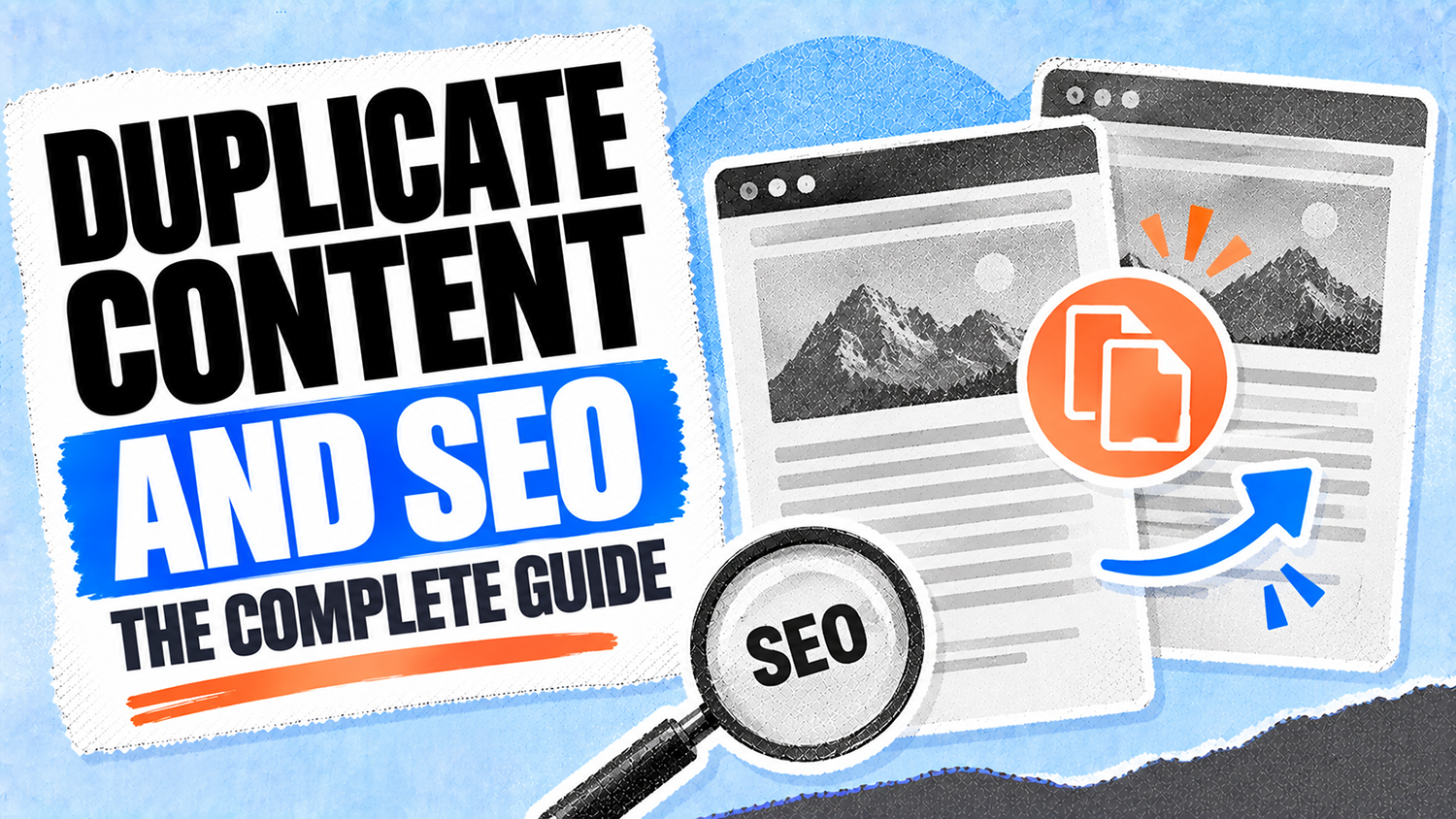
What is duplicate content? And why is it bad for SEO? Get all the info right here.

AI search may be making long-standing problems with site architecture, content, internal linking, and rendering more costly.

SEO stops sounding like black magic when you can point to the exact Google doc that backs it up. Here's how to use it to earn buy-in.
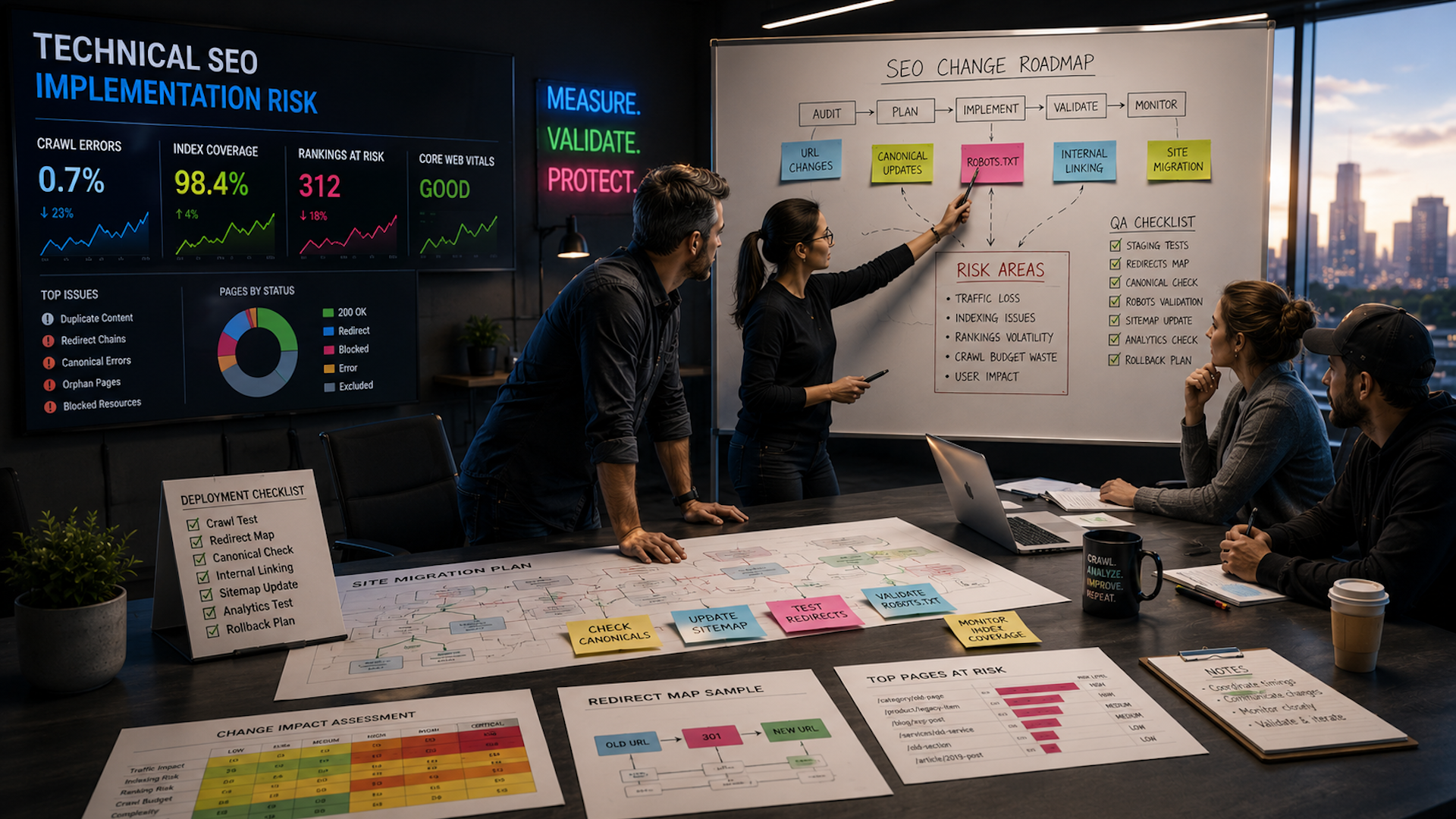
Evaluate technical SEO recommendations, prioritize resources, and avoid costly mistakes before they reach production.

Learn how to optimize your site for AI crawlers with technical SEO best practices — and control access by blocking or allowing crawlers with directives.

Parameterized URLs bloat crawl paths, fragment attribution, and dilute link equity. Here’s a cleaner, scalable tracking approach.

Website migrations often fail due to small oversights. Here’s how to reduce risk with pre-launch, launch-day, and post-launch SEO checks.

Learn how Googlebot crawls, renders, and indexes your site. See every crawler type, how crawl budget works, and the technical fixes that improve visibility.

Learn how to debug SEO issues fast—crawl errors, rendering problems, indexing blockers, ranking drops, and SERP shifts—using a structured diagnostic framework.

Duplicate or similar content on your site makes it hard for AI search engines to interpret your intent signals.

Google noted that if the HTTP status code is non-200 (for example, on error pages with 404 status code), rendering might be skipped.

Google added a section on canonicalization best practices for JavaScript to the JavaScript SEO best practices document.

Learn what indexability means, how it differs from crawlability, and how to fix common indexation issues. Ensure your most valuable pages appear and perform in Google’s index.
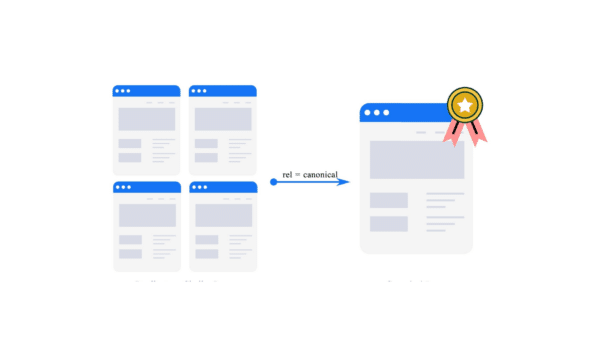
Learn how to manage duplicate content, streamline indexing, improve crawl efficiency, and more with these canonicalization best practices.

Faceted navigation helps users but can confuse crawlers. Learn how to manage filters, prevent duplicate content, and keep your site SEO-friendly.

Too many low-value pages in Google’s index? Learn what index bloat is, how it hurts SEO, and the steps to clean up your site for better crawl efficiency.

Discover the key elements of a multi-location website redesign that will protect your SEO and drive long-term success.

Hreflang tags help Google serve the right language pages. Learn what they are, why they matter, and how to implement them for global SEO visibility.

Redirect chains and loops slow sites and hurt rankings. Learn what causes “too many redirects,” how to fix errors, and best practices for clean redirects.

Canonical URLs help prevent duplicate content in search. Learn what they are, why they matter, and how to set them up correctly to protect rankings.

Google selecting the wrong canonical URLs? Here’s how to fix “Duplicate without user-selected canonical” errors and prevent indexing issues.

Crawlability refers to how easily search engines access your site. Learn what it is, why it matters, and how to fix crawl issues that hurt SEO.
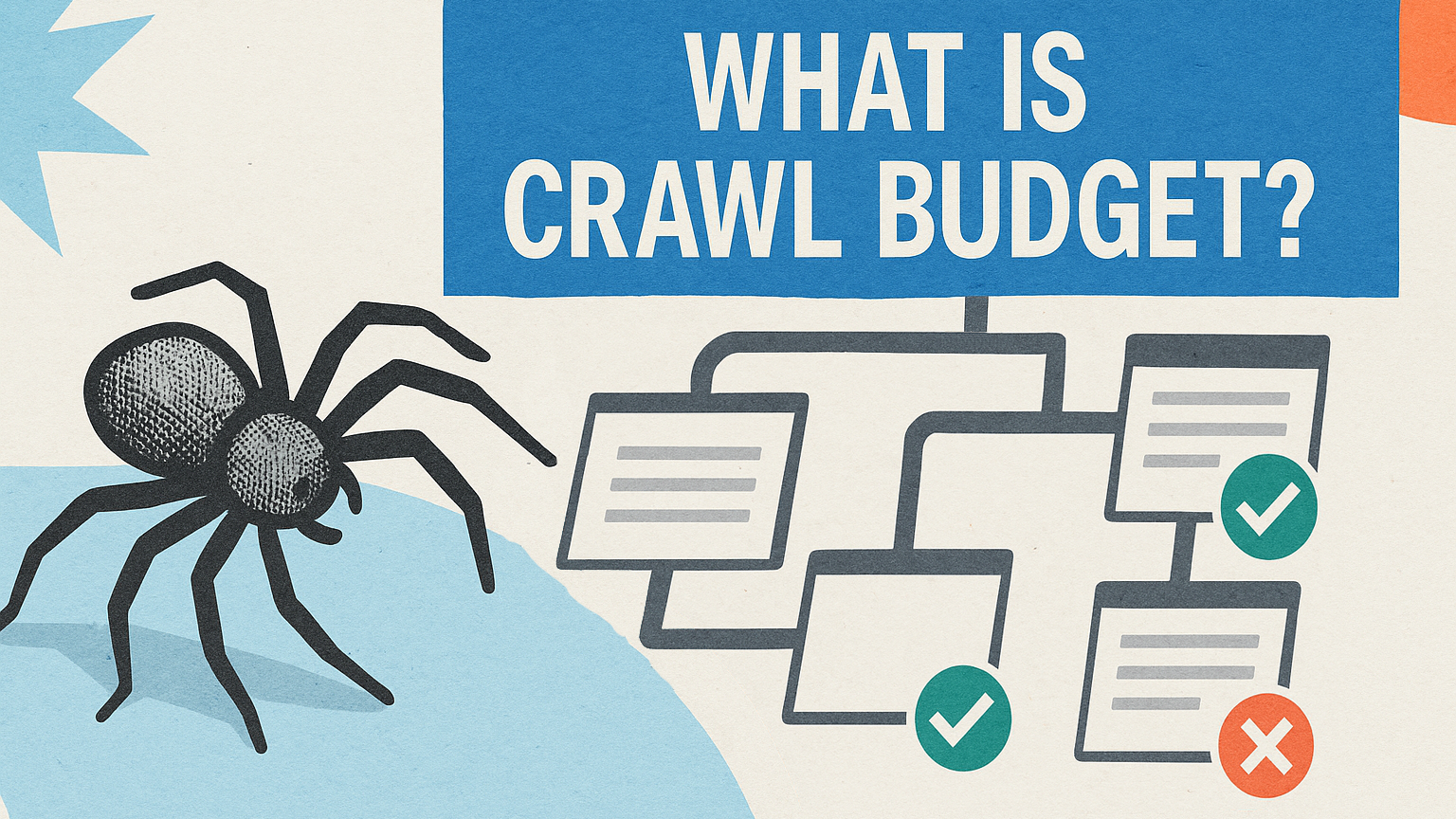
Learn what crawl budget is, why it matters for SEO, and how to optimize it to ensure Googlebot focuses on your most important pages. Includes tools, tips, and FAQs.

Even in AI-driven search, clean URLs support better SEO. Explore how structure, keywords, and canonicalization influence visibility.

The URL Inspection tool reveals more than indexing status. Use it for live testing, debugging canonical conflicts, and more.

Learn what technical SEO is, why it matters, and how to optimize your site for speed, crawlability, indexation, and structured data—all in one expert guide.

Bread and butter SEO tactics aren't optional anymore. They’re essential. Here's why and how to thrive in an AI-driven world.

Learn what duplicate content is, why it matters for SEO, and how to fix it.

Cutting audit time can hurt your site. Learn why crawl data, tag validation, and manual checks make technical SEO a worthwhile investment.
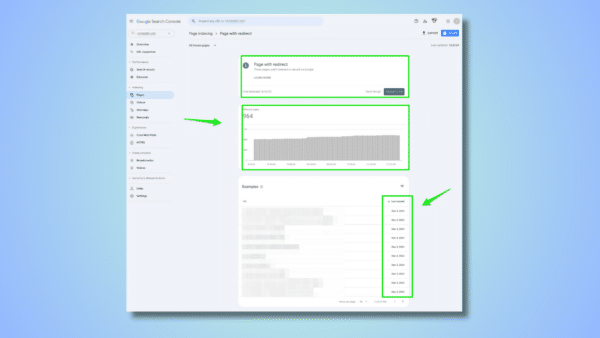
Have you discovered the “Page with redirect” error in GSC? Learn to spot and fix it by improving content quality, site architecture, and more.

Discover key learnings from a deep dive into web – including robots.txt files, robots directives, canonical use, dynamic rendering, and more.
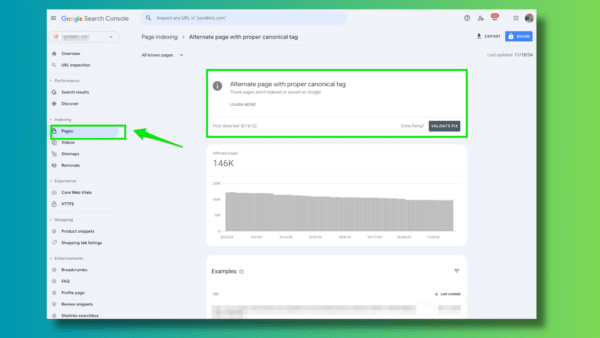
Fix this GSC error by identifying the true canonical source, inspecting the URL, checking your language folder and more.
Sitemaps make it easier for search engines to discover and index your pages. Here's all you need to know and how to create one.

Stay on top of your SEO performance by tracking both technical and on-page changes, and using the right tools to simplify your efforts.

Is Google misattributing organic search traffic to Shopping? Learn why the new srsltid= parameter in organic listings has stirred controversy.
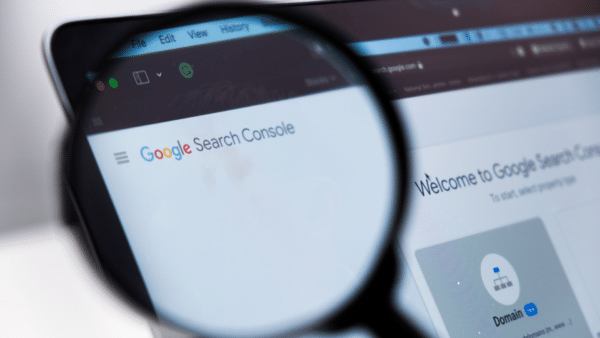
Uncover the reasons behind the 'Crawled – Currently not indexed' error in Google Search Console and solutions to get your pages indexed.

Here’s everything you need to know about redirects, when to use them, how to implement them properly and potential issues to avoid.