Google Search disclosed its UGC Fresh Data Program
The UGC Fresh Data Program is an initiative designed to help platforms display fresh, high quality, and authentic user-generated content (UGC) across various features on Search, Google said.
The UGC Fresh Data Program is an initiative designed to help platforms display fresh, high quality, and authentic user-generated content (UGC) across various features on Search, Google said.

A comprehensive guide to generative engine optimization, covering strategy, structure, metrics, and how AI discovery really works.

See whether AI platforms can find, understand, and recommend your business with a manual audit covering entities, content, and more.
What SEO tasks can you automate? What's the best way? Save time and reduce work by improving your SEO workflows with traditional tools and AI.

How schema fixes and content updates can turn entity gaps into measurable gains, including stronger conversions and greater AI visibility.
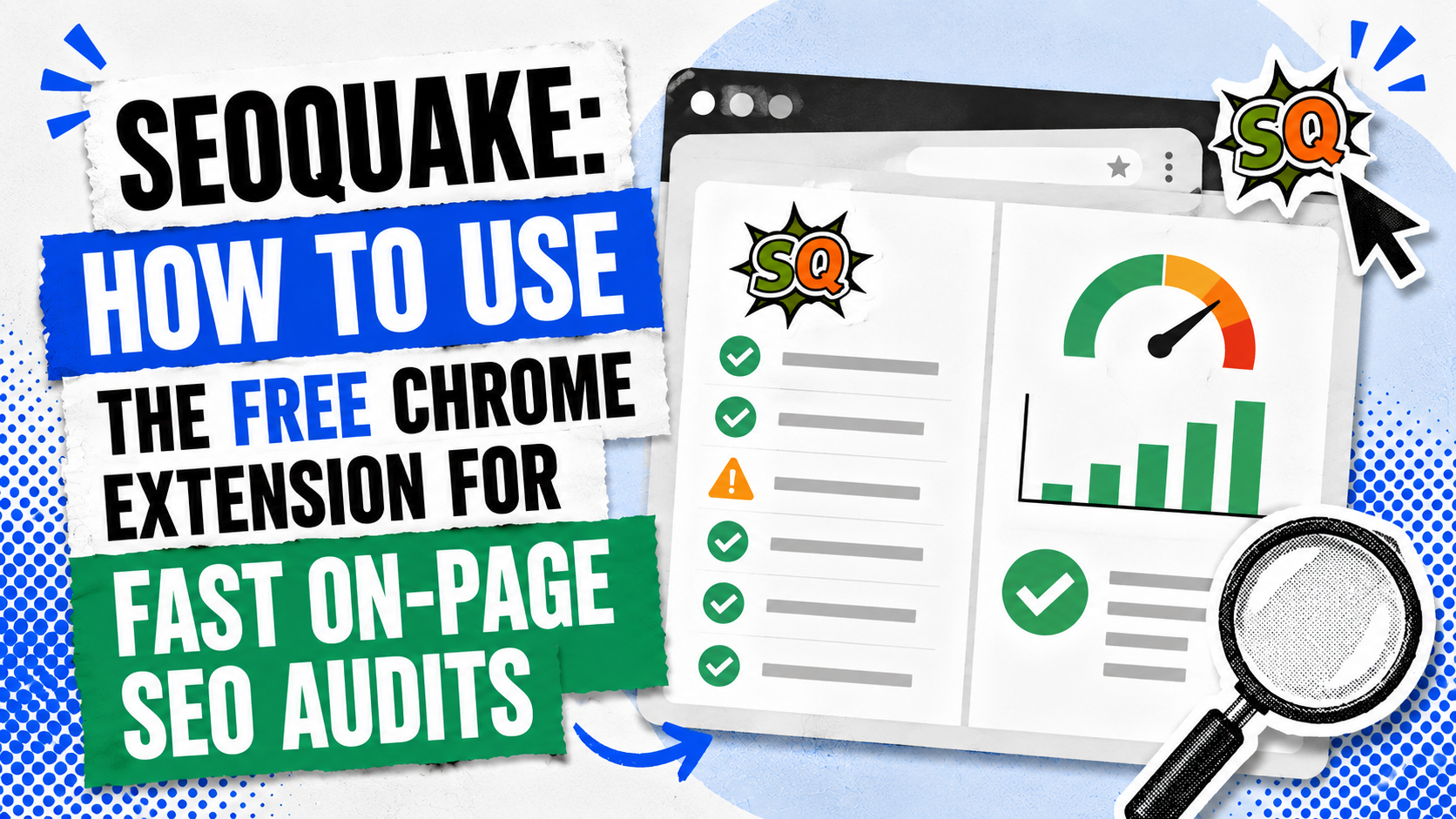
SEOquake is Semrush's free Chrome extension for on-page SEO analysis. See what it shows, how to use it, and what's new in the rebuilt version.

Do meta descriptions have value today? See what case studies say about AI Overviews, ChatGPT snippets, CTR, and when writing them is a waste.

New research exposes the mechanics behind ChatGPT citations, including what gets retrieved, what gets read, and what ultimately gets cited.

Schema markup does more than power rich results. Build a knowledge graph, assess entity coverage, and find gaps in AI understanding.

AI can't recommend what it can't understand. Here's how to make your products easier for AI systems to evaluate.
Hidden technical issues can keep your brand out of SEO and AI results. Run our free Brand Visibility Checker to find them, ranked by severity, in seconds.
Can entity SEO transform publisher performance? See how Search Engine Land increased organic visibility and AI Overview citations using topical authority and Knowledge Graph optimization.
Use our free AI Agent Readiness Checker to test your site's AI visibility. See crawler access, structured data, citations, and what prompts you appear for.
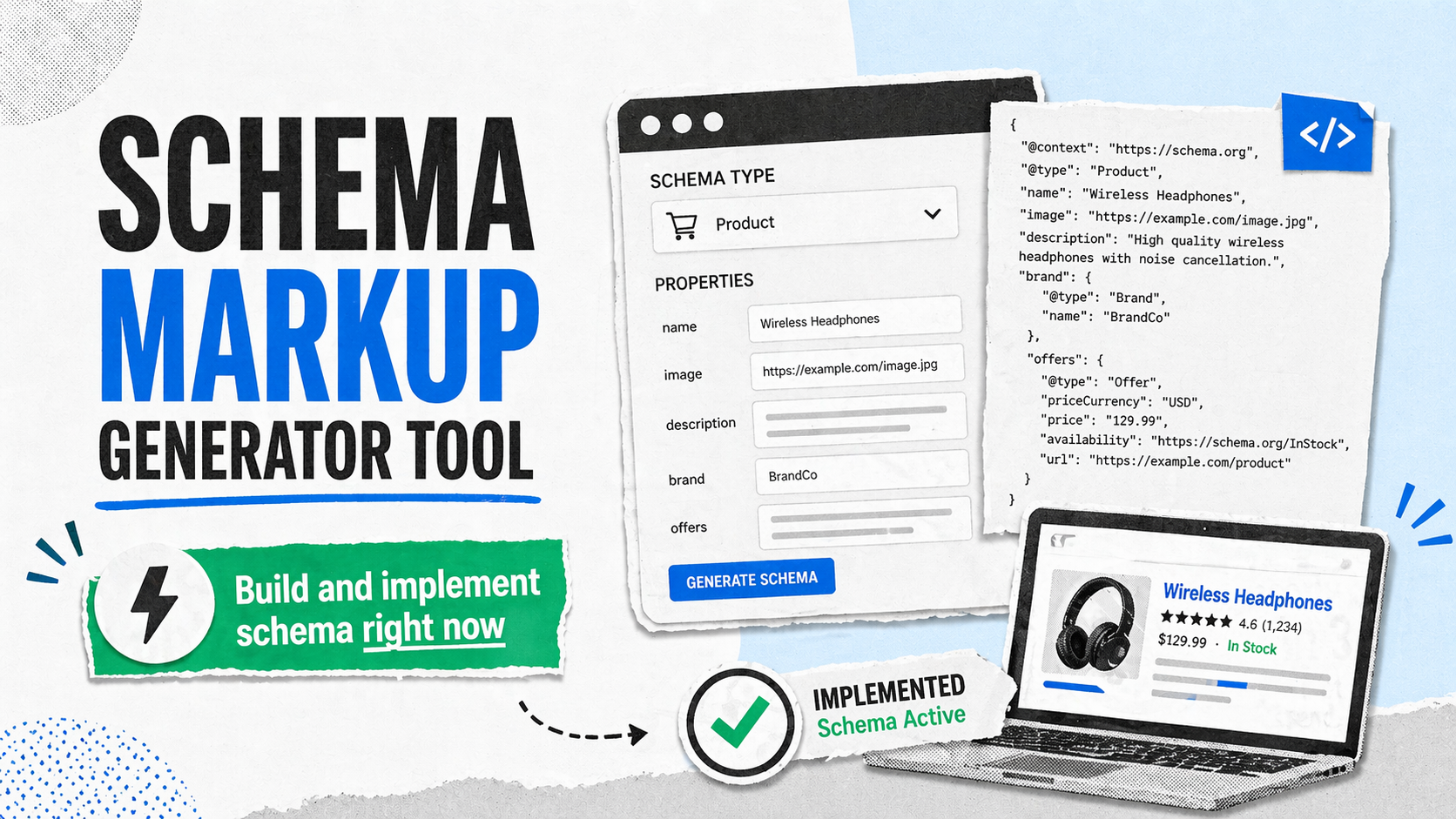
Use our Schema Markup Generator Tool to build your own schema quickly and accurately for 15 schema types like Organization, Reviews, FAQ and more!

AI agents rely on structured data to understand and act on your content. Learn how schema markup supports the emerging agentic web.

The first systematic analysis of Google's invitation-only enhanced publisher profiles on Discover, based on monitoring 46,926 publishers.

Learn how to optimize your site for AI crawlers with technical SEO best practices — and control access by blocking or allowing crawlers with directives.

What are AI crawlers? Learn about the different types of AI crawlers, their purposes, what they can see, and if you should allow them to crawl your site.

See how Chewy, Harrods, Under Armour, and more brands handle rendering, navigation, structured data, and scripts without hurting SEO.

Slow approval cycles and rigid workflows are costing enterprises AI visibility. Faster execution and structured data shift the balance.

Heading alignment and narrow answers drive citations, while long, broad content underperforms, study finds.

Based on hands-on SEO work, these examples show where AI fits across content, technical tasks, and reporting.

See how AI assistants evaluate product pages and what they need to recommend your products — from specs to reviews and use cases.

Schema won’t guarantee citations, but it helps AI understand entities. Here’s how to use structured data for clarity and cleaner extraction.

AI search rewards brands that show up consistently across trusted sources. Here’s how to build visibility when rankings no longer cut it.

AI systems rely on entities and relationships to understand and cite brands. Learn how schema and entity governance shape AI visibility.

Learn how breadcrumbs improve UX, site structure, and rankings. Discover SEO benefits, schema markup, and implementation tips to boost visibility.

Learn how to audit AI model outputs, apply entity markup, and reinforce accurate brand facts in Knowledge Graph data to correct AI hallucinations and protect your brand’s credibility.

What it takes to operationalize entities and schema across large organizations, without breaking governance or increasing technical debt.

AI is reshaping search, but some SEO rules never change. Learn the timeless principles—content quality, site structure, and trust—that AI can’t override.

Learn how Google interprets byline dates, published vs. updated dates, schema signals, and how freshness impacts rankings, trust, and click-through rates.

Meta tags guide search engines and users. Learn what they are, how they impact SEO, and best practices for titles, descriptions, and beyond.

GEO is not about hacks. It’s about whether SEO leaders can drive ontology and consistency across the enterprise before someone else does.

Semantic depth shows Google your content has substance. Learn how to cover topics thoroughly, build authority, and rank with context-rich content.

Microsoft’s NLWeb bridges websites and AI agents. Learn how to make your schema work harder — powering smarter discovery and visibility.

Semantic SEO helps search engines understand context. Learn how to use entities, topics, and intent to build richer content that ranks higher.

Ecommerce SEOs face a new channel: ChatGPT Shopping. See how structured data, product feeds, and reviews shape rankings inside ChatGPT.

Learn how to analyze website demographics to understand visitors, tailor content, and boost engagement with data-driven marketing strategies.
Want your brand to stand out in search? Learn how the Google Knowledge Panel works, who qualifies, and how to boost your chances of getting one.

Boost your chances of being cited in AI answers with these four technical SEO tactics that power visibility in generative search.