Google AI Mode ads: Everything you need to know
Google is deciding when and how to introduce your business into AI-powered conversations. Here's where your control begins — and ends.
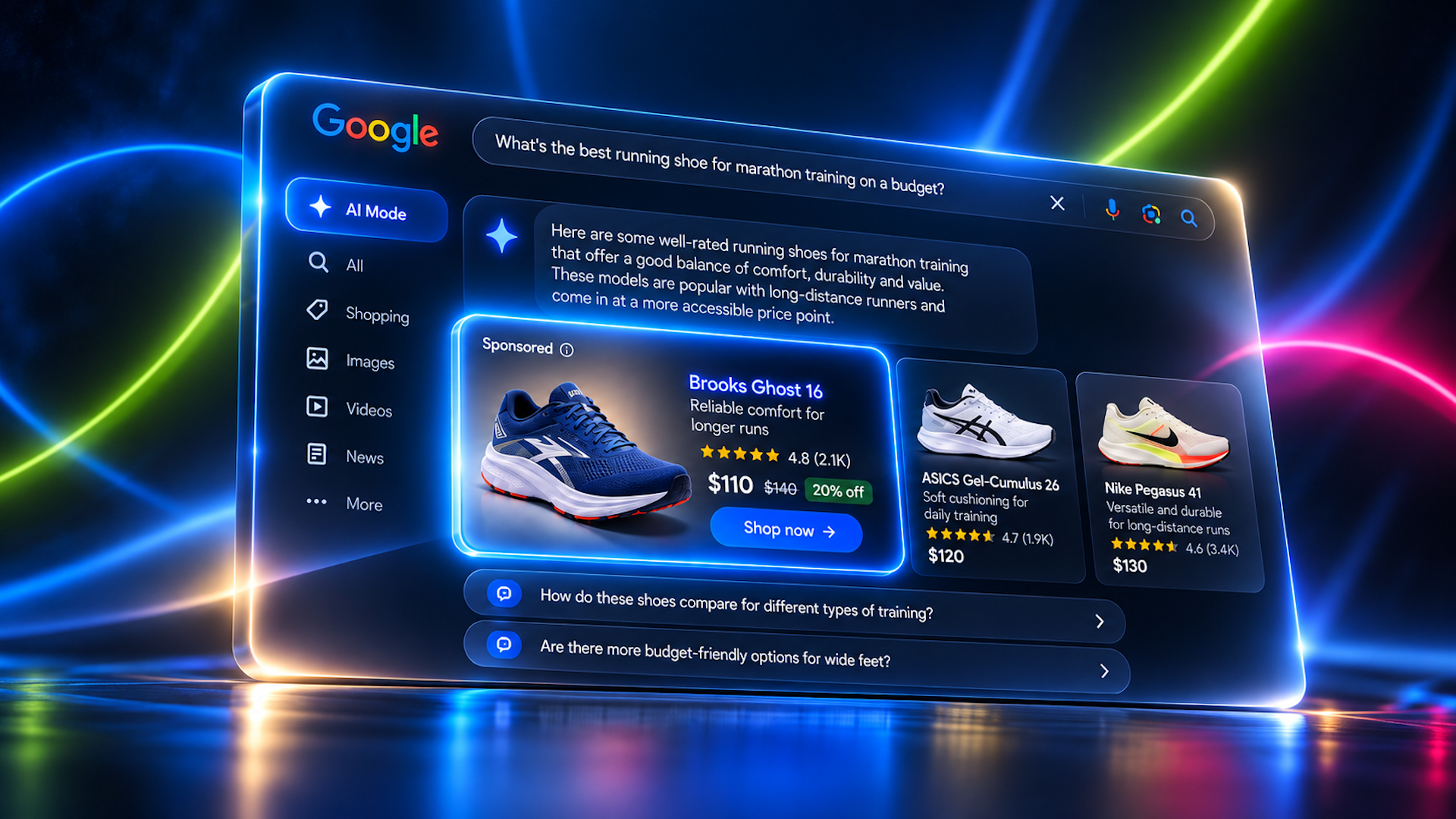
Google is deciding when and how to introduce your business into AI-powered conversations. Here's where your control begins — and ends.
The UGC Fresh Data Program is an initiative designed to help platforms display fresh, high quality, and authentic user-generated content (UGC) across various features on Search, Google said.

Learn how to rank your Shopify store in Google with this comprehensive Shopify SEO guide.

AI citations shift across prompts and platforms. Here's how to find the signal, reduce false alarms, and make better visibility decisions.
Master URL parameters to ensure they boost—not block—your SEO and marketing efforts. Learn top strategies to avoid common pitfalls.
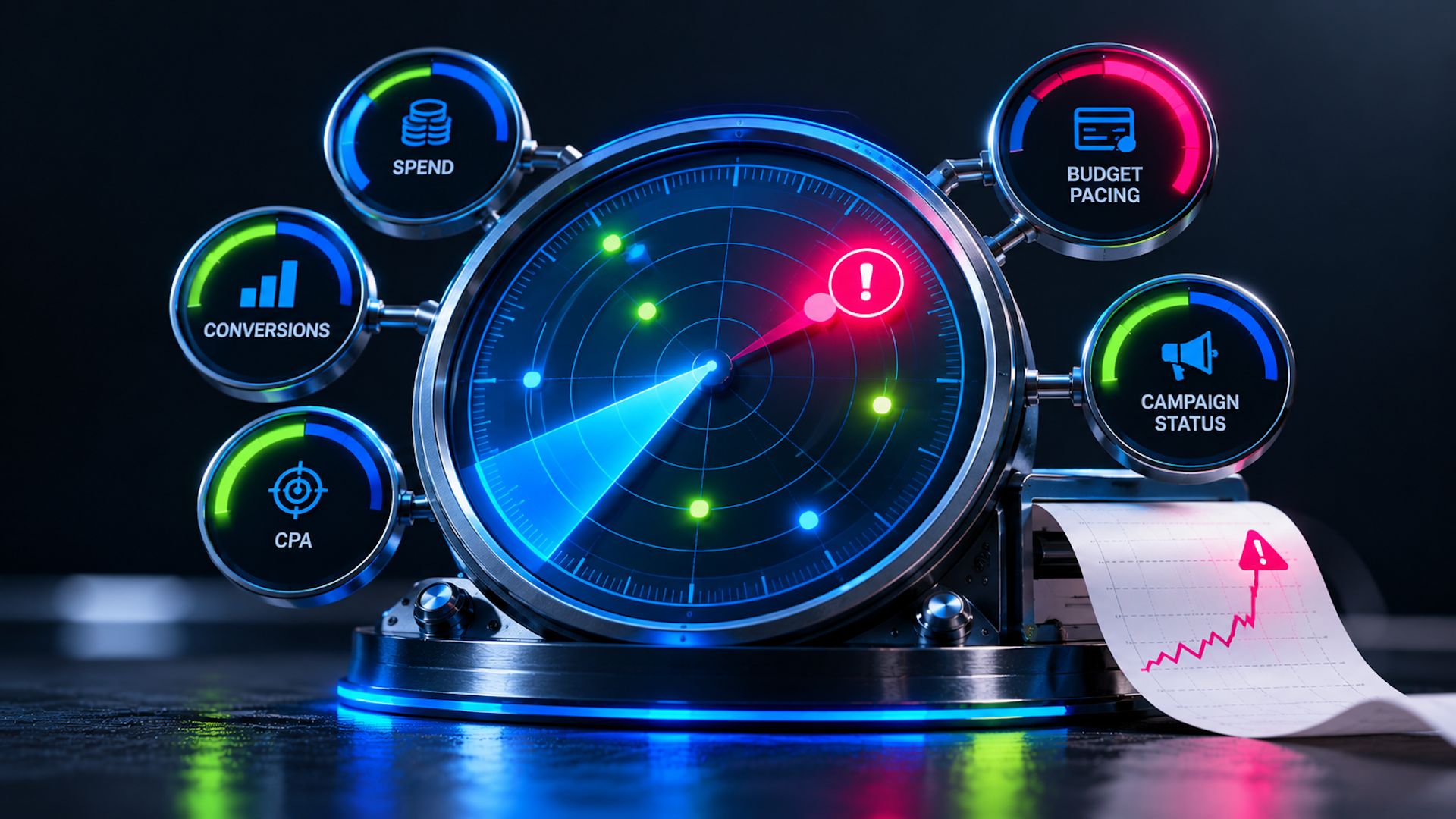
Catch PPC account changes, budget problems, and unusual performance between audits — without turning every fluctuation into an alert.

Google’s focus is on content that adds something new, from firsthand experience and original data to useful tools and information gain.
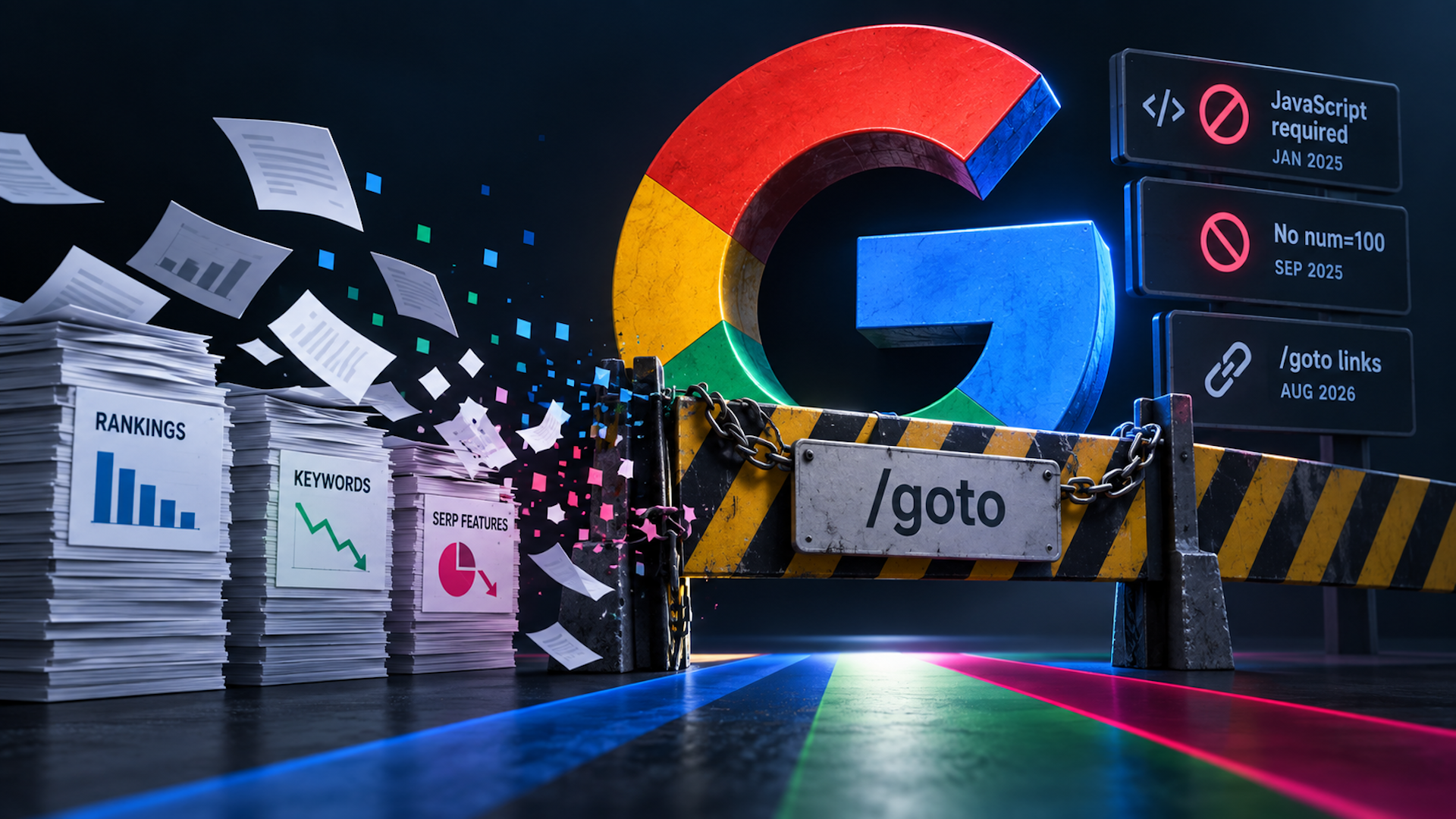
Google’s /goto URLs add to a series of changes making third-party SERP data harder to collect and rank tracking less reliable.

Faceted navigation, URL sprawl, server errors, and AI crawlers can all affect crawl budget. Here’s how to spot issues and keep bots focused.
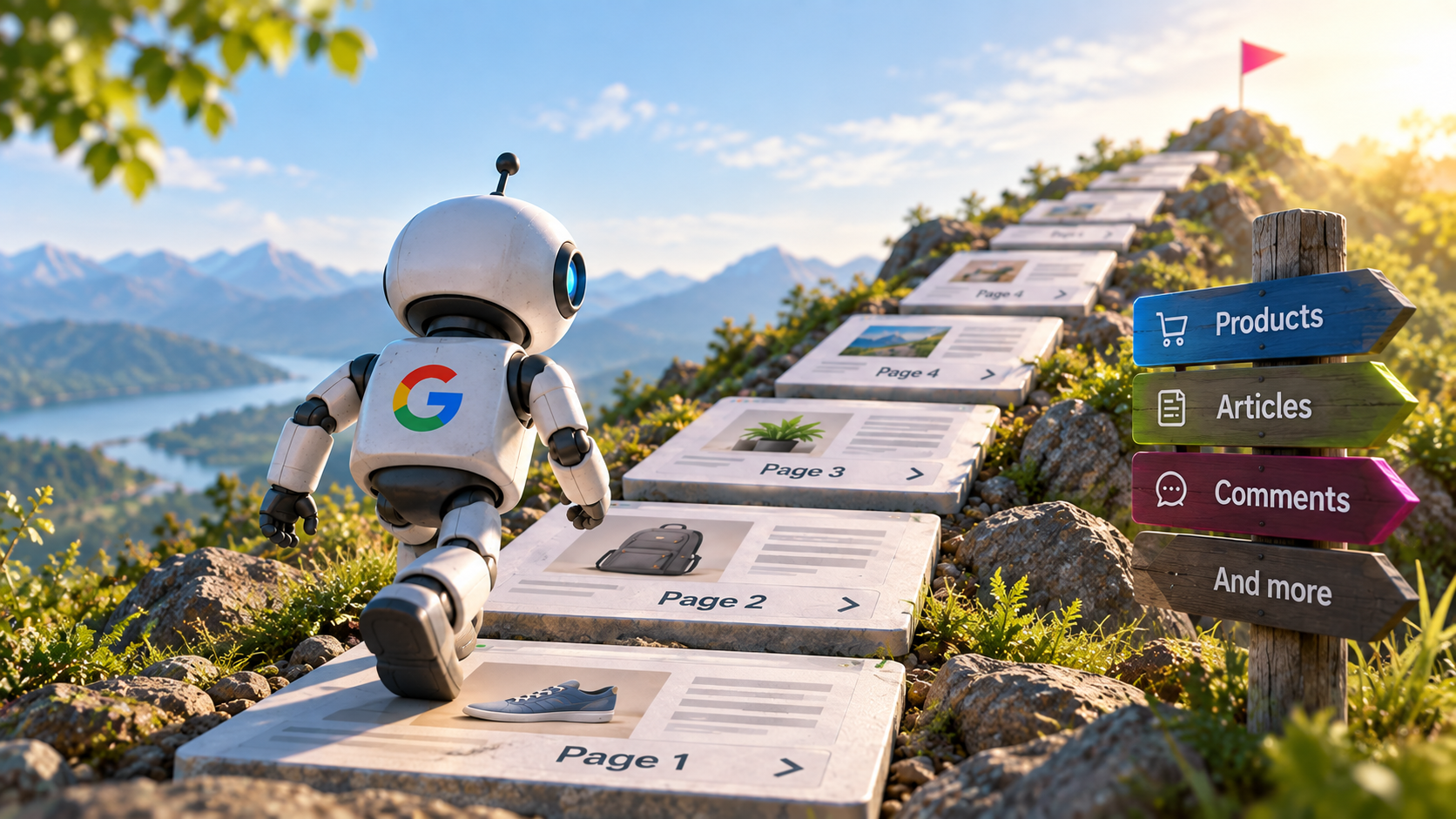
Pagination can open paths to deeper content — or quietly cut them off. See what matters for crawling, indexing, and canonicalization.
What SEO tasks can you automate? What's the best way? Save time and reduce work by improving your SEO workflows with traditional tools and AI.
Master SpyFu with Backlinko's comprehensive guide. Uncover your competitors' strategies, keywords, and ad campaigns with ease.

Some Google Ads settings are firm rules. Others are suggestions. Knowing the difference can prevent slow, invisible performance losses.
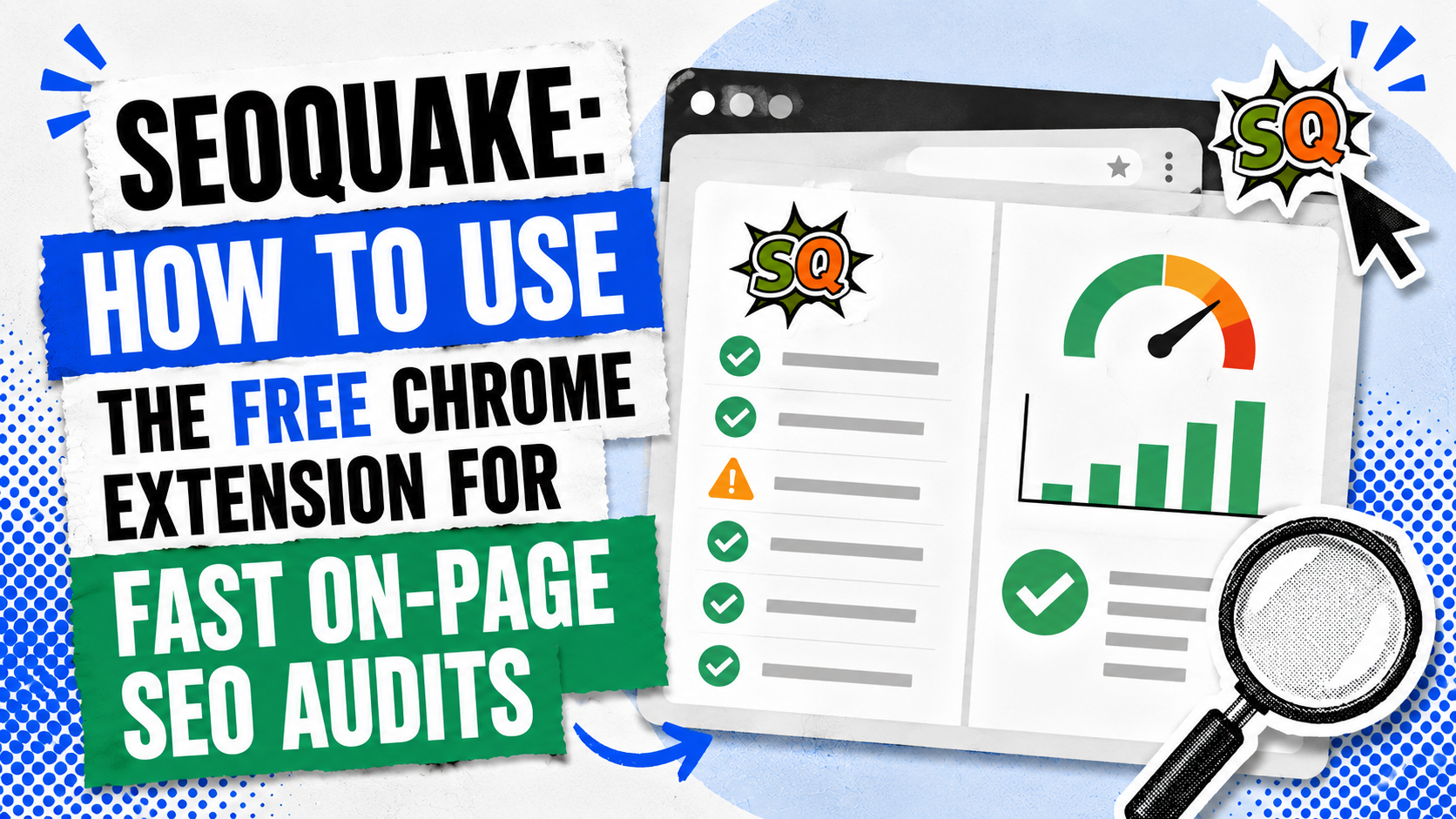
SEOquake is Semrush's free Chrome extension for on-page SEO analysis. See what it shows, how to use it, and what's new in the rebuilt version.

SEO best practices often start with good reasoning. So why do we still treat old recommendations like gospel after the context has changed?

Your first 50 pages can tell you whether the next 5,000 are worth building. Here’s how to turn a pilot into a scaling decision.
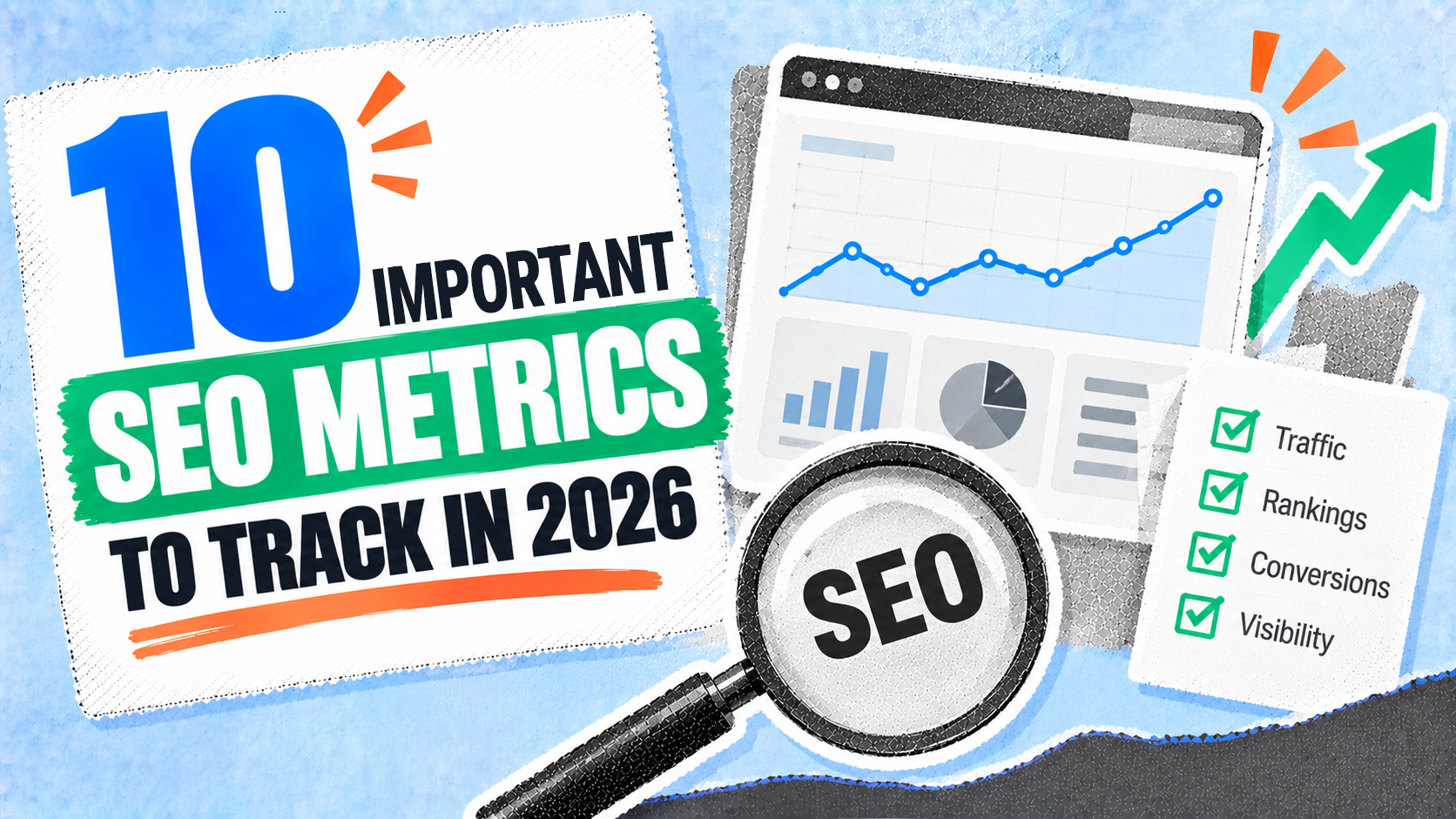
Learn exactly how to track your SEO efforts. Includes actionable info and lots of real-world insights.

New research into 3,000 listicles reveals the signals associated with higher rankings — from freshness to explicit item counts.

Your crawler can find the symptom. Your audit needs to explain the cause, why it matters, and what should happen next.

Claude can accelerate research, analysis, and drafting, but SEO execution still needs human judgment to avoid costly mistakes.

A 41-day experiment reveals how JavaScript-only navigation limits AI crawler discovery and why fixing it later can be harder.

New research exposes the mechanics behind ChatGPT citations, including what gets retrieved, what gets read, and what ultimately gets cited.

A single query can sit inside thousands of variations. Mapping those patterns can build topical authority across an entire search network.

Use SERP overlap, content independence, and site structure to determine whether to create a new page, expand an existing one, or consolidate.

A 26-week case study shows how connected search marketing efforts improved visibility, addressed buyer friction, and reduced CPA.

Go beyond HTML with practical workflows to uncover rendering issues, weak site structure, and other obstacles to AI understanding.
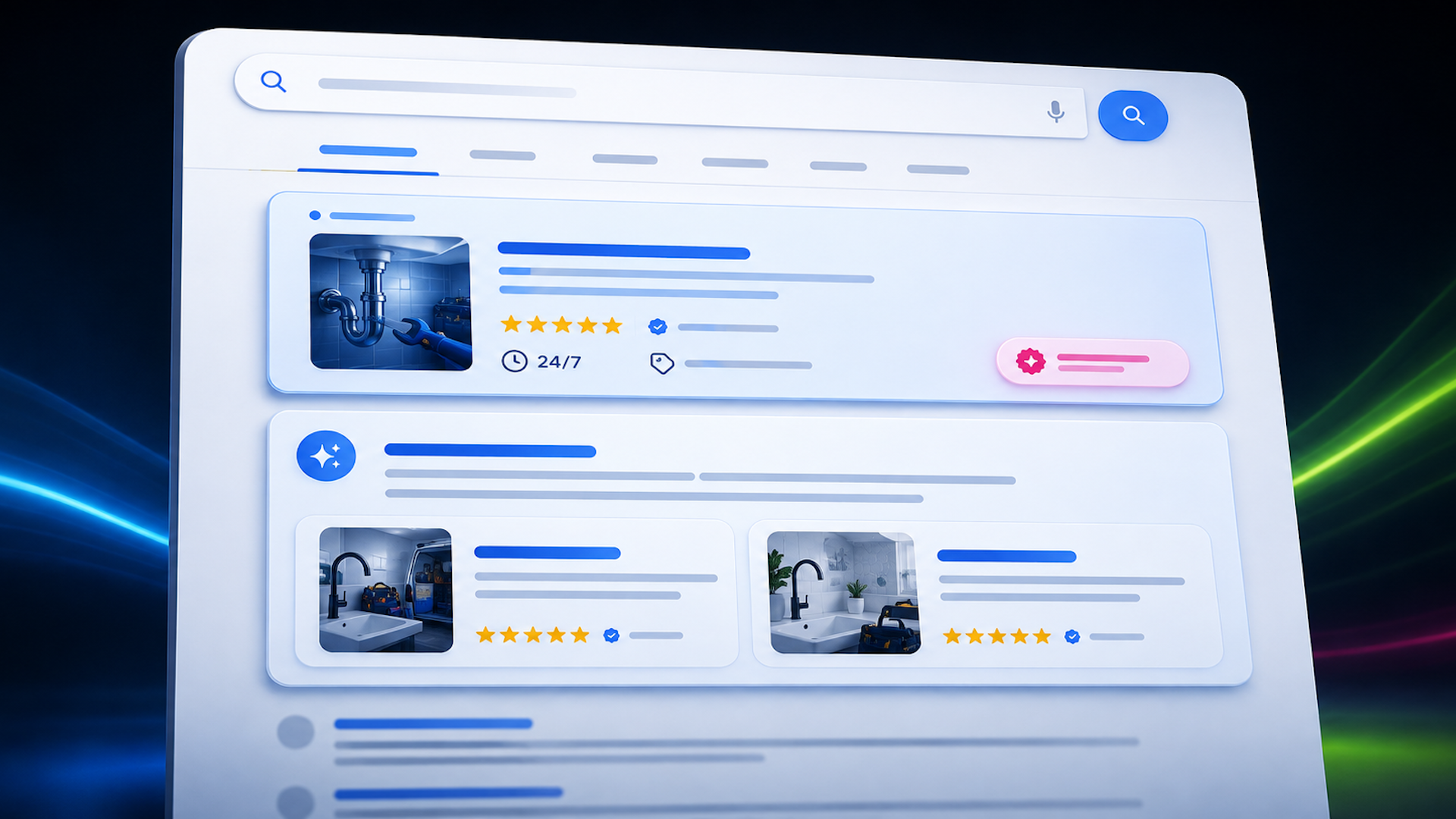
AI recommendations can steer users toward competitors, leaving advertisers to absorb the impact on CTR, CPC, and campaign performance.

New research shows ChatGPT strongly favors English pages, unlike Google AI and Copilot. Here's what that means for your site.

The biggest gains come from using AI to accelerate strategy, not replace original thinking. See where to draw the line.

Build your local presence around real locations, markets, and service areas instead of turning every geographic keyword into a new URL.

Should you use Google Business Profile Products, in-store products, or Merchant Center? Learn which and how to implement.

Every crawl uncovers thousands of issues. Learn to separate urgent blockers from low-priority tasks with a repeatable prioritization system.

Creating fewer, more purposeful pages can improve relevance, reduce duplication, and strengthen local search performance.

Publishing more articles won't always improve SEO. Learn how indexing, crawl budget, and content pruning can drive better results.

Learn the difference between notification, crawling, and indexing, and use a free tool to check whether your API is doing what you expect.

Learn how AI engines use and cite brand information, how to measure both, and why traditional SEO still matters.
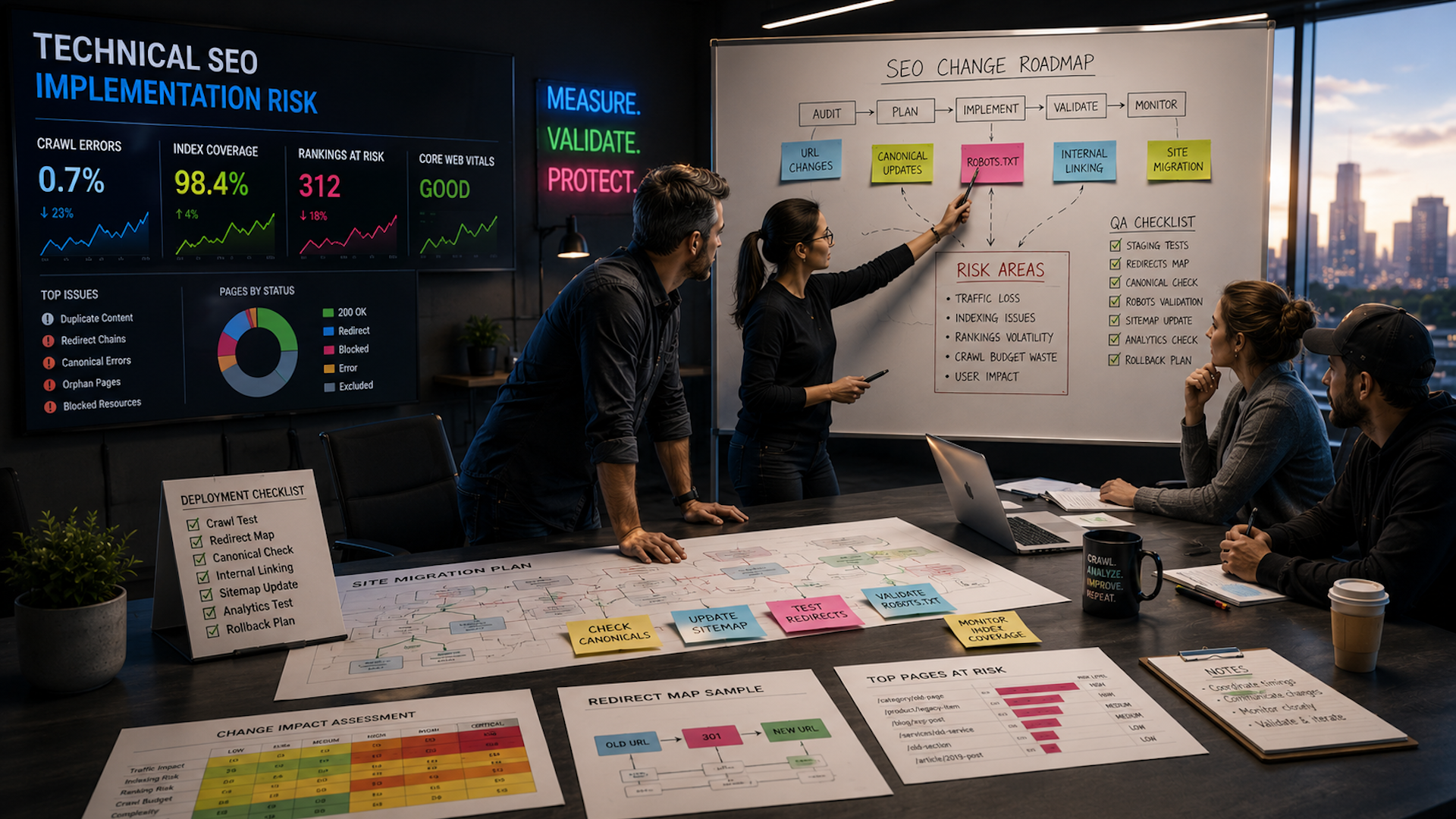
Evaluate technical SEO recommendations, prioritize resources, and avoid costly mistakes before they reach production.

The report has not been updated for two weeks now but this is not all that uncommon.

Fake entities appeared in 38% to 51% of reports when agents retrieved a manipulated page, rising to 62% with multiple pages.
Discover key metrics for content pruning and decide whether to remove, redirect, or consolidate pages with our free decision matrix workflow.