Analytics & conversion
Search Engine Land is your source for analytics & conversion news and content. You’ll find a variety of up-to-date and authoritative resources, including the latest news, tactic-rich tutorials, and the latest data to help you work smarter and make better decisions.
What you read here is written by our experienced in-house team, and subject matter experts from leading brands and agencies.
Don’t miss out! Get the Search Engine Land newsletter delivered daily to your inbox. Subscribe for free!





How to build custom SEO reports with Claude Code and Google Search Console
Connect GSC data to Claude Code, generate custom visualizations, and create flexible reporting workflows for stakeholder meetings.

The 5-layer framework for measuring GEO performance
AI visibility dashboards can’t answer the ROI question on their own. Here’s how to build a more credible GEO measurement model.

Marketing is entering its ‘air traffic control’ era
Adapting to customer journeys that increasingly resemble competing AI systems interpreting trust, risk, intent, and identity in real time.

Microsoft Clarity citations dashboard rolls out
The Citation dashboard shows how your content is referenced in AI-generated answers across supported AI experiences.

How to model non-linear SEO seasonality with Prophet
Traditional SEO forecasts often miss seasonality and volatility. Learn how to model non-stationary search behavior with Prophet and Python.

Google Analytics adds AI Assistant channel to measure AI traffic
You can now see in Google Analytics which AI tools drive visits and whether users from ChatGPT, Claude, or Gemini convert differently.

How to eliminate the skepticism tax in marketing data
Branded search can overstate marketing impact, revealing larger issues with attribution, AI outputs, and data confidence.

Gartner: 40% of agentic AI projects will fail, making humans indispensable
The failure rate is not about technology. It is about the humans deploying it... and the ones missing from the equation entirely.

SEO seasonality explained: Strategies, trends, and optimization tips
Discover search trends, align content with demand cycles, and capture more traffic using seasonal optimization strategies.

How to run an AI-assisted SEO competitor analysis that actually works
Turn raw SEO data into real insights with a proven workflow using Semrush exports, AI clustering, and human validation.

SEO reporting outgrew Data Studio — here’s what comes next
Rigid dashboards are slowing reporting down. Learn how AI coding tools and APIs enable faster, more flexible SEO workflows.

Your ROAS looks great — but is it actually driving growth?
High ROAS can hide demand capture, not creation. Use incrementality and marginal ROAS to measure real growth and guide smarter spend.

Google simplifies Analytics and Ads consent rules
Google’s June consent update will make consent setup more critical by making user permission the main control for how Ads collects/uses data.

Google is bringing back a familiar name: Data Studio
Google is reviving Data Studio as a simpler hub for analyzing marketing and business data across its ecosystem.

How to take your marketing measurement from crawl to sprint
Outdated tracking can’t keep up with privacy changes. Unify first-party data, attribution, MMM, and incrementality to measure real impact.

When server-side tagging makes sense for your brand
As data loss grows, brands are rethinking tracking. Explore when a server-based setup delivers cleaner data and stronger ad optimization.

How marketing leaders are getting unstuck from Salesforce
An executive fireside chat for brand-side marketers on how brands are moving into their next era — beyond Marketing Cloud.

Why too many micro-conversions hurt PPC performance
Overusing micro-conversions can distort CPA and ROAS. Learn how to structure signals to align PPC performance with real revenue.

How GSC’s branded query filter changes SEO reporting and analysis
Learn how Google Search Console’s branded query filtering helps you track awareness, diagnose drops, and measure true SEO impact.

30-day vs. 7-day attribution in Google Ads: What the shorter window revealed
Overlapping attribution can inflate channel performance. Learn how tightening the window reduced overlap and increased ROAS 62%.

What incrementality really means in affiliate marketing
Some affiliates claim incremental sales but only intercept checkout customers. Learn how to spot partners that drive real revenue.

SEO analytics: How to interpret SEO data & anomalies
Master SEO data analysis: Identify spikes and drops in organic traffic, uncover root causes of, and make informed decisions with our detailed guide.

The marketing measurement flywheel: A 4-step framework for proving impact
Learn how to connect platform ROAS, CRM data, incrementality testing, and marginal ROAS in a continuous marketing measurement cycle.

McKinsey’s ‘Organize to Value’ a blueprint for evolving to positionless marketing
Analysis shows that unclear objectives, uncommitted leaders, a stagnant culture are the culprits behind failing operational transformations... not technology.

Break down data silos: How integrated analytics reveals marketing impact
Channel dashboards don’t tell the whole story. Connecting paid media, analytics, and CRM data reveals demand before it appears in pipeline.

‘Always be testing’ worked in 2016 — it’s risky in 2026
Unstructured testing can destabilize campaigns and waste budget. Learn how agentic AI helps structure smarter marketing experiments.

Why most video ads fail — and what video metrics actually matter
Views, impressions, and completion rates aren’t persuasion. Attention, creative strategy, and better measurement determine video performance.

What 13 months of data reveals about LLM traffic, growth, and conversions
An analysis of LLM referral traffic shows low volume, rapid growth, shifting citations, and an 18% conversion rate.

Retire these 9 SEO metrics before they derail your 2026 strategy
Organic traffic, average position, and DA won’t prove SEO ROI. Here’s what to retire – and the revenue-focused metrics to track instead.

What 4 AI search experiments reveal about attribution and buying decisions
AI search rarely appears in analytics, yet it shapes trust, shortlists, and sales velocity. These experiments show where measurement breaks.

Why PPC measurement feels broken (and why it isn’t)
As browser restrictions limit identifiers, PPC measurement relies more on redundancy, modeling, and inference than perfect tracking.

How PR teams can measure real impact with SEO, PPC, and GEO
A practical approach for tying earned media to search behavior, downstream conversions, and visibility in AI-generated answers.

Why first-touch analytics matters more than ever for SEO in 2026
AI-driven search is breaking last-touch attribution. First-touch analytics reveals SEO’s role in discovery, influence, and revenue.
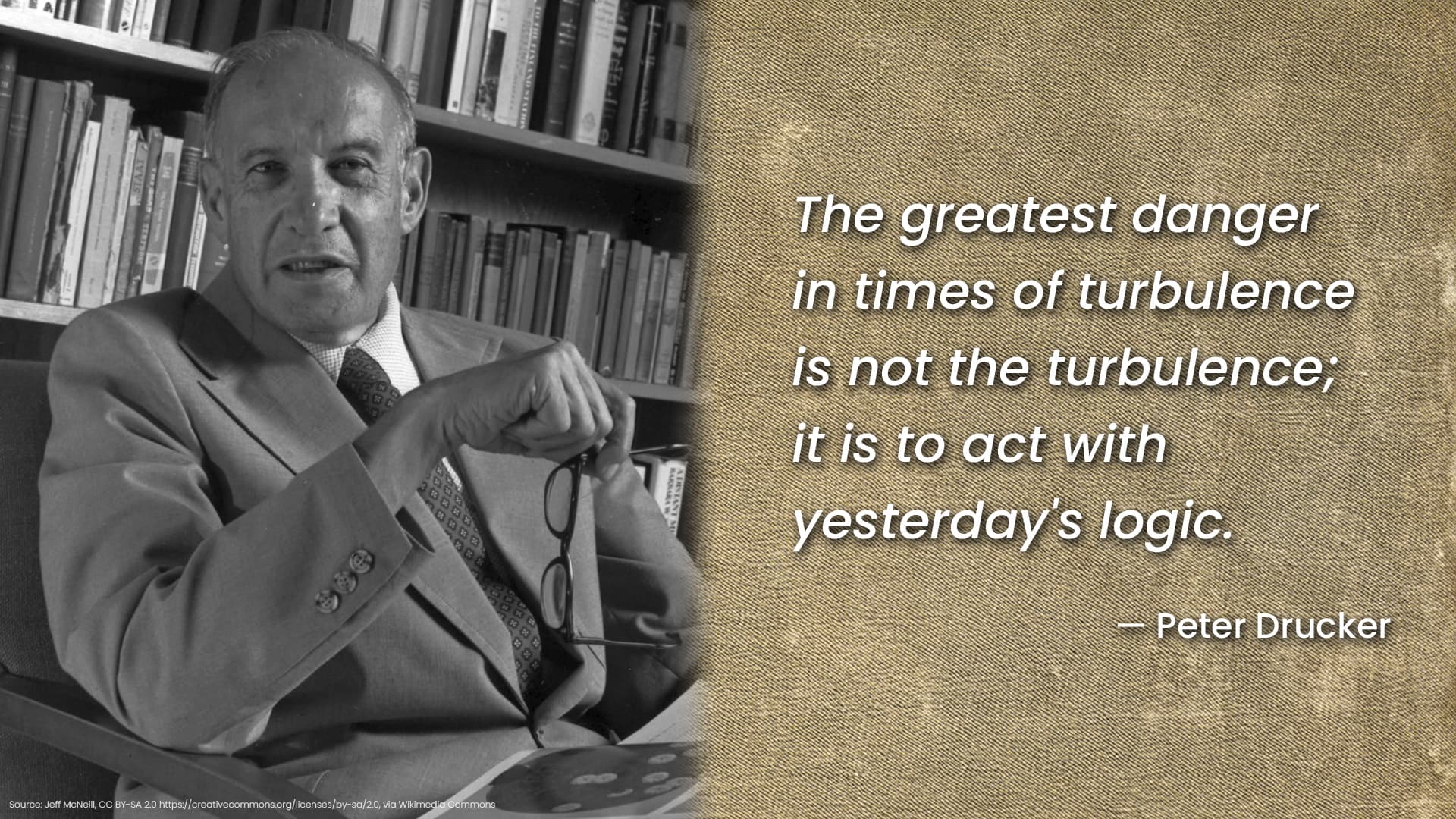
Peter Drucker warned us. Positionless Marketing is the answer
In turbulent times, structure, not talent, limits marketing performance. Positionless Marketing removes that constraint.

Not all MMM tools are equal: Meridian, Robyn, Orbit, and Prophet explained
These open-source MMM tools solve different measurement problems, from budget optimization to forecasting and preprocessing.

A 5-step framework for year-end PPC reports that resonate with leadership
Show leaders how PPC performed, why results changed, and what to do next, with the context and clarity they need for 2026 planning.
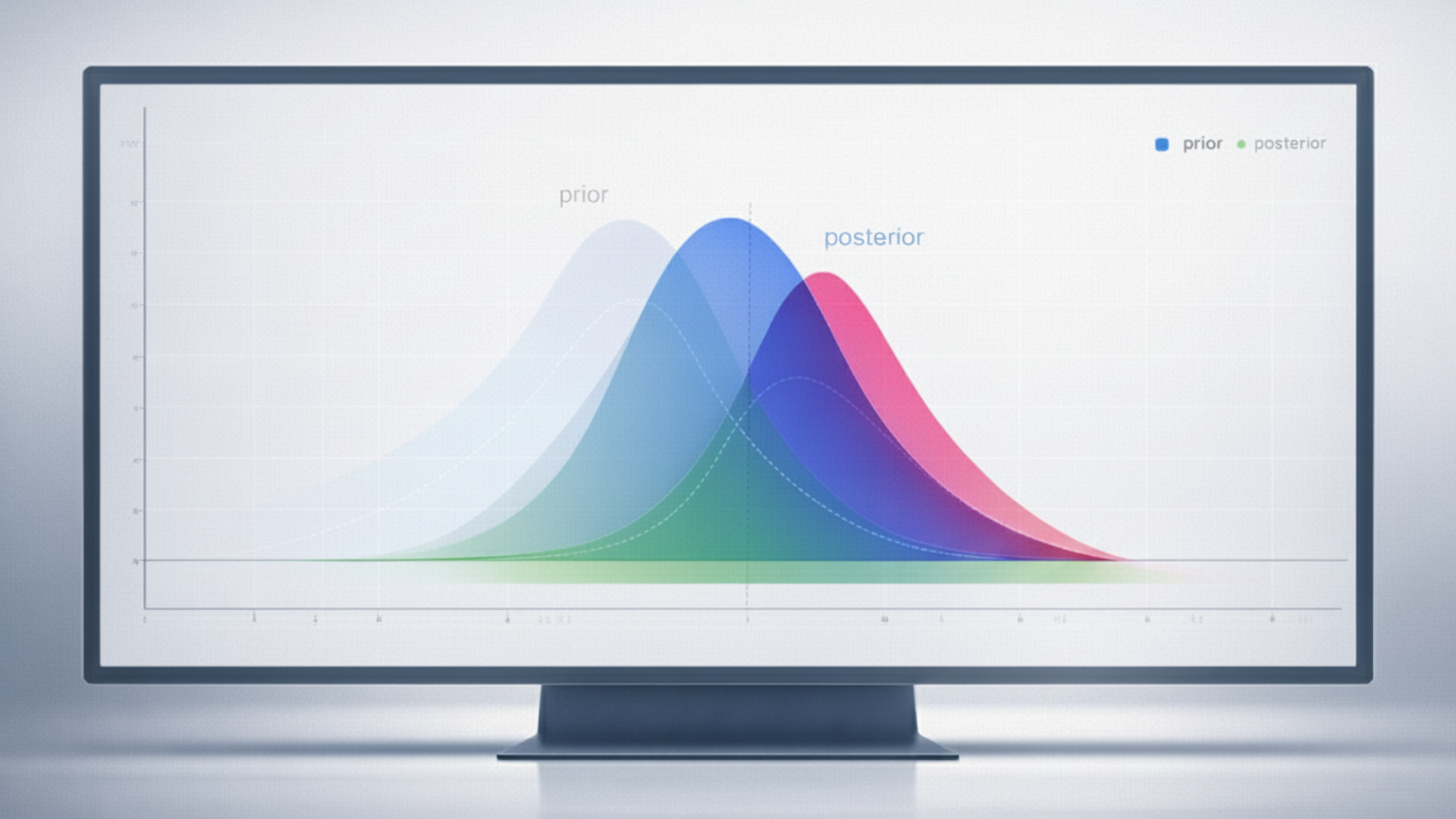
How Bayesian testing lets Google measure incrementality with $5,000
What’s often misunderstood about Google’s incrementality testing and how Bayesian models use probability to guide better decisions.

How to use Google’s Channel Performance report for PMax campaigns
See what the report actually reveals about PMax delivery, attribution, and asset performance – plus where the data still misleads.

The brand-to-links ratio revolution
Google and Bing now weigh brand mentions and citations alongside backlinks. Learn how to optimize your brand-to-links ratio for modern SEO visibility.

Why share of search matters more than traffic in the AI era
As AI reduces clicks and fragments discovery, share of search offers a clearer signal of brand demand and competitive momentum.